

Cyberpunk 2077 just hit 35M sales — CD Projekt’s staffing plan hints at a post‑2028 sequel
Game intel
Cyberpunk 2077
Cyberpunk 2077: Update 2.0 introduces a comprehensive, free overhaul of the game's core systems. Key changes include a redesigned cyberware system, where armor…
Why this matters: Cyberpunk 2077’s comeback funds a bigger, slower sequel
CD Projekt quietly cleared a big milestone: Cyberpunk 2077 has now sold more than 35 million copies, and it hit that number faster than The Witcher 3 did. That’s not just a bragging point – it’s the financial and reputational runway that lets the developer think bigger about Cyberpunk 2. This caught my attention because a game that was once pulled off a storefront and refunded by the thousands is now generating enough momentum to reshape CD Projekt’s roadmap.
- 35 million copies sold – a faster climb than The Witcher 3 reached its comparable milestone.
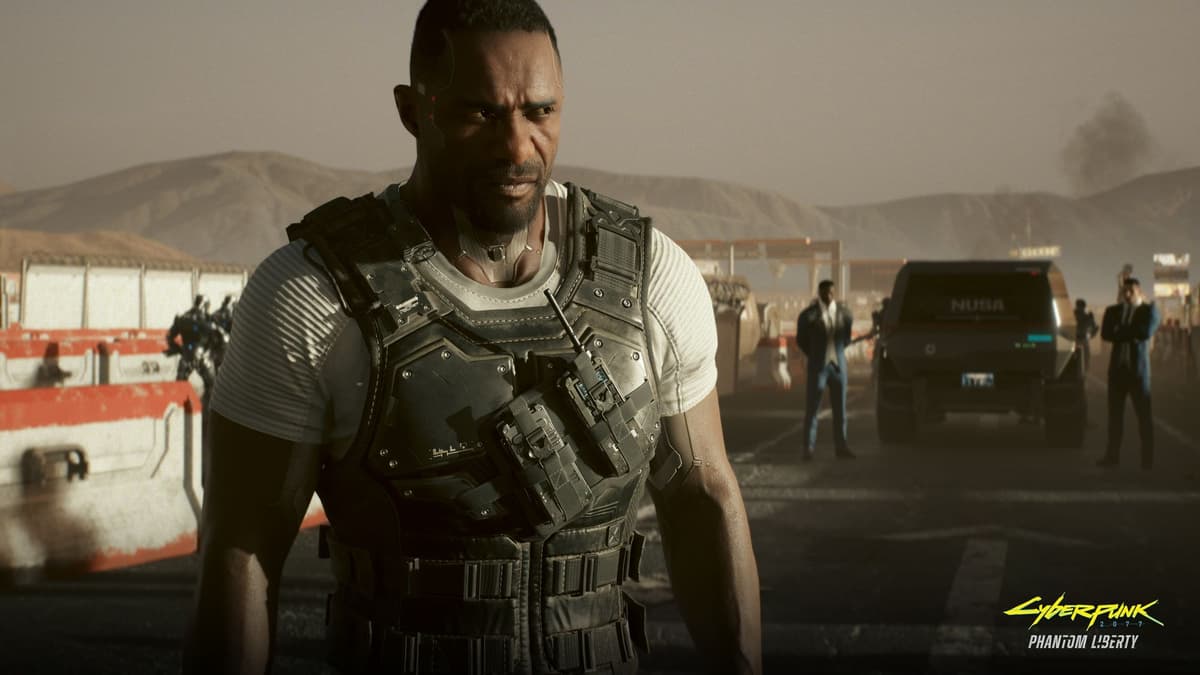
- Phantom Liberty has sold over 10 million units, proving the expansion wasn’t just critically praised but commercially meaningful.
- CD Projekt plans to scale Cyberpunk 2’s team to 300+ people by 2027, implying a likely release after 2028.
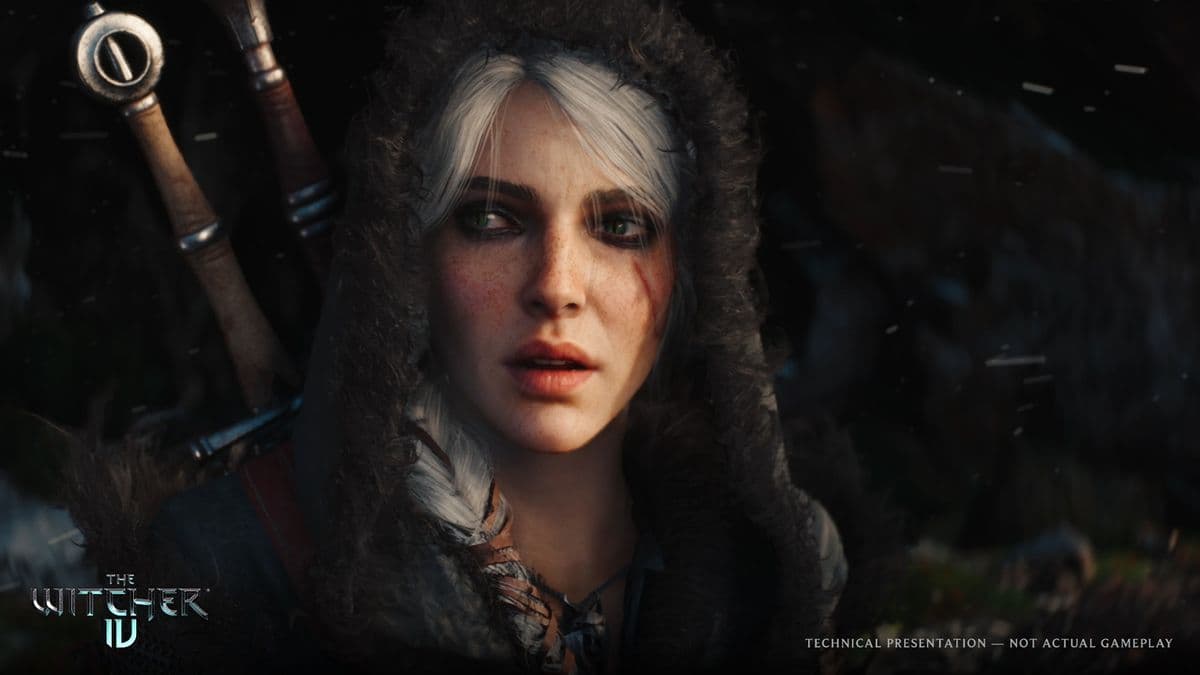
- Witcher 4 remains the bulk of the studio’s manpower, while multiplayer, a new IP (Hadar), and other partnerships expand the slate.
Breaking down the numbers – why 35M matters beyond a headline
On its own, 35 million copies is a headline-grabbing figure. What makes it meaningful is the pace: Cyberpunk 2077 reached that total faster than The Witcher 3 took to get to 30 million. That’s a major contextual win for CD Projekt — a signal that the studio’s reputation recovery and post-launch fixes really moved the needle. Phantom Liberty selling over 10 million units is the other piece of the puzzle: a premium expansion that actually translates into sustained revenue rather than just goodwill from critics.
Remember the launch: December 2020 was a disaster that saw the title removed from the PlayStation Store and thousands of refunds. CD Projekt committed to massive fixes and a 2.0 overhaul in 2023. The result is one of the most dramatic comeback stories in recent AAA memory — but that comeback also set a new bar. Players will expect Cyberpunk 2 to launch polished, or risk backlash even worse than the 2020 mess.
Why now — and what the 300+ staffing goal actually implies
CD Projekt’s published headcount for Cyberpunk 2 rose from 116 in July to 135 by October 31. The plan to scale that to 300+ by 2027 is the real story: it tells us the project is still in an early-to-middle phase where heavy hiring and systems work are priorities. Industry math here is blunt — studios don’t go from sub-150 to 300+ without expecting multiple years of development. That’s why many analysts are reading this as an implicit admission that Cyberpunk 2 likely won’t arrive before 2028.
That timeline isn’t inherently bad. Bigger teams can mean higher ambition — better narratives, more systems, and broader scope. But it also raises classic risks: feature creep, longer QA cycles, and the specter of crunch if deadlines tighten. CD Projekt has to balance investor expectations (they’ve just got a cash cushion) with the social and reputational imperative to avoid another rocky launch.
Want to Level Up Your Gaming?
Get access to exclusive strategies, hidden tips, and pro-level insights that we don't share publicly.
Ultimate Gaming Strategy Guide + Weekly Pro Tips
Player-first perspective: what to expect and what to worry about
For players, the headline takeaway is simple: CD Projekt now has both the money and the excuse to build something big for Cyberpunk 2. That could mean a genuinely modern, expansive RPG with robust systems — provided the studio resists the temptation to convert success into unrestrained ambition. The fact that Witcher 4 still has far more staff (around 447) shows CD Projekt is running multiple AAA trains at once, which is impressive but also stretches leadership, QA, and cross-studio focus.
There are also non-development angles worth watching. The company’s slate includes a multiplayer Witcher project, a new IP codenamed Hadar, a Witcher remake, and a commercial partnership with Scopely backed by Saudi capital. Those moves diversify revenue but also push CD Projekt into broader, sometimes more corporate territory — not always a comfortable fit for fans who fell in love with the studio for single-player storytelling.
TL;DR — What this means for gamers
Cyberpunk 2077’s 35M sales and Phantom Liberty’s 10M are proof the comeback stuck. That success funds ambition: Cyberpunk 2 is scaling to 300+ staff by 2027, which likely pushes a release past 2028. Good news: more resources and time can mean a better, more stable sequel. Bad news: bigger teams bring bigger risks — bloated scope, longer waits, and potential corporate pressure to monetize. I’m cautiously optimistic, but history has taught us to hold studios accountable for polish and player trust, not just sales milestones.