
Table of Contents (4)
Why this milestone matters – and why it caught my attention
Cyberpunk 2077 quietly crossed a big line: 35 million copies sold as of November 26, 2025. That’s not just a medal for PR – it’s concrete proof that CD Projekt RED’s long repair job worked. This caught my attention because Cyberpunk started as one of the most spectacularly mishandled launches in modern gaming, and watching it transform into a stable, widely played title is an unusual, instructive turnaround for the industry.
- 35M copies sold – five years after launch, and helped by ports to Switch 2 and Mac.
- Studio is expanding the Cyberpunk sequel team: ~135 people now, >300 planned by end of 2027.
- The Witcher IV remains the bigger priority with 447 people currently assigned.
- CD Projekt’s Q3 2025 revenue jumped 53%, giving the studio more runway.
Breaking down the number: not just nostalgia, but momentum
Numbers alone are easy to celebrate, but context is everything. Cyberpunk sold 35 million copies in a market where many triple-A titles plateau after launch. The climb is owed to multiple factors: a rigorous patch roadmap that actually fixed critical issues, Phantom Liberty — an expansion that reversed some of the narrative scepticism — and strategic platform expansion. The June 2025 Switch 2 release and a Mac port widened the audience, and features like gyro aiming, touch controls, mouse support and cross-save on Switch 2 made those ports less of a cash-grab and more of a genuine new way to play.
Why this matters for players today
For players, the headline is simple: Cyberpunk is not the broken mess of 2020. The current build is stable across platforms, Phantom Liberty adds worthwhile content, and CD Projekt’s continued support means the game will keep receiving optimisations. If you avoided it at launch because of the fiasco, there’s now a plausible case for picking it up — especially the Ultimate Edition that bundles core game, updates and Phantom Liberty.
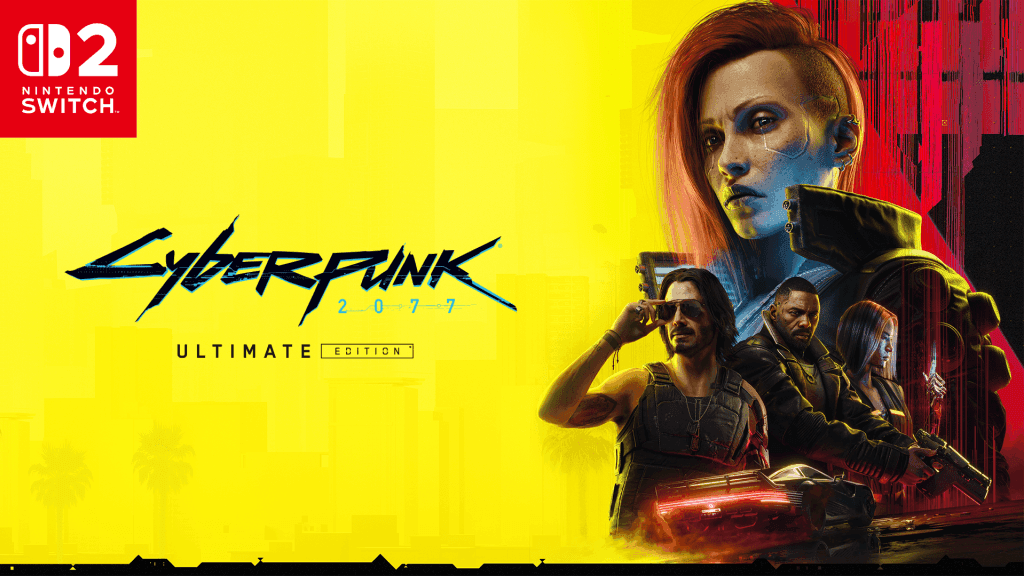
- New players: buy the Ultimate Edition on PC or next-gen consoles for best visuals; Switch 2 if you want portability without losing key features.
- Veterans: Phantom Liberty still offers varied gameplay hooks — espionage, infiltration, new gear — worth revisiting.
- Modders: PC remains the playground for community fixes and expansions that change pacing or visuals.
Studio priorities and what the 35M tells us about the future
Here’s where the heartbeat of the news is: CD Projekt is leveraging Cyberpunk’s renewed commercial life to invest in the sequel (Project Orion) while continuing to pour serious resources into The Witcher IV. The Cyberpunk sequel team was roughly 135 people in October and CDPR plans to scale that to over 300 by the end of 2027. Meanwhile, The Witcher IV has 447 people assigned — it’s still the studio’s crown jewel.
That raises a practical question: can CD Projekt juggle both without spreading itself thin? The company looks healthier after a 53% revenue bump in 2025, so finances are less of a constraint. But development timelines are long — Project Orion is in pre-production (since May 2025) and CDPR estimates 4-5 years of development. In plain terms: don’t expect a sequel next Christmas.
FinalBoss // Gear
Level up your setup
01Top-rated gaming headsetson Amazon→02High-refresh gaming monitorson Amazon→03Gaming chairson Amazon→04Discounted game keyson Kinguin→Affiliate links · As an Amazon Associate, FinalBoss earns from qualifying purchases.
Want to Level Up Your Gaming?
Get access to exclusive strategies, hidden tips, and pro-level insights that we don't share publicly.
Ultimate Gaming Strategy Guide + Weekly Pro Tips