

Game intel
Cyberpunk 2077
Cyberpunk 2077: Update 2.0 introduces a comprehensive, free overhaul of the game's core systems. Key changes include a redesigned cyberware system, where armor…
December 2020 was supposed to be Cyberpunk 2077’s moment in the sun. After years of hyped teasers and a triumphant track record with The Witcher 3, CD Projekt Red was poised to deliver another generational RPG. Instead, players booted the game to encounter game-breaking bugs, frequent crashes on PS4 and Xbox One, and glaringly absent features. Refund requests skyrocketed, Microsoft and Sony offered refunds without question, and Sony even delisted the title from its PlayStation Store. Night City, once painted as a vibrant sci-fi playground, became a glitchy wasteland.
In the lead-up to launch, CD Projekt Red faced immense internal pressure to hit its December release date—a choice that would come back to haunt them. Developers working overtime struggled to stabilize performance on aging hardware, but deadlines loomed. QA processes, once praised on The Witcher 3, buckled under the weight of a sprawling open world and last-minute features.
Bugs ranged from mild (floating NPCs, missing textures) to catastrophic (quests becoming unfinishable, save files corrupted). On consoles like PS4 and Xbox One, frame rates dipped into single digits, animation loops froze, and entire sections of the world failed to load. The result was a public relations firestorm: reviewers issued mixed scores, content creators highlighted technical failures in real time, and community forums filled with distress calls from players who couldn’t even reach the opening city gates.
The media coverage was relentless. Headlines spoke of a “broken promise” and “unplayable mess.” Tech outlets ran performance analyses side by side, highlighting the gulf between the PC experience—where patched beta drivers and high-end rigs could coax acceptable play—and the console ports, which were effectively unoptimized.
On social media, fans who had pre-ordered for months felt betrayed. Refunds piled up, and even die-hard supporters questioned whether CDPR’s famed commitment to quality had internalized the lessons of its previous bestseller. In an unprecedented move, Sony pulled the game from its digital storefront, a stunning rebuke in an industry that rarely sees first-party titles removed post-launch.
Rather than pretend nothing was wrong, CD Projekt Red issued a public apology and offered full refunds. “A launch this rough forced us to rethink everything,” said a senior developer who requested anonymity. The studio opened direct lines with frustrated players, publishing detailed patch notes and roadmaps for upcoming fixes. Their approach was unusual: most publishers issue vague statements about “future updates,” but CDPR handed players a week-by-week calendar of bug fixes, performance improvements, and gameplay tweaks.
Internally, the studio overhauled its quality-assurance process. Automated testing expanded, more resources were funneled into console labs, and a veteran QA director was hired to enforce stricter acceptance criteria. Crunch culture came under scrutiny as well, with promises to limit overtime and ensure healthier development cycles in the future.
Over the next twelve months, CDPR released a series of major patches. Each brought incremental stability improvements—fewer crashes, smoother frame rates, and restored quest functionalities. By mid-2021, version 1.2 addressed more than 700 bugs; version 1.3, six months later, targeted over 1,000 additional issues, including major quest blockers and texture pop-ins. Performance uplift on PS4 Pro and Xbox One X brought the experience closer to playable, if not flawless.
Each patch shipped with a clear changelog. For example, Patch 1.3 promised “up to 40% reduction in crash rates,” while Patch 1.5 introduced a Performance Plus mode for next-gen consoles and PC players seeking a high-frame-rate experience. That level of transparency (down to listing memory-leak fixes and AI pathfinding tweaks) reassured the community that the team was actively listening.
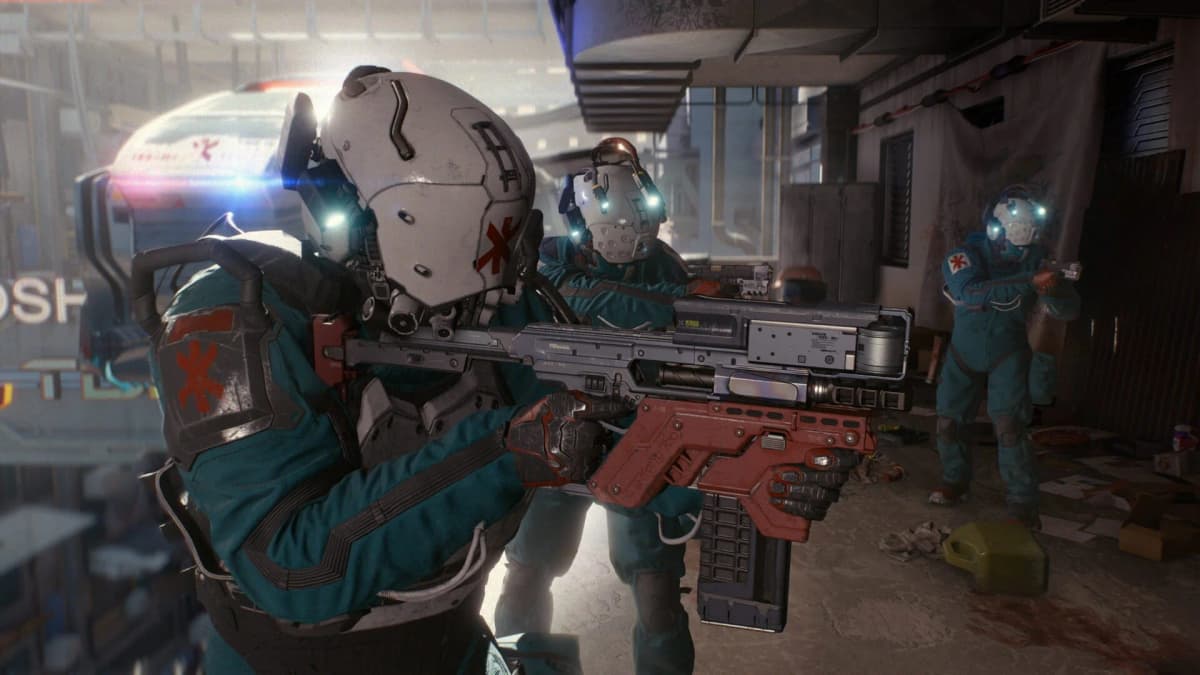
In September 2023, CD Projekt Red released Phantom Liberty, a paid expansion that many saw as the moment Cyberpunk fully redeemed itself. Set in a new district called Dogtown, the DLC delivered a taut spy-thriller storyline, redesigned weapons and cyberware, and overhauled enemy AI. Technical benchmarks showed remarkably stable performance on both last- and next-gen consoles, and critical reception was overwhelmingly positive.
Reviewers praised the expansion’s pacing, character writing, and world-building. Veteran critic Nadia Ahmad wrote, “Phantom Liberty feels like the game we were promised in 2020—ambitious, polished, and brimming with narrative surprises.” On Steam, the user review score leaped from “Mixed” to “Very Positive” almost overnight. Phantom Liberty not only added 20+ hours of content but also served as proof that CDPR had learned from its mistakes and could deliver a premium RPG experience.
1. Embrace Transparency: Detailed patch notes and open roadmaps foster trust. When players see exactly what’s being fixed and when, they feel included in the process rather than left in the dark.
2. Invest in QA Early: Ramping up quality assurance in the final six months of development is often too late. Integrated, continuous testing—across platforms—catches issues before they snowball.
3. Prioritize Mental Health: Reducing crunch and improving work-life balance can sustain long-term creativity and reduce burnout. A healthier team is a more effective team.
4. Leverage Community Feedback: Bug reports, performance metrics, and player suggestions can guide post-launch updates. Engaging with forums and social channels turns criticism into constructive data.
Cyberpunk’s bumpy ride isn’t unique. No Man’s Sky launched in 2016 to similar tech woes and missing features, only to rebound through regular updates and expansions, earning back player trust. Final Fantasy XIV suffered a catastrophic first incarnation in 2010 but relaunched as “A Realm Reborn” in 2013, becoming Square Enix’s top-grossing MMO. These stories share a common thread: studios that commit to fixing core issues and openly engage with their communities can transform failure into long-term success.
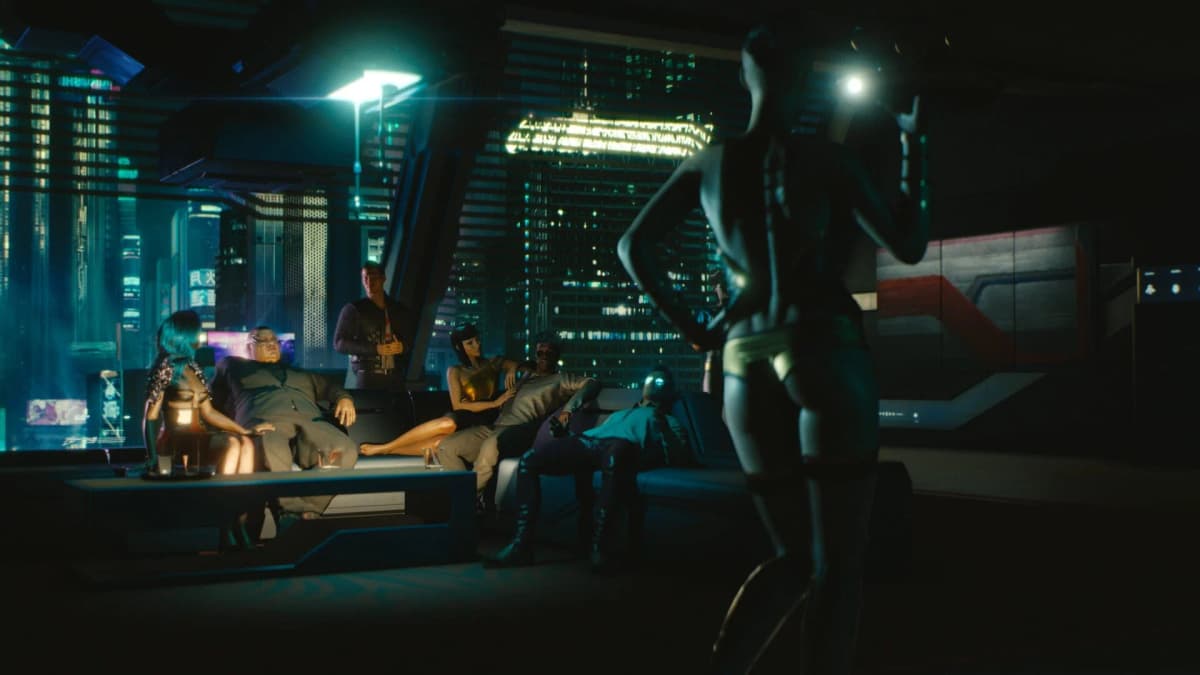
CD Projekt Red’s next title, code-named Project Orion, is still shrouded in secrecy. What we do know is that the studio has pledged to bake their new QA and transparency protocols into the project from day one. Early job listings mention “cross-platform stability engineers” and “community feedback coordinators,” signaling a commitment to preventing a repeat of Cyberpunk’s rocky launch.
Gamer expectations have shifted in the wake of Cyberpunk’s saga. Persistence, iterative improvement, and honest dialogue are now baseline demands. If CDPR can hit Project Orion’s launch with the same level of polish they achieved for Phantom Liberty—and maintain that post-release support—then the tale of Cyberpunk 2077 may ultimately stand as a blueprint for recovery in an industry too often quick to bury its missteps.
Cyberpunk 2077’s odyssey from catastrophic launch to celebrated comeback underscores a timeless truth: humility, open communication, and unwavering dedication to improvement can turn even the darkest debut into an inspiring turnaround. For players, it’s a reminder that patience and participation matter. For developers, it’s proof that mistakes—handled transparently—can forge stronger bonds with audiences. As we await Project Orion, one thing is clear: the story of Cyberpunk 2077 will be studied for years as an example of how failure, if faced head-on, can become a studio’s greatest opportunity.
Get access to exclusive strategies, hidden tips, and pro-level insights that we don't share publicly.
Ultimate Gaming Strategy Guide + Weekly Pro Tips