
Table of Contents (7)
The mecha game that finally wants everyone on board
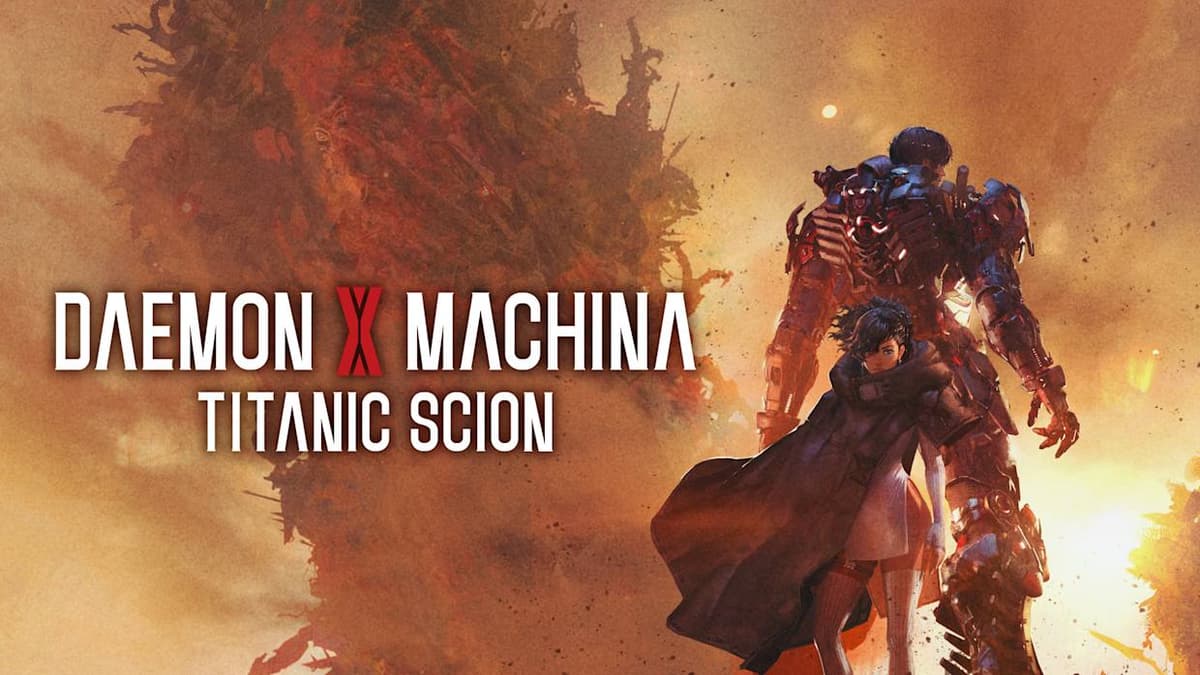
Daemon X Machina: Titanic Scion caught my attention because it dares to swerve away from the classic mission hub formula and go full open-world with co-op at the center. For a series known for high-mobility anime mecha mayhem-faster and flashier than Armored Core 6’s heavier, more technical dance-that’s a big swing aimed squarely at bringing more players into the cockpit.
Producer Kenichiro Tsukuda, who also produced Armored Core 2 and 3 back in the day, says the goal is simple: broaden the appeal. Making the story playable online, folding in co-op from the jump, and giving people reasons to explore together is the pitch. The real question for players: does an open world amplify DXM’s speed and style, or sand it down into another live-service treadmill?
Key Takeaways
- Open-world structure with co-op focus and online story play-clearly designed to bring in new players.
- Free crossplay-enabled demo includes character creator, first nine chapters, and save transfer to launch.
- Random-dungeon co-op with ID-tied maps and rare loot; solo Colosseum pits you against AI clones of players.
- PvP is planned post-launch—good for onboarding, but competitive fans will need to wait.
Breaking down the announcement
Titanic Scion releases Friday, September 5, at $69.99 / £59.99. The free demo is live now on Steam with crossplay support, and crucially, your demo progress carries over. That’s smart—people can kick the tires on the feel (which matters a ton for mecha), customize a pilot, and blaze through nine chapters without fearing a restart on launch day.
Core loop-wise, Tsukuda describes a co-op framework built around “random dungeons.” You find maps linked to your in-game ID, invite friends, and chase rare loot. In the open world, there’s cooperative exploration and missions; inside quests, there’s a splash of competitiveness like racing. PvP isn’t there yet; instead, a solo Colosseum lets you fight against CPU-controlled clones of other players’ builds, with direct PvP arriving later as an update.
Why this pivot matters now
Mecha is having a proper moment again. Armored Core 6 reminded everyone that massive robots can be both demanding and wildly stylish, and MechWarrior keeps the stompy sim crowd happy. Daemon X Machina sits in a different lane—airborne speed, neon spectacle, and snappy customization. Taking that DNA open-world could be the move that finally gives it staying power beyond a cult following. If it clicks, you can imagine a Monster Hunter-adjacent loop: drop in, tag a dungeon with friends, grab materials, and roll out with a sharper build.
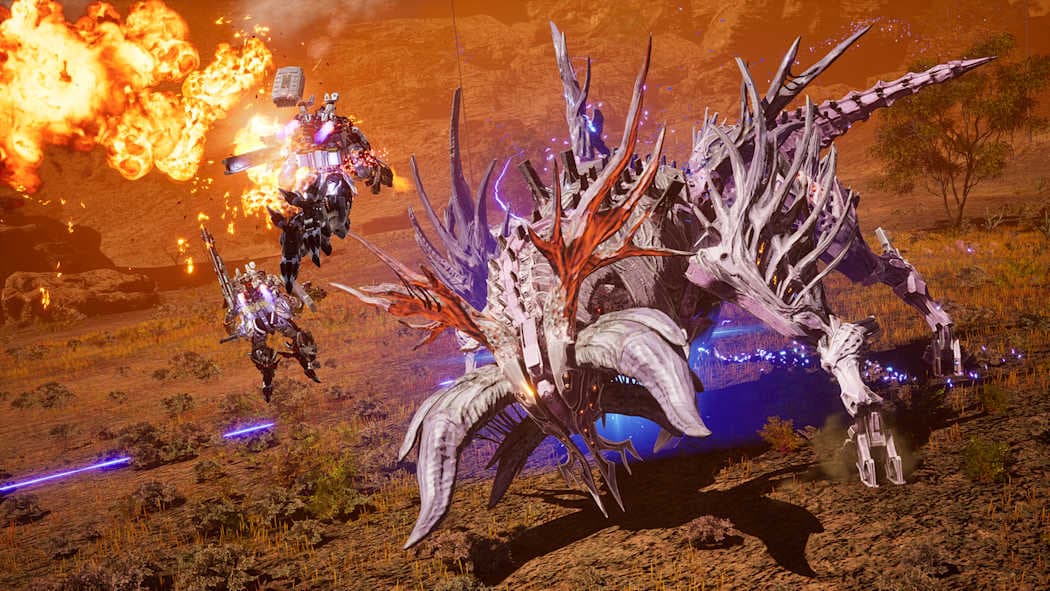
There’s risk, though. Open worlds can dilute pacing, especially when your mechs can fly “anywhere, everywhere,” as Tsukuda notes. DXM’s greatest strength is momentum—the feeling of chaining boosts, aerial slashes, and missile volleys without friction. If traversal gets nerfed by invisible walls, stamina gates, or canned set pieces just to keep the world from breaking, that’s a red flag. Tsukuda says the team had to make adjustments after playtesters reached places they “were not supposed to go.” Fair enough—just don’t cage the bird.
The gamer’s perspective: hype vs. homework
On the plus side, the demo strategy is perfect for a game that lives or dies on feel. If the movement sings and the combat commits to that high-AGI fantasy, the co-op angle could flourish. I like the idea of ID-tied dungeon maps; it gives you a reason to hop into someone else’s run and creates natural social hooks. The Colosseum using AI clones is a clever interim step—it lets solo players stress-test builds without the salt mine of early PvP metas.
On the cautious side, “random dungeons” can mean anything from punchy Warframe-style romps to dreary loot corridors. Will there be interesting modifiers, unique boss mechanics, or meaningful buildcraft tied to drops, or just stat bumps? And with PvP coming later, how will balance evolve? If the post-launch plan is to flip a switch and send us into direct duels, progression needs guardrails or we’ll see day-one cheese dominate.
Price-wise, $70 puts Titanic Scion in the big leagues, and that sets expectations. Content density, enemy variety, and customization depth need to hit. The first game, especially on Switch, was a gateway mecha for a lot of players. If this sequel can keep that welcoming vibe while layering a smarter endgame loop, it could carve out a real space between AC6’s precision and live-service fatigue.
Looking ahead
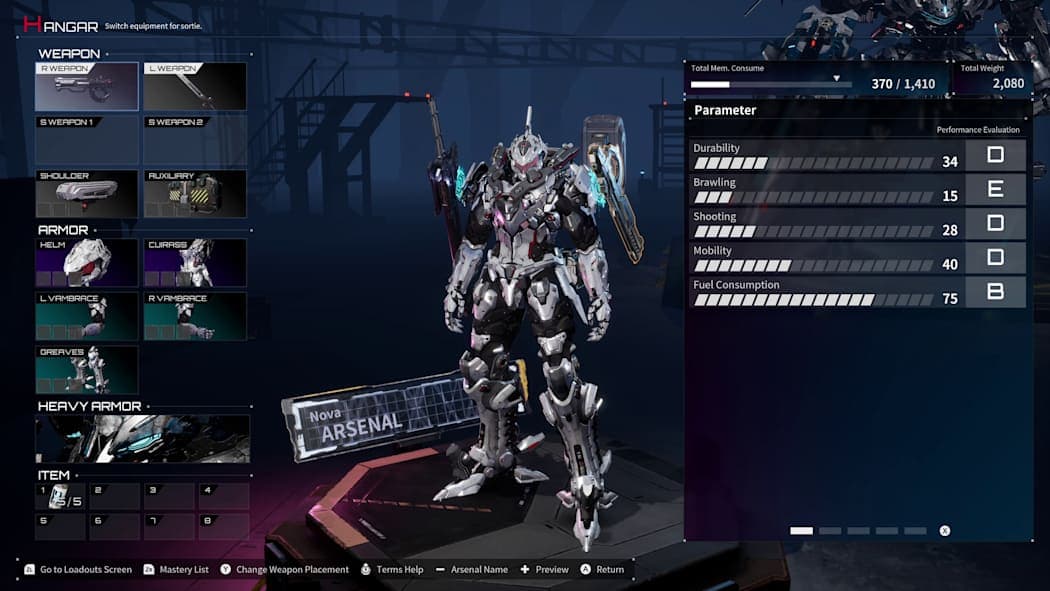
Tsukuda talks like a lifer—someone who wants to “spread amazing, Japan-made mech and robot games to the world.” That shows in the sequel’s design priorities. Make it co-op, make it social, and put a big-mech toybox in a world worth flying through. If the studio resists the urge to over-design the open world and keeps the combat as frictionless as the first game’s best moments, Titanic Scion could be the mecha comfort food we team up for between heavier sims and sweaty PvP.
TL;DR
Titanic Scion goes open-world with co-op, a chunky crossplay demo, and PvP coming later. If the movement stays fast and the random dungeons deliver more than filler, this could be the approachable, social mecha game that finally sticks. Try the demo—your save carries over, so nothing to lose.
FinalBoss // Gear
Level up your setup
01Top-rated gaming headsetson Amazon→02High-refresh gaming monitorson Amazon→03Gaming chairson Amazon→04Discounted game keyson Kinguin→Affiliate links · As an Amazon Associate, FinalBoss earns from qualifying purchases.