
Titanic Scion Review: The Mecha Sequel That Soars
Game intel
Daemon X Machina: Titanic Scion
From Marvelous First Studio comes an action-packed new entry in the Daemon X Machina series. Fly into battle in your customized Arsenal, unleashing a variety o…
Introduction
I’ll be honest: when I first stepped into Daemon X Machina’s cockpit on the Nintendo Switch, I was thrilled by its promise but left wanting. Fun as it was, the original game’s tight corridors and occasional technical hiccups meant you never truly felt free. That’s why Titanic Scion, the sequel from Marvelous, has me buzzing. After logging over a dozen hours on PC, I can safely say this is the evolution the series needed—one that truly reshapes its own formula instead of just slapping on fresh paint.
- Expansive open-world zones with zero loading screens
- Faster, more precise combat where melee finally shines
- Deep mech and pilot customization through part builds and gene fusion
- Robust PC port featuring uncapped framerates, DLSS, and full graphics control
A Real Evolution for Mecha Fans
If you remember decked-out Gundams and armada-sized boss fights but felt hemmed in by corridor missions, Titanic Scion changes the game. Director Kenichiro Tsukuda and legendary designer Shoji Kawamori reunite to deliver sprawling zones packed with dynamic events and multi-mission runs. Released on September 5, 2025, across Nintendo Switch 2, PlayStation 5, Xbox Series X|S, and PC, this sequel trades linear paths for flying patrols in floating cities, dive-into-ravine skirmishes, and midair brawls against rogue Arsenals—all without a single loading screen.
Vast Open-World Freedom
“Open world” is a buzzword that’s lost some punch, but Titanic Scion earns it. You chart your own course: scout remote wreckage, ambush mobile convoys, or rescue stranded allies on sheer cliff faces. Enemies roam freely too. A squad of ENCE behemoths might ambush your drop pod, or an Outer pilot could barrel-roll into your flank. These spontaneous encounters give the world a living pulse—every mission feels like an emergent adventure with real stakes.
The world map overlays let you flag points of interest—rare materials nodes, high-level roving bosses, or casual race events—so you can plan a route that suits your playstyle. I once stumbled into a guardian Arena fight against twin Arsenals, and what was meant to be a quick reconnaissance turned into a pitched three-minute firefight as rival mercs swooped in for salvage rights.
Revved-Up Combat and Tactics
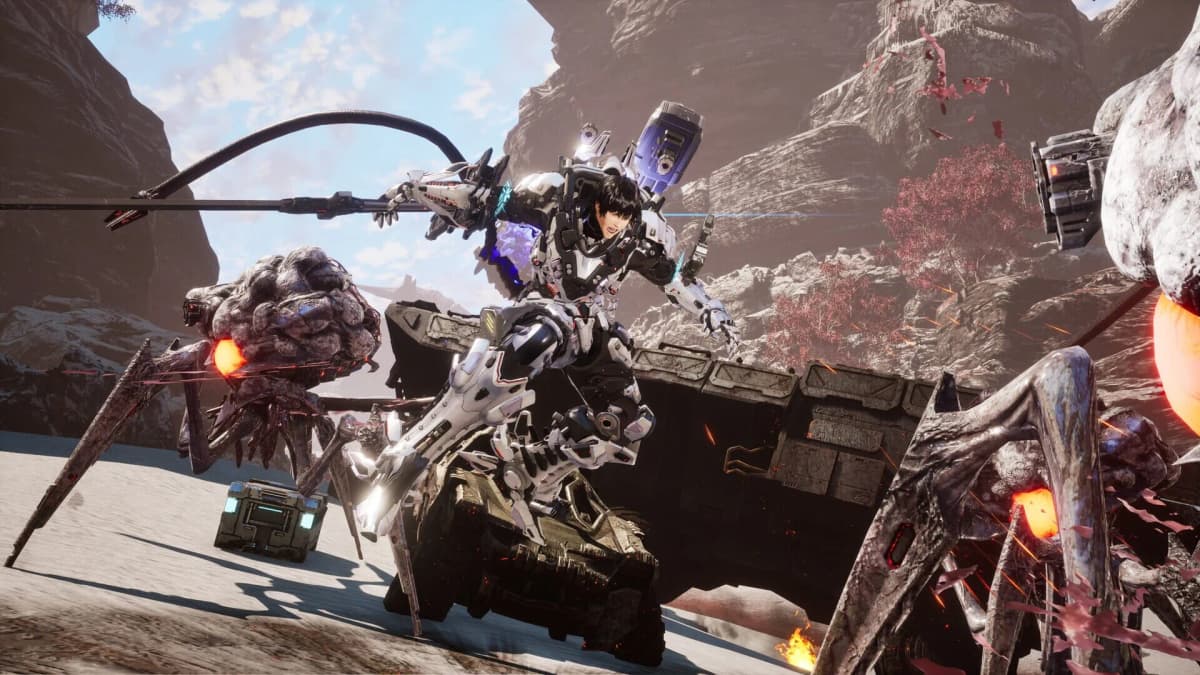
One of the biggest surprises is how smaller exosuit-scale Arsenals sharpen the action. At first the change felt odd—aren’t towering robots the point?—but tighter hitboxes and snappier evasions make dogfights and sword clashes feel electrifying. Ranged play remains robust: beam rifles, rocket pods, rapid-fire machine guns—they all pack a satisfying punch. Yet melee now truly competes. Equip a heavy greatsword for earth-shaking smashes or dual blades for lightning slashes. Grabs let you seize smaller foes and fling them skyward. Special moves like Overdrive Blade or Burst Shot deliver cinematic flourishes when you time them right.
The new Heavy Armor system adds a strategic twist. Fill a gauge by dealing damage, then call down a hulking fortress frame. You trade speed for raw resilience, becoming a walking bunker. Deciding when to trigger Heavy Armor—knowing you’ll lose agility but gain near-impenetrable shields—turns each skirmish into a chess match of power versus pace. My favorite moment: baiting a pack of speed-focused Arsenals, then triggering Heavy Armor mid-dive, absorbing their onslaught, and ringing in a counterblast that cleared the sky.
Deep Customization: From Parts to Genes
Customization was always the original’s strong suit, and Titanic Scion amps it up. Every Archivist part—arms, legs, torso, head—carries its own stats and set bonuses. Want tanky durability? Slap on reinforced plating and heavy generators. Need blistering speed? Fit thruster-boosted limbs and lightweight armor. Your weapons unlock mastery perks as you rack up kills, encouraging you to experiment rather than lean on a single favorite tool.
But the star of the show is gene fusion. Enemies drop color-coded gene modules—red for attack, blue for defense or mobility, green for support skills. At base, you fuse these modules to invent new abilities, like an overdrive dash or a shield burst, or you infuse them into your Outer pilot to tweak core stats. That rare purple gene? It might grant your avatar a zero-gravity flip to dodge incoming missiles. Hunting for elusive modules sparks a Monster Hunter–style grind loop that’s strangely addictive: you’ll replay missions not just for credits, but for that one gene that perfects your loadout.
Multiplayer Mayhem: Co-op and Arena
Titanic Scion’s online suite feels built from the ground up for teamwork. Up to four players drop into co-op Sector missions that scale their threats. Team balance is key: one player bombs fortresses with heavy artillery, another excels at aerial melee grabs, and a support pilot buffs allies or heals using specialized gene skills. I tested a fortress raid against a jumbo Arsenal—coordinated Overdrive strikes, synchronized melee combos, and dual Heavy Armor calls turned a daunting siege into a ballet of destruction.
Solo competitors get their fix in Arena mode, which pits you against relentless waves of AI Arsenals and merc squads. High-score leaderboards and cosmetic unlocks mean you’ll chase perfection—and bragging rights—far beyond the campaign’s end. While cross-play isn’t announced, matchmaking is swift on all platforms.
Sound & Visual Spectacle
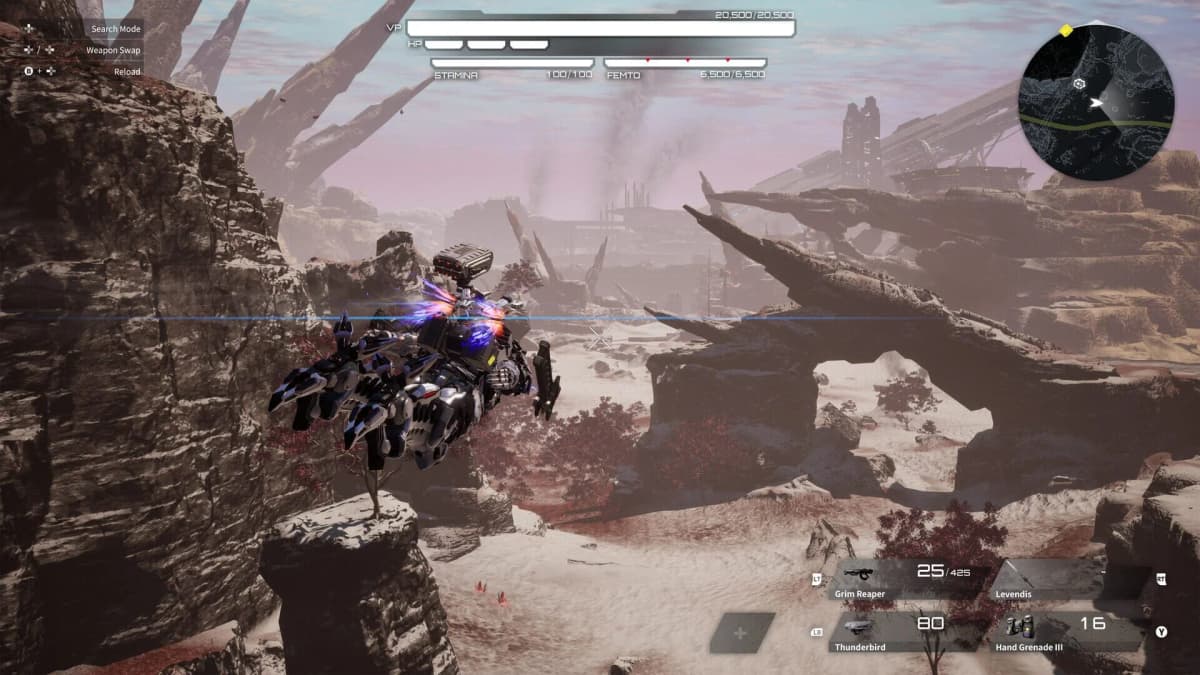
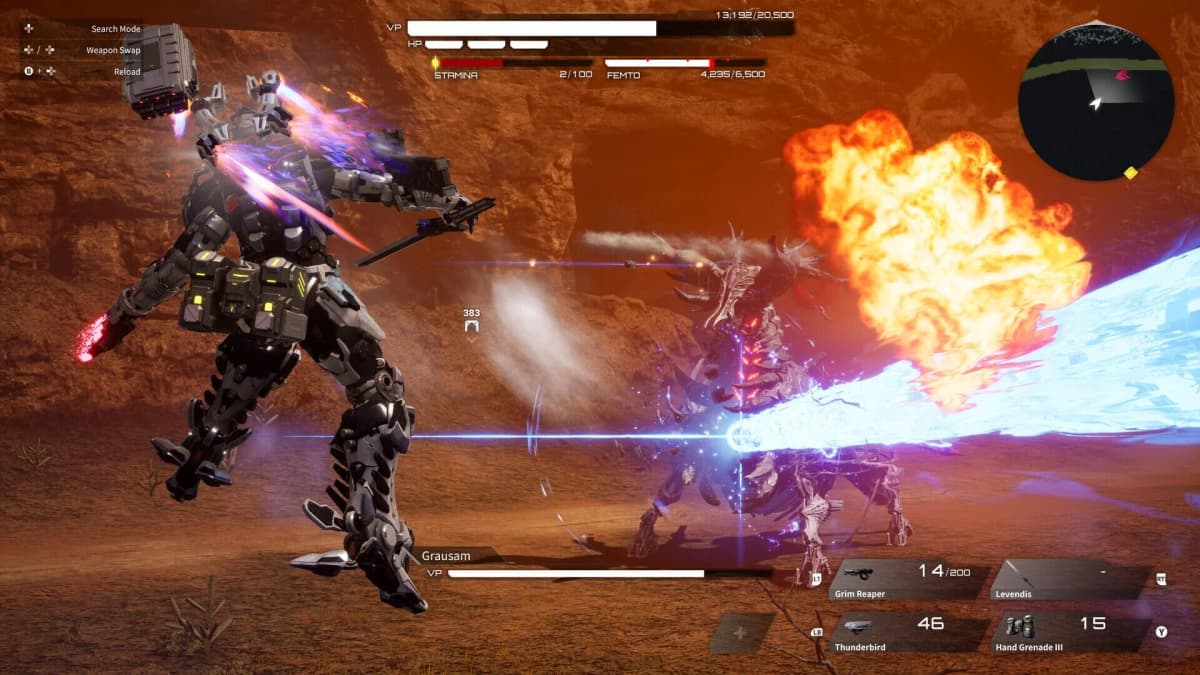
Visually, Titanic Scion is a feast. Lush biomes, neon-lit cityscapes, and barren canyons all feel distinct and alive. Textures remain crisp even at high speeds, and particle effects—smoke trails, energy flares, explosive debris—add depth to every firefight. The HUD is clean, fully scalable, and even lets you customize crosshair color and opacity for maximum clarity in hectic skirmishes.
On the audio side, the game delivers. A dynamic soundtrack ramps up during boss battles, swapping between pounding drums and soaring synths. Mech servos whir, boosters roar, and each impact lands with satisfying thud. Voice work leans into classic shōnen energy: heroes shout catchphrases mid-dive, villains monologue with gusto, and support characters crack wise over comms. It’s not Oscar-worthy, but it nails the genre’s bombastic charm.
Want to Level Up Your Gaming?
Get access to exclusive strategies, hidden tips, and pro-level insights that we don't share publicly.
Ultimate Gaming Strategy Guide + Weekly Pro Tips
PC Port and Performance
As someone long wary of PC conversions, I was thrilled by Titanic Scion’s polish. Uncapped framerates, native 4K and 1440p support, plus DLSS and FSR upscaling options let you dial visuals to your liking. A comprehensive graphics menu controls shadows, textures, particles, and post-processing. Keyboard and mouse mapping feels intuitive, with rock-solid controller support as a fallback.
On my mid-range rig, I locked 60 fps at 1440p on high settings and exceeded 120 fps at lower presets. That fluidity turns every aerial dive, dash-slash, and Overdrive sequence into a silky spectacle—a genuinely next-gen PC experience, not a perfunctory port. Quick-load times and near-instant area transitions reinforce the sense of seamless immersion.
Accessibility & Difficulty Options
Titanic Scion offers a surprising range of difficulty modes and assist features. If you just want flashy mecha antics, “Recruit” mode tones down enemy aggression and grants steady healing over time. “Veteran” and “Expert” cranks up AI coordination and damage output, rewarding those who master evasion and weapon combos. For players who need a hand, adjustable aim assist, subtitle scaling, and colorblind palettes ensure no one misses out on the action.
Story Shots: Classic Shōnen Thrills
If you’re after Weighty Moral Dilemmas™, Titanic Scion isn’t breaking new narrative ground. It embraces post-apocalyptic shōnen tropes—Earth scarred by corporate wars, underdog pilots fighting grand ambitions, and villains who love a melodramatic monologue. Mission cutscenes and side quests deliver clear stakes and charismatic NPCs, keeping the tone punchy and engaging. Newcomers will appreciate the straightforward motivations, and series veterans will nod along to the archetypes they know and love.
Minor Hiccups & Future Potential
No game is perfect. Some remote biomes feel under-populated, with empty valleys that lack the random skirmishes found near major hubs. Enemy designs diversify early on but lean on familiar templates after several dozen hours. And while gene fusion is a thrill, chasing the rarest modules can tip into grind fatigue if you’re gunning for that final stat bump.
Still, the core loop—explore, engage, loot, evolve—remains compelling well past the credits. If Marvelous continues to update this world with fresh content, seasonal events, or DLC expansions, Titanic Scion’s momentum could carry it even further. The foundations are rock-solid, and there’s plenty of room for the community to demand new mech parts, story arcs, or challenge arenas.
Conclusion
Daemon X Machina: Titanic Scion isn’t a total revolution, but it’s the meaningful evolution the franchise needed. By opening its world, accelerating combat, and deepening customization—both mechanical and biological—Marvelous has crafted a sequel that respects the original spirit while daring to grow. Strap into your mech on September 5, 2025: this might be the giant-robot romp mecha fans have been waiting for.
TL;DR
Titanic Scion nails its open-world freedom, high-octane combat, deep customization, robust multiplayer, standout audio/visuals, and a polished PC port. Evolution over revolution—exactly what fans ordered.