
Dark Deity 2 Hits Switch Sept 4 — Here’s What Console Tactics Fans Should Actually Expect
Game intel
Dark Deity 2
Verroa is a peaceful continent on the brink of war as the Asverellian Empire seeks to expand - at your homeland’s expense. Command unlikely heroes, fight chall…
The Real Story Behind Dark Deity 2’s Switch Launch
Dark Deity 2 coming to Nintendo Switch on September 4 caught my attention for a simple reason: the first Dark Deity was a love letter to Fire Emblem-style tactics with some bold ideas that didn’t always stick the landing. Seeing Sword & Axe bring the sequel-already sitting at “Very Positive” on Steam-to Switch is exciting, but the real question isn’t when it arrives. It’s whether this console version nails performance, readability, and controls while delivering on the sequel’s promise of more refined combat and deeper customization.
Key Takeaways
- Launches on Switch September 4, 2025; pre-orders are live on the eShop.
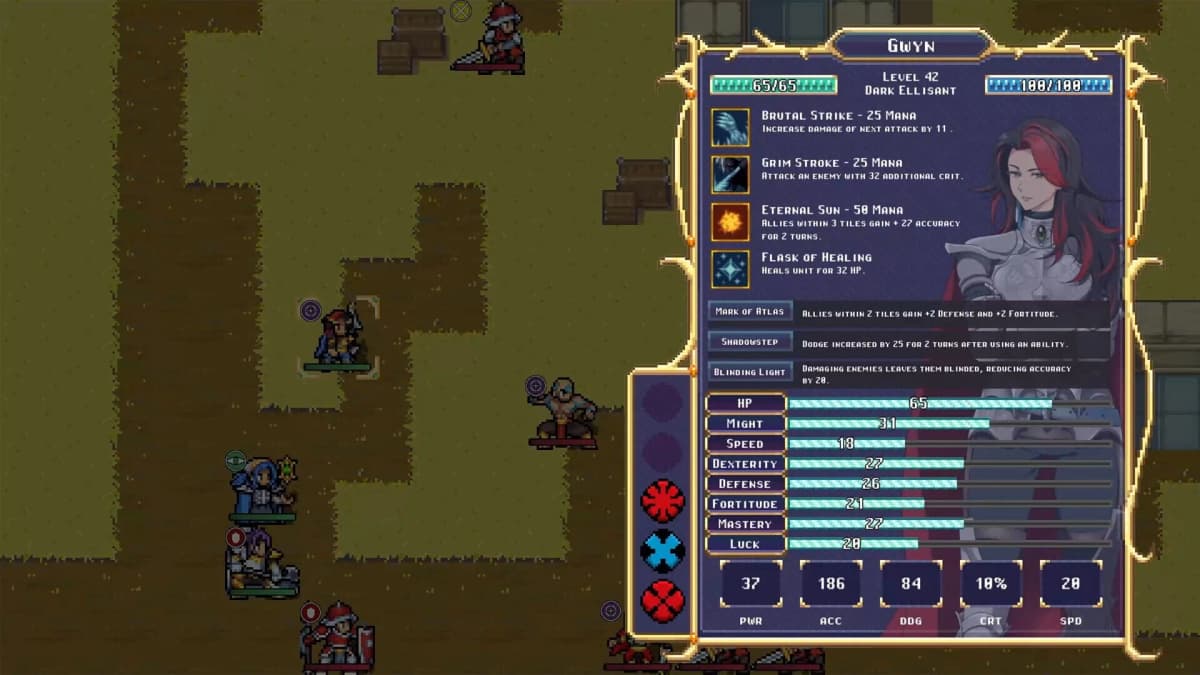
- 30 chapters, voice-acted story moments, and a focus on political intrigue led by new protagonists Gwyn and Riordian.
- 20 playable characters, 45 branching classes, and a synergy-based ability system aimed at fresh tactical builds.
- PC version reviewed well; the Switch port’s UI clarity, performance, and controller feel will decide if it’s truly a win on console.
Breaking Down the Announcement
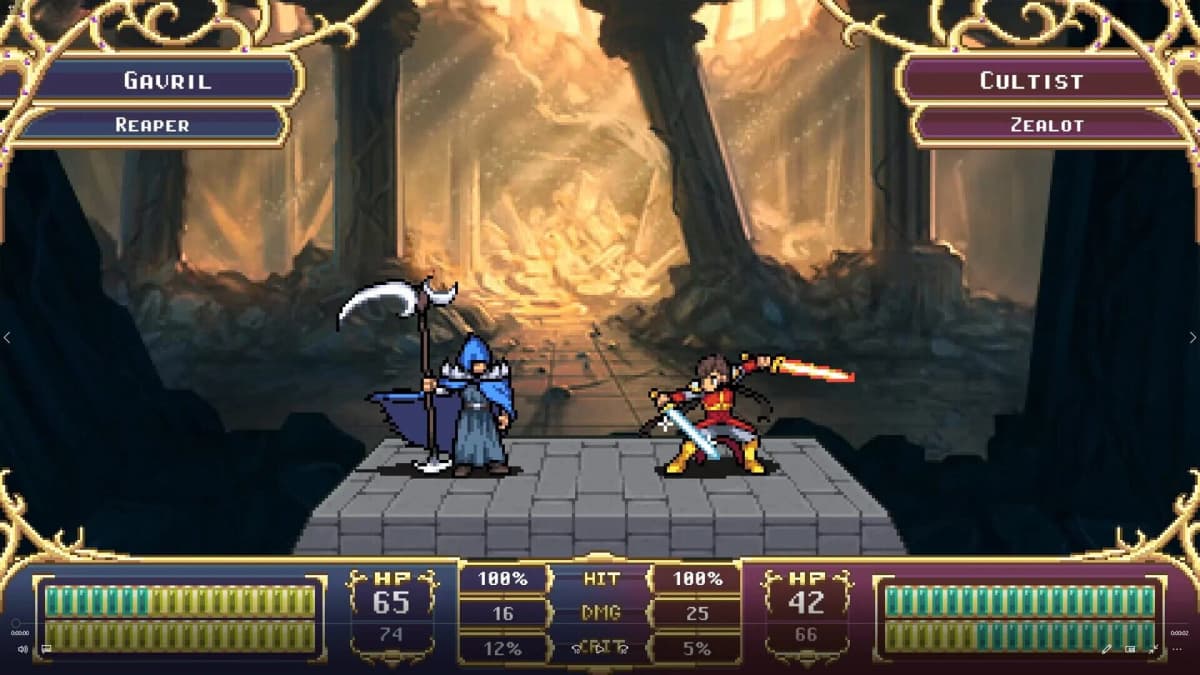
The pitch is straightforward: everything players liked on PC-rich pixel art, expansive class trees, a flexible campaign “customization suite”—is preserved on Switch. There’s a 30-chapter campaign with voice-acted scenes, including Allegra Clark (Apex Legends, Jujutsu Kaisen) as Queen Rashida, which suggests more dramatic punch than the first game’s often uneven delivery. The headline numbers are strong for theorycrafters: 20 units and 45 branching classes, plus a reimagined, synergy-driven ability system designed to make team composition and cross-unit combos matter more across runs.
That last piece is key. Dark Deity’s original class web was ambitious but could be solved by a handful of overtuned builds; certain proc-stacking kits could trivialize maps once they came online. If Dark Deity 2’s synergies reward variety—think Triangle Strategy’s interplay mixed with Fire Emblem’s class flavor—it could elevate the whole experience rather than just handing you a “best-in-slot” answer by midgame.
The Switch-Specific Questions
Tactics games live or die on readability and pace on Switch. The press line that the console version “preserves everything” from PC is good; what we need are specifics on handheld text size, grid contrast, and tooltip navigation. If you’ve played any SRPG on Switch in handheld, you know UI scaling can turn clever builds into squinting contests. Controller mapping also matters—snappy cursor acceleration, quick unit cycling, and reliable undo inputs separate comfortable ports from clunky ones.
Performance is the other piece. Even sprite-based tactics can stumble with long enemy phases, effect-heavy skills, or bloated AI turns. The first Dark Deity picked up speed and polish through patches; hopefully those optimizations are baseline here. I’ll be watching for animation speed toggles, option-rich battle flow (skip/auto-advance), and acceptable load times between story beats and maps. None of those are sexy marketing bullet points, but they define whether you actually finish a 30-chapter campaign on a portable.
Sequel Promises vs. First Game Lessons
Credit where it’s due: Sword & Axe listened after Dark Deity 1. The original famously replaced permadeath with “Grave Wounds”—persistent penalties when a unit fell—which split the community but made experimentation less punishing. It also had some swingy balance and map design that leaned on blob fights. The sequel’s pitch—“refined combat,” “enhanced customization,” “reimagined synergies”—reads like a targeted response to those critiques. If abilities are tuned to encourage role diversity (frontliners enabling backline combos, support chains that aren’t just raw stat pumps), that’s a genuine upgrade.
Story-wise, moving to descendants of the original protagonist and an “Eternal Delegation” caught in the gears of empire is a smart way to reset stakes without demanding a wiki dive. The addition of seasoned voice talent suggests a more confident narrative delivery. I’m hopeful for fewer lore dumps and more character-driven politics—something Fire Emblem Engage dodged in favor of flashier gameplay, while Triangle Strategy embraced to great effect.
Where It Fits in the Tactics Landscape
Switch is stacked with strategy heavy-hitters—Fire Emblem, Triangle Strategy, Tactics Ogre Reborn, Wargroove 2, Unicorn Overlord—so Dark Deity 2 needs an identity beyond “retro SRPG vibes.” Its edge is buildcraft. Forty-five classes and synergy-led abilities promise a sandbox for players who love rerolling metas and seeing how a different branch snowballs across chapters. The risk is bloat. If every unit has three subtrees and six passives that barely matter, the noise drowns the signal. The PC reception implies they’ve found the fun, but console-friendly curation (clear tooltips, quick comparisons, meaningful choices) is what will make it stick on Switch.
What Gamers Need to Know Before Pre-Ordering
Pre-orders are open now; the game lands September 4. Pricing wasn’t included in the announcement, and that matters—this is a long, replayable tactics game, but it’s competing in a crowded field. If you played on PC and loved it, a handheld tactics fix is an easy sell. If you’re new, I’d wait for Switch-specific impressions focused on UI scaling, performance, and how the controller mapping feels over a full chapter (early maps are often forgiving; midgame exposes friction).
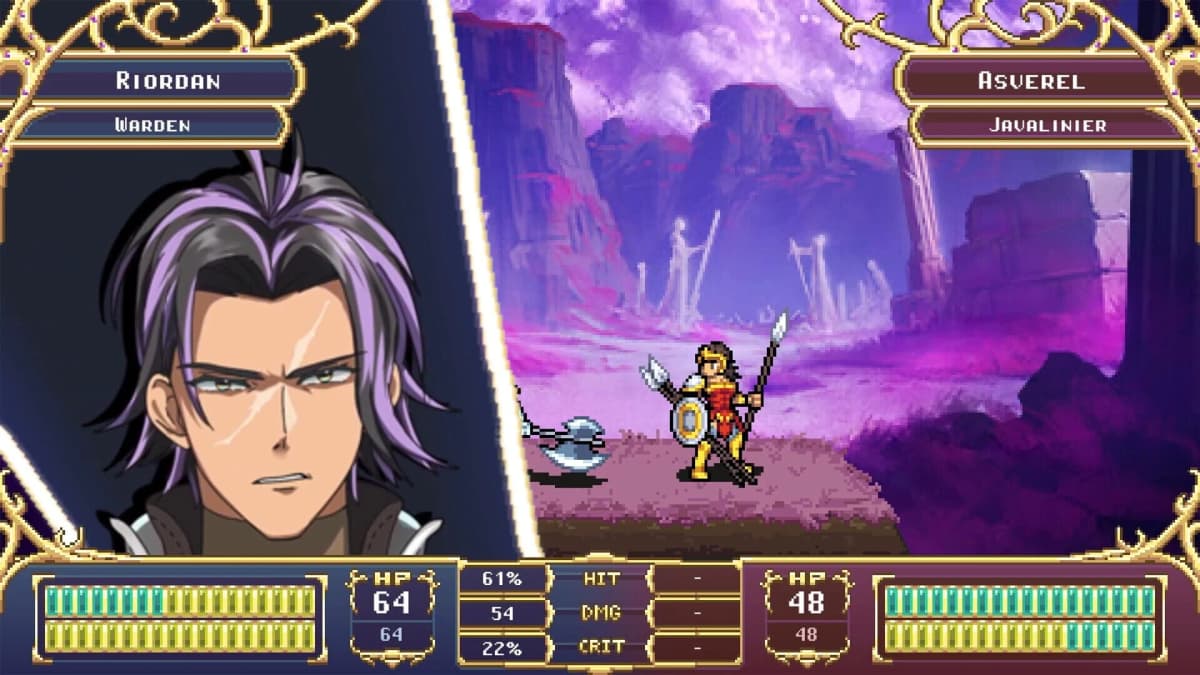
One more ask for the devs: confirm whether the sequel keeps the Grave Wounds approach, adds a classic permadeath mode, or lets us toggle. SRPG players are picky about stakes; giving both camps options would be a win.
TL;DR
Dark Deity 2 bringing its class-crafting playground to Switch on September 4 is great news—if the port nails readability, speed, and controls. The sequel’s synergy-first design could finally deliver the flexible, replayable tactics experience the first game promised. Keep an eye on Switch-specific reviews before you lock in that pre-order.