
A batch of unused lines tucked inside God of War Ragnarök’s files has made the franchise’s rumored move to Ancient Egypt feel less like fan wishful thinking and more like a saved breadcrumb trail. Dataminers report a deleted cutscene featuring Atreus, Athena, a catlike companion called “Mau,” and a robed figure warning about a “white snake” – explicit language that links to Mau (an Egyptian word for cat and a form of Ra) and to Apophis, the serpent of Egyptian myth. The leaks don’t prove a full Egyptian game is in active development, but they raise the odds in a way previous hints never quite did.
Table of Contents (7)
Key takeaways
- Datamined dialogue from Ragnarök includes Egyptian-specific names and imagery (Mau, Ra, “white snake”) that push the Egypt sequel theory from rumor toward likelihood (reported on GamesRadar+ and Steam News).
- The material appears to be an unused cutscene with Atreus, Athena and a robed figure – suggesting narrative threads for future stories were drafted during Ragnarök’s production (Steam News reporting).
- Sources caution the files are unverified and cut content isn’t the same as a greenlit sequel – but this matches how Santa Monica seeded Norse clues inside 2018’s assets.
- Watch for concrete signals — developer comments, job listings, or a new trailer — before treating this as confirmation.
Why this actually matters
The God of War franchise has a pattern: major tonal and pantheon shifts have been foreshadowed in surviving assets long before public announcements. The 2018 reboot itself contained hidden seeds that eventually paid off in Ragnarök. That historical pattern is why dataminers and fans treat leftover lines as more than trivia. Here, the references are not vague — “Mau” is both a common Egyptological term and a canonical form of Ra, and “white snake” is a thinly veiled nod to Apophis. Those aren’t throwaway mythic nouns you accidentally type into a file; they’re targeted, culturally specific markers.
What’s actually in the files — and how careful to be
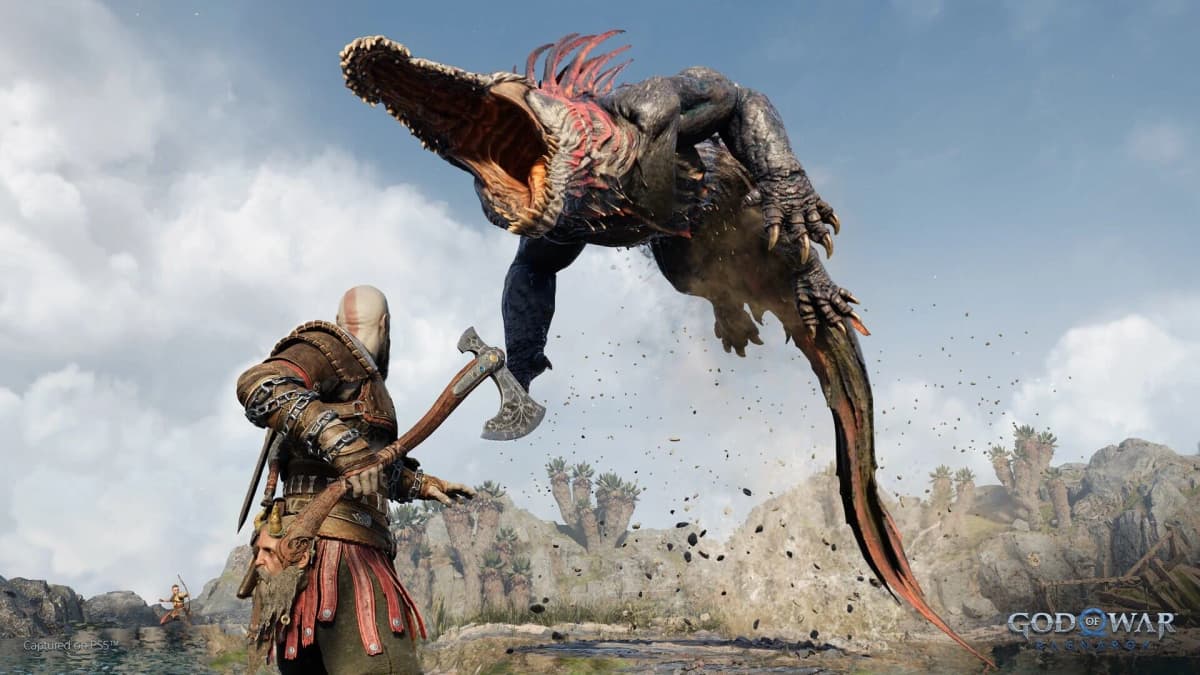
Across the datamine reports, the discovered material centers on a short, unused scene. Atreus is present with a small companion that only ever says “mau,” Athena shows up, and a cloaked figure warns “the white snake will eat you” (GamesRadar+ summarizes the translation). Steam News outlets that covered the same datamine emphasize this was cut content — not part of the shipped narrative — and arrived in players’ view alongside other community activity around the release of Sons of Sparta. The most important caveat: these files are unverified by Santa Monica or PlayStation. Datamines can be messy: placeholders, prototype ideas, and abandoned jokes all live in the same dump. Still, the cultural specificity here cuts against the “random placeholder” defense.
The uncomfortable observation the PR team hoped you’d miss
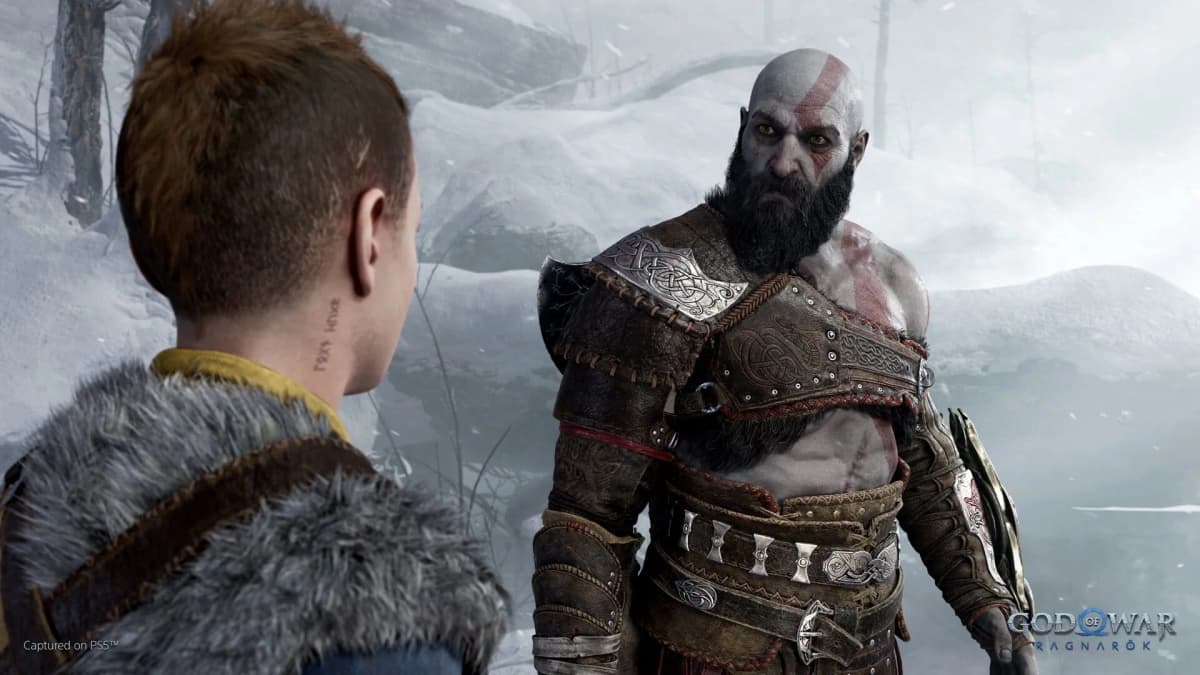
If this was intentional, it means Santa Monica planted a narrative breadcrumb trail inside Ragnarök to guide the franchise’s future without committing publicly. That is a smart studio move — it preserves surprise while keeping core writers’ options open — but it’s not neutral. Leaving traces inside a shipped game invites datamining communities to stitch a public narrative for you. Now the story beats and fan expectations are being formed on Reddit and Twitter, not in a controlled reveal. The PR team benefits from the buzz, but the studio loses a degree of narrative control.
The real question to ask Santa Monica
Was this cut because the team wanted to leave the next setting open, or because the sequence was unfinished and irrelevant to Ragnarök’s final shape? Either answer matters. If it was intentional, you’ve got a deliberate narrative pivot toward Egyptian myth. If it was unfinished, it’s still evidence the writers explored that path — and that exploration matters because it shows where their curiosity lies.
What to watch next (actionable signals)
- Official word from Sony Santa Monica. Any direct confirmation or denial will settle the rumor quickly — watch the studio’s Twitter/X and PlayStation channels.
- Job listings and LinkedIn posts. Ads seeking designers, narrative writers, or technical artists with “ancient Egyptian” or “mythology research” in the description are a strong signal.
- Credits and future projects. References to Egyptian assets, or names like “Mau” showing up in new releases (including DLC or remasters), matter.
- Major events. Trailers or teasers at PlayStation Showcase, State of Play, or Summer Game Fest will convert rumor into reality — or not.
Until one of those boxes is checked, treat the datamine as the strongest circumstantial evidence yet: not a confirmation, but far more than idle fan theory.
TL;DR
Datamined, unused dialogue from God of War Ragnarök explicitly invokes Egyptian names and imagery (Mau, Ra, a “white snake”), strengthening the claim that the franchise’s next major arc could be set in Ancient Egypt. The files appear to be a cut scene and are unverified by Santa Monica, so this is the best circumstantial evidence to date rather than proof. Watch for official studio confirmations, targeted job listings, or a trailer to move this from likely to confirmed.
FinalBoss // Gear
Level up your setup
01Top-rated gaming headsetson Amazon→02High-refresh gaming monitorson Amazon→03Gaming chairson Amazon→04Discounted game keyson Kinguin→Affiliate links · As an Amazon Associate, FinalBoss earns from qualifying purchases.
Want to Level Up Your Gaming?
Get access to exclusive strategies, hidden tips, and pro-level insights that we don't share publicly.
Ultimate Gaming Strategy Guide + Weekly Pro Tips