
Dead by Daylight’s latest GDC talking points made one thing brutally clear: Behaviour Interactive doesn’t see it as a multiplayer horror game anymore. It sees a horror platform – something that stretches from games to film, comics, spin-offs and whatever else it takes to chase a wildly ambitious target: a billion people touched by the brand.
Table of Contents (7)
Key takeaways
- Behaviour says Dead by Daylight has reached around 70 million players and wants the brand to eventually reach one billion people across media, according to GDC interviews.
- The studio is doubling down on cross‑media growth: a feature film, comics, board game, dating sim, and more spin‑offs are already in motion.
- Developers name‑checked Elden Ring as a “dream collaboration” and even floated interest in a soulslike‑style project set in the DBD universe.
- The real tension: can Behaviour keep the 10‑year‑old live service healthy while turning the license into a full‑blown franchise machine?
Dead by Daylight is now a horror universe, not just a game
For years, Dead by Daylight has been the weird little asymmetrical horror game that somehow outlived the competition. That phase is over. In recent interviews around GDC – including with IGN Brasil and GamesIndustry.biz – Behaviour talks about the game the way Capcom talks about Resident Evil: as a universe to be mined, expanded, and reshaped.
The numbers back up the confidence. Behaviour pegs DBD at roughly 70 million players to date, after close to a decade of updates. GamesIndustry.biz previously reported over 60 million copies sold. That’s not Fortnite scale, but for a niche‑y 4v1 horror game built on a shoestring in 2016, it’s absurdly successful.
Instead of a sequel, Behaviour has been blunt: there is no Dead by Daylight 2 plan. The message, repeated again around GDC, is that they’ll support the current game “as long as we can.” That means live‑service work: matchmaking rewrites, new maps, killers, survivors, reworks, and the endless balance headache that comes with it.
But around that core, the IP is already leaking into everything else. There’s a film in development, officially announced years ago but still crawling through the Hollywood process. There’s a comic series. A board game. Even the ridiculous – and surprisingly self‑aware – dating sim spin‑off, Hooked on You. And inside the game, it’s become a greatest‑hits museum of horror licensing: Silent Hill, Resident Evil, Alien, Nicolas Cage, you name it.
At GDC, Behaviour basically admitted that’s the strategy now: use the live game as the hub, and build an ecosystem of spin‑offs and crossovers that make sure nobody forgets the name Dead by Daylight.
GDC vision: cross‑media growth and the billion‑player fantasy
This fits neatly into a broader GDC theme: IP is king, and “games” are just one spoke in the wheel. Conference talks this year leaned hard on cross‑media growth – turning successful titles into films, TV, merchandise, and more to keep them alive as players age out and markets shift.
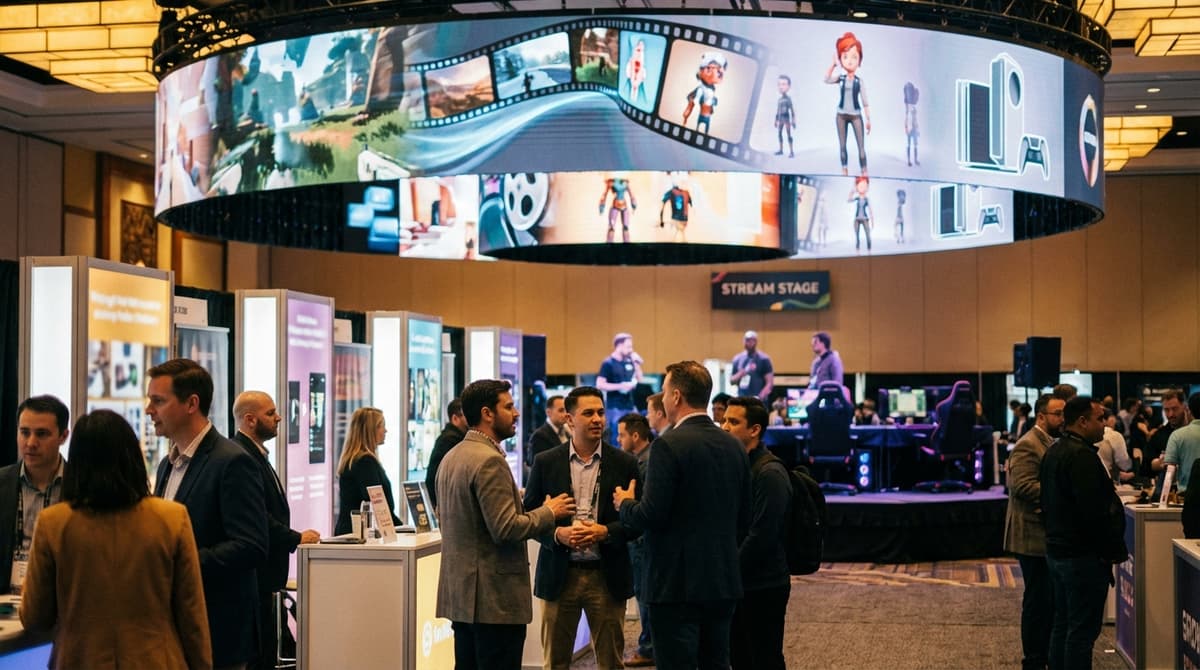
Behaviour is saying the quiet part out loud. In the IGN Brasil interview, developers talked about wanting Dead by Daylight’s universe to eventually reach one billion people. Not one billion active players in the client – one billion humans who bump into the brand somewhere, whether that’s a movie, a TikTok clip, a comic, or a spin‑off on another platform.
In a world where platforms like Overwolf boast tens of millions of monthly users across hundreds of games, those big “reachable audience” numbers are what investors and platform holders want to hear. DBD’s pitch is clear: this isn’t just a multiplayer title that might burn out in two years, it’s a long‑tail horror IP that can sit next to Resident Evil and The Conjuring on a slide deck.
The uncomfortable question is what that does to the game itself. Chasing a billion people usually means softening edges, smoothing onboarding, and making your systems friendlier to casuals and lapsed players. Behaviour has already invested in accessibility, matchmaking fixes, and quality‑of‑life changes. The GDC talk tracks suggest more of that – but every layer of accessibility nudges the game a bit further from the brutal, experimental oddity it started as.
Dream collabs: Elden Ring, soulslikes, and who’s really in charge
The quote that made headlines was pure bait: in that IGN Brasil chat, Behaviour devs said they’d love to see Elden Ring in Dead by Daylight’s world, and even floated the idea of a soulslike‑inspired project set in the DBD universe.
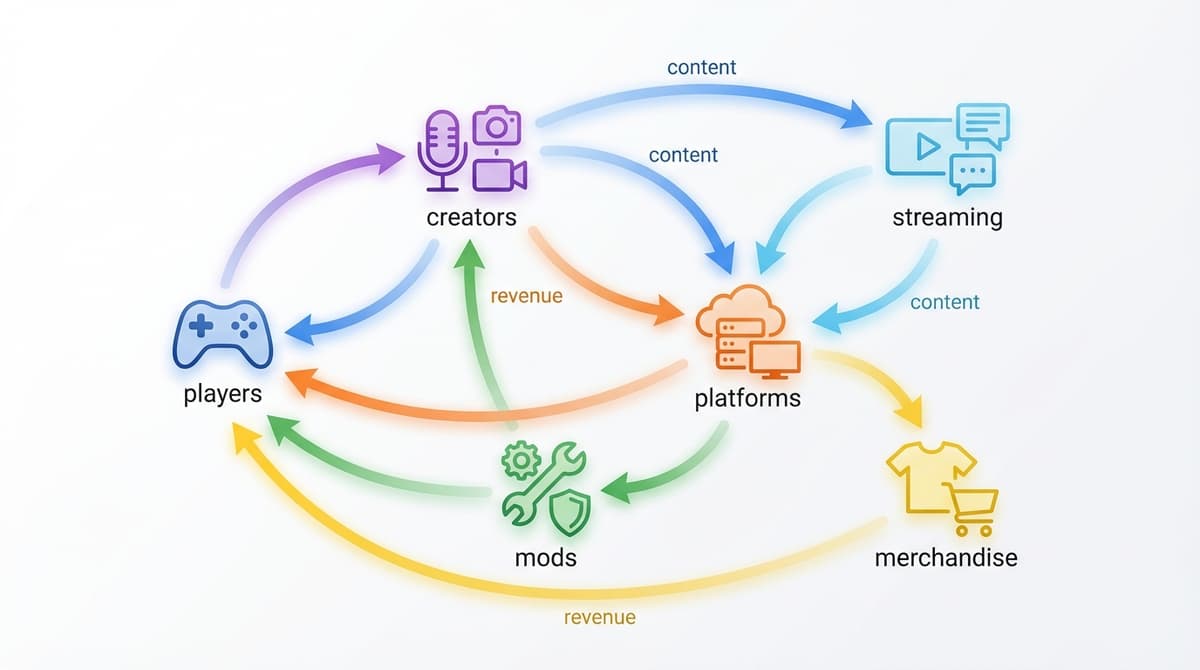
On one level, that’s just standard GDC flirting. Every dev has a “dream collab” answer ready, and Elden Ring is the safest possible name to drop in 2026. It signals taste, ambition, and a willingness to court hardcore players, without committing to anything remotely realistic. FromSoftware and Bandai Namco aren’t exactly handing out their license like Halloween candy.
But it does tell you where Behaviour’s head is. DBD started by licensing classic horror icons and cult slasher villains. Now the wishlist is stretching into prestige action‑RPG territory. That’s a subtle shift: from “we’re the place where horror fans see their favorites collide” to “we want to stand next to the biggest game IPs on earth.”
If they ever do land a collaboration at that level – Elden Ring or otherwise – it’ll be the clearest sign yet that the industry sees Dead by Daylight not as a quirky asymmetrical game, but as a genuine franchise peer. Until then, treat the name‑drops as what they are: signals of intent, not promises.
A soulslike spin‑off could be brilliant – or brand dilution
The more interesting part of the GDC chatter wasn’t “Elden Ring in DBD,” it was the idea of a soulslike‑inspired project in the same universe. That’s where Behaviour’s ambitions get real.
On paper, a DBD soulslike makes sense. The game already has lore, monstrous character designs, and a bleak, oppressive tone. Translating that into a third‑person action‑horror game – something closer to Bloodborne with Entity‑flavored seasoning – is way more plausible than wedging FromSoftware’s actual license into a 4v1 format.

It also plays directly into the GDC “big player numbers” logic. A well‑made action‑RPG spin‑off could capture a completely different audience and funnel them back into the main live‑service. That’s textbook franchise strategy: use different genres to net different kinds of players, then cross‑pollinate.
The risk is the same one Ubisoft ran into when it plastered Tom Clancy and Assassin’s Creed over everything: once every project is a brand extension, quality control becomes your real game. Behaviour already has a 500‑person team wrangling Dead by Daylight itself, according to earlier interviews. Throw a film, comics, a dating sim, a board game, and now a soulslike into the mix, and something is going to get less attention than it needs.
If I had one question for Behaviour’s PR team after GDC, it would be this: what’s the hard line you won’t cross in the name of growth? Because once you start talking about a billion people and Elden Ring‑tier collabs, “keep the existing game tight and fun” has to fight for space on the priority list.
What to watch next
- The Dead by Daylight film details: When casting, director, and distribution are finally locked in, we’ll know how serious Hollywood is about this IP.
- The next major in‑game collaboration: If Behaviour lands something outside classic horror – especially a big action‑RPG or mainstream fantasy name – that’s the franchise playbook in action.
- Any official soulslike project announcement: A separate DBD action‑RPG would confirm they’re building a multi‑genre universe, not just stacking DLC on a live‑service.
- Core game health metrics: Matchmaking changes, queue times, and new‑player experience updates over the next 12–18 months will show whether the live game is still priority one, or just the billboard for everything else.
TL;DR
At GDC, Behaviour painted Dead by Daylight as a full horror franchise, not just a 4v1 game, boasting 70 million players and ambitions to eventually reach a billion people across media. Cross‑media growth – film, comics, spin‑offs – and talk of “dream collaborations” like Elden Ring and a soulslike‑inspired project show how aggressively they want to scale the IP. The real test will be whether the decade‑old live‑service can stay sharp while the brand stretches in every direction at once.
FinalBoss // Gear
Level up your setup
01Top-rated gaming headsetson Amazon→02High-refresh gaming monitorson Amazon→03Gaming chairson Amazon→04Discounted game keyson Kinguin→Affiliate links · As an Amazon Associate, FinalBoss earns from qualifying purchases.
Want to Level Up Your Gaming?
Get access to exclusive strategies, hidden tips, and pro-level insights that we don't share publicly.
Ultimate Gaming Strategy Guide + Weekly Pro Tips