

Dead In Antares looks like Dead In like you’ve never played it — but can it keep the chaos fun?
Game intel
Dead In Antares
Dead in Antares is a turn-based survival management game with RPG elements, set on an alien planet. Lead a crew of survivors sent on a mission to save humanity…
One mission to save Earth becomes a fight to keep the crew alive – and that’s the point
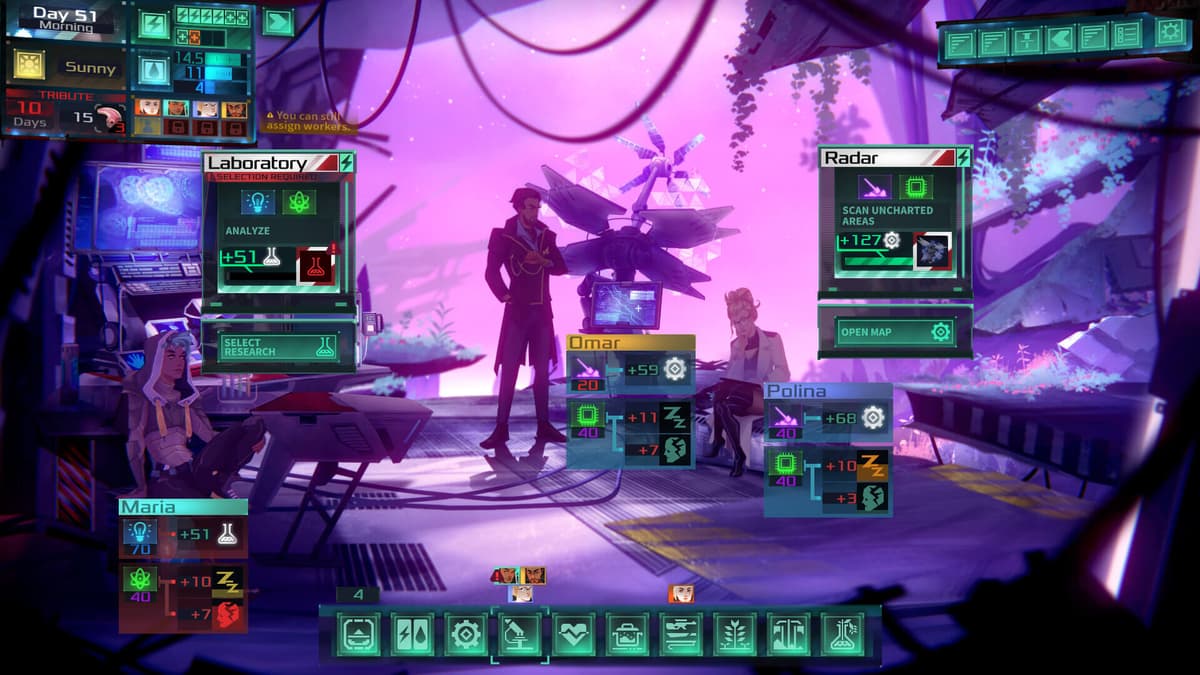
Dead In Antares isn’t trying to be a cinematic space opera; it wants to make you sweat over a ration schedule and agonize when the medic and the engineer disagree about priorities. That’s the headline: Ishtar Games’ next entry in the Dead In series drops ten specialists onto a hostile alien world, folds survival/resource management into tactical turn-based combat and leans hard on narrative choices with multiple endings. For players tired of shallow survival sims, that blend is promising – and the Steam release on 19 February 2026 (plus a playable demo now) is exactly the right moment to see whether Ishtar’s systems actually sing.
- Hard choices, not just harder enemies: resources, sleep, and mental health are as dangerous as enemy fire.
- Ten characters = real squad micromanagement: each specialist has skills, secrets and affinities that can change a campaign.
- Tactical combat meets survival meta: fights should matter because every wound and scrap affects long-term survival.
- Demo available – try before you wishlist: the persistent systems will reward hands-on testing more than trailers.
Breaking down what Dead In Antares actually is
Ishtar’s pitch calls Antares “the ultimate evolution” of the franchise, and if you know their work, that’s believable — but also a marketing-friendly stretch. Dead In Bermuda and Dead In Vinland built their reputation on merging survival mechanics with character drama; The Last Spell proved Ishtar can make systems feel punishing yet fair. Antares appears to push that farther by making survival systems deeply interconnected: food, water, exhaustion and crew morale all loop into decisions and combat outcomes. On paper, it sounds like Darkest Dungeon-level tension married to the logistical headaches of Frostpunk — which is exactly the balance that could either elevate the series or drown it in menus.
This caught my attention because Ishtar has a history of making players care about stats — and people. Their characters aren’t faceless modifiers; they come with secrets and affinities that the studio says will influence endings. That narrative weight, combined with a full RPG progression system (traits, levels, skills), means Antares could reward long-term campaigns and repeated playthroughs more than your average survival game.
Why this matters now
We’re in a moment where players crave handcrafted systems that produce emergent stories. The indie and AA scenes have shown that complex hybrids — survival + tactics + narrative — can build dedicated audiences. Ishtar is well-positioned: their player base trusts deeper mechanical games. The risk is scope. Big systems need polish, readable UI and thoughtful pacing; otherwise the game becomes a spreadsheet with bullets. The demo is the smart move here — it’s the quickest way for players and critics to judge whether complexity equals fun.

Want to Level Up Your Gaming?
Get access to exclusive strategies, hidden tips, and pro-level insights that we don't share publicly.
Ultimate Gaming Strategy Guide + Weekly Pro Tips
What gamers should expect — and ask about
- Expect difficult trade-offs: Antares promises choices that shape endings; don’t be surprised if you lose crew members to decisions you make to survive.
- Micromanagement will be real: Ten characters offer variety, but they also demand attention. Look for quality-of-life features in the demo.
- Combat balance is make-or-break: Turn-based fights should complement, not bog down, survival planning.
- Questions remain: Will the game use permadeath? How intrusive are RNG elements? How readable is the UI under pressure? The press materials gloss over these and even contradict the release year in one place — a sloppy detail that raises a bigger question: how polished will launch be?
Ishtar and publisher NACON are promising gorgeous hand-drawn visuals, multiple difficulty levels, and five endings — all good signs for replayability. But “the whole package” only matters if the systems are well-explained and the pacing lets you breathe between crises. The Dead In series has historically done a solid job of making you care about little people doing big things; Antares looks like the most ambitious attempt yet to span intimate drama and survival theatre in space.
TL;DR
Dead In Antares is promising: a survival-heavy, tactically-minded, narrative-driven follow-up from a studio that knows its niche. The demo is the real headline — try it to see if the complexity feels clever or just complicated. If Ishtar nails balance and UI, this could be one of next year’s most rewarding survival hybrids; if not, it’ll be another ambitious idea that trips over its own systems.