
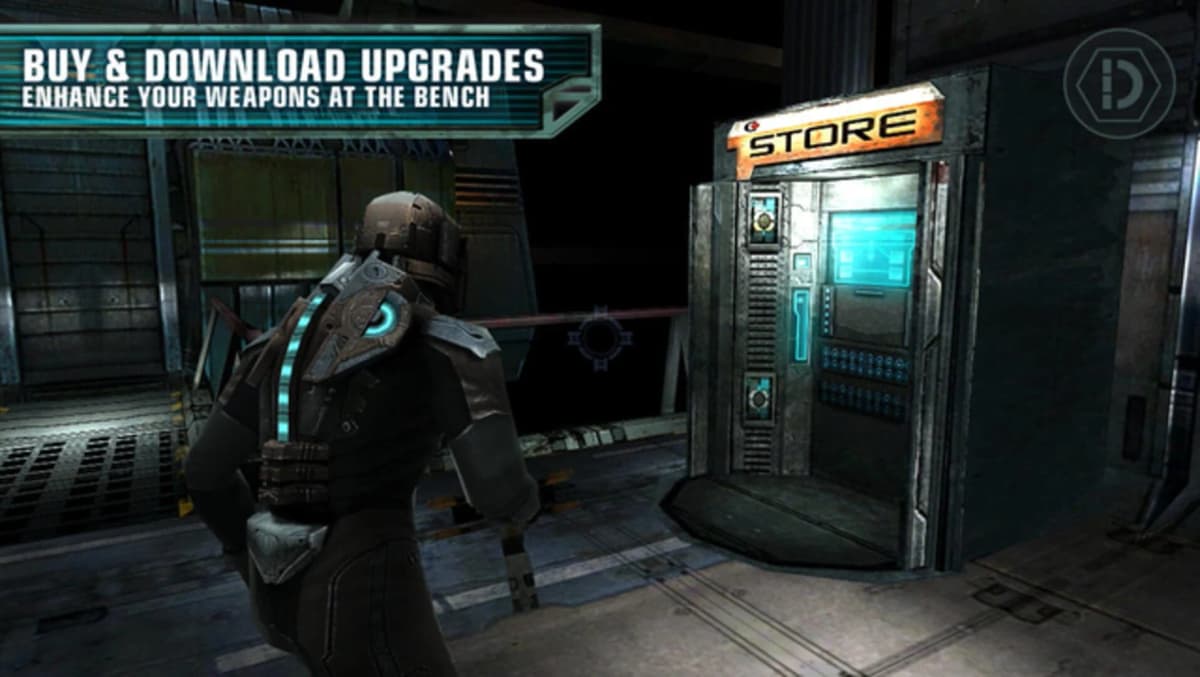
Dead Space makes a terrible test case for the idea that graphics do not matter. The whole point of survival horror is controlled dread: the sick feeling that a room is unsafe before anything has even moved, the split-second panic of spotting danger too late, and the creeping suspicion that the environment itself has turned against you. Presentation carries a huge share of that burden. Strip away visual atmosphere, readable animation, lighting, and environmental detail, and Dead Space loses a major part of its identity.
That is why Glen Schofield’s provocative graphics argument lands in such a complicated place for me. He is right to push back against the industry’s obsession with ever-larger productions, ever-heavier asset pipelines, and the fantasy that every game needs to chase the most expensive possible version of itself. He is right that a strong idea can be strangled by a runaway budget and a calendar built around impossible expectations. But the slogan-level version of “graphics do not matter” goes too far, especially coming from the creator of Dead Space.
Graphics matter. They matter enormously when a game’s promise is tension, cinematic horror, and a world that has to get under a player’s skin. The real argument should be about which visual priorities deserve the money, the time, and the risk. That distinction is where publishers keep getting it disastrously wrong.
Table of Contents (5)
Dead Space Needs Its Visuals to Do More Than Look Expensive
There is a lazy version of this debate where one side worships screenshots and the other pretends graphics are disposable decoration. Both positions miss what players are actually responding to when a game works.
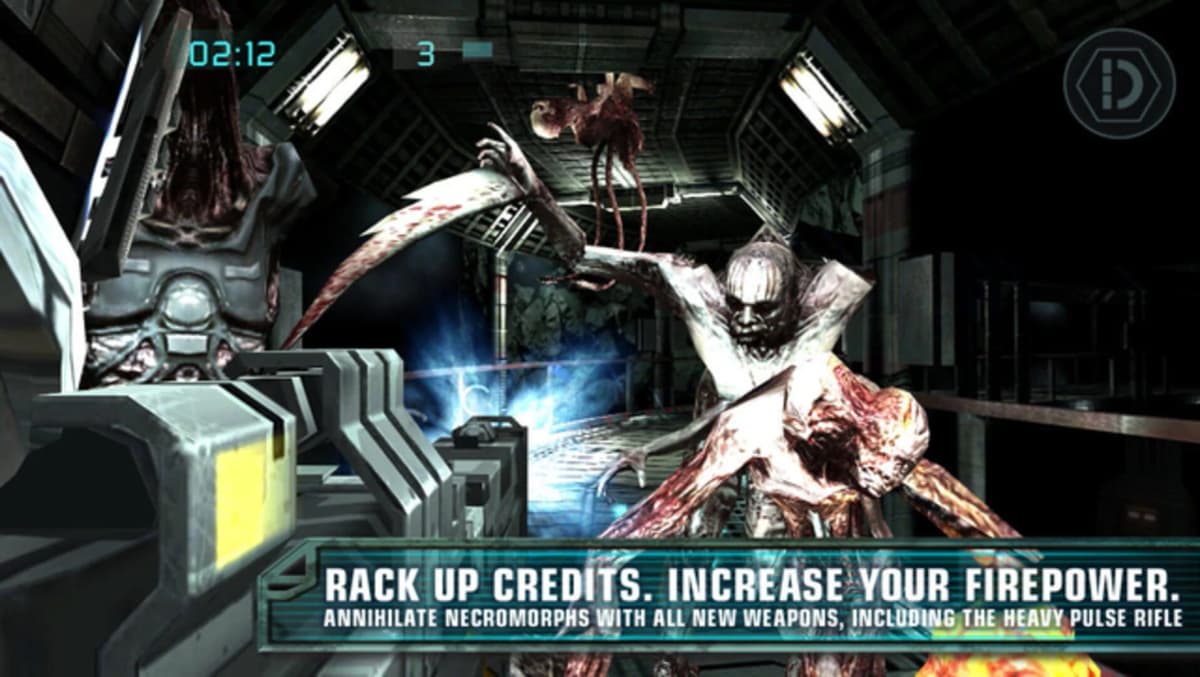
Dead Space does not need visual fidelity for bragging rights. It needs visual clarity and visual dread. Those are different goals. A grimy corridor, a sickly light source, a threatening silhouette, a sudden movement at the edge of the screen, and an environment that looks physically wrong all serve the experience. The image is part of the game’s language. It tells the player when to hesitate, when to panic, and when to feel briefly safe enough for the next scare to hurt more.
The Dead Space remake understood that upgraded presentation had value because the original concept lives or dies on immersion. Better visuals alone do not create fear. They can absolutely make fear more immediate when the art direction, sound, pacing, and mechanics are all aiming at the same target. That is the key point people flatten into nonsense whenever this argument turns into a social-media shouting match.
A technically impressive game with anonymous art direction can become wallpaper shockingly fast. Players remember the texture resolution for about five minutes. They remember a visual identity for years. Dead Space has always had the ingredients for that kind of identity: a space-horror setting where every dark surface, damaged object, and disturbing movement can contribute to the pressure. The value lies in the cohesion, not in throwing money at pixels until the budget catches fire.
Schofield Is Right About the Production Trap
Schofield’s career makes his warning hard to dismiss. He helped shape Dead Space at Visceral Games, co-founded Sledgehammer Games, and led work on major Call of Duty projects including Modern Warfare 3 and Advanced Warfare. He later founded Striking Distance Studios, where The Callisto Protocol was developed. That is a career spent inside the exact kind of high-pressure development environment where every creative idea can become a staffing problem, a schedule problem, or a financial problem.
After roughly 35 years in the industry, Schofield has announced that he is retiring from the day-to-day work of making games. His recent difficulty getting another horror project funded after The Callisto Protocol says plenty about the present mood around big-budget development. Publishers keep talking about bold creative bets, then build their approval process around reducing every possible unknown. The result is a system that wants premium visuals, familiar commercial logic, massive reach, predictable sales, and tight delivery dates all at once.
That is not a development strategy. It is a wish list written by people hoping somebody else will absorb the risk.
Visual ambition becomes an easy scapegoat because it is visible. Everybody can point at a costly character model, a detailed environment, or a cinematic sequence and say that the money went there. Yet graphics are only one part of the machine. Large teams, extended production timelines, expensive marketing demands, pressure to build a massive audience, and the need to hit quarterly plans all squeeze games toward safer decisions. A publisher can cut visual scope and still create a bloated, expensive, creatively timid project if every other part of the plan remains out of control.
That is why I agree with the core warning behind Schofield’s argument. Chasing the most technically extravagant version of every idea is a trap. The industry needs more projects willing to choose a deliberate scale and commit to it. A focused visual style can age better than technical spectacle without personality, and a lower-cost game with a clear identity can give players something far more memorable than another expensive compromise.
Where the “Graphics Don’t Matter” Argument Breaks
The phrase fails because it treats graphics as separate from design. In many genres, visuals are design. A player needs to read space, movement, danger, objects, objectives, and timing. In horror, they also need to feel uncertainty. The screen has to communicate enough information to make survival possible while withholding enough certainty to make every encounter uncomfortable. That is a visual problem as much as a mechanical one.
Dead Space proves the point because the game’s horror asks for a specific kind of player attention. The presentation must guide the eye without making the experience feel sterile or overexplained. It must make the world oppressive without turning every space into unreadable darkness. It must sell the physicality of threats and the fragility of the player’s situation. When it succeeds, the visuals are carrying gameplay consequences. When it fails, the tension evaporates.
Games built around deep mechanical replayability or social competition can survive with much less visual spectacle, provided their controls are sharp and their information is clean. That is a sensible tradeoff. Dead Space belongs to a different category. Its atmosphere is part of the product, and its visual construction needs to support that atmosphere with confidence.
Players should be suspicious of any publisher using “graphics do not matter” as cover for cutting presentation without protecting the game’s identity. There is a difference between rejecting pointless fidelity escalation and stripping out the sensory detail that makes a world worth inhabiting. One is creative discipline. The other is bean-counting dressed up as artistic wisdom.
The Dead Space Sequel Conversation Reveals the Real Problem
The grim part is that Dead Space sits in an uncomfortable commercial space. A sequel has been discussed alongside an estimate of roughly seven million sales needed to justify the kind of AAA investment publishers now demand. Whether that exact figure ever becomes a formal target misses the larger point. The expectation itself shows how warped the economics have become.
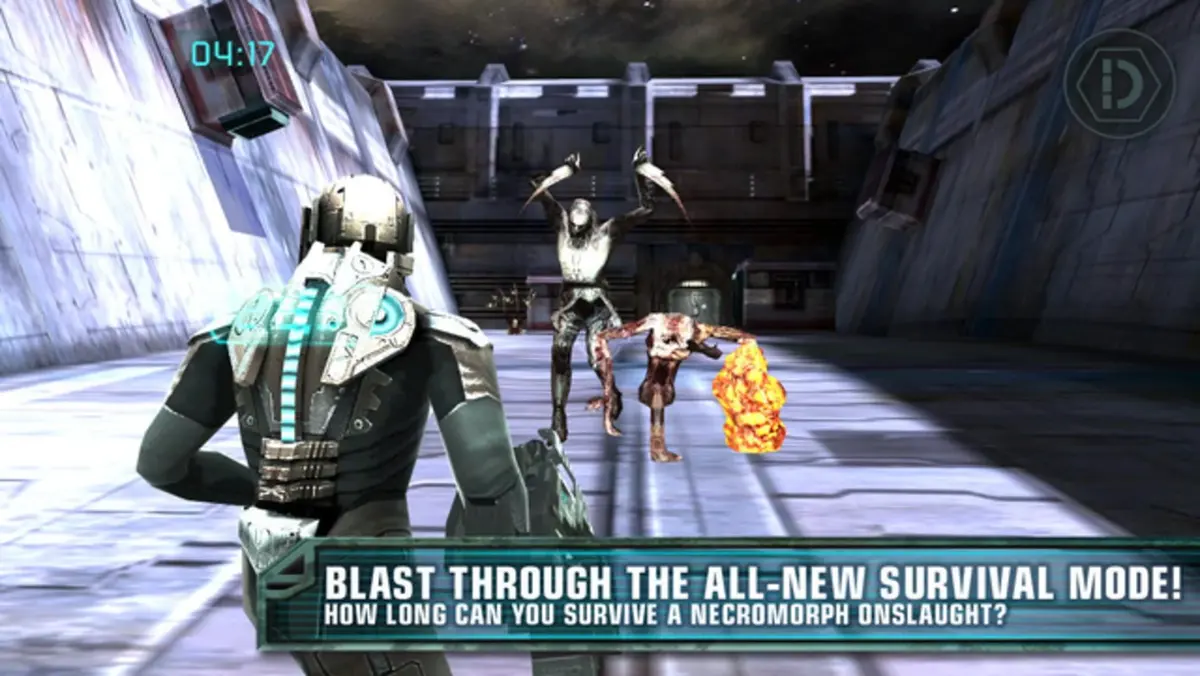
A survival-horror series with a clear identity can have passionate players, strong recognition, and a genuine cultural footprint, then still be treated as a disappointment if it fails to clear the absurd sales bar created by blockbuster budgets. That punishes the kind of game Dead Space is best positioned to be. Horror thrives on focus. It thrives on mood. It thrives on a concentrated, authored experience that does not need to become the biggest entertainment product on earth to justify existing.
Publishers have pushed costs so high that they now use those costs to explain why fewer risks can be taken. Then they point to sales thresholds as if those numbers emerged from nature rather than from their own spending decisions. That loop is poison. It leads to fewer distinctive games, fewer mid-sized bets, and more pressure for every recognizable name to become a giant event.
Dead Space deserves better than being forced into that math. The series does not need to win a graphics arms race, and it does not need to become an endless content machine. It needs a team that understands why its world works, a budget that does not demand impossible returns, and visual ambition aimed at horror rather than empty benchmark prestige.
Players Should Demand Purpose, Not Pixel Counts
The useful way to judge visual ambition is brutally simple: does it make the game better to play, stronger to remember, and truer to its premise? Screenshots cannot answer that by themselves. A visual style earns its cost when it creates atmosphere, improves readability, sharpens tension, or gives a game a personality nobody else can copy.
- Atmosphere should make the setting feel hostile, lived-in, or emotionally specific.
- Visual readability should help players understand threats and space without killing tension.
- Art direction should give the game a durable identity beyond raw technical detail.
- Production scale should match the actual experience, rather than an investor fantasy about universal appeal.
- Mechanical ideas should receive enough time and funding to stand beside the presentation.
That balance is harder than picking a side in a graphics debate, which is exactly why so many executives avoid it. “Make it bigger” is easy to say. “Make it cheaper” is even easier. Building a game where art direction, performance, mechanics, atmosphere, budget, and schedule all reinforce one another requires actual leadership.
Glen Schofield’s warning about budgets and development pressure is worth hearing, especially now that he is stepping away from the day-to-day grind after decades of work. He has seen the machine from inside. But Dead Space also demonstrates the limit of the argument. Graphics do matter when the game’s very purpose is to make players feel trapped inside a nightmare.
My verdict is simple: publishers should stop treating visual fidelity as an automatic goal, but they should never pretend visuals are expendable in a game built on atmosphere. Dead Space needs ideas, mechanical confidence, and sensible scale. It also needs the darkness to look dangerous. Cutting the latter does not make development smarter. It makes the game weaker.
FinalBoss // Gear
Level up your setup
01Top-rated gaming headsetson Amazon→02High-refresh gaming monitorson Amazon→03Gaming chairson Amazon→04Discounted game keyson Kinguin→
Affiliate links · As an Amazon Associate, FinalBoss earns from qualifying purchases.
Want to Level Up Your Gaming?
Get access to exclusive strategies, hidden tips, and pro-level insights that we don't share publicly.
Ultimate Gaming Strategy Guide + Weekly Pro Tips