
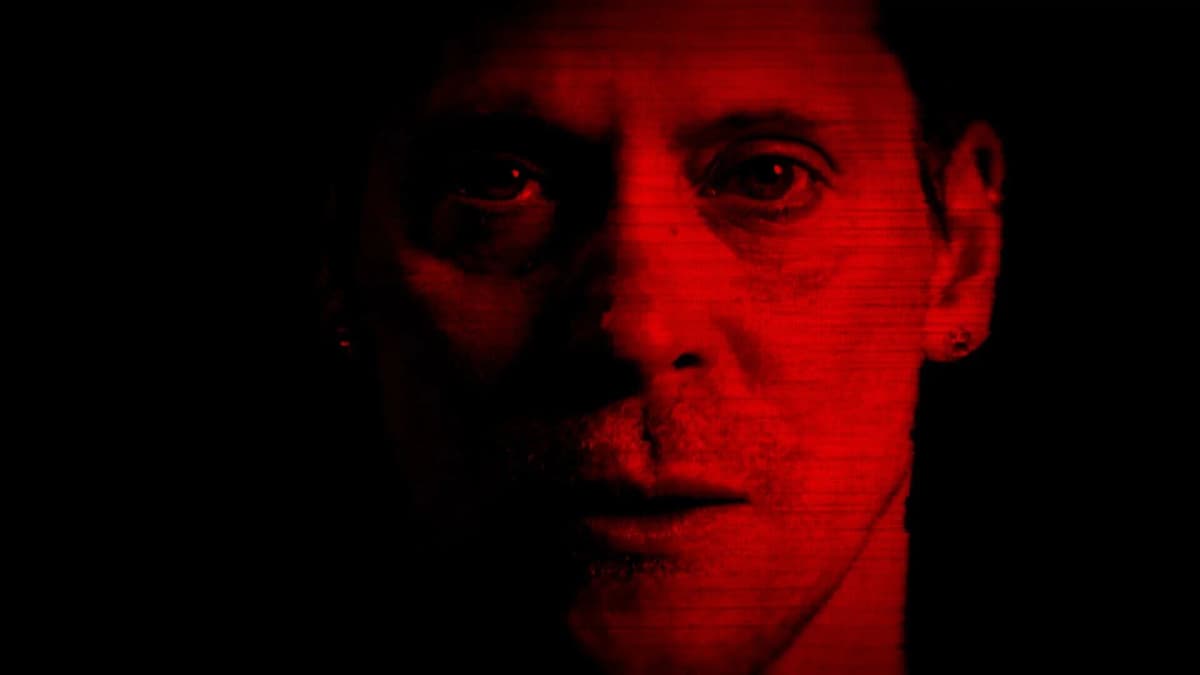
Can You Outwit Dead Take’s Twisted Hollywood Mansion?
Game intel
Dead Take
Find your missing friend. Uncover the secrets within. Brave a luxurious and haunting mansion in Dead Take, a first-person psychological horror crafted by Surge…
Can You Outwit Dead Take’s Twisted Hollywood Mansion?
Dead Take, which arrived on July 31, 2025, exclusively on PC via Steam and the Epic Games Store, isn’t just a modern throwback to FMV horror—it’s a fully staged psychological thriller that demands both sleuthing and cinematic savvy. Surgent Studios, fresh off its cult hit Tales of Kenzera: Zau, teams up with Pocketpair Publishing to deliver a chilling mansion mystery that fuses escape-room puzzles, video splicing mechanics, and sharp industry satire. Ready your wits—and your playbook of clues—and step inside a decaying Hollywood dream turned nightmare.
A Haunting Stage: The Mansion Itself
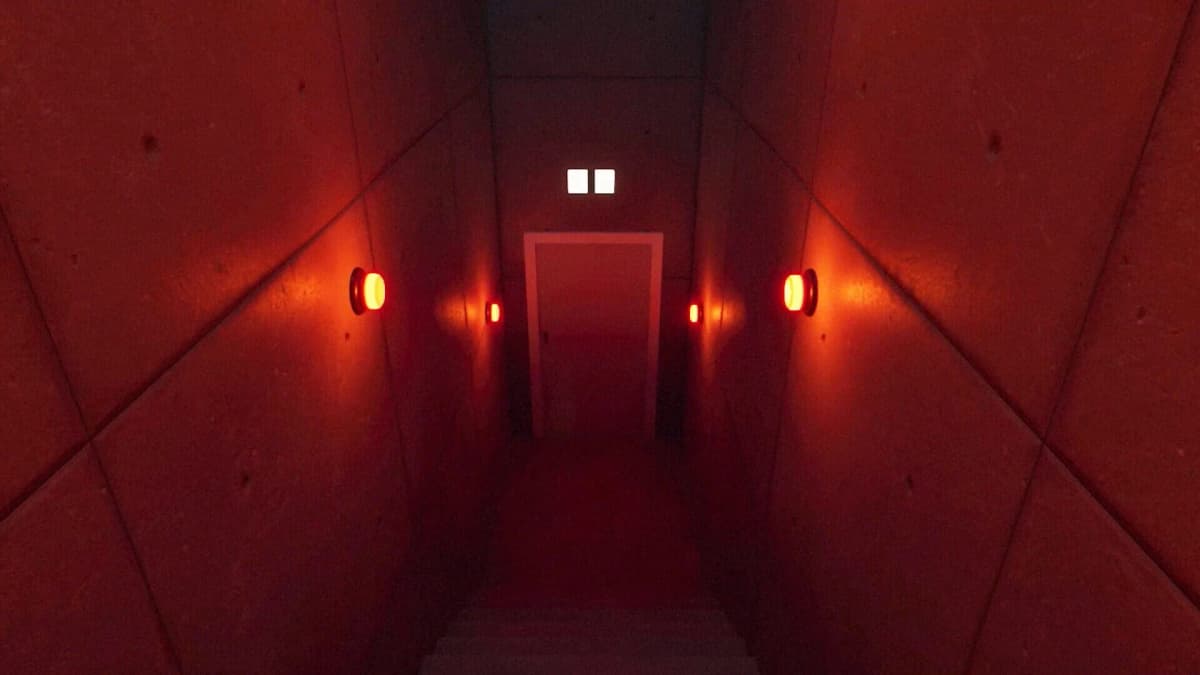
From the moment Chase Lowry (Neil Newbon) crosses the threshold of that sprawling estate, every detail feels charged with dread. Velvet drapes hang in tatters, reflecting once-glorious premieres long past; crystal chandeliers flicker with a sickly green hue, courtesy of deliberate lighting choices that cast long shadows down cracked marble floors. Sculpted hedges in the courtyard twist like gnarled fingers, and audio cues—distant footsteps, a doll’s lullaby echoing through empty halls—keep you perpetually on edge.
Rooms aren’t merely backdrops but interactive characters. In the screening chamber, antique projectors sputter grainy footage of a forgotten studio exec delivering ominous monologues. In the ruined library, charred books hide brass switches, and scattered photographs hint at a tormented cast of players caught in the mogul’s web. Each space is woven into Dead Take’s narrative fabric, reinforcing the sense that Hollywood’s glitz can rot from the inside out.
Decoding the Puzzle Mechanics
Dead Take’s puzzles borrow heavily from escape-room design but layer on a psychological twist. You’ll examine crumpled call sheets for circled timestamps, cross-reference page numbers in half-burned scripts, and peer through broken glass prisms to refract secret codes onto stained ceilings. In one sequence, piecing together snippets of a director’s notes reveals the password for a locked dressing room; in another, combining a theater seat’s missing screw with a nearby footstool reveals a hidden floor hatch.
- Environmental Integration: Nothing feels pasted on. A spilled glass of wine might clue you to inspect a label’s embossed pattern, unlocking a safe built into the bar’s underside.
- Adaptive Challenges: Some puzzles adjust based on your previous solves. If you missed a key piece, follow-up tasks nudge you back without spelling out the answer.
- Logical Red Herrings: Just when you think every clue lines up neatly, a forged signature or a misleading camera angle can send you down a false trail—heightening tension and replay potential.
Editing the Unknown: Video Splicing in Depth
The heart of Dead Take lies in its video splicing hub—a makeshift editing suite where you literally cut and merge FMV clips to shape reality. Dragging fragments along a timeline reveals alternate takes; merging two shots might trigger a hidden door, while splitting a reel at the right frame unlocks a numeric code scrawled on the film’s edge. It’s a system that rewards patience and observation, urging you to memorize snippets of dialogue and subtle lighting shifts.
For instance, one sequence requires you to isolate Vinny’s panicked gasp, match it with a director’s whispered “Action,” then align both with a lullaby playing offscreen. That precise edit dissolves the projection booth’s shutter, granting access to a vault containing your next clue. Creative splicing can even rearrange environmental elements—reordering a scene might dim the house lights, revealing previously invisible symbols scratched into the walls.
Spotlight Performances: Acting That Rivets
Live-action FMV often flirts with kitsch, but Dead Take assembles a cast that brings genuine gravitas. Neil Newbon’s Chase radiates a brittle intensity; his eyes dart with equal parts fear and determination. Ben Starr, as the missing friend Vinny, appears in warped flashbacks—his haunted expressions and hushed warnings linger as audio ghosts long after the footage stops.
Supporting roles from Jane Perry, Alanah Pearce, Laura Bailey, and Sam Lake elevate every scene. Perry’s portrayal of the mansion’s steward balances creepiness and compassion—she knows the estate’s secrets but guards them jealously. Pearce and Bailey, as rival actresses locked in competitive delusion, deliver sharp, unnerving banter about stardom’s price, while Lake’s cameo as the studio head—slick, smarmy, and unrepentant—anchors the game’s biting satire.
Satire and Themes of Industry Decay
Underneath its horror veneer, Dead Take skewers the entertainment machine. Dialogue brims with cynical quips about canceled pilots, talent agencies sinking rookies in red tape, and the toxic worship of overnight success. In one scene, two actresses dissect a script’s last-minute rewrites—“They want tears, but they’ll cut you before you cry,” one sneers—underscoring how creativity is often commodified and discarded.
The mansion’s physical decay mirrors moral rot: gilded hallways lead to rotting props, and portraits of once-idolized actors peel to reveal unsettling caricatures. This layered critique turns the setting into a living allegory: Hollywood as a voracious beast, hungry for devotion yet spitting out those who no longer serve its spectacle.
Design and Atmosphere: Cinematography, Sound, Lighting
Dead Take excels at crafting an all-encompassing atmosphere. Cinematographer techniques—dramatic Dutch angles, tight close-ups on sweating brows, and slow panning shots down empty corridors—heighten suspense. Lighting designers play with high-contrast spotlights and flickering practicals to create a chiaroscuro effect reminiscent of classic noir horror.
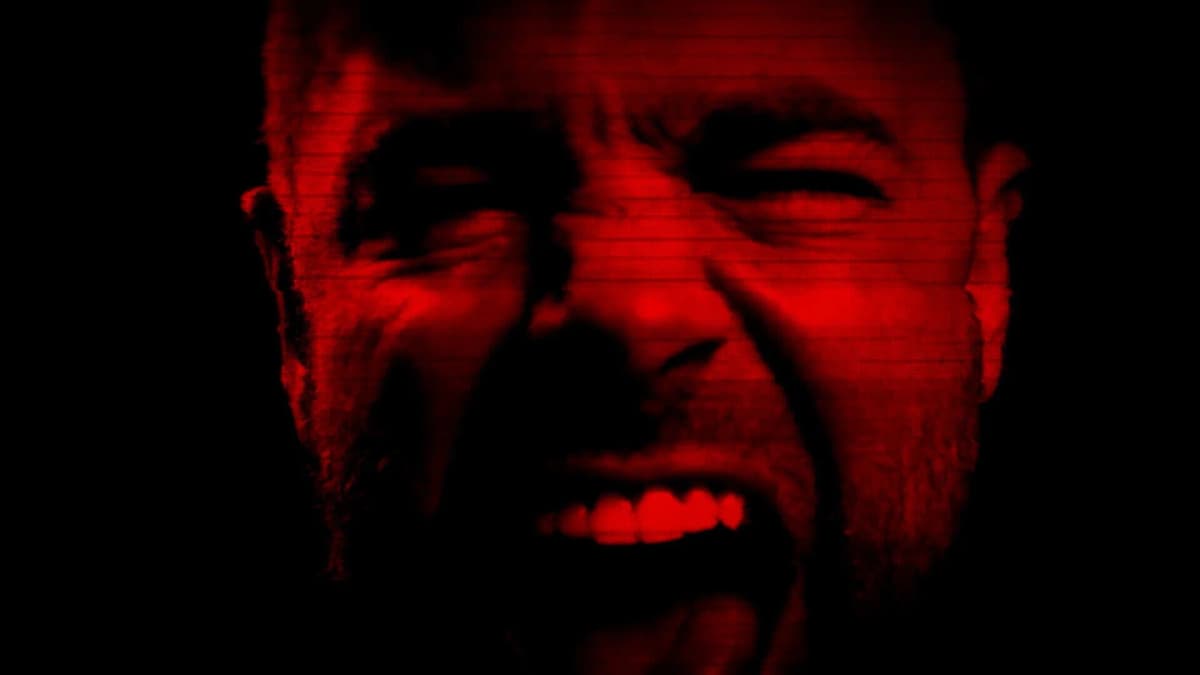
Sound designer Dan Powell’s score shifts between a subtle drone in empty halls and sudden crescendos to punctuate scares. Ambient effects—creaking floorboards, muffled voices behind thick doors, distant thunder—immerse you in the mansion’s oppressive hush. Accessibility options include adjustable subtitle timing (critical for splitting video based on whispered cues) and a high-contrast mode for deciphering faint clues in the darker rooms.
Want to Level Up Your Gaming?
Get access to exclusive strategies, hidden tips, and pro-level insights that we don't share publicly.
Ultimate Gaming Strategy Guide + Weekly Pro Tips
Where Dead Take Stumbles
Despite its many strengths, Dead Take demands patience—and occasional frustration. The video editor’s UI can feel finicky, with small handles that require pixel-perfect dragging. If you’re using a gamepad instead of a mouse, the slight input lag might throw you off during time-sensitive splices. Some logic leaps stretch plausibility: a clue hidden in a portrait’s frame might go unseen until the tenth replay, interrupting the narrative flow.
Moreover, the mansion’s sprawling design sometimes leads to backtracking fatigue. Without clear map markers—intentionally omitted for atmosphere—you may wander familiar hallways in search of a device to splice. Players craving relentless jump scares or fast-paced action may find Dead Take’s methodical unraveling a bit slow, though fans of cerebral horror will relish the deliberate pace.
Who It’s For—and Who Might Tire
If you thrive on slow-burning dread, puzzle rigor, and FMV nostalgia, Dead Take is a masterclass in atmospheric horror. It rewards note-taking, thoughtful experimentation in the editing suite, and an appreciation for darkly comic industry satire. Expect to clutch a notepad, revisit clips obsessively, and crouch behind overturned seats as you piece together Vinny’s fate.
Conversely, if you prefer non-stop scares, action sequences, or lighter narrative fare, this game may test your patience. Its tension comes from anticipation and cerebral payoff rather than heart-pounding chases. Even so, the satisfaction of cracking a complex puzzle—or triggering that satisfying door-unlock cue—often outweighs the slower stretches.
Developer’s Vision and Legacy
Surgent Studios has carved out a niche in blending traditional gaming with cinematic storytelling. With Dead Take, creative director Abubakar Salim taps into his own acting background to craft authentic on-screen performances and industry critique. The studio’s leap from the mythic world of Tales of Kenzera: Zau to a claustrophobic Hollywood horror signals a bold versatility—and a willingness to embrace experimentation in interactive FMV.
Pocketpair Publishing’s support has ensured a polished final product, from performance capture to localization efforts. While details of post-launch updates remain unconfirmed, Surgent has hinted at “additional reels” and “new puzzle variations” in future patches, promising extended life for dying for Oscar-worthy scares.
Replay Value and Hidden Secrets
Dead Take offers multiple endings fueled by your editing choices: splice one reel too many, and you trigger a darker finale; leave out that lullaby fragment, and Vinny’s fate takes a different turn. Scattered throughout are collectible “director’s scraps”—abandoned storyboards, actor headshots with annotations—that unlock bonus commentary and behind-the-scenes footage when pieced together correctly.
Speedrunners and puzzle enthusiasts will find post-game leaderboards and challenge modes, where you race to solve key rooms or finish splicing tasks under time constraints. Even after the credits roll, the mansion whispers secrets—one final puzzle awaits the most diligent sleuths willing to comb every dusty shelf and fractured mirror.
Final Take
Dead Take stands out as one of summer 2025’s most daring indies. It marries polished FMV drama with intricate escape-room puzzles and razor-sharp satire on Hollywood’s underbelly. Yes, its deliberate pacing and finicky editor can feel demanding, but the payoff—a fully realized world of decaying glamour, lurking perils, and that triumphant “aha” moment—is unforgettable. If you’re ready to shine a spotlight on fear and crack a cinematic code, Dead Take is your stage.