
Table of Contents (8)
Deadlock’s invite-only revival: a real surge, not a launch
Valve’s unreleased, invite-only title Deadlock exploded back onto the Steam charts after January’s “Old Gods, New Blood” update – briefly racing into the same neighborhood as Overwatch’s recent Steam peaks. That sounds impressive until you look past the headline: different outlets measured different peaks (117k-125k), the spike was tied to one hero and a new 4v4 mode, and player counts fell sharply afterward. This was a pronounced comeback, not proof that Deadlock will dominate on release.
Key takeaways
- Deadlock surged to roughly 117k-125k concurrent players in late January after the “Old Gods, New Blood” update, up from pre-update lows under 30k.
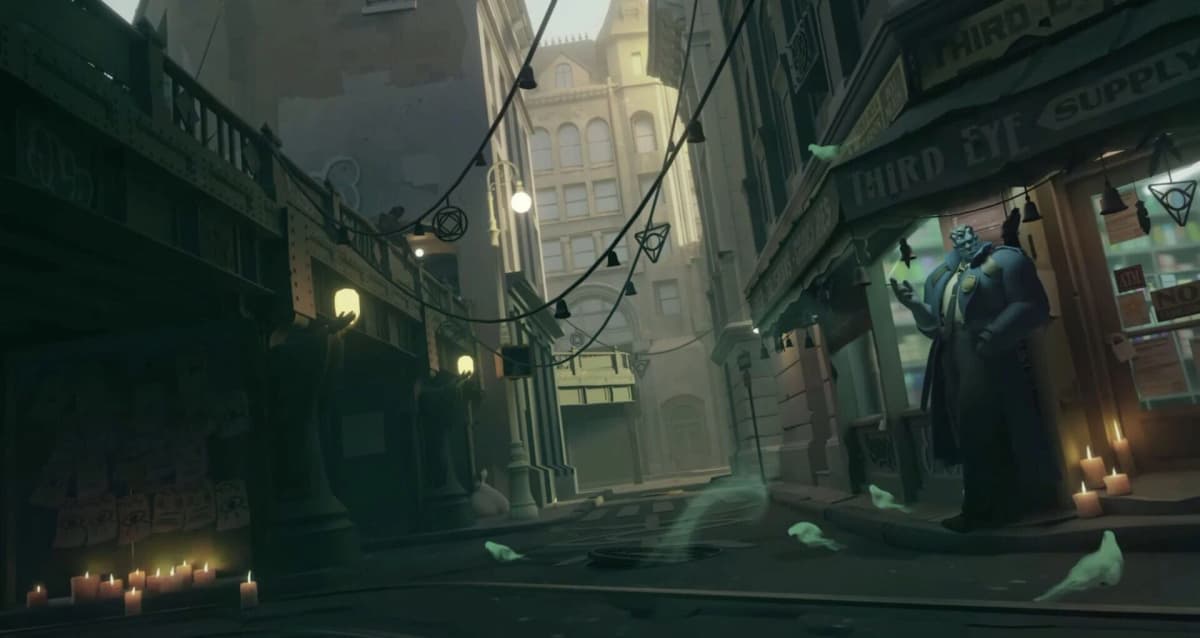
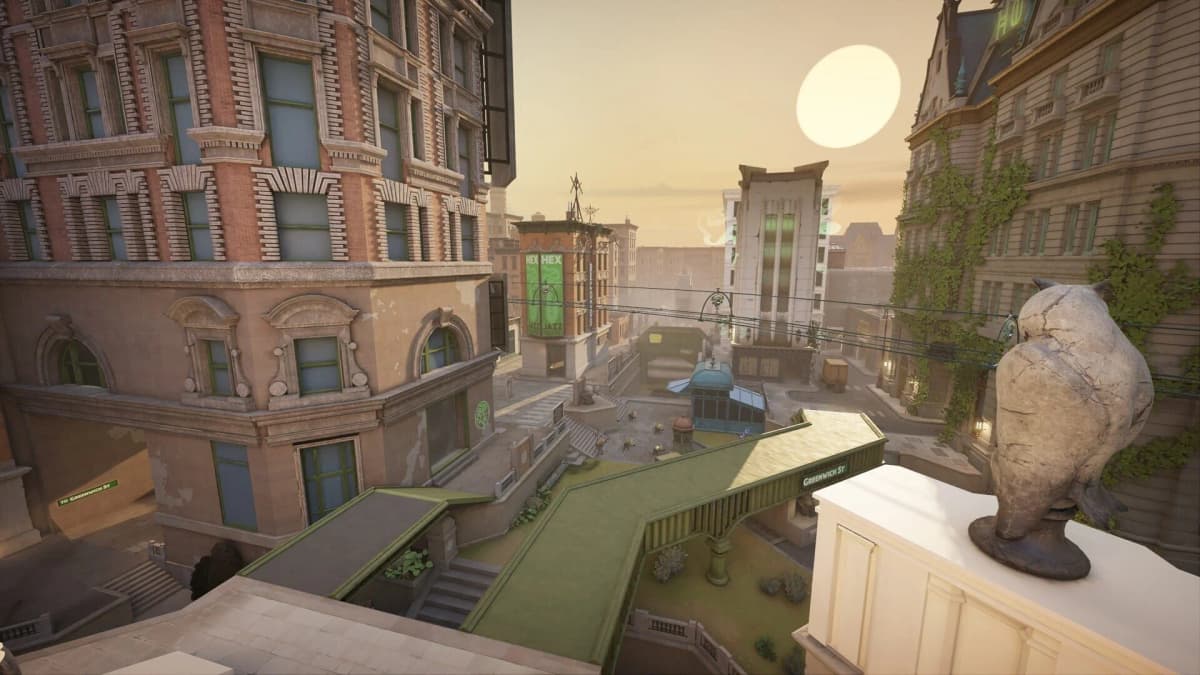
- The patch added Street Brawl (4v4 single-lane), god-themed objectives, expanded maps/alleys, UI tweaks, two items and six heroes – one werewolf hero triggered a major evening flood.
- Numbers vary by source and timing; Deadlock is still invite-only and later slipped back toward 20k-30k peaks, so sustainability is unproven.
- The real story is demand for a TF2-meets-Dota hybrid, but the next moves that matter are invite expansion, retention data, and whether Valve can turn spikes into steady concurrent numbers.
This wasn’t a marketing stunt – players genuinely came back
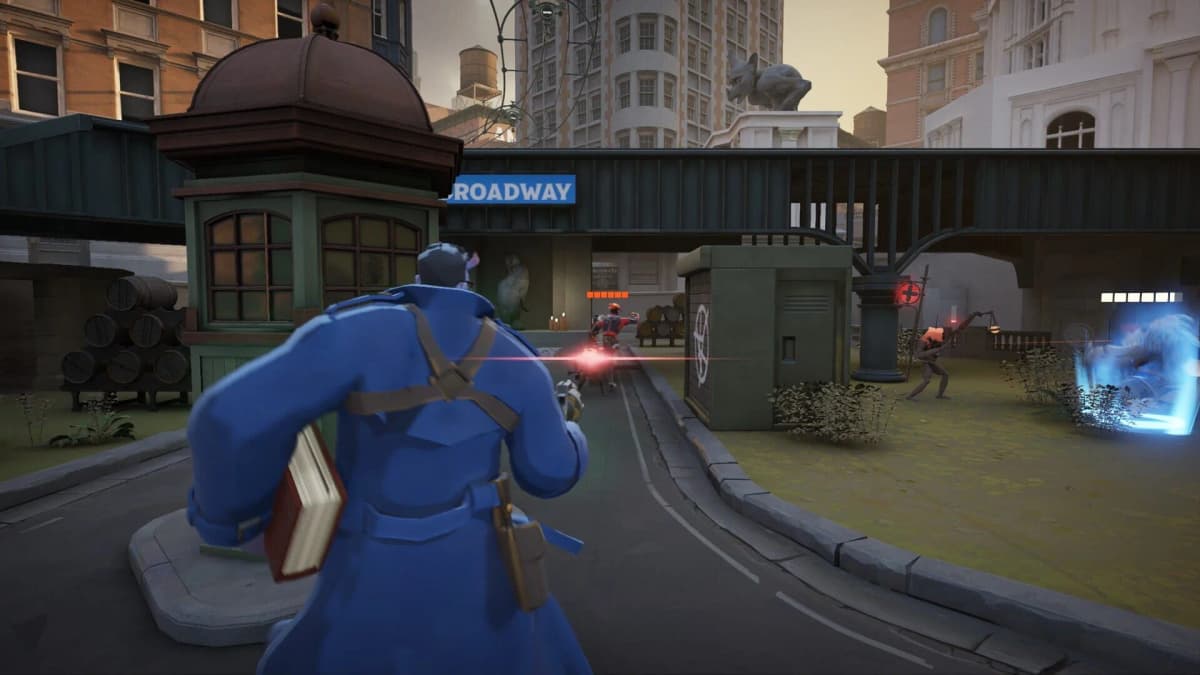
Valve didn’t quietly slap a UI skin on Deadlock and count clicks. The “Old Gods, New Blood” update introduced a compact, easy-to-digest 4v4 lane mode (Street Brawl), god-themed objectives that reworked match flow, and a six-hero roster bump. That combination — tight, hero-focused matches plus a high-visibility new character (the werewolf) — is exactly the sort of content that drives short-term spikes. The community responded like a living lab: evening surge, social clips, and a clear “everyone try the new hero” moment.
But numbers need context — invite-only and measurement noise
Headlines citing “125k concurrent” came fast, but sources differ. Some tallies put the January peak at about 117k on Jan 20; others report lower or higher based on when they sampled Steam’s charts. Invite-only tests magnify volatility: one popular new hero or a weekend streamer can double or triple the active crowd because the pool of potential players is constrained and heavily interconnected.
Worse for the hype train, the spike wasn’t sustained. After the update the game’s recent peaks crashed back toward the low tens of thousands in February. That doesn’t mean Deadlock is doomed — Valve historically toys with iterative tests and closed builds to refine games — but it does mean a single update can’t be used as proof of mass-market stickiness.
Why the TF2+Dota hybrid matters — and why Valve can pull this off
Valve’s pedigree matters. Deadlock wears its lineage openly: the class-based, playful shooter DNA of Team Fortress 2 fused with lane-focused, objective-driven MOBA strategy. If Valve nails both halves without making matches feel like two different games glued together, Deadlock could occupy a rare space that appeals to both hero-shooter and MOBA players — a big addressable audience that most incumbents ignore.
But execution is stubbornly hard. High peaks are meaningless unless match quality, queue times, and long-term balance keep players coming back. History has examples the industry should remember: games that explode for a weekend and then crater because the core loop wasn’t satisfying or the tech was rough. Valve’s iterative, slow-open approach reduces that risk — but it doesn’t eliminate it.
The question nobody’s asking Valve (but we want to know)
What’s retention look like when invites are opened wider? PR teams love peak numbers; I want daily active users, match completion rates, queue times across regions, and how the game behaves when the friend-invite faucet opens. If Valve can’t show a clear path from peaks to sticky cohorts, Deadlock will be an interesting experiment, not a market winner.
What to watch next
- Steam concurrent stats after any invite expansion or the next hero drop — a spike without a higher baseline isn’t progress.
- Valve patch notes for balance and match-quality fixes; the cadence of hero and mode updates will reveal whether this is sustainable design or headline-chasing patches.
- Any public beta or platform announcements (controller support hints at console ambitions) — broader access is the clearest litmus test.
- If Valve ever publishes retention/DAU numbers, treat them like oxygen: they tell you whether this is hype or a foundation.
TL;DR
Deadlock’s January update produced a genuine, large spike in interest — impressive for an invite-only game. But inconsistent peak counts, rapid post-patch falloff, and the closed-test environment mean this is a revival moment, not a victory lap. Watch invite expansion, retention figures, and whether Valve can turn short-term hype into a higher steady baseline.
FinalBoss // Gear
Level up your setup
01Top-rated gaming headsetson Amazon→02High-refresh gaming monitorson Amazon→03Gaming chairson Amazon→04Discounted game keyson Kinguin→Affiliate links · As an Amazon Associate, FinalBoss earns from qualifying purchases.
Want to Level Up Your Gaming?
Get access to exclusive strategies, hidden tips, and pro-level insights that we don't share publicly.
Ultimate Gaming Strategy Guide + Weekly Pro Tips