
Table of Contents (6)
Why Death Howl actually matters on Day One of Game Pass
This caught my attention because Death Howl does something a lot of deckbuilders promise but rarely pull off: it makes repeated failure feel useful instead of miserable. Out now Day One on Xbox Game Pass (also on Xbox Series X|S and PC), the game stitches open-world exploration, grid-based tactical combat, and persistent progression into a package that leans into a soulslike philosophy without pretending to be Dark Souls with cards.
- Open-world deckbuilding means you can walk away from a fight that’s beating you, craft new cards, and return-no full-run reset.
- The difficulty is punishing but intentionally fair: patterns and positioning are the real enemies, not RNG.
- Persistent progression and recoverable currency make each death part of a learning loop rather than a hard wipe.
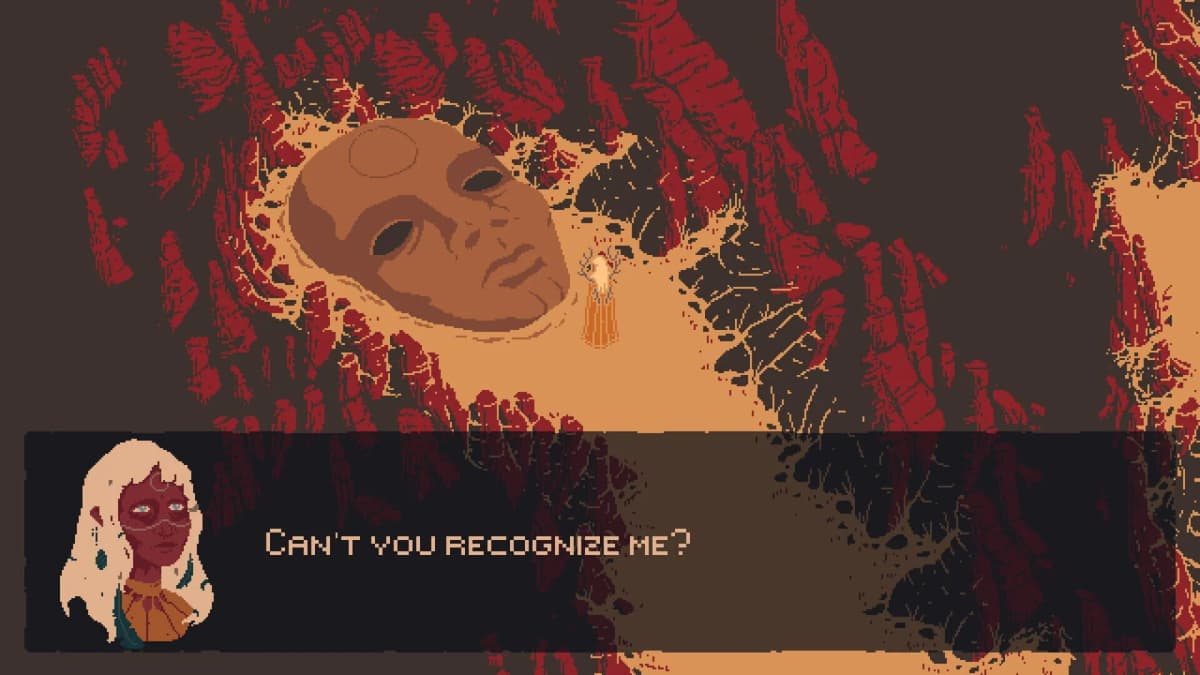
- Ro’s grief-driven narrative gives the brutality emotional weight instead of being difficulty for difficulty’s sake.
Breaking down the design: what’s actually new here
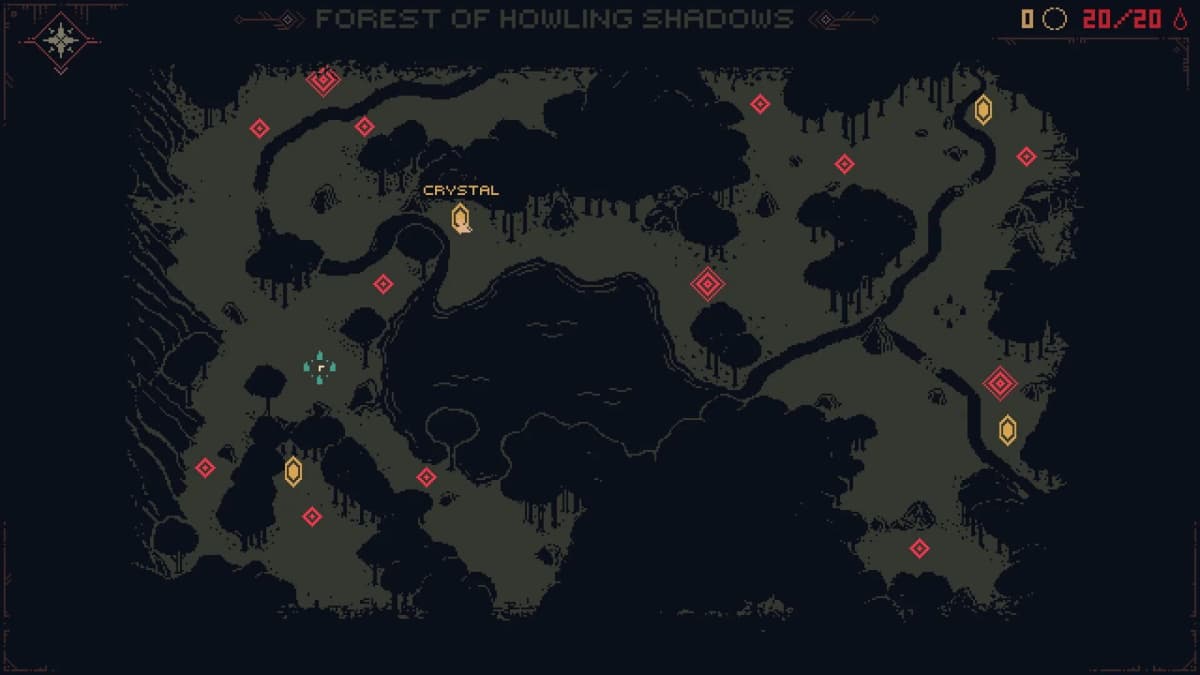
Most card roguelites follow a strict run-reset loop. Death Howl rejects that by setting its card combat inside an explorable spirit world split into four realms and a handful of biomes. You still die a lot, but dying doesn’t shove you back to square one. Progress is layered: your deck evolves, crafted cards stack up (over 160 to experiment with), and a recoverable currency-called “Death Howls”-lets you reclaim losses if you’re clever about routes and checkpoints.
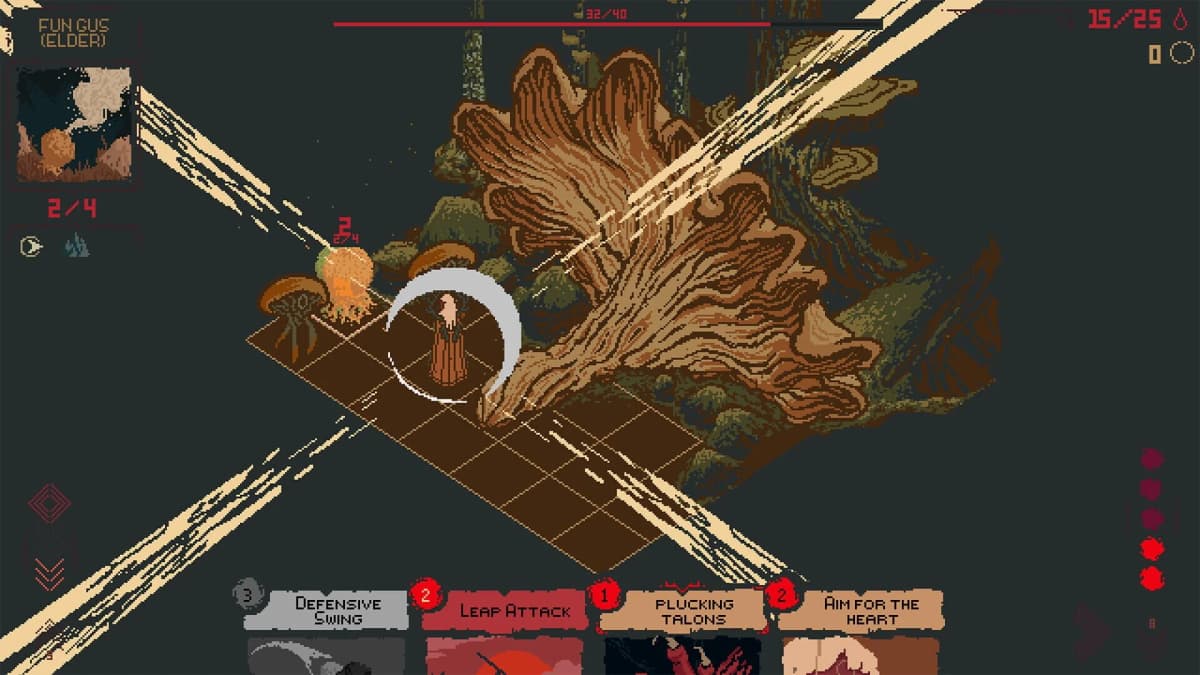
The combat itself combines turn-based, grid-aware tactics with deckbuilding. Positioning matters as much as card choice: flanking, environmental hazards, and enemy patterns make the fights feel more like tactical puzzles than paper-rock-scissors card spam. The team leaned into this grid-based identity early, drawing inspiration from tactical classics and card games alike, according to a PlayStation Blog feature that traced the project back to a 2015 prototype influenced by Dream Quest and Magic: The Gathering.
Why it reads like a “soulslike” — and why that tag is both useful and limiting
Testers flagged the game as “soulslike” during development, and that label stuck because the game shares the same tension mechanics: checkpoints that heal but respawn foes, a currency you can lose and recover, and encounters designed around pattern recognition and punishment for missteps. But Death Howl arrives at those ideas through different means—turn-based, card-driven systems rather than twitch reflex combat—so calling it a pure Souls clone misses the point.
From a player perspective the difference matters. In real-time soulslikes a single mistake often feels immediate and fatal. In Death Howl, mistakes are diagnostic. You can replay the same encounter with the same deck and refine your positioning, or you can roam to another biome and harvest cards that change your approach entirely. That creates a loop where failure teaches strategy rather than forcing grind or rote repetition.
What this means for players and for the deckbuilder space
For players who like difficult games, Death Howl is a fresh alternative: it keeps the satisfaction of overcoming harsh challenges while removing much of the frustration that comes from repeat wipes. The open-world element gives agency to how you tackle roadblocks, and the persistent deck progression reduces the “all-or-nothing” sting of a failed run.
For the indie scene and card-game designers, Death Howl demonstrates a believable hybrid path: you can fold roguelite tension into an exploratory structure and keep momentum without compromising challenge. Early reporting suggests the aesthetic and narrative are equally deliberate—Ro’s journey through grief is underscored by linocut-style pixel art and a near-monochrome palette that Siliconera noted makes the game readable even on smaller screens, pointing to how this design could adapt across platforms.
One caveat to watch
Blending genres raises pacing risks: if exploration feels like filler between hard fights, the system could lean on busywork. So far the promise is that exploration is meaningful—new cards, totems, and side quests change how encounters play out—but long-term balance will determine whether Death Howl’s loop stays compelling or becomes a grind to brute-force stats. Also, platform availability beyond Xbox Game Pass varies in reporting, with PlayStation and Switch coverage noting other releases; for Day One access, Xbox Game Pass is the safe bet.
TL;DR
Death Howl is an ambitious indie that reframes roguelite card games by adding an open-world canvas and persistent progression, then applying a soulslike discipline to make every failure a lesson. It’s available Day One on Xbox Game Pass, and it’s worth trying if you enjoy tactical, punishing games that trust the player to learn and adapt instead of asking them to grind blind.
FinalBoss // Gear
Level up your setup
01Top-rated gaming headsetson Amazon→02High-refresh gaming monitorson Amazon→03Gaming chairson Amazon→04Discounted game keyson Kinguin→Affiliate links · As an Amazon Associate, FinalBoss earns from qualifying purchases.
Want to Level Up Your Gaming?
Get access to exclusive strategies, hidden tips, and pro-level insights that we don't share publicly.
Ultimate Gaming Strategy Guide + Weekly Pro Tips