
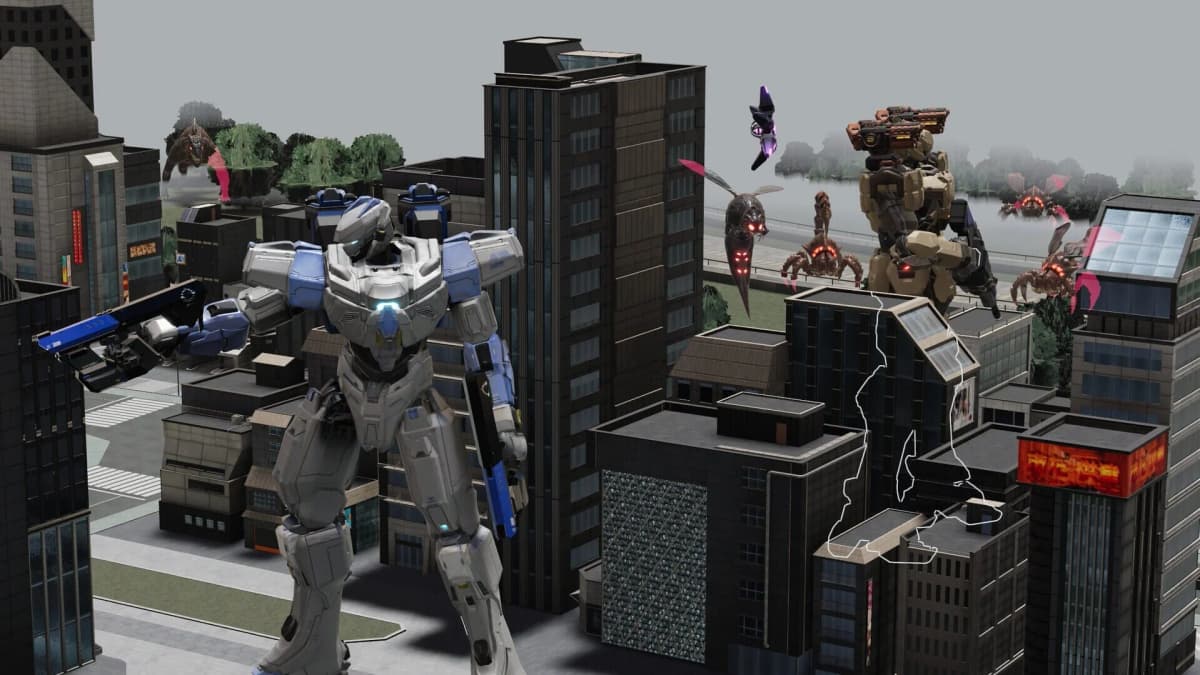
Death Ring: Second Impact Act III drops Titan Zeramorph and heavy mech Antey — here’s the real score
Game intel
Death Ring: Second Impact
Death Ring: Second Impact is a turn-based Roguelite strategy game. As the commander of the "Griffin" squadron, you must lead your Mechas and Pilots to resist t…
Why Act III: INTO THE DEATH RING actually matters
This update caught my attention because mecha tactics roguelites rarely get genuinely meaty content drops mid-Early Access. Act III: INTO THE DEATH RING isn’t just “more stuff” for Death Ring: Second Impact; it’s a structural shift. A new chapter with dozens of maps, a “titan” boss named Zeramorph, the heavy frame Antey, fresh loadouts, and modules – that’s the kind of shake-up that can reset the meta and fix some of the repetition that creeps into roguelites after the honeymoon.
Key takeaways
- Act III should expand run variety with a bigger node and encounter pool, not just a tougher endcap.
- The titan boss Zeramorph sounds like a build check – expect real tests of action economy and positioning.
- Heavy mech Antey likely anchors new strategies: slower, tankier, and built to exploit mitigation modules.
- Balance tweaks could hit comfort picks; be ready to relearn what “good” looks like.
- Mecha paint customization is purely cosmetic at face value – a small win for player identity in a crunchy tactics game.
Breaking down the announcement (minus the fluff)
Rouge Mecha’s pitch is straightforward: a new Act with “dozens of maps,” the titan-class boss Zeramorph, a heavy mech (Antey), and a suite of new loadouts and modules, plus balance tuning and a paint customization system. If you’ve spent time with Death Ring’s Early Access build already, you know the combat sings when it forces hard choices around positioning, heat/energy, and turn economy — but mission variety could feel samey after a handful of runs. The words “dozens of maps” are doing heavy lifting here; if they’re handcrafted layouts with fresh objectives and hazard mixes (not just rotated tiles), that alone could be the update’s MVP.
Zeramorph being billed as a titan boss hints at multi-phase mechanics or arena modifiers. In games like Into the Breach and Phantom Brigade, large targets are less about raw HP and more about how they warp the map: sweeping arcs, area denial, positional puzzles. If Death Ring leans that direction, expect the best squads to be the ones that control tempo — stuns, pulls, blocks — rather than pure DPS races.
Antey, the new heavy frame, is the piece that interests me most. Early Access mecha tactics often skew toward high-mobility glass cannons because mobility solves encounters. A viable heavy that soaks punishment, holds lines, and converts damage taken into tactical advantage (guards, counters, taunts) can diversify runs. The new modules will make or break Antey: if we’re getting mitigation stacks, armor gating, or energy-to-shield conversions, players who felt forced into sprint/jump crit-builds might finally have a chunkier alternative.
What this changes for players right now
For returning players, the immediate impact is a meta reshuffle. Balance tweaks almost certainly tame one-button solution builds (you know the ones) and bring underused tools into play. The new loadouts should help pilots carve clearer roles — a big deal in squad tactics where synergy trumps individual power.
Structurally, a third Act can do two things: lengthen runs and add branching. If the run length increases, the economy matters more — resource drip rates, mid-run upgrades, and scaling enemies need to be tuned to avoid snowball or famine states. If the Act plugs into existing branches, you’ll feel the variety quickly; if it’s stapled at the end, it risks becoming an endurance test. We won’t know until we see how often Act III maps surface during standard runs, but the promise is there.
The paint customization system won’t change how you win, but it will change how your squad feels. For a genre that lives in spreadsheets, a lick of paint makes sharing runs and builds more personal. As long as these remain earnable and not monetized cosmetics (no sign of microtransactions here), it’s a low-stakes, high-vibes addition.
TGS hands-on: why it matters (and what to watch)
The team is showcasing this update at Tokyo Game Show. Floor demos tend to be tuned for quick dopamine hits — sped-up unlocks, slightly softened early encounters, and a slice of the new boss fight. That’s useful for first impressions, not balance verdicts. If you’re attending, pay attention to three things: how readable Zeramorph’s telegraphs are, whether Antey can reposition meaningfully without being kited to death, and how often the new map layouts force you to break muscle memory. Those signal long-term health more than a flashy trailer moment.
Want to Level Up Your Gaming?
Get access to exclusive strategies, hidden tips, and pro-level insights that we don't share publicly.
Ultimate Gaming Strategy Guide + Weekly Pro Tips
Healthy skepticism (because Early Access)
“Dozens of maps” can mean anything from bespoke missions to tile remixing. “Balance tweaks” ranges from surgical to sledgehammer. And a heavy mech only lands if the encounter design supports it; if enemies overemphasize mobility checks, Antey risks being a hanger queen. I want to see patch notes that explain design intent — what builds were overperforming, what underused tools they’re trying to surface, and how Act III slots into the run structure. Clear philosophy beats mystery nerfs every time.
Quick advice before you dive back in
- Rebuild your squad from scratch for a run or two. Balance changes plus new modules can invalidate old muscle memory.
- Test Antey with support that manipulates positioning (pulls, knockbacks, slows). Heavy frames shine when the fight comes to them.
- Assume Zeramorph is an attrition check. Bring sustain, displacement, and a plan for area denial over pure burst.
- Use the paint tools to differentiate roles visually — color-coding tank, support, and striker frames helps at a glance.
TL;DR
Act III looks like the most meaningful Early Access drop yet for Death Ring: Second Impact: a true endgame-grade boss, a meta-shifting heavy frame, more maps, and a round of balance polish. If the new layouts and modules are as substantial as promised, this could be the moment the game breaks out of repetition and into must-play territory. Keep an eye on how often Act III surfaces in runs and whether Antey feels essential or optional — that’ll tell us how well this update sticks.