
Troy Baker didn’t really reveal anything shocking when he said Hideo Kojima would rather leave players “impacted” than simply entertained. If you’ve followed Kojima for more than five minutes, that’s the whole deal. What makes the quote worth paying attention to now is that Death Stranding 2 is already producing the kind of engagement numbers that suggest this famously stubborn design philosophy is not just surviving in 2026 – it’s winning.
Across PS5 and PC, players reportedly walked 969,703 in-game miles in just ten days after the PC launch, according to figures highlighted by Kojima and picked up in recent reporting. That’s more than NASA’s Artemis 2 mission covered in the same window. Yes, it’s a very Kojima comparison: half marketing stunt, half absurdist flex. But it also cuts to the real story. Death Stranding 2 is still built around an idea a lot of the industry would have sanded down, focus-tested, and turned into a more conventional action game by now. Kojima didn’t. Players showed up anyway.
Table of Contents (7)
Key takeaways
- Baker’s quote matters less as a revelation and more as a reminder: Kojima still values provocation over smooth, mass-market “fun.”
- The 969,703-mile stat is goofy on purpose, but it also shows Death Stranding 2’s core loop is attracting real engagement rather than ironic curiosity.
- The uncomfortable truth is that plenty of big-budget games talk about bold creative vision; very few are willing to make traversal itself the point.
- The real test from here isn’t launch-week noise. It’s whether players keep engaging once the novelty of “the weird Kojima game” wears off.
This isn’t about a quote – it’s about a market that finally caught up to Kojima
GamesRadar’s Baker quote is clean headline material because it fits the myth of Kojima perfectly. Big swings. Big feelings. A man physically incapable of making a normal video game. Fine. That part is true. But the more interesting angle is that Death Stranding 2 lands in a moment where players seem a lot more open to friction than publishers usually assume.
That matters because the original Death Stranding was treated, for a while, like a punchline dressed as prestige. “Walking simulator,” people said, as if that settled the argument. Then a funny thing happened: enough players actually played it, and the weirdness started to look less like indulgence and more like intent. Delivery, terrain, balance, social structures left by strangers – all of it formed a game about effort, distance, and reliance. Not always fun in the theme-park sense. Often compelling in a way that stuck with people longer than safer blockbusters.
That’s where Baker’s comment lands. Kojima isn’t trying to optimize for a dopamine loop. He’s trying to make you sit with something. For a lot of developers, that line would sound like an excuse for self-indulgence. With Kojima, it’s the product strategy.
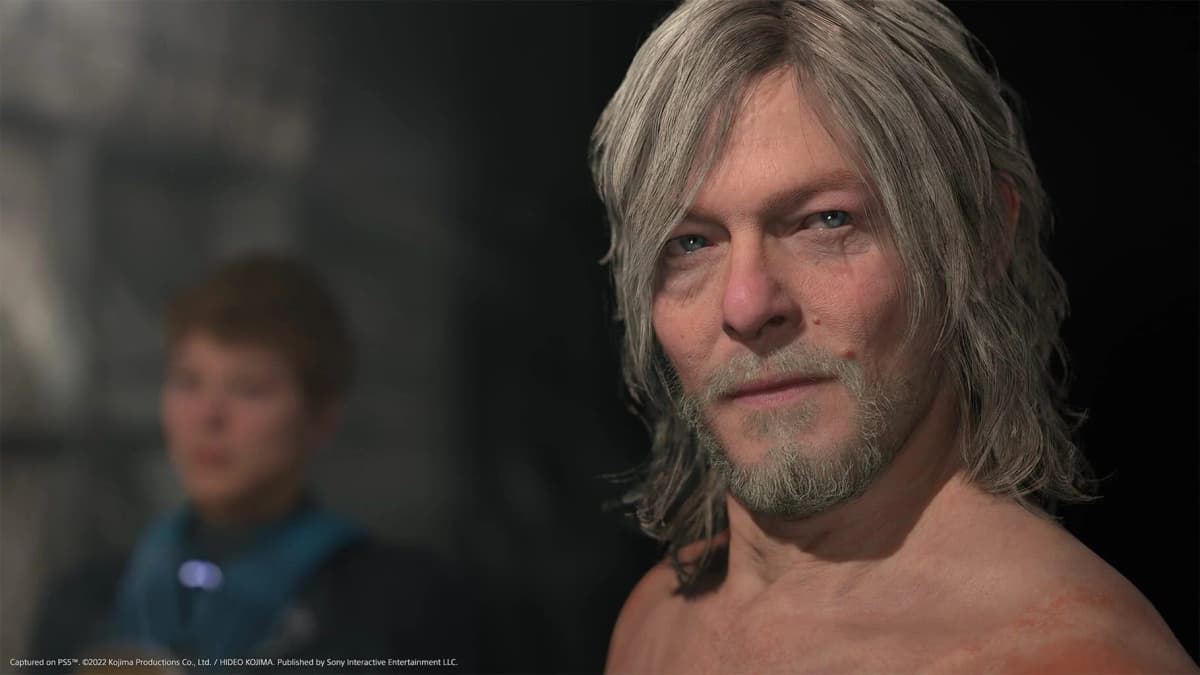
The mileage stat is silly PR, but it proves the design isn’t a gimmick
Let’s be honest: comparing player footsteps to a NASA mission is exactly the sort of dramatic nonsense Kojima loves. It’s theatrical. It’s a little ridiculous. It’s also smart, because it reframes the part of Death Stranding 2 that many AAA games would hide — the act of moving through space — as the achievement itself.
And the detail that matters most is this: those reported miles were on foot, excluding vehicle travel. That’s not a trivial footnote. It suggests players are engaging with the game on its own terms, not just beelining through content or treating traversal as dead time between “real” gameplay moments. In most open-world games, movement is tolerated. Here, it’s the text.
This is also where a lot of coverage goes soft. Outlets love to celebrate “bold creativity” in the abstract, but they’re less eager to say what that means in practice. In Death Stranding 2, it means paying full blockbuster price for a game that still asks you to slow down, manage terrain, and buy into a mood instead of pumping explosions into your bloodstream every 30 seconds. That is a commercial risk, even now. The surprising part is that it appears to be paying off.
The question PR would rather skip: how much of this is lasting appeal, and how much is Kojima aura?
This is the question I’d put directly to Kojima Productions or any PR rep doing the victory lap: how much of Death Stranding 2’s momentum belongs to the game, and how much belongs to the cult of Kojima? Because those are not the same thing.
Kojima can still turn an actor quote or a bizarre stat into a global headline in a way almost nobody else in games can. That’s a real advantage. It also muddies the picture. Plenty of people will try Death Stranding 2 because it’s a Kojima event, not because they’re genuinely interested in its systems. Sustained retention is what separates a cultural happening from a very expensive curiosity.
Still, the early signals are stronger than the old “people just want weird once” argument. The PC launch gave the sequel a second wave of attention, and the engagement stat suggests it didn’t just generate gawking. Players are putting in time. A lot of it. For a series once dismissed as too self-serious and too mechanically stubborn, that’s the most meaningful update here.
Kojima’s real trick is making friction feel authored
There’s a reason Baker’s framing rings true. Kojima’s games have always been at their strongest when they weaponize discomfort rather than remove it. Metal Gear Solid did it with control tricks, tonal whiplash, and anti-war lectures dropped into blockbuster stealth. P.T. did it with repetition and dread. Death Stranding did it by asking whether inconvenience, isolation, and cooperation could themselves be dramatic material.
Most studios remove rough edges in the name of accessibility, retention, or “respecting player time.” Sometimes that’s the right call. Sometimes it just produces smooth, forgettable sludge. Death Stranding 2 seems to be proving there’s still room for a game that respects player intelligence more than player impatience. That won’t work for everyone. It’s not supposed to.
And that’s the part of Baker’s comment worth keeping. “Impacted” is not marketing fluff here. It’s a design filter. If a system is strange, demanding, or a little alienating but supports that goal, Kojima keeps it. Any publisher chasing broader appeal would be tempted to sand those edges off. Kojima’s entire brand is refusing to do that, then daring the audience to meet him halfway.
What to watch next
- Whether Kojima Productions shares more retention data beyond the headline mileage stat. Total miles are flashy; repeat-player engagement is the real tell.
- How the PC audience changes the conversation around the game’s core loop over the next few weeks, especially once launch curiosity settles.
- Whether Baker and the rest of the cast start teasing more about Higgs’ role, because character payoff is where Kojima’s “impact over entertainment” philosophy either lands hard or collapses into indulgence.
TL;DR
Troy Baker says Hideo Kojima wants players to leave Death Stranding 2 impacted, not just entertained, and that tracks with everything Kojima has ever made. The more important development is that players logged nearly 970,000 on-foot miles in ten days after the PC launch, suggesting the sequel’s stubbornly unusual design is connecting at scale. The next thing that matters is retention, because that will tell us whether this is a lasting success or just another Kojima-fueled spectacle.
FinalBoss // Gear
Level up your setup
01Top-rated gaming headsetson Amazon→02High-refresh gaming monitorson Amazon→03Gaming chairson Amazon→04Discounted game keyson Kinguin→
Affiliate links · As an Amazon Associate, FinalBoss earns from qualifying purchases.
Want to Level Up Your Gaming?
Get access to exclusive strategies, hidden tips, and pro-level insights that we don't share publicly.
Ultimate Editor's Pick Strategy Guide + Weekly Pro Tips