
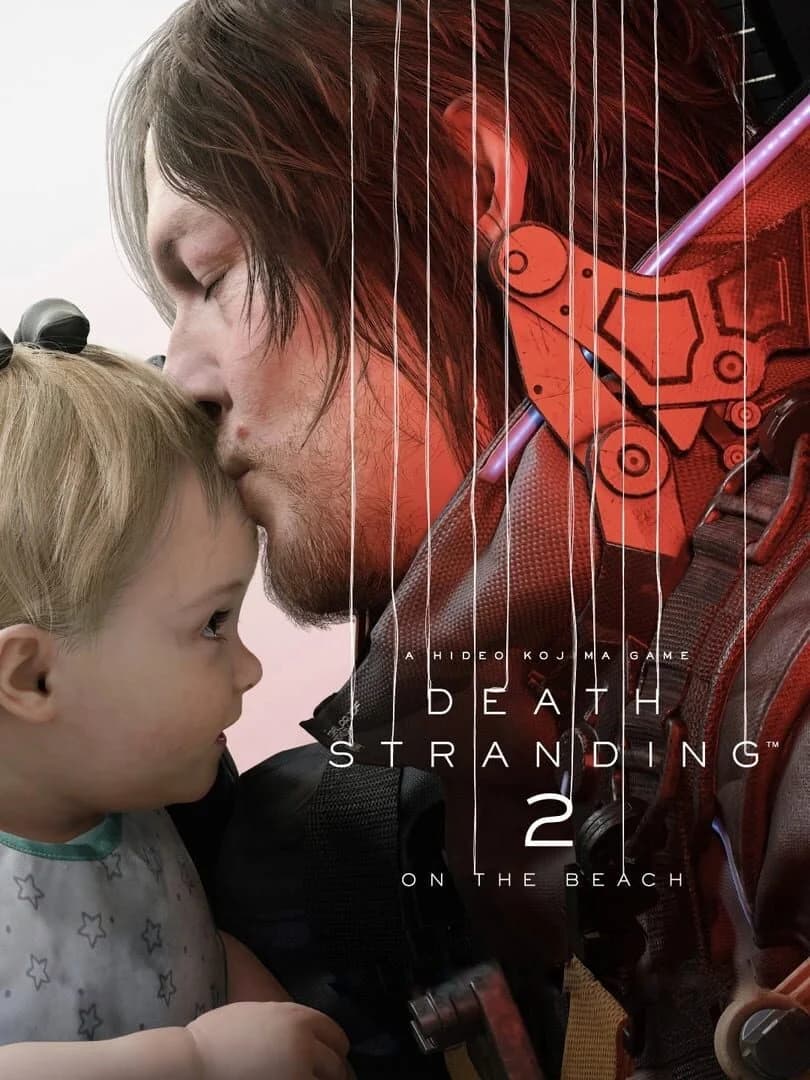
Few game announcements make me stop scrolling, but news about Death Stranding 2: On The Beach always commands attention. From its cryptic storytelling to Kojima’s wild production methods, it’s the sort of project that feels genuinely unpredictable in a landscape full of copy-paste sequels. But hearing just how much COVID-19 shaped this sequel’s creation – right down to rewriting the story – really sets this one apart. For once, the “unprecedented times” PR cliché actually means something.
| Feature | Specification |
|---|---|
| Publisher | Sony Interactive Entertainment |
| Release Date | June 26, 2025 |
| Genres | Action, Adventure, Sci-Fi |
| Platforms | PlayStation 5 |
Let’s be honest: a lot of studios like to talk up their “innovation” during the pandemic, but Death Stranding 2’s behind-the-scenes story puts most to shame. In interviews, Hideo Kojima straight-up admits he was working with actors and devs he couldn’t even meet in person. “I worked mainly with people without even seeing them… It was tough,” Kojima told JV. That’s not just a scheduling headache-it’s a creative nightmare when you’re wrangling actors like Norman Reedus, Léa Seydoux, and Troy Baker, all scattered around the globe.
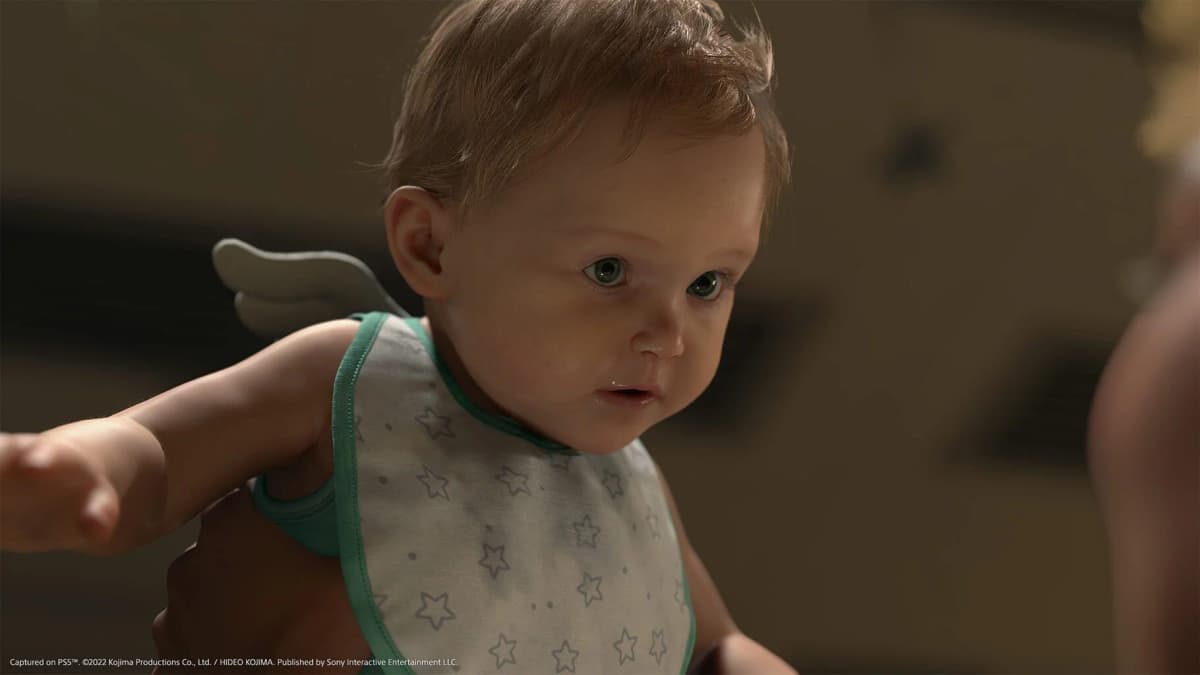
The solution? An almost sci-fi “mado” system—a massive, door-sized screen that acted like a high-fidelity window between Tokyo and LA studios. Kojima described it as “like a gigantic smartphone,” letting the team simulate being in the same space. It’s a surreal echo of the game’s own themes: bridging isolation, making connections across impossible gulfs. (No, you can’t walk through it… yet.)
But here’s what really stands out: rather than pretending everything was business as usual, Kojima rewrote part of the script to integrate the pandemic’s emotional toll. If you remember how the first Death Stranding forecasted a world obsessed with connection-yet-isolation, you know Kojima has a knack for darkly timely themes. The fact that he’s doubling down on this, pulling more real-world anxieties into his world, could make DS2 land even harder than the original for anyone who lived through lockdowns and endless Zoom calls.
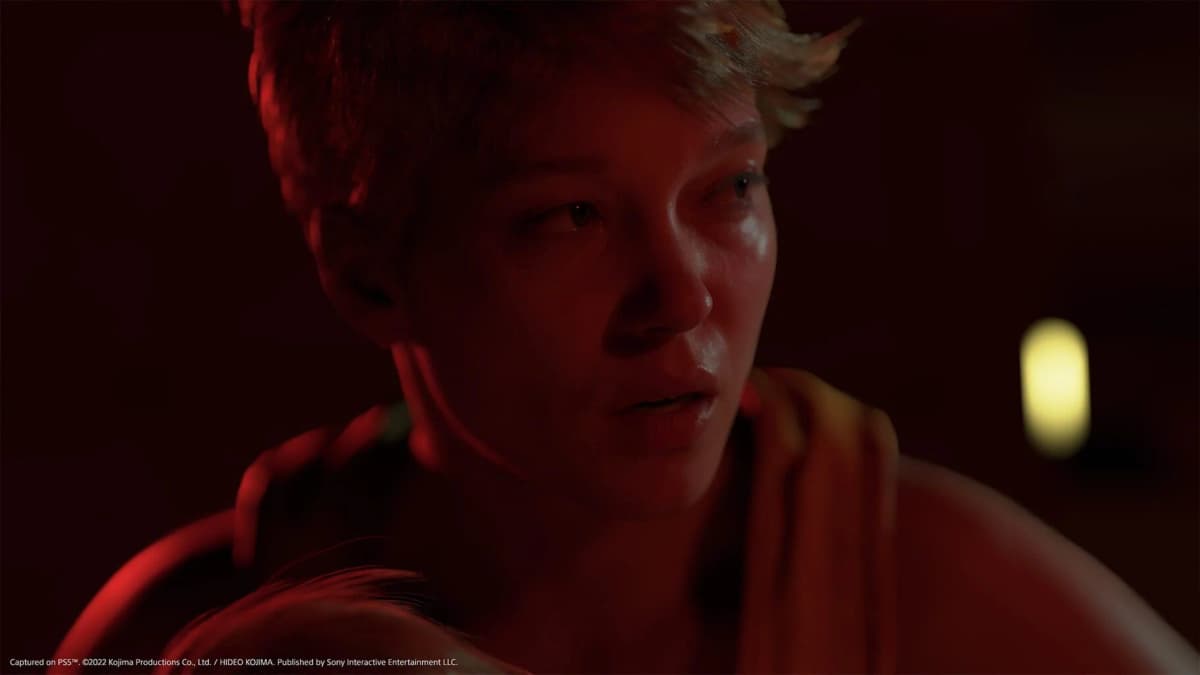
From a gamer’s perspective, I can’t help but respect the brutal honesty here. It would’ve been easy (and safer) for Kojima to stick to his original vision. Instead, he’s channeling the weird, uncomfortable energy of the last few years right into the DNA of Death Stranding 2. This could either be a narrative masterstroke—or a messy reminder of times we’d rather forget. But at least it promises to be memorable and different, which is more than I can say for most AAA sequels.
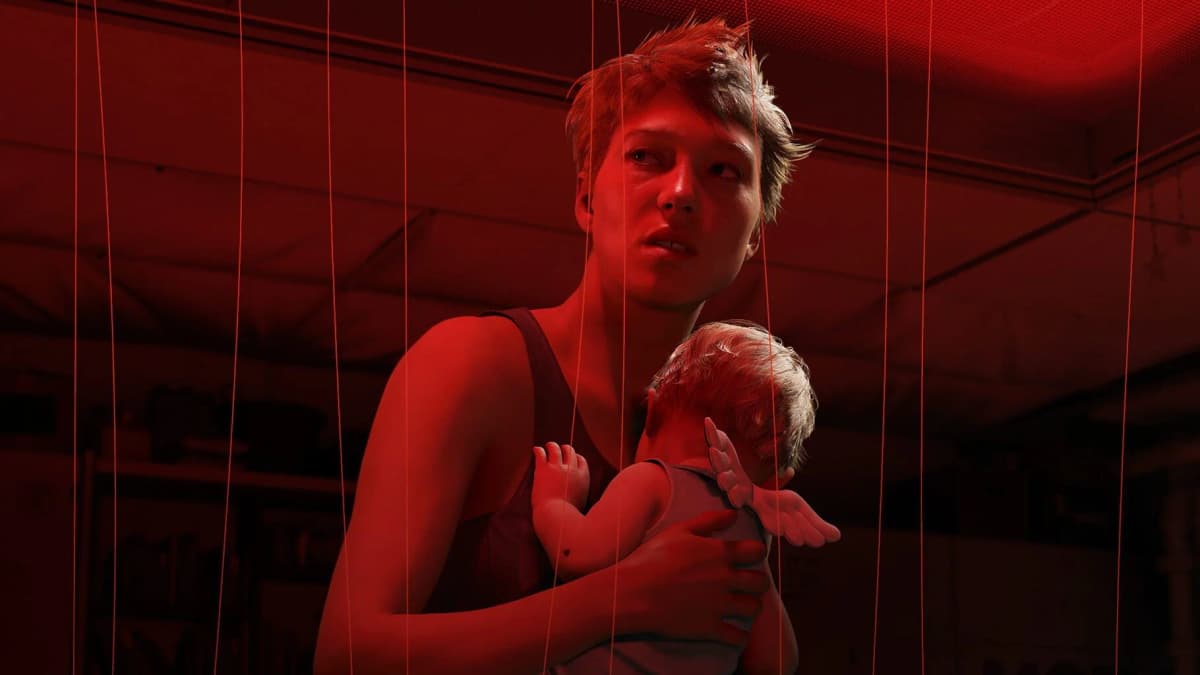
So what does this mean for players? Expect a sequel that isn’t just “more Death Stranding,” but one that’s consciously shaped by the world’s collective trauma. If you’re tired of safe, sanitized blockbusters, this could be your next big obsession—or at least, a fascinating mess worth talking about. The wait until June 2025 suddenly feels a lot more interesting.
Death Stranding 2: On The Beach isn’t just a sequel—it’s a game that’s been fundamentally altered by the pandemic, from its technical pipeline to its very story. Kojima’s willingness to adapt, improvise, and let real-world chaos seep into his work might just make DS2 one of the most relevant (and weird) releases of 2025. Whether it sticks the landing or not, you can’t accuse it of playing it safe.
Source: Sony Interactive Entertainment via GamesPress
Get access to exclusive strategies, hidden tips, and pro-level insights that we don't share publicly.
Ultimate Gaming Strategy Guide + Weekly Pro Tips