
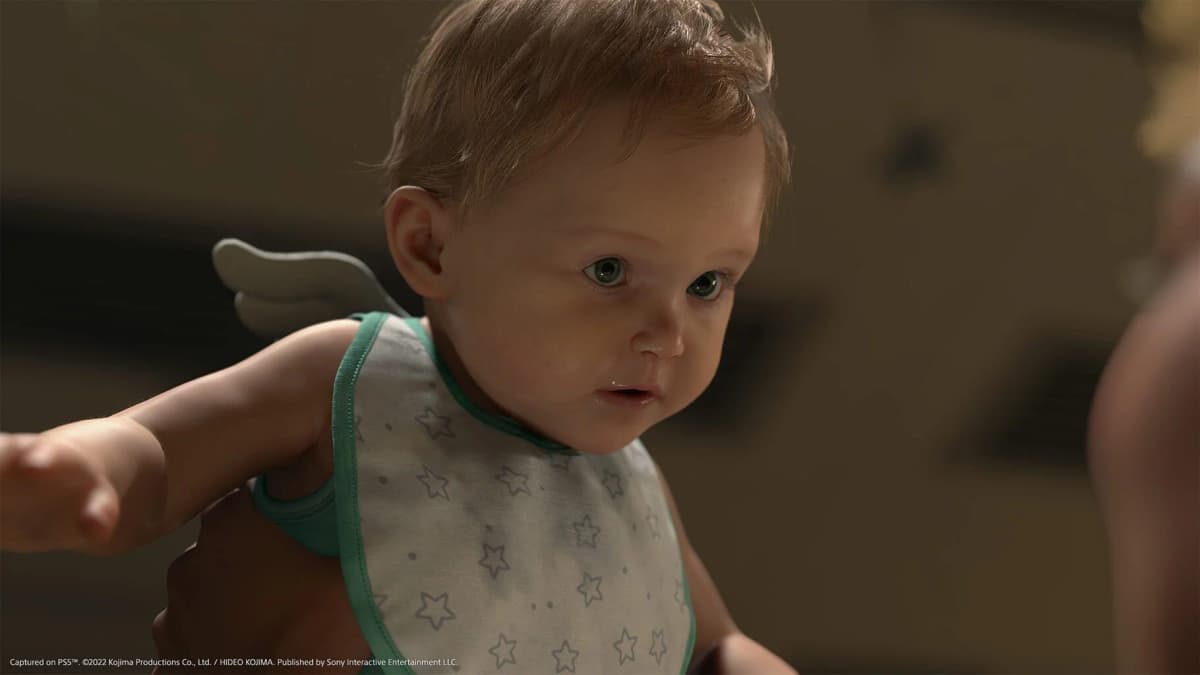
Death Stranding Movie Won’t Adapt the Game — Kojima and Sarnoski Chart a New A24 Story
Game intel
Death Stranding
Embark on an inspiring mission of human connection beyond the UCA. Sam — with companions by his side — sets out on a new journey to save humanity from extincti…
Why This Caught My Attention
When Hideo Kojima and director Michael Sarnoski said during Kojima Productions’ anniversary livestream that A24’s Death Stranding movie won’t adapt the game’s story, I exhaled. Death Stranding is deliberately paced, full of quiet hikes, odd tools, and themes of connection that work because you physically make those connections. Squeezing that into a two-hour highlight reel would miss the point. An original story in the same universe-with new characters and no attempt to condense Death Stranding 2: On The Beach-sounds like the rare adaptation decision that respects both mediums.
Key Takeaways
- The film won’t retell the game’s plot; it’s a new story set in the Death Stranding universe.
- New characters mean freedom to explore fresh corners of the world without contradicting the games.
- No attempt to compress Death Stranding 2 into a movie-so fewer spoilers and cleaner creative lanes.
- No release date yet; the real tells will be casting choices and how weird A24 lets this get.
Breaking Down the Announcement
The headline is simple: Kojima and Sarnoski want a film that lives within Death Stranding’s universe, not a beat-for-beat retread. A24 is producing, which tracks with the series’ moody, arthouse-meets-scifi DNA. Sarnoski (Pig, A Quiet Place: Day One) is a strong pick: he’s proved he can wring emotion out of quiet moments and build tension without over-explaining the monster in the room. That’s exactly the vibe Death Stranding needs on screen.
They also made it clear the movie won’t be a shortcut to “catch you up” on the games or a recap of Sam Porter Bridges’ journey. That’s important. Fans get a new perspective; newcomers aren’t forced into lore dumps that only make sense if you’ve delivered 200 packages and wrestled a BT in a thunderstorm.
Why This Approach Fits Death Stranding
Death Stranding the game is built on doing, not just seeing. The slow, meditative traversal, the social strands, the feeling of paving a path for someone you’ll never meet—those are inherently interactive sensations. Translating that 1:1 into film language is a recipe for either boredom or bombast. A new narrative lets the movie chase the ideas of Death Stranding—connection vs. isolation, climate dread, grief, and the fragile networks we build—without trying to convert every mechanic into a set piece.
It also sidesteps the uncanny valley of actor expectations. The games are defined by big-name performances (Norman Reedus, Léa Seydoux, Mads Mikkelsen). Recasting those roles invites instant comparison; trying to wrangle their schedules for a faithful retelling would box the movie in. New characters let Sarnoski craft a story scaled to film—maybe a border post community on the edge of the Chiral Network, a smuggler caught between factions, or a porter whose route goes places we haven’t seen. Same rules: Timefall, BTs, Bridges, DOOMS—new lens.
Industry Context: Learning from Adaptations That Worked
We’ve seen two viable roads for game adaptations. The Last of Us nailed the faithful route because its game already played like prestige TV and leaned on character drama that thrives without a controller. On the other side, Detective Pikachu and the Sonic films carved out original stories inside their worlds, focusing on tone and accessibility. Death Stranding sits closer to the latter. Its strengths—vibes, worldbuilding, and weird—are tailor-made for an A24-flavored original that privileges atmosphere over exposition.
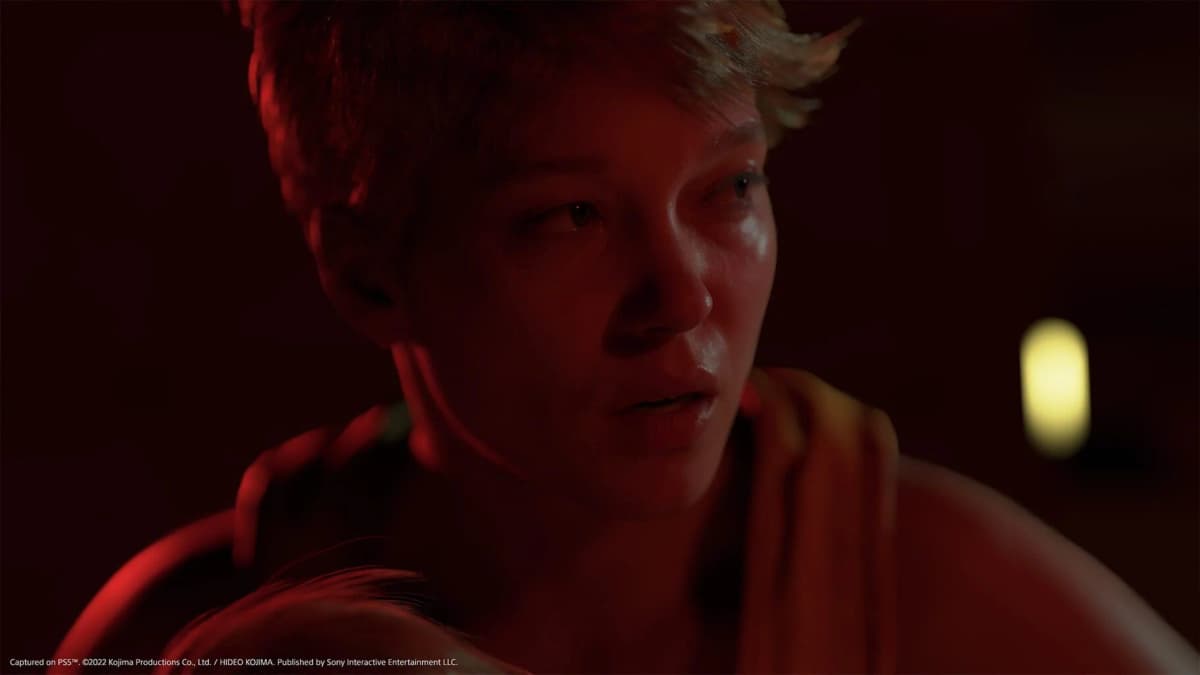
And yes, A24’s fingerprints matter. They’re comfortable with slower burns, striking visuals, and genre oddities that mainstream studios would sand down. That could mean a smaller scale, fewer explosions, and more attention to soundscape and mood—exactly how Death Stranding’s world crawls under your skin.
The Gamer’s Perspective: Hopes and Red Flags
What I want: a grounded story about ordinary people surviving extraordinary rules. Show us how communities rebuild when the mail matters more than money. Keep the tech tactile—the Odradek spinning up, the weight shifting under a loaded backpack, the dread of Timefall pinging on a tin roof. Use BTs sparingly so they stay terrifying. Let the movie be strange without explaining every noun.
What worries me: detaching so far from the games that it feels like a logo slap. If the film ignores the emotional thesis—connection through small, relentless acts—it’ll just be post-apocalyptic wallpaper. And while the promise to avoid condensing Death Stranding 2 is smart, the script still needs a clean entry point for newcomers without turning into a glossary.
Looking Ahead
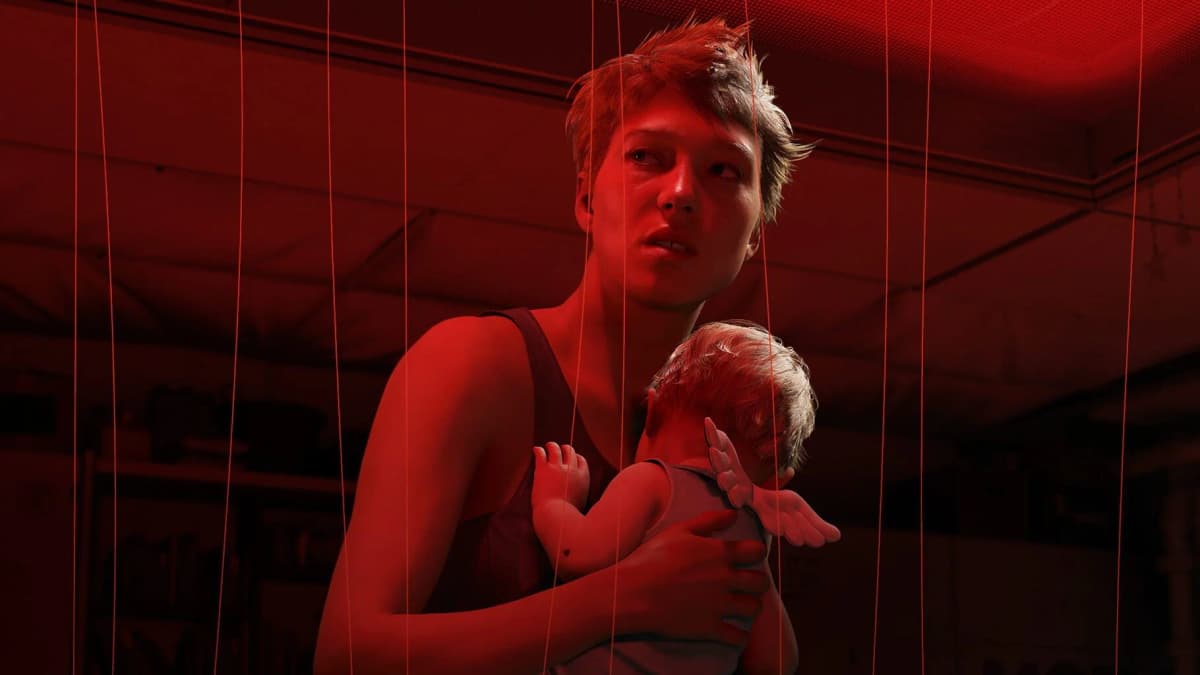
No release date, no casting yet—so the next big signals will be who they hire in front of the camera and how the first synopsis reads. The team’s stance suggests they’ll keep the games’ narrative runway clear, which should reassure players diving into the sequel while giving the film freedom to surprise. If Kojima and Sarnoski stick to mood, mystery, and human-scale stakes, this could be the rare video game movie that feels essential rather than optional.
TL;DR
Death Stranding’s A24 film won’t adapt the game’s story; it’s an original set in the same universe with new characters, and it won’t compress Death Stranding 2. That’s the right call: let the movie chase the world’s ideas and vibes, not speedrun Sam’s journey. Now it’s on casting and tone to carry the strand.