
Game intel
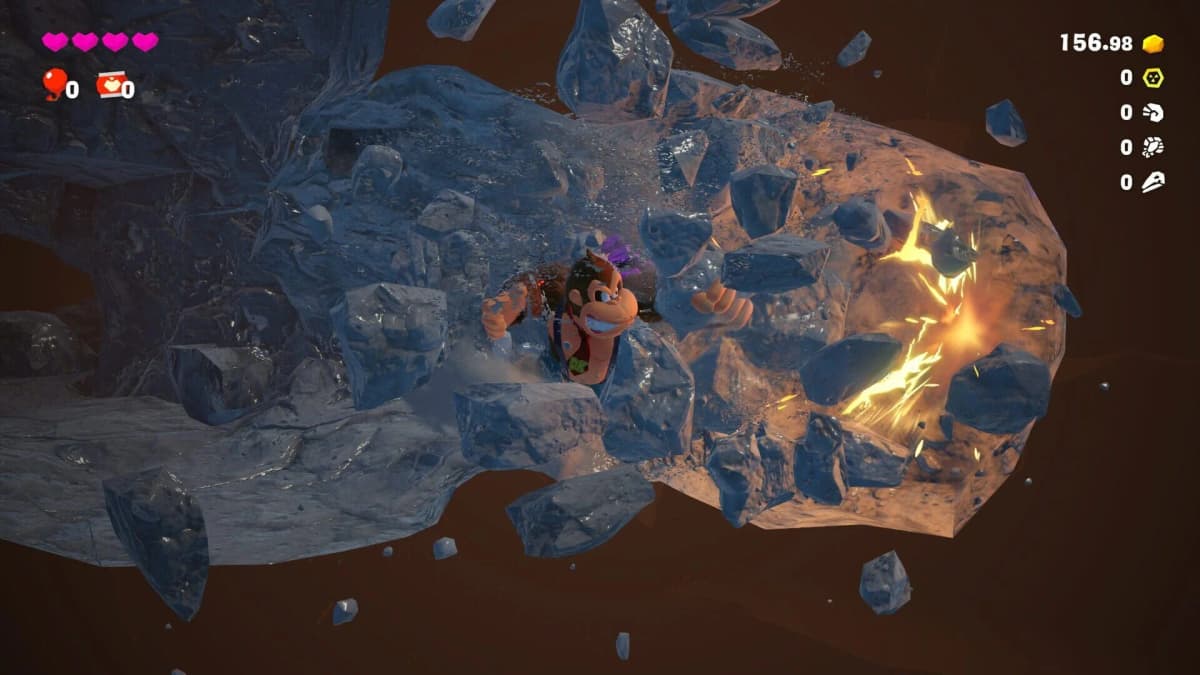
Donkey Kong Bananza
Donkey Kong Bananza is exclusively on Nintendo Switch 2! Explore a vast underground world—by smashing your way through it! Bash, throw, and climb through just…
The end of Summer Game Fest has not slowed the pace of major announcements. Last week delivered headline-grabbing reveals and sobering updates for several key publishers. Here’s your concise briefing on the moves that will shape the next console generation.
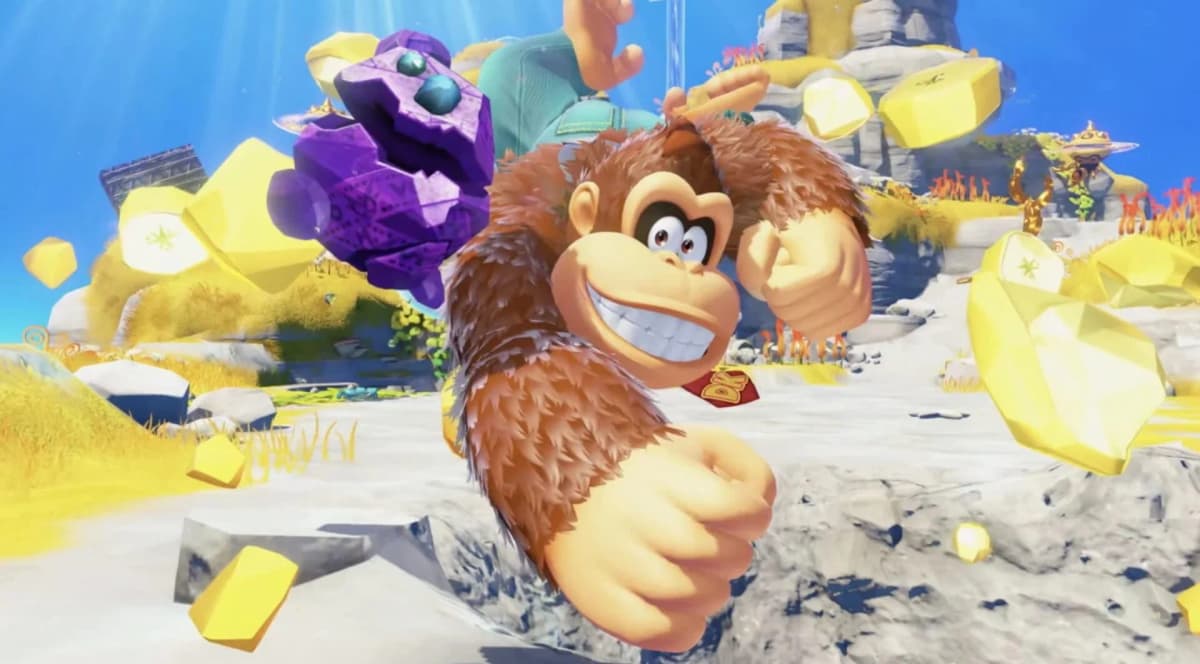
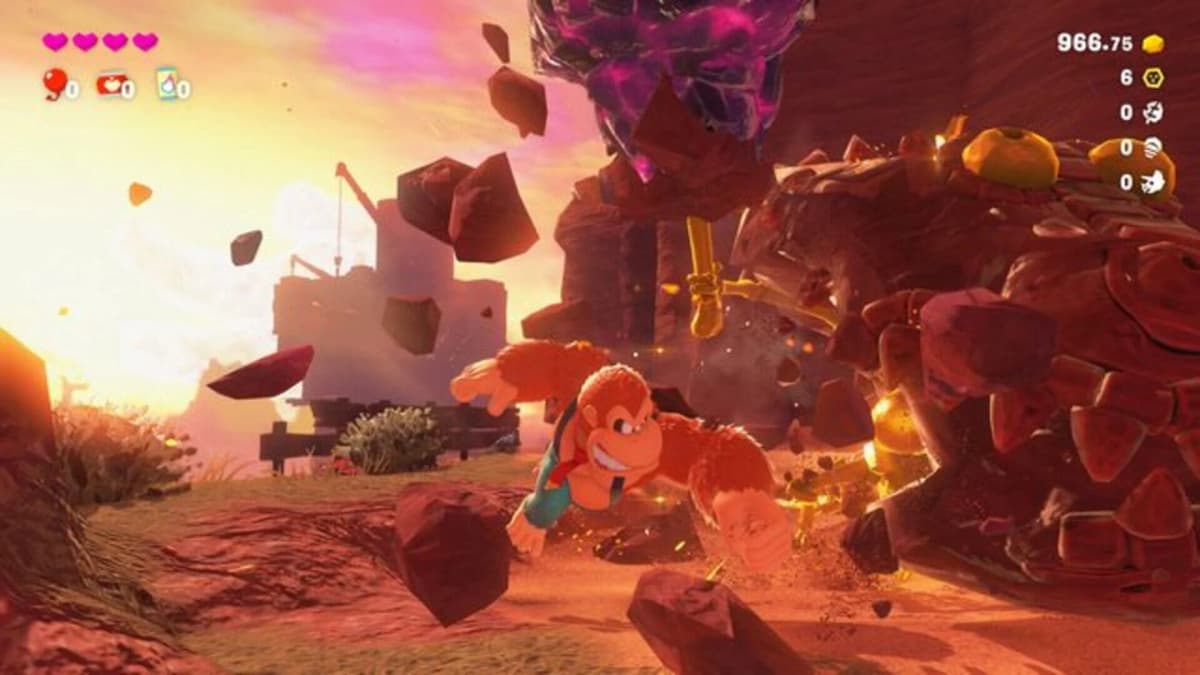
Nintendo Direct kicked off with Donkey Kong Bananza, marking DK’s most ambitious spotlight in years. Beyond updated textures and lighting, the reveal emphasized expanded level variety and dynamic environmental mechanics, suggesting Switch 2 may offer more than a cosmetic refresh. Early footage hints at faster load times and seamless world traversal—capabilities often promised but seldom fulfilled on Nintendo hardware. If Nintendo sustains this technical lift across its first-party lineup, Switch 2 could redefine expectations for mobility and performance in the handheld-hybrid space.
Sony and Microsoft are already laying groundwork for “Generation 10” machines, even as current consoles remain in high demand. Sony’s messaging underscores curated, narrative-driven exclusives that build on its legacy in cinematic game design. In contrast, Microsoft stresses an expansive ecosystem—cross-play, cloud streaming, and subscription tiers aimed at unifying PC and console libraries. Neither side has disclosed detailed specs or release windows, but both are under pressure: hybrid devices have shifted consumer priorities toward portability and anytime access. The emerging hardware battle will likely hinge on which platform better balances high-fidelity performance with flexible user experiences.
Warner Bros. Games has struggled to find traction following a series of underperforming live-service pilots and leadership reshuffles. The publisher’s reliance on established franchises—ranging from superhero epics to fantasy adventures—has yielded diminishing returns in an era that rewards fresh intellectual property and community-driven content. Without a transparent plan for innovation or a refined service model, Warner Bros. risks ceding ground to more agile studios that embrace iterative development, transparent roadmaps, and closer engagement with player communities.
The current landscape reflects broader post-pandemic realignments. Supply-chain constraints and remote development challenges forced publishers to reevaluate project scope and monetization strategies. As production pipelines normalize, companies must decide whether to double down on blockbuster titles or diversify into live-service and indie-inspired formats. Those that adapt swiftly—leveraging data-driven insights and flexible release cadences—will be best positioned for sustained growth as consumer spending stabilizes.
Consumers should assess each platform’s long-term vision. A robust Switch 2 launch anchored by authentic technical enhancements could reinvigorate Nintendo’s fan base. PlayStation loyalists can anticipate polished single-player epics, while Xbox supporters may benefit from broader service integration across devices. Fans of Warner Bros. franchises may need to temper expectations or explore alternative publishers known for innovative IP. For investors and industry watchers, the delineation between companies investing in substantive evolution versus those relying on familiar formulas will become a critical factor in evaluating future performance.
Get access to exclusive strategies, hidden tips, and pro-level insights that we don't share publicly.
Ultimate Gaming Strategy Guide + Weekly Pro Tips