

Deep Sleep: Labyrinth of the Forsaken – Indie Horror’s Most Daring Turn Yet
Game intel
Deep Sleep: Labyrinth of the Forsaken
What dreams are made of is the stuff of nightmares in this new point-and-click adventure. Delve deep into realms both fantastical and terrifying, and use the p…
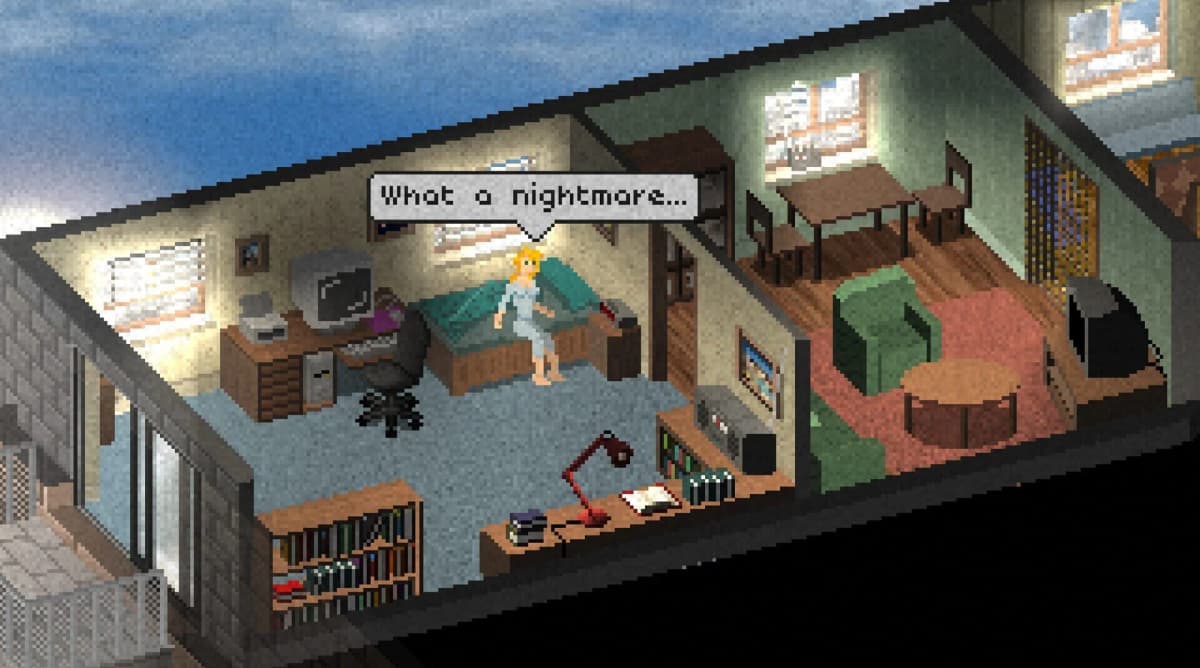
When an indie series like Deep Sleep suddenly throws turn-based combat into its signature mix of atmospheric horror and point-and-click adventure, you can’t help but pay attention. Scriptwelder cut their teeth on free web horror games that obsessed a generation of Flash kids. Now, with the release of Deep Sleep: Labyrinth of the Forsaken, they’re doing something almost no one in this niche dares: blending classic puzzles, twisted dreamscapes, and actual, tactical fights. That’s a risky move in a genre where most fans just want to run for their lives (or hide in the nearest closet).
Key Takeaways for Horror and Adventure Fans
- Combat is in-by design: Turn-based fights aren’t a tacked-on gimmick; they force thoughtful play, not frantic click-fests or boring run-away loops.
- The dream world is stranger and deadlier: Scriptwelder leans hard into lucid dreaming, puzzles, and unreliable realities to keep veterans on their toes.
- Multiple endings and secrets: True to their roots, exploration and experimentation are heavily rewarded, not just punished.
Breaking Down the Announcement: Not Just Another Point-and-Click
What caught my attention is how much scriptwelder is willing to mess with what made Deep Sleep a cult brand in the first place. Classic Deep Sleep games felt like playable nightmares-creeping through lo-fi dream logic, solving puzzles under threat, but violence was always distant, more existential than physical. Now, with Labyrinth of the Forsaken, we’re looking at RPG-light mechanics: skill upgrades, randomized dream layouts, and turn-based encounters that make each decision matter.
I’m curious (and a bit wary) if this new direction will work. Adventure game purists typically hate shoehorned-in combat, but here, fights are more like resource puzzles: plan, act, survive, or fade into the nightmare. It’s a throwback to old-school PC design, where every ration counted and dying felt personal, not just a setback.
The Deep Sleep Legacy: Why Fans Should Care
Scriptwelder isn’t some fly-by-night studio. The Deep Sleep trilogy (2012-2014) was a mainstay in the browser horror space-if you haunted Newgrounds, Armor Games, or Kongregate, you probably lost hours to those shadowy, surreal escapes. They’re also behind Don’t Escape: 4 Days to Survive, which proved they could stretch a simple premise into premium territory without losing that indie soul.
It matters that Labyrinth of the Forsaken dares to shake up the formula. We’ve seen too many indie horror sequels coast on nostalgia or safe design, but this game is doubling down on new mechanics, a more involved story (you’re searching for a lost brother—family drama in the horror space never goes out of style), and a layered dream world that shifts with every playthrough.
Want to Level Up Your Gaming?
Get access to exclusive strategies, hidden tips, and pro-level insights that we don't share publicly.
Ultimate Gaming Strategy Guide + Weekly Pro Tips
What This Means for Players: Excitement & Real Risks
Here’s where I get genuinely hyped: lucid dreaming as a mechanic lets you do more than just click on spooky objects. You reshape the world, bargain with weird dream denizens, and risk it all each time you decide to fight instead of run. The turn-based system is almost like a puzzle in itself—success comes from reading situations, not reflexes. If scriptwelder nails the balance, this could be a big step up from generic walking-simulator frights or janky combat we’ve seen in other attempts to “modernize” point-and-clicks.
But I’m also wary from years of indie horror that promises “unique” or “innovative” mechanics, only to deliver clunky, immersion-breaking systems (remember the slew of horror games with awkward combat post-Amnesia?). At $19.99, it’s more than episodic horror but less than full AAA pricing—a fair ask, but risky if you’re expecting another classic “escape the room” experience without a learning curve.
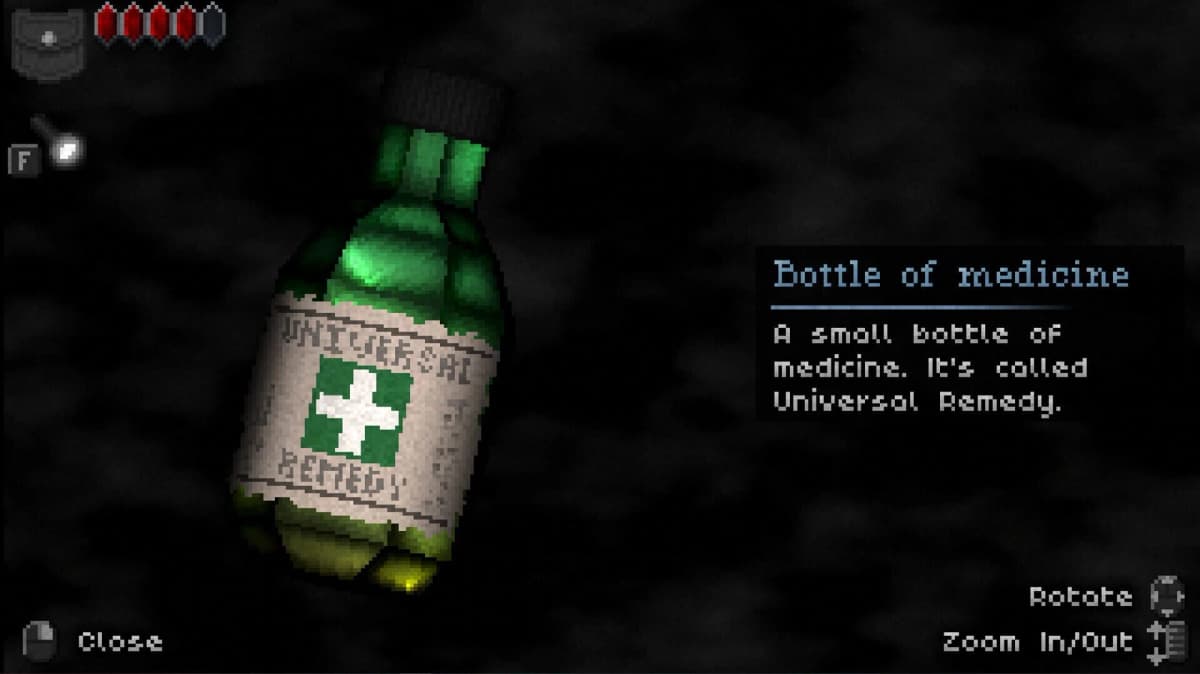
One win: there’s a demo. Veterans and newbies alike can actually see if the new mechanics click before buying in. The fact that scriptwelder and Armor Games also dropped bundles for their older work is a smart move—great for horror completionists or anyone looking to catch up before diving in.
TL;DR
Deep Sleep: Labyrinth of the Forsaken is taking bold swings by tossing turn-based combat into a classic point-and-click horror formula. For old fans, it’s a daring evolution; for genre newcomers, it’s a rare, atmospheric mix of puzzles, tension, and real decision-making. Just don’t expect a safe retread of web horror’s golden age—the nightmares here demand a whole new mindset.