
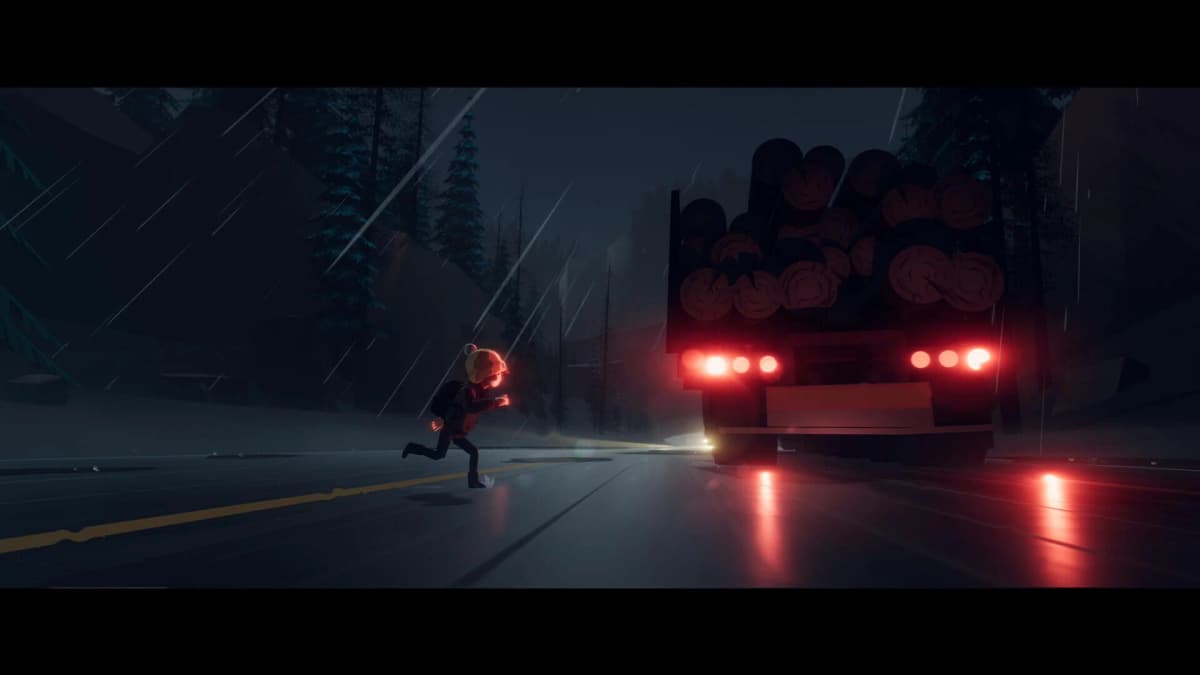
Deer & Boy aims for heartfelt cinematic platforming in 2026 — here’s what needs to work
Game intel
Deer & Boy
A Cinematic Platformer who you follow the journey of a boy who, during his flight will meet an unexpected companion. Together they will overcome many obstacles…
This moody platformer caught my eye-and not just for the vibes
I’m a sucker for melancholic, wordless platformers-the Limbo/Inside lineage that lives or dies on atmosphere, animation, and clever, readable puzzles. Deer & Boy, the debut from French studio LifeLine Games with publisher Dear Villagers, just resurfaced at the Future Games Show with a fresh trailer and a 2026 release window on PC, PS5, Xbox Series, and Nintendo Switch. The pitch is instantly evocative: a boy on the run, a frightened fawn, and a bond that deepens as the animal grows into a powerful deer. That’s potent material-but to stand out in the crowded “cinematic platformer” lane, the execution needs to be razor sharp.
Key takeaways
- LifeLine’s debut is a companion-driven cinematic platformer where a fawn matures over the journey—implying evolving mechanics.
- 2026 launch across PC, PS5, Xbox Series, and Nintendo Switch raises performance and parity questions, especially on aging hardware.
- The trailer leans into emotion; now we need to see how agency, puzzles, and companion commands actually play minute-to-minute.
- Dear Villagers’ track record with narrative-forward indies is a good sign, but escort-AI pitfalls are real.
Breaking down the announcement
First shown during Summer Game Fest 2024, Deer & Boy returned with a new look at its “poetic” journey. Studio founder and game director Jayson Houdet framed expectations with a refreshingly candid note: “To everyone who’s shown love for Deer & Boy, thank you from the bottom of my heart… We feel the weight of your expectations, and we’re pouring everything we have into bringing our vision to life, and sharing something truly meaningful with you.” It’s the studio’s first project, but “veteran-led” suggests experience behind the scenes—even if the team’s prior credits weren’t detailed here.
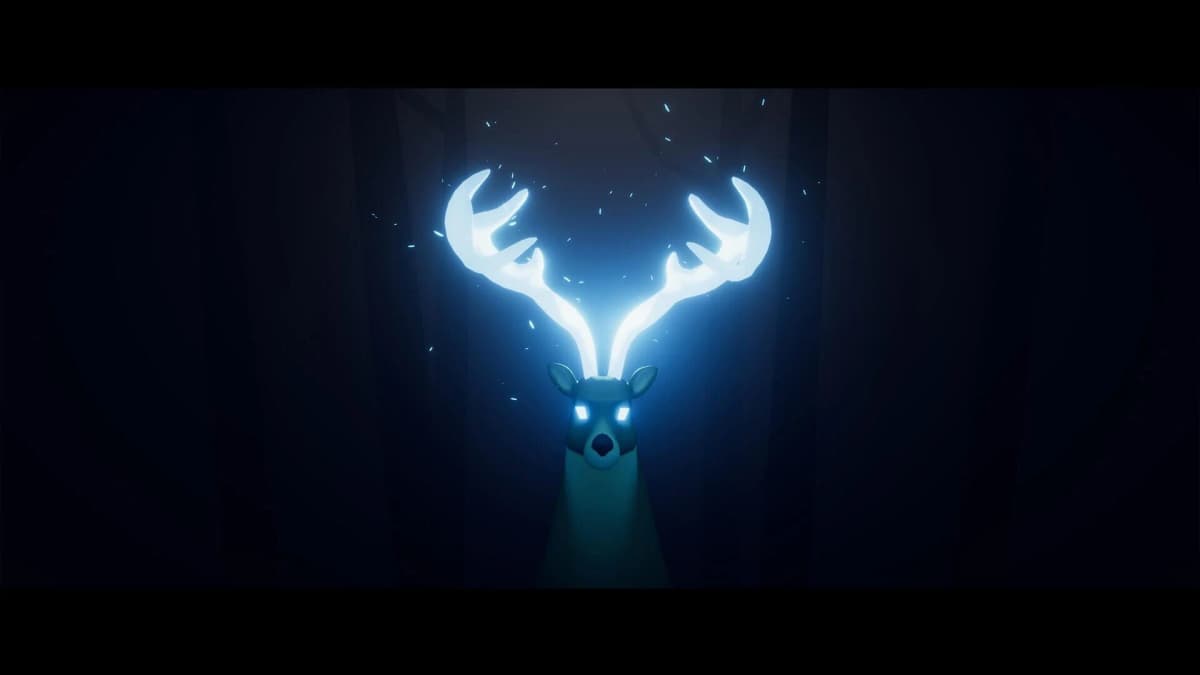
On paper, the arc is strong: a boy and fawn escape their realities, the animal matures, and the partnership helps the kid overcome bigger obstacles. That growth curve screams mechanical escalation—think new traversal options or puzzle verbs unlocked as the deer gains strength. If the game nails that feeling of growing trust, the emotional beats will land without a single line of dialogue.
The real story: companion design will make or break this
Anyone who adored The Last Guardian knows how magical (and maddening) AI companions can be. In 2D-oriented cinematic platformers—Inside, Planet of Lana, Little Nightmares II—companions shine when their behavior is readable and your inputs are simple but expressive. The worst version becomes an escort mission with pathfinding headaches and puzzle solutions that hinge on guessing opaque AI triggers.
Deer & Boy needs a tight command system—contextual whistles, follow/stay, boost me up, shove that obstacle—that stays minimal yet flexible. The deer growing over time is a perfect excuse to expand the verb set in ways that feel natural: early-game skittishness limits what you can ask; mid-game confidence enables cooperative climbs and charges; late-game strength recontextualizes earlier spaces. If the designers smartly build puzzles around that evolution, the narrative and mechanics reinforce each other instead of competing.
One more ask: keep the “cinematic” in the animation, not in wrested control. The genre can overindulge in long, unskippable set-pieces and sluggish input buffering in the name of filmic feel. Responsiveness, clear silhouettes, and readable hazards matter more than perfectly smooth motion when you’re solving timing-based sequences.
Industry context: a crowded, gorgeous lane
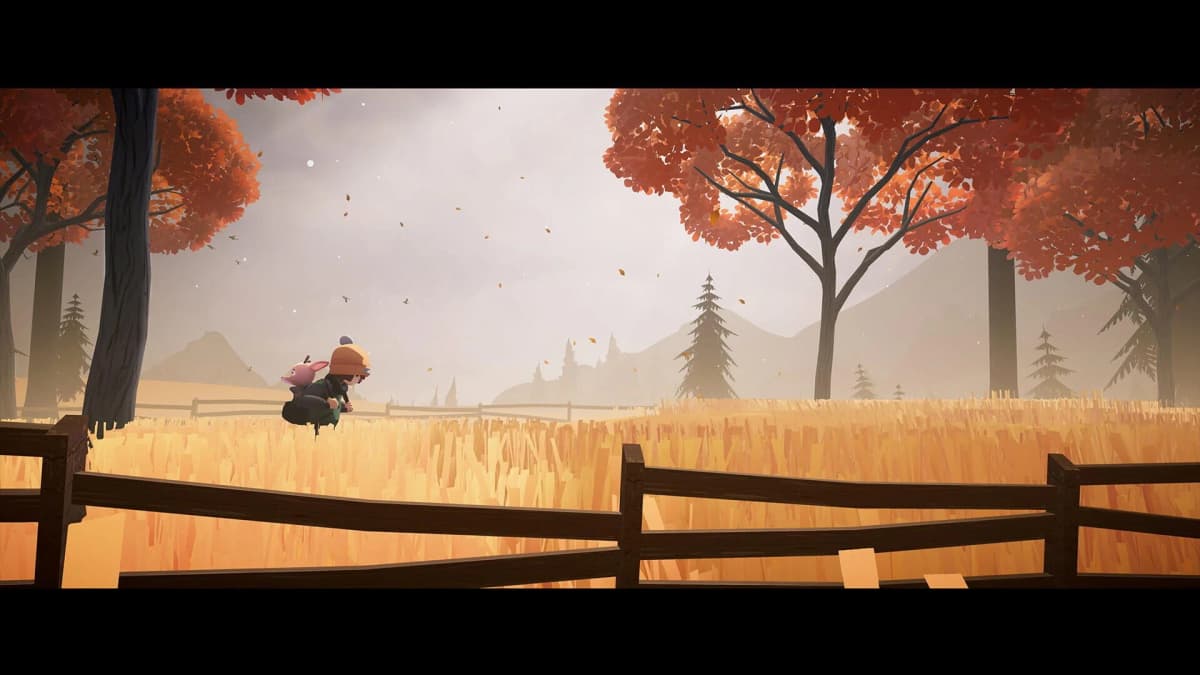
We’re in a mini-revival of moody side-scrollers. Inside set the modern bar, Planet of Lana brought painterly warmth, Somerville went cinematic-but-uneven, and Blanc leaned into delicate companionship but stumbled on depth. The throughline: stunning art can grab attention, but staying power comes from puzzle clarity, frictionless checkpointing, and a pace that respects players’ time.
Dear Villagers has a decent eye for narrative-first indies—The Forgotten City, ScourgeBringer, and Edge of Eternity were all distinctive in their lanes. That doesn’t guarantee polish, but it suggests the publisher isn’t afraid of projects with personality. If LifeLine executes, Deer & Boy could sit comfortably alongside those games as a word-of-mouth favorite rather than a disposable trailer moment.
What gamers should watch for next
- Moment-to-moment systems: Do we directly command the deer? Are cues readable, and does the AI behave consistently under pressure?
- Runtime and price: Cinematic platformers often land in the 3-6 hour range. That’s fine if the pacing is tight and the price reflects it.
- Accessibility: Colorblind-friendly cues, robust subtitles (if any VO), input remapping, and forgiving checkpointing keep the genre welcoming.
- Performance parity: 2026 on Nintendo Switch is a question mark. If the current Switch is still the target, we’ll want to see stable frame rates and smart visual scaling.
- Variety over padding: New mechanics as the deer grows should retire old tricks before they wear out. No stealth-only slogs, please.
This announcement stood out because the premise is classic but fertile: companionship as design, not just story. If LifeLine keeps the control scheme elegant, lets puzzles teach themselves, and builds the bond through play, Deer & Boy could earn a spot next to the genre’s greats. If it leans too hard on fragile AI, vague solutions, or set-piece excess, it risks joining the pile of “looked lovely, played middling” also-rans.
TL;DR
Deer & Boy looks like a heartfelt addition to the cinematic platformer family, built around a growing deer companion and a quiet, evocative journey. The concept is strong; now the onus is on LifeLine to nail companion AI, puzzle clarity, and performance across platforms—especially Switch—so the emotion comes from play, not just presentation.