
Delabs Games’ Sustainable Web3 Pitch: Promise or Hype?
Game intel
Boxing Star X
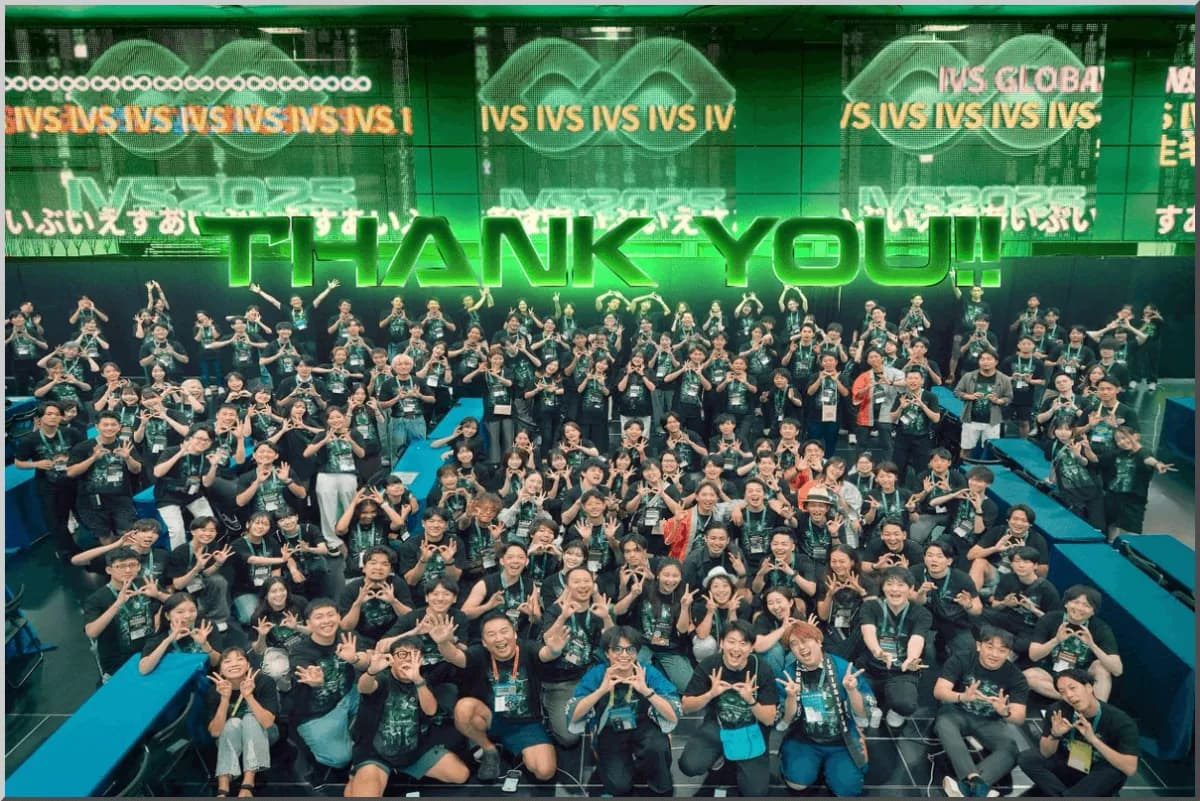
If you’ve tuned into the Web3 gaming chatter this year, you’ve probably felt equal parts excitement and exhaustion. “Blockchain this,” “NFT that,” “Play-to-earn triple-A.” It’s enough to make even the most optimistic gamer roll their eyes. So when I spotted Delabs Games on the speaker roster at IVC Summit 2025 in Kyoto, I braced for buzzword bingo. To my surprise, CEO Joonmo Kwon zeroed in on long-term sustainability rather than another token giveaway. That shift—from flash-in-the-pan hype to systematic economic design—deserves more than a passing glance.
Behind the Pitch: Delabs at IVC Summit 2025
The theme of the summit wasn’t “get rich quick with crypto,” but “can Web3 actually deliver value beyond speculation?” Kwon joined a panel titled “Game On or Game Over: The Real Value in Web3 Gaming,” sharing the stage with VCs and other studio heads who’ve seen their share of boom-and-bust projects. The talk wasn’t light on tough questions: how do you keep token supply in check, prevent rampant inflation, and still reward genuine engagement? Delabs didn’t dodge—it laid out a three-pronged approach centered on economic controls, gameplay integration, and community governance.
Building a Balanced Economy: Delabs’ Economic Model
At the core of Delabs’ argument is a simple premise: gameplay alone won’t drive Web3 games if token emissions diverge wildly from real value creation. Kwon described a layered economy with:
- Controlled Token Emissions: Rather than a flat daily drip of tokens, rewards will flex based on network health metrics—such as active user count, turnover velocity, and stake depth. This dynamic model aims to throttle emissions when activity spikes, preventing gut-wrenching crashes when whales unload holdings.
- Deflationary Sinks: In-game assets, cosmetic upgrades, tournament entry fees and guild membership dues act as regular token sinks. By routing a percentage of every transaction—whether marketplace trade or special event fee—into a burn contract, Delabs hopes to stabilize token value over time.
- Cross-Title Interoperability: Boxing Star X isn’t a one-off. Kwon teased plans for a modular asset system that travels across upcoming Delabs titles. Fighters, equipment, and cosmetic NFTs will retain utility from mobile spin-offs to PC tournaments, incentivizing long-term holding and deeper engagement.
While the devil’s in the details—Delabs has yet to release a full economic whitepaper—the framework suggests a conscious effort to avoid the pump-and-dump cycles that plagued first-generation Web3 launches. What remains to be seen is how transparent and adaptable these metrics will be in practice.
Gameplay Mechanics: More Than Just Tokens
Of course, a balanced coin economy won’t matter if the game itself is a grindfest. Delabs is betting on a hybrid sports-RPG loop designed to keep intrinsic motivation high:
- Skill-Based Combat: Boxing Star X promises real-time, physics-driven bouts rather than simple click-to-earn mechanics. Early demos hinted at combo meters, parry timing, and special move gauges—features that require genuine practice and mastery.
- Seasonal Leagues and Tournaments: Regular competitive windows will offer leaderboard rewards in both tokens and limited-edition NFTs. By capping top-tier prizes and scaling them according to overall participation, Delabs aims to foster healthy competition without bankrupting the treasury.
- Social Guild Structures: Players can form or join crews, pooling resources for shared stakes in high-stakes matches. Guilds will gain governance tokens—earned through collective achievements—that unlock voting rights on feature proposals and economic parameter tweaks.
- Skill Progression Meets Ownership: Rather than minting skill upgrades as fixed NFTs, Delabs plans a hybrid rental model. High-level equipment can be leased via smart contracts, generating revenue for passive holders while keeping entry barriers reasonable for new players.
This design philosophy tries to align token incentives with genuine play patterns. Yet each new layer introduces complexity—and smart contracts that need robust auditing. Delabs has signaled audits are underway, but timing and scope remain publicly unverified.
Want to Level Up Your Gaming?
Get access to exclusive strategies, hidden tips, and pro-level insights that we don't share publicly.
Ultimate Gaming Strategy Guide + Weekly Pro Tips
Critical Questions and Potential Pitfalls
All of this sounds promising on stage, but we’ve been here before. Plenty of studios promise “engaging mechanics” plus “sustainable tokenomics,” only to leave disappointed players with overpriced NFTs and empty servers. Key uncertainties include:
- How will Delabs measure and publish economic health metrics without overwhelming players with jargon?
- What safeguards exist if token value dips below a critical usability threshold—will free-to-play routes suffice?
- How resilient is the system against market manipulation by whales, bots, or external yield farms?
- What will player retention curves look like once the novelty wears off? (This is where independent research and regular transparency reports could really help.)
Without independent data on early access and live beta performance, we’re largely trusting Delabs’ roadmap and a few polished demos. My advice: watch for community-run analytics dashboards and third-party audits. Those will separate serious implementation from slide-deck promises.
What This Means for Players: Guarded Optimism
If you’ve grown wary of every new “NFT-powered” release, Delabs’ measured tone is a breath of fresh air. Addressing economic sustainability head-on shows a level of self-awareness that most blockchain outfits lack. For gamers who just want fun wrapped in plausible token mechanics, Boxing Star X—and the wider Delabs ecosystem—could mark a step forward.
But the jury’s still out. The company needs to deliver accessible wallets, clear economic dashboards, and genuinely engaging core loops before skeptics drop the back-button reflex. If token sinks, dynamic emissions and cross-game utility all work as advertised, there’s a blueprint here. If not, we’ll chalk this up to another Web3 wild goose chase.
TL;DR: A Promising Framework, Execution Key
Delabs Games turned heads at IVC Summit 2025 by emphasizing sustainable tokenomics and integrated gameplay mechanics over flashy NFT drops. Their three-pillar approach—dynamic emissions, deflationary sinks, and cross-title assets—paired with skill-based combat and guild structures, outlines a potential path forward. But until we see open data, audited contracts, and live metrics on player engagement, cautious optimism is the right stance. Here’s hoping Boxing Star X delivers more than buzzwords—and that Delabs follows through on transparency and adaptability as they scale.