
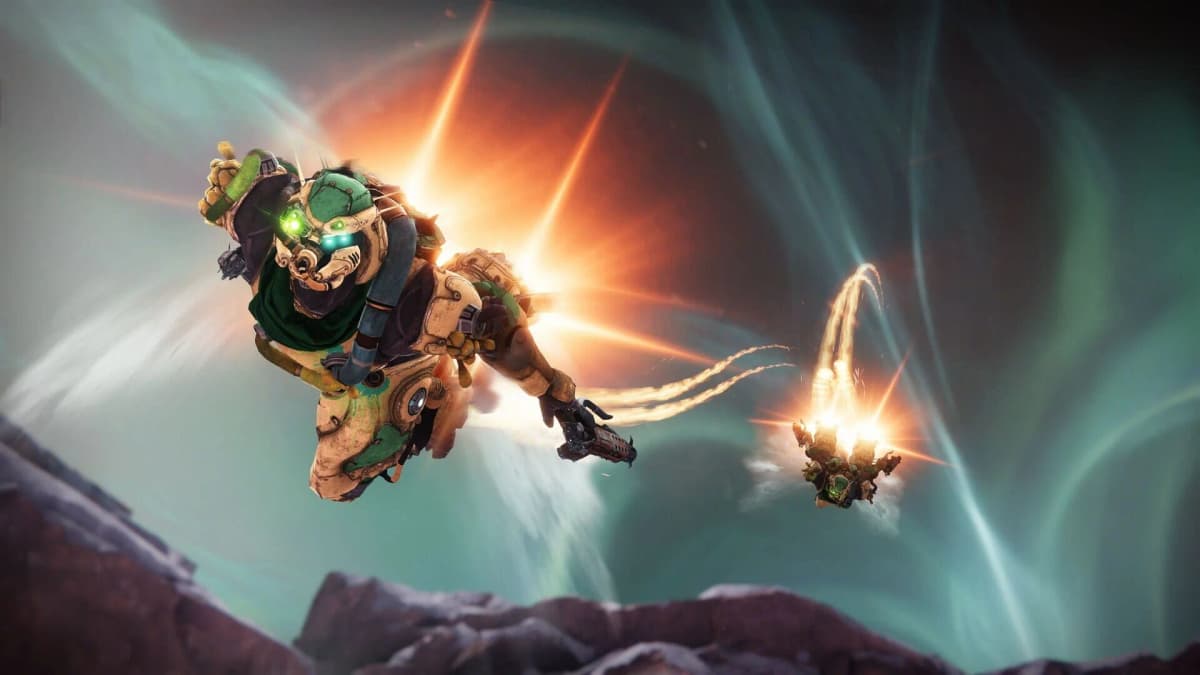
A hand cannon headshot in Destiny 2 still lands with a crack that no other shooter has matched. The screen shudders. The enemy staggers. For a split second, the ten years of live-service bloat fall away, and you are left with the pure, joyful, expressive shooting that made this franchise undeniable. That feedback loop-the audio, the visual punch, the sandbox of perks rolling together into something that feels like yours-is still the genre benchmark, even as the game limps toward its final bow. But that moment of perfection was built by human beings, and those human beings are now describing Bungie as a toxic, dysfunctional workplace where the hostility flowed from leadership decisions rather than the ordinary friction of creative work. The guns still work. The people who made them say the machine behind them did not.
Table of Contents (9)
The Rot Started at the Top
Let’s be clear about what former employees are alleging, because this is not the usual gamedev story of crunch and burnout. Former Bungie staff have characterized the studio as a hostile environment, one where the dysfunction was explicitly tied to leadership choices and not merely peer conflict or the pressure of shipping a massive live-service product. That distinction matters. Crunch is a production problem. A hostile workplace is a values problem. When leadership is the source of the toxicity, it does not just hurt morale; it poisons the decision-making pipeline that determines what gets built, what gets cut, and what gets shipped to players in a broken state.
When Studio Culture Becomes Player-Facing
And make no mistake: we have been eating the consequences of that poisoned pipeline for years. A dysfunctional workplace does not stay in the conference rooms. It bleeds into build quality, into iteration speed, into the consistency of the content we pay for. When teams are under strain, updates get slower. Bugs persist across seasons because the people who understand the systems have left, or because the remaining staff are too stretched to fix them properly. Live-service games are organisms that depend on continuity. When experienced developers walk out the door, they take institutional knowledge with them-the kind of knowledge that keeps seasonal content coherent, balance patches timely, and long-term planning from looking like a panic attack in spreadsheet form.
I do not need a leaked memo to tell me that knowledge was draining out of Bungie. I can see it in the seasonal model that started strong and gradually hollowed out into reused arenas and narrative dead ends. I can see it in the UI that grew more cluttered with every monetization layer, as if every team was adding their own mandatory widget without talking to the others. I can see it in The Final Shape—a narrative conclusion that had the weight of the universe behind it, yet arrived in a production context that felt like the studio was sprinting on a broken ankle. And I can see it in the monetization decisions that have grown increasingly desperate, the kind of choices that make sense when leadership is detached from the staff making the content and the players expected to buy it.
Because that is the insidious part. When leadership is seen as detached from staff realities, players stop giving the benefit of the doubt. Every delay stops looking like polish and starts looking like dysfunction. Every communication gap starts looking like avoidance. Every confusing storefront rotation or overpriced bundle starts looking like a leadership team squeezing the last drop out of a project they do not know how to finish. The trust between studio and player does not erode because of one bad patch. It erodes when players start to suspect that the people steering the ship do not know or care what the crew is going through.
The Cruel Contradiction of Peerless Gunplay
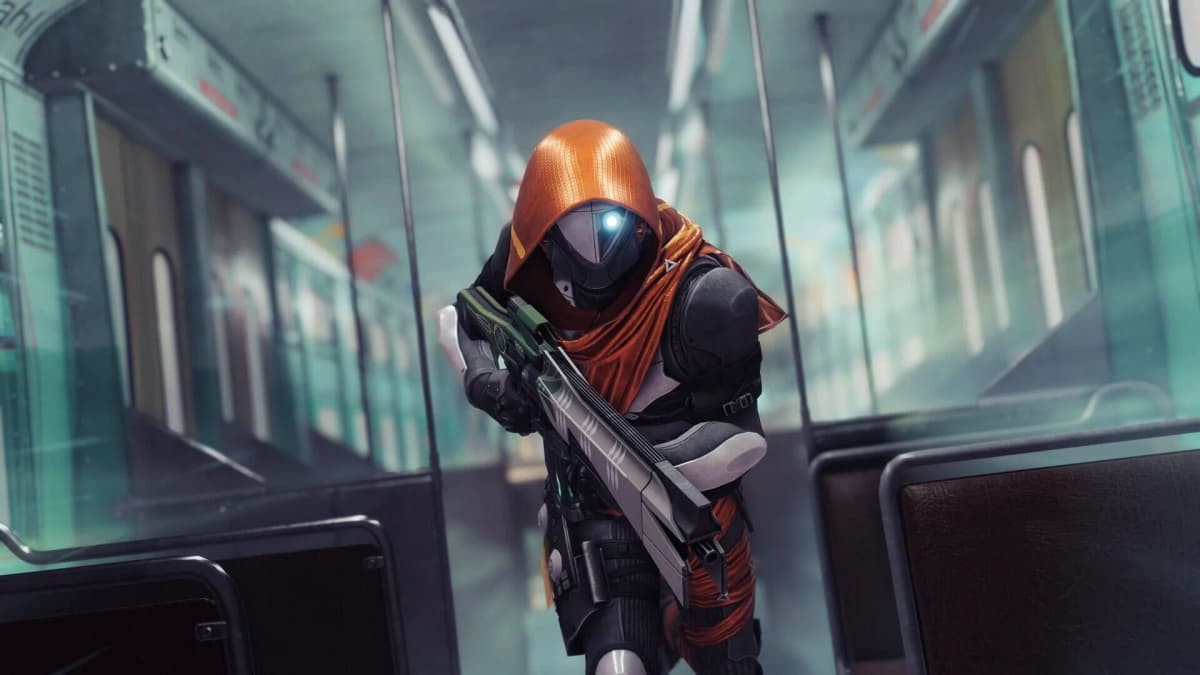
This is why the current state of Destiny 2 is so goddamn maddening. The core of the game—the gunplay, the movement, the raid mechanics, the way a new perk can completely change how you approach an encounter—is still peerless. Bungie’s weapon feel, that perfect alchemy of audio-visual feedback and sandbox design, remains the standard every looter-shooter is chasing. Even now, with no new expansions planned after June 9, 2026, and the Monument of Triumph update marking the official end of the live-service road, logging in to shoot aliens in the Pale Heart or tackle the permanent Pantheon 2.0 boss rush is still more immediately satisfying than anything else in the genre. The game is nearing retirement, and it still shoots better than its competition.
But that excellence makes the surrounding rot harder to stomach. A game with gunplay this good should not have a UI that feels like a mall directory designed by three different committees. It should not have monetization this cluttered and predatory layered on top of a premium-priced experience. It should not have spent years shipping seasonal content that felt like it was assembled in the dark by people who were not allowed to talk to each other. The joy of the combat and the mess of the service are not separate issues. They are the twin children of a studio that let its leadership culture deteriorate while its craft remained, almost stubbornly, exceptional.
What Bungie Needs to Show Us Before the Lights Go Down
So where does that leave us as players? Monument of Triumph is slated for June 9, 2026. After that, Destiny 2 stops receiving live-service content updates—no new expansions, no new seasons. The game will remain playable, and Pantheon 2.0 will stick around as a permanent addition. Bungie has framed this as a “new beginning,” a pivot toward incubating whatever comes next. But a new beginning requires actually changing, and after years of feeling the symptoms of this dysfunction in our menus and our wallets, players need concrete behavioral signals that the problems are not just getting a fresh coat of paint.
A Finale That Does Not Feel Like a Funeral
First, watch Monument of Triumph itself. Is it a meaningful capstone that addresses the clutter and the technical debt, or is it a skeleton crew taping together a finale because the people who cared already left? If Pantheon 2.0 launches polished and the surrounding systems get cleaned up, that suggests some continuity and care remain. If it lands with the same bugs and UI friction we have been tolerating, that tells us the dysfunction followed the game to its grave.
Communication Without the Corporate Filter
Second, listen to how Bungie talks after the final update. When senior developers speak about Destiny 2 post-June 2026, do they sound like caretakers preserving something they love, or like survivors packing their bags? The tone of post-launch communication—whether it is honest maintenance updates or radio silence—will reveal whether the remaining team has the stability and support to keep the lights on properly, or whether we are looking at abandonment by another name.
Fixing What They Leave Behind
Third, watch the bug-fix cadence and quality-of-life updates in these final months. A studio that knows its culture was broken does not leave its last live-service game cluttered and broken as a parting gift. If Bungie uses this runway to genuinely clean house—streamlining that godawful UI, addressing long-standing monetization bloat, fixing persistent bugs—that is a signal of institutional health. If they drop Monument of Triumph and immediately go quiet, they are proving every critic right.
Leadership Accountability, Not PR
Fourth, and most importantly, look for leadership accountability. The allegations point to leadership decisions as the root of the toxicity, not just peer conflict. Players need to see that the people steering Bungie recognize this was a values failure, not merely a production crunch cycle. We do not need a press release full of buzzwords about “learning and growing.” We need to see structural changes in how decisions get made, and we need to see it reflected in the products, not the PR.
The Split Legacy
Because here is the uncomfortable truth: Destiny 2‘s legacy is now split in two. There is the game we play—the one with the perfect hand cannon crack and the exhilarating raids—and there is the studio that built it, which former employees describe as a toxic, dysfunctional environment. Those two legacies are inseparable. You cannot celebrate the art without acknowledging the conditions under which it was made, and you cannot trust the next incubated project until you believe the conditions have changed.
After June 9, 2026, Bungie does not get to hide behind the live-service treadmill anymore. There will be no more seasons to distract from the rot, no more expansions to reset the narrative. There will only be the game, frozen in its final state, and the studio that made it, promising us a new beginning. The guns will still feel perfect. But perfect gunplay cannot outrun a broken culture forever, and the next time Bungie asks for our trust—and our money—they will not have the benefit of our nostalgia. They will only have our scrutiny.
FinalBoss // Gear
Level up your setup
01Top-rated gaming headsetson Amazon→02High-refresh gaming monitorson Amazon→03Gaming chairson Amazon→04Discounted game keyson Kinguin→
Affiliate links · As an Amazon Associate, FinalBoss earns from qualifying purchases.
Want to Level Up Your Gaming?
Get access to exclusive strategies, hidden tips, and pro-level insights that we don't share publicly.
Ultimate Gaming Strategy Guide + Weekly Pro Tips