

Destiny 2’s “Edge of Fate” Drop-Off: Why Some Guardians Are Weirdly Relieved
Game intel
Destiny 2
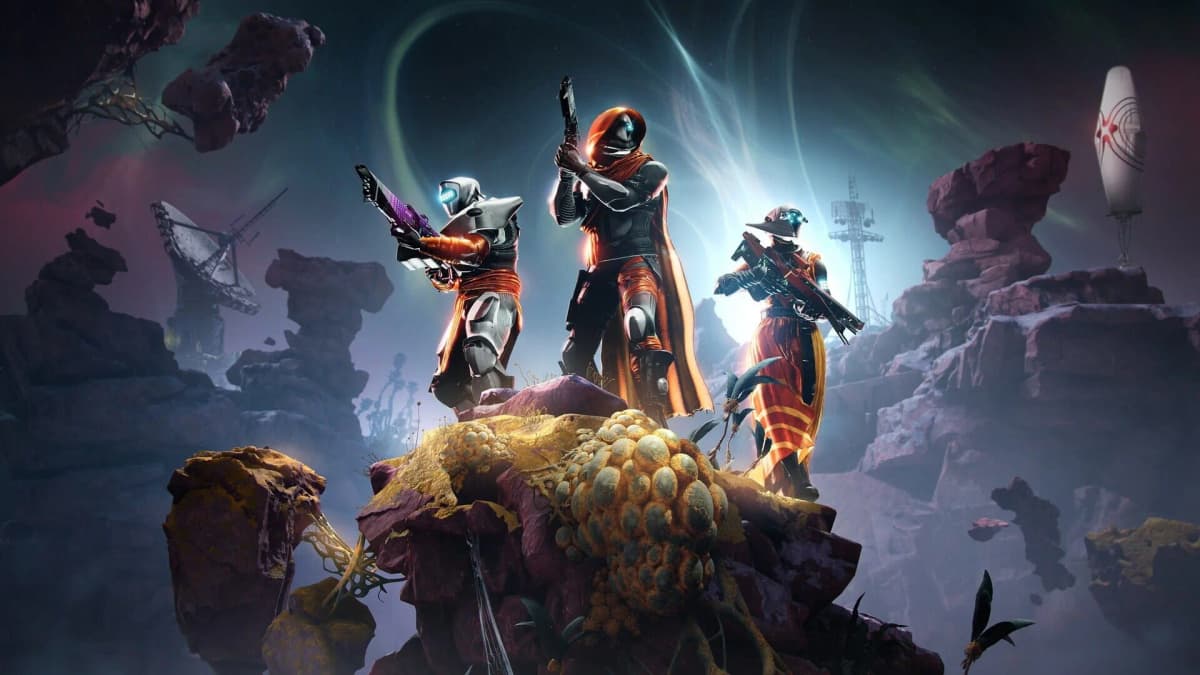
The first chapter of a new Destiny saga is here. Guardians will venture into the unknown, where the mysteries of the cosmos – and The Nine – await.
Destiny 2’s Big Drop-Off Isn’t Just About Numbers
This caught my attention because I’ve been through Destiny 2’s highs and lows-from Forsaken’s redemption arc to the sunsetting fiasco-and I haven’t seen the community this exasperated since 2020. Since the Edge of Fate update, Steam peak concurrency has reportedly plunged from roughly 100,000 to under 20,000. That’s an 80% cliff dive, and the wild part is how many longtime Guardians are greeting it with…relief. Not because they hate Destiny, but because they’re tired of feeling punished for logging in.
Key Takeaways
- Player peaks on Steam have cratered since Edge of Fate; community-shared charts show an ~80% fall.
- The common complaints: buggy launches, controversial balance changes, and mechanics that feel hostile to player time.
- Some players are glad to step away-proof that “live-service FOMO” finally lost its grip.
- Bungie’s done course corrections before; it needs a transparent, player-first plan fast.
Breaking Down What Went Wrong
Destiny 2 has always lived and died by cadence: new content drops, exotic chases, sandboxes that reshuffle the meta just enough to keep builds fresh. Edge of Fate flipped that balance and landed on the wrong side of the line. Players describe a launch sprinkled with quest blockers, inexplicable disconnects, and the worst sin for a loot grinder—progress bugs. You can forgive a shaky first week if the grind feels rewarding, but this time the grind is the complaint.
The design philosophy also took heat. Across social feeds and clan Discords, I’m hearing the same refrains: enemies feel spongier, the power delta bites in activities that used to be chill, and some of the new progression asks are padded for time, not challenge. Add a balance pass that kneecapped a few community-favorite builds—while propping up less fun alternatives—and you’ve got a recipe for burnout masquerading as “endgame depth.” Destiny’s magic is the power fantasy; when the fantasy feels taxed, players bounce.
Then there’s the repetition. When your weekly loop feels like a job application—hit X checklists to unlock Y rolls for a chance at Z—you lose the casuals and exhaust the diehards. It’s telling that some veterans openly welcomed the population drop as a kind of detox: no more obligation, no more FOMO, just space to touch other games without guilt.
Why Players Cheering a Decline Isn’t As Weird As It Sounds
We’ve seen this pattern across live-service in the past two years. Diablo IV’s early seasonal nerfs turned the grind into a chore until Blizzard reversed course. Helldivers 2’s PSN-linking fiasco sparked a backlash that forced a pivot in days. When studios push too hard on control, time taxes, or monetization-friendly friction, players show an ugly truth: they’ll leave, and sometimes they’ll celebrate leaving.
Destiny’s community isn’t rooting for the game to fail; they’re rooting for Bungie to stop asking them to earn joy through tedium. When your power progression requires spreadsheets, when your favorite exotic suddenly underperforms for the third time in six months, and when seasonal checklists feel like a second job, a shrinking player base can feel like the only protest left.
Want to Level Up Your Gaming?
Get access to exclusive strategies, hidden tips, and pro-level insights that we don't share publicly.
Ultimate Gaming Strategy Guide + Weekly Pro Tips
Bungie Has Clawed Back Goodwill Before—It Can Again
Here’s why I’m not writing Destiny 2’s obituary. Bungie’s history is full of U-turns that saved the game: Forsaken’s sweeping fix after vanilla D2’s loot drought, the rollback on weapon sunsetting once it became clear it gutted buildcrafting, rapid tuning passes when new subclasses underwhelmed. The studio can listen, but the window is shorter now. Live-service fatigue means players don’t wait six months for fixes—they defect in six days.
The fix isn’t mysterious. First, stabilize: hotfix the worst bugs and roll back any progression traps that feel punitive. Second, respect time: accelerate drop rates on new chase loot, cut needless currency steps, and remove hidden chores from baseline activities. Third, over-communicate: a candid, bullet-by-bullet “Here’s what we heard, here’s what we’re changing” update carries more weight than a lore tease. Finally, give players a reason to experiment again—seasonal artifacts and perk pools should enable chaos, not funnel everyone into the same two builds.
What Guardians Should Do Right Now
If you’re burned out, hit pause. Destiny will still be there after the next tuning pass, and your backlog needs love anyway. If you’re sticking it out, set micro-goals—one exotic, one title, one raid triumph—so the wider grind doesn’t swallow your fun. And keep feedback specific and public. Vague “this sucks” posts get lost; actionable notes about bugged steps, miserable drop rates, or overtuned modifiers actually move the needle.
TL;DR
Edge of Fate’s post-launch reality—bugs, questionable balance, and time-tax design—coincided with a massive Steam player drop, and some Guardians are relieved to be free of the grind. Bungie’s reversed worse storms before, but it needs fast, transparent fixes that respect player time and restore the power fantasy. Make Destiny feel rewarding again, and the population graph will take care of itself.