
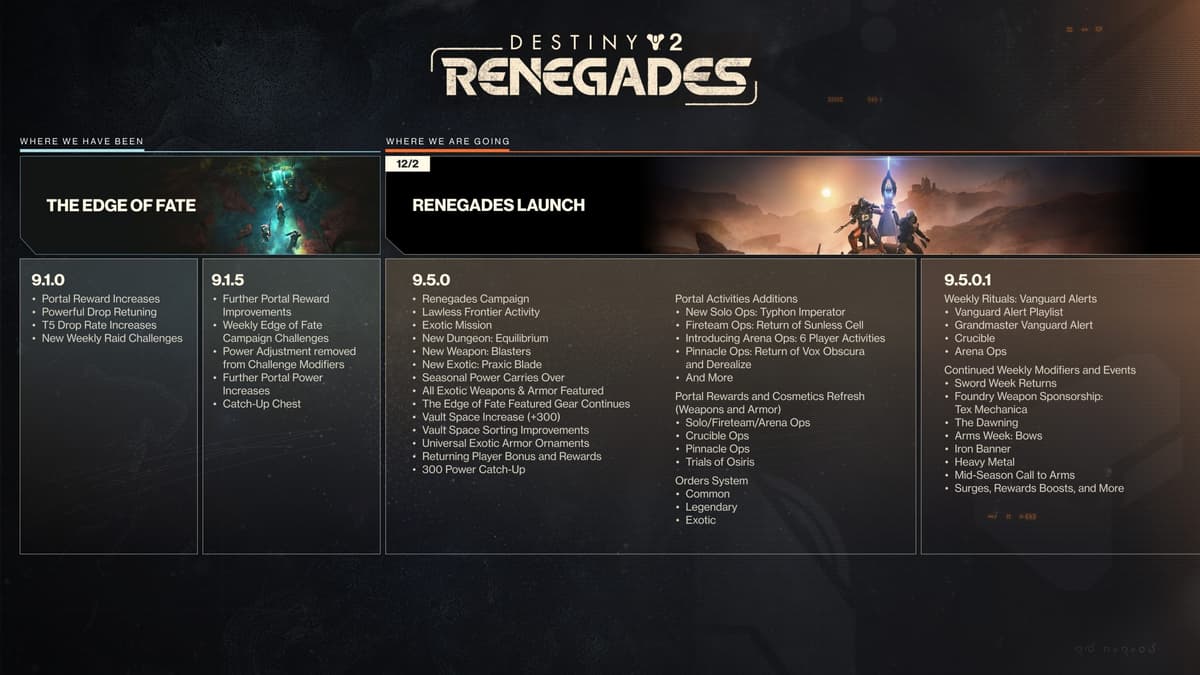
Destiny 2’s “Next Season” Is Actually Renegades — A Full Expansion Arriving Dec 2, 2025
Game intel
Destiny 2
The first chapter of a new Destiny saga is here. Guardians will venture into the unknown, where the mysteries of the cosmos – and The Nine – await.
Destiny 2’s “season” shake-up: why this actually matters
This caught my attention because Bungie isn’t just dropping another season-Renegades, landing December 2, 2025, is a full expansion kicking off a new cadence. After closing the book on the Witness, Destiny 2 enters The Year of Prophecy with The Edge of Fate and a major structural pivot: four content updates per year, including two paid expansions and two major updates. Episodes are gone. That’s a bold move for a game that’s lived and died by its seasonal drip for years.
- Release date: Renegades expansion arrives December 2, 2025-don’t expect a typical 10-week season.
- Roadmap shift: four annual drops, two of them paid expansions; seasonal-style activities remain accessible to all players.
- New destination Kepler + Matterspark traversal, The Nine at center stage, puzzle-heavy exploration.
- Armor 3.0 and five-tier gear/weapon system deepen buildcrafting but raise the grind ceiling.
- Right now: Ash & Iron’s Reclaim activity in the Cosmodrome sets the tone and the loot path.
Breaking down the roadmap change
Bungie is effectively merging MMO-style expansions with the familiar live-service loop. Two paid expansions per year invites a big question: what does “expansion” mean now? If Renegades is positioned as a season replacement, it needs meaty campaign beats, meaningful systems, and endgame hooks-think Witch Queen-level density, not a mission chain plus a playlist. The promise is that seasonal activities remain for everyone, which is good, but the value test will be whether those two paid beats feel premium or like gated seasons with a bigger price tag.
On paper, four predictable drops could reduce burnout and FOMO. In practice, Destiny rises and falls on loot and systems. If each update lands with chase-worthy rolls, a reason to log in weekly, and a meta that actually shifts, the cadence works. If not, we’ll be speedrunning the new story in a weekend and waiting three months for relevance to return.
Kepler, The Nine, and the start of the Fate Saga
Kepler is the new destination anchoring The Edge of Fate, and it’s framed as a puzzle-forward space designed to encourage exploration. That immediately puts me in Dreadnaught and Throne World headspace—the last time Bungie leaned into environmental riddles, the community woke up daily to secret doors, time-gated chests, and exotic quest breadcrumbs. If Bungie truly lets Kepler breathe, this could be the best kind of Destiny: a place you learn, not just a checklist you clear.
The Nine stepping into a lead role is overdue. They’ve been Destiny’s most enigmatic faction for a decade, teasing cosmic rules and backroom deals through lore tabs and Trials whispers. If both expansions this year expand their story, there’s room for weird—mechanics that warp sandbox expectations, social spaces that don’t behave like the Tower, and encounters that feel less Cabal target practice, more “what even is reality?”
Mechanically, Matterspark is the standout: a dark-matter-fueled traversal/shape-shift ability that lets you squeeze through gaps or leap between distant platforms. If it’s integrated into encounters rather than just collectible routes, it could be Destiny’s most interesting movement layer since Strand’s grapple. The big ask: let Matterspark create combat opportunities (angles, timing windows, stealth routes), not just parkour intermissions between fights.
Armor 3.0 and tiered loot: the grind gets deeper
With The Edge of Fate, Bungie pushed a true systems update: Armor 3.0 adds stronger set bonuses and new stats, and the new five-tier structure for guns and armor introduces clearer progression. The upside is obvious—builds that actually feel different. Imagine a Void-centered kit that amps weapon damage via set synergy rather than a dozen opaque mod hoops. The danger is power creep and gatekeeping. Locking higher tiers behind “challenging activities” is fine for aspirational loot, but if the baseline experience becomes underpowered without Tier 4-5 pieces, newer and casual Guardians will bounce.
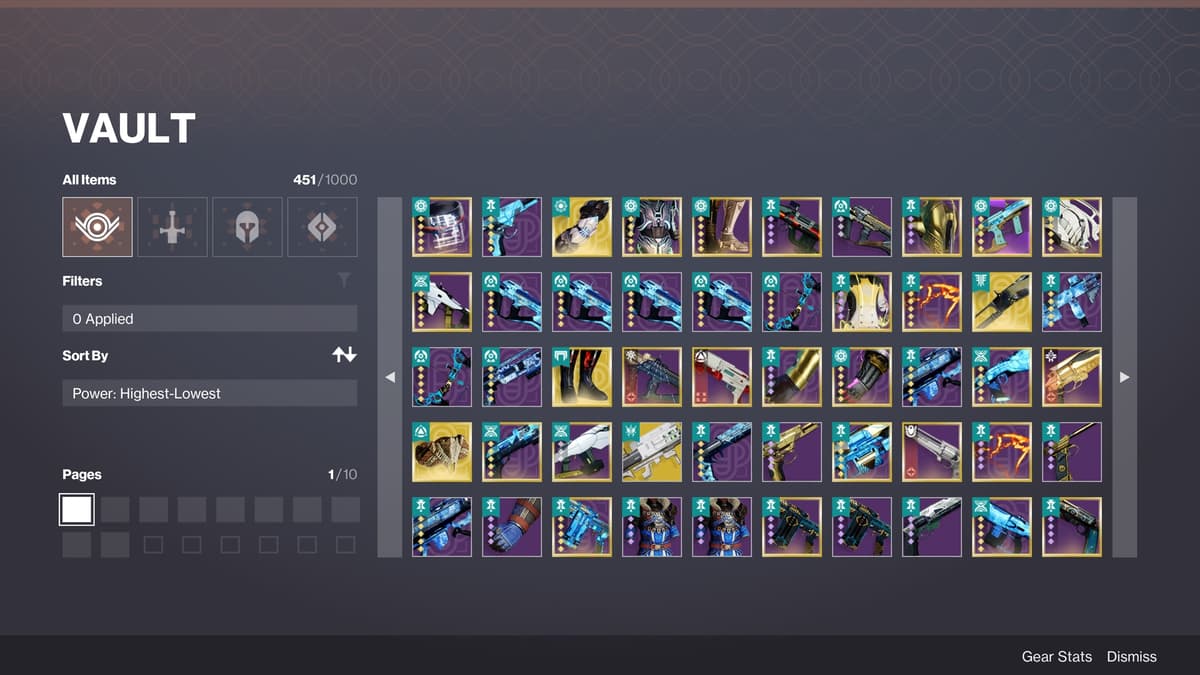
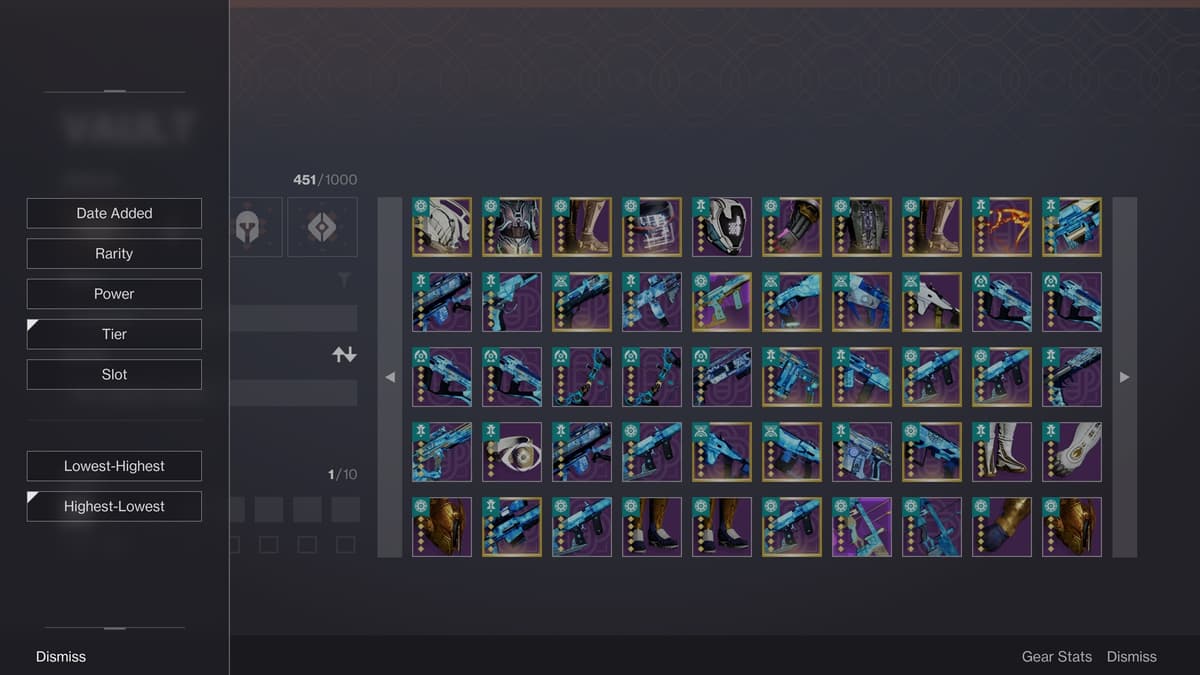
From a min-maxer’s perspective, this is catnip. Target-farming a Tier 5 kinetic with a perk line that harmonizes with your armor set bonuses could finally replace the roulette of “is my 60-stat roll actually usable?” But this also means your vault is about to swell unless Bungie nails filter and tracking tools. Let me favorite sets, pin perk synergies, and compare tiers at a glance—or we’re all back to third-party spreadsheets.
What to play right now: Ash & Iron’s Reclaim
Ash & Iron arrived September 9 with Reclaim, a three-player Cosmodrome activity that rotates Cabal and Vex lanes and has big “Heresy’s Nether” energy if you ran that gauntlet. It’s a straightforward loop—hold points, push objectives, bank rewards—but it’s tuning the new progression knobs. If you’re prepping for Renegades, live here for a bit: practice mobile add-clear, chase rolls that complement your planned armor set bonuses, and stockpile mats for upgrade jumps once you sniff a Tier 4/5 drop.
Also, if you’re still mopping up The Final Shape, knock out Salvation’s Edge and pick up the Khvostov Exotic—you’ll want a stable baseline kit while the sandbox inevitably shifts around Armor 3.0 and new perk economies.
Skeptic’s corner: “Star Wars-themed” and the two-expansion year
Bungie and community chatter describe Renegades with big space-opera, outlaw energy. Cool. But don’t read “Star Wars-themed” as a literal crossover unless Bungie says so—expect tonal nods, not licensed lightsabers. The real scrutiny should land on the two-expansion promise. Can Bungie deliver two truly substantial beats in a year without padding or crunch? If Renegades launches thin, this whole roadmap looks like a monetization shuffle. If it lands with a strong campaign, a sticky endgame loop, and meaningful system additions, Destiny 2 might have found a healthier rhythm post-Witness.
TL;DR
Renegades isn’t a season—it’s a full expansion dropping December 2, 2025, as Bungie shifts to four annual updates with two paid expansions. Kepler, The Nine, Matterspark traversal, and Armor 3.0 with tiered loot could rejuvenate builds and exploration, but the grind ceiling is rising. Ash & Iron’s Reclaim is your warm-up lap; the real test is whether Renegades feels like a true expansion, not a season in a bigger box.