
This caught my attention because it’s rare to see a developer voluntarily remove a released game over moral objections to its own AI-generated assets – and that choice crystallizes many unresolved tensions indie creators face in 2026.
Table of Contents (5)
Dev Plans to Voluntarily Delete AI-Generated Game: What the “Hardest” Removal Means for Indies
- Key Takeaway 1: A solo dev removed their Steam game “Hardest” after concluding its reliance on AI art was unethical – signaling reputational risk for undisclosed AI use.
- Key Takeaway 2: The decision highlights three pressure points for indies in 2026: community trust, environmental scrutiny, and emerging platform rules.
- Key Takeaway 3: Practical response: audit your assets, disclose toolchains, and prioritize human-crafted or clearly licensed hybrids to maintain credibility.
{{INFO_TABLE_START}}
Publisher|Eero “Rakuel” Laine (self-published)
Release Date|Announced removal Jan 13, 2026 (delisting Jan 30, 2026)
Category|Card-roguelike (asset-heavy)
Platform|Steam
{{INFO_TABLE_END}}
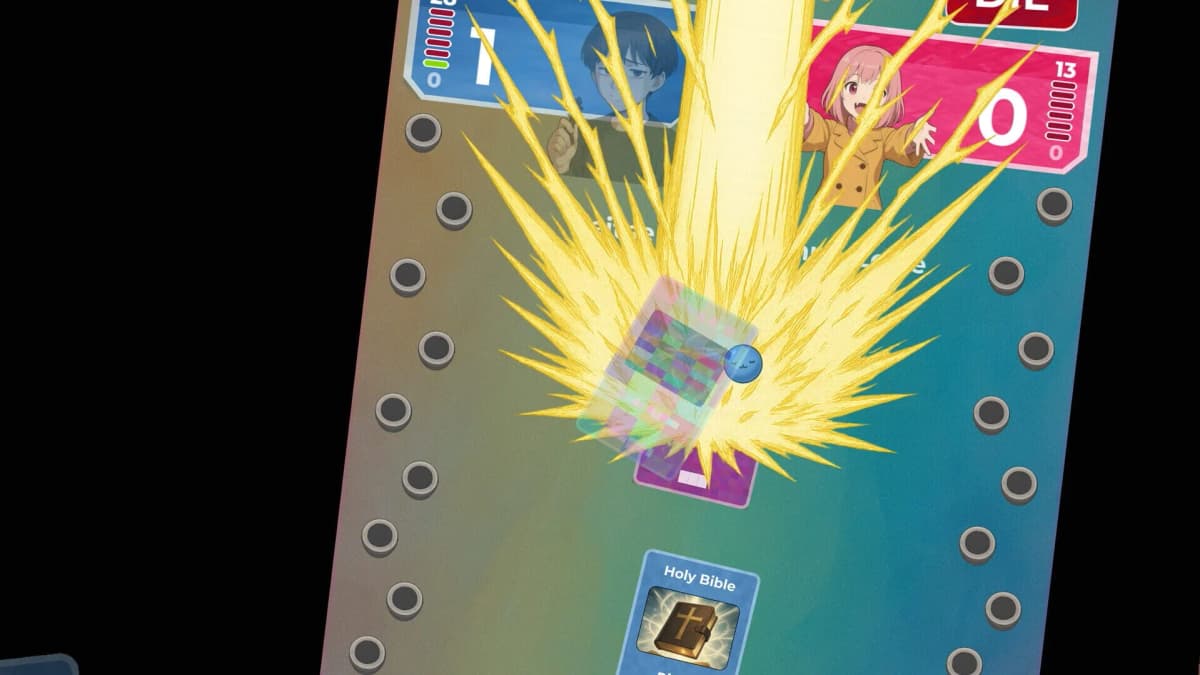
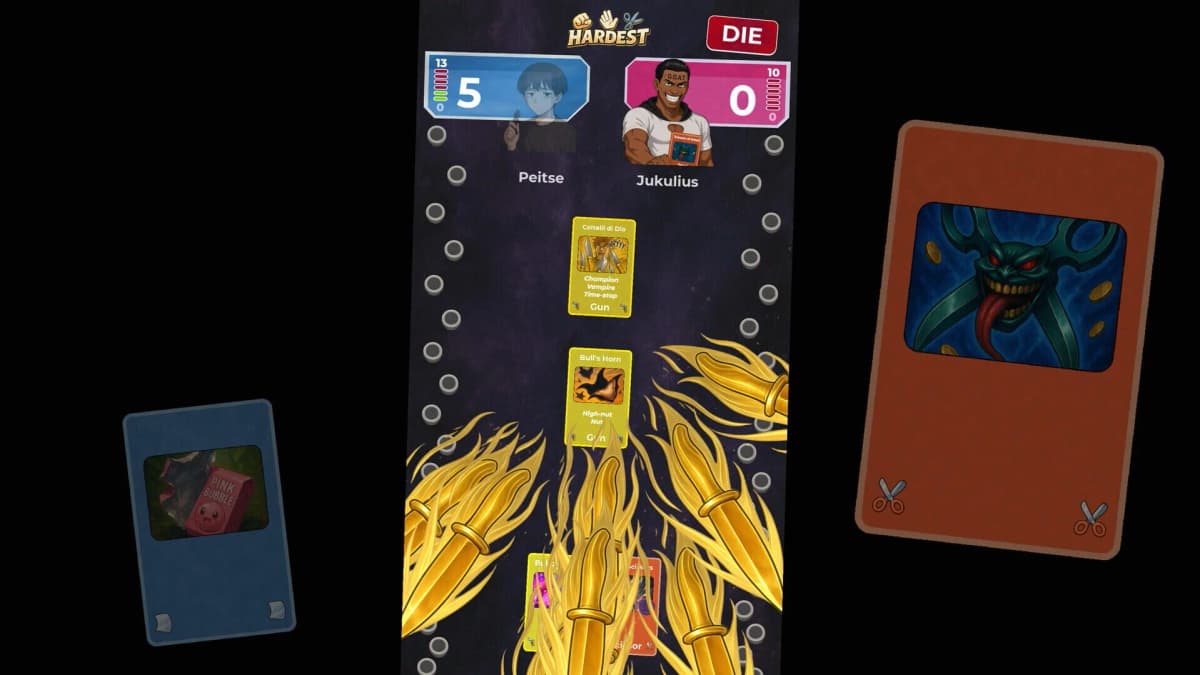
What happened: The solo creator of Hardest – a free-to-play card-roguelike that shipped late 2025 — announced they’d remove the game from Steam because many of its assets were produced with AI. The developer said exposure to the toolchain during student life made AI “convenient,” but a personal change of heart convinced them the game’s existence helped fund and legitimize harmful AI practices, including energy-intensive model training and displacement of paid creatives.
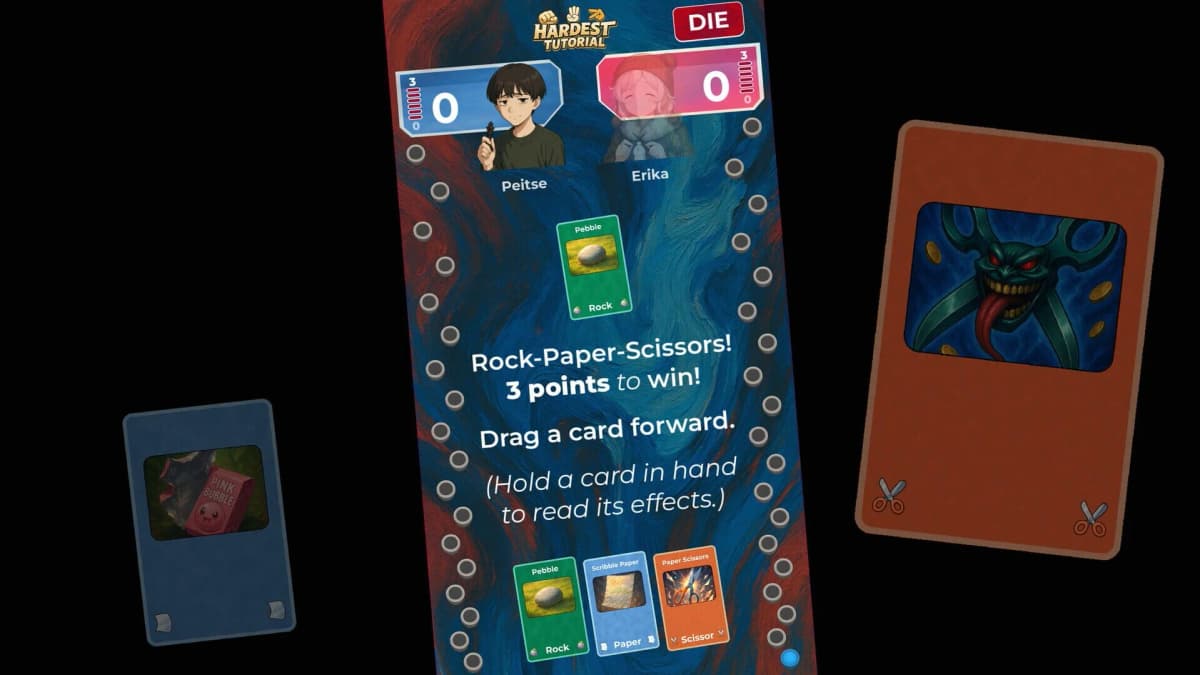
This is a notable public repudiation rather than a legal case or platform takedown. It matters because it turns an internal ethics debate into a visible market action: a shipped product being pulled for moral reasons. For other indie teams, that’s both a warning and a model.
Why this matters beyond one game
2026 is the year AI tools are ubiquitous: asset pipelines, voice tools, procedural writing and more. That scale creates three immediate problems for indies and players.
- Trust and discoverability: Players increasingly want to know whether art, music or voices were AI-generated. Games that hide AI use risk community backlash and curator blacklists.
- Regulatory and platform risk: Jurisdictions and platforms are pushing disclosure rules; EU-level and store-level policies now demand transparency for “high-risk” AI uses — and scans or audits may follow.
- Environmental and economic scrutiny: Public concern about model training emissions and the displacement of freelance artists has shifted ethics from niche to mainstream.
Practical steps for indie developers (quick audit)
- Inventory assets (1-2 hours): Export your asset manifest, note creation method and tool/version for each asset. If you can’t prove human creation or a license, flag it.
- Use detectors, but don’t rely solely on them: AI-detection tools can give a probability score. Treat high AI-probability assets as candidates for replacement or disclosure.
- Replace or hybridize fast: Commission small human polish passes (sprites, key UI frames, voice edits). A few human touchpoints change perception and reduce risk.
- Disclose clearly: Add a short note in store pages and credits summarizing tools used. Transparency reduces anger and prepares you for incoming policy checks.
What players should do
- Favor projects that publish development credits and asset provenance.
- Support creators who pay and credit collaborators — small purchases and bundles make a difference.
- Use curator lists and community tags to filter titles if you want human-made experiences.
From an industry viewpoint, this deletion is unlikely to stop AI adoption — the productivity gains are real — but it will accelerate two trends: clearer disclosure norms and premium branding for “human-made” games. Expect more public-facing provenance (credits, badges) and, in some cases, proactive delistings or refunds as creators think through ethical posture.
As someone who follows indie dev culture, I see this as a necessary growing pain. Tools democratize creation, but reputation and community trust remain the developer’s most valuable currency. Handling AI honestly — by auditing, disclosing and investing in human craft where it matters — is how smaller teams avoid reputational damage and keep players’ trust.
TL;DR — My take
- One indie’s voluntary delisting of Hardest over AI assets is a bellwether for 2026: transparency and ethics now shape market viability.
- Indies should audit assets, disclose tool use, and prioritize human polish to preserve trust and comply with emerging rules.
- Players who care about human-crafted experiences should follow provenance-friendly curators and support creators who publish credits and pay collaborators.
FinalBoss // Gear
Level up your setup
01Graphics cardson Amazon→02Gaming laptopson Amazon→03High-refresh gaming monitorson Amazon→04Discounted game keyson Kinguin→Affiliate links · As an Amazon Associate, FinalBoss earns from qualifying purchases.