
How Devil May Cry’s Netflix Anime Supercharged a Cult Classic
Game intel
Devil May Cry 5
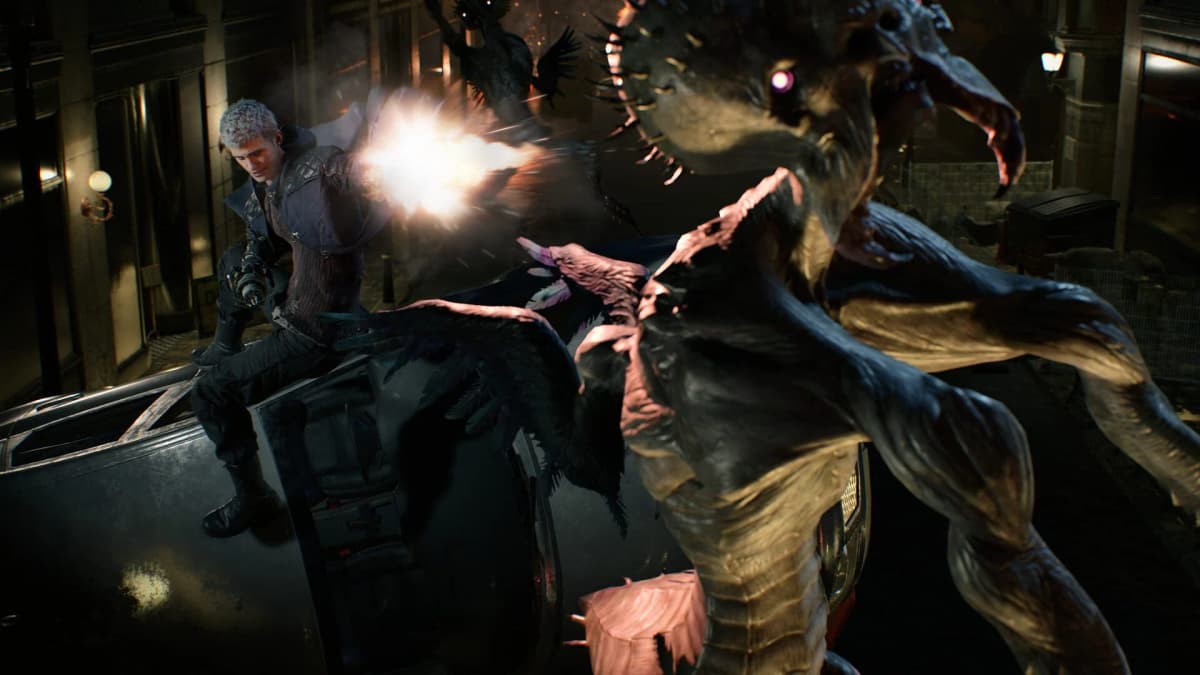
Devil May Cry 5 is a brand-new entry in the legendary over-the-top action series Devil May Cry. The game features three playable characters, each with a radica…
How Devil May Cry’s Netflix Anime Supercharged a Cult Classic
When Netflix dropped Devil May Cry on April 3, 2025, fans braced for epic demon-slaying—and they weren’t disappointed. Directed by Adi Shankar of Castlevania fame and animated by Studio Mir, this adaptation didn’t just look and sound like the games; it reignited global enthusiasm for Capcom’s gothic hack-and-slash staple. Within days of its release, Netflix confirmed millions in revenue, cementing its playbook of mining iconic game worlds for binge-worthy series.
Quick Stats
- Premiere Date: April 3, 2025
- Early Viewership: 5.3 million households, 21 million hours watched
- Back-Catalog Sales Spike: 49% year-on-year growth
- Devil May Cry 5: +1.7 million copies post-launch
- HD Collection & SE: ~1.1 million combined sales
- Lifetime Franchise Sales: 36+ million units
A Flame-Kissed Debut
From the moment Dante appeared on screen, Netflix viewers could see Studio Mir’s craftsmanship in every fluid sword slash and stylized demon design. Early data shows 5.3 million households tuned in, translating to a staggering 21 million hours watched in the first two weeks. That’s a clear step up from some earlier adaptations—proof that Netflix’s investment in sharper visuals and pulse-pounding sound design paid off.
Marketing teasers built anticipation with glimpses of Dante’s signature red coat and cocky one-liners. Social media buzz soared, with #DevilMayCryAnime trending in multiple regions on launch day. The show even nudged newcomers toward Capcom’s original titles, highlighting the series’ dual appeal to veterans and fresh faces.
Revving Up Game Sales
The most exciting ripple effect hit Capcom’s bottom line. In the quarter following the anime’s debut, back-catalog sales jumped 49%. Fans who rediscovered the series rushed to own Devil May Cry 5—shifting 1.7 million copies—while nearly 1.1 million units of the HD Collection and Special Edition flew off digital and retail shelves.
These boosts pushed total franchise sales beyond 36 million units worldwide. Industry analysts point to this as a textbook example of cross-media synergy: a well-executed series reignites interest in the source material, which in turn drives new content and revenue streams.
Inside the Animation Forge
Netflix paired Adi Shankar’s gritty storytelling with Studio Mir’s renowned animation prowess. Shankar, who previously steered Castlevania’s dark fantasy tone, ensured Dante’s world stayed true to the game’s gothic roots without feeling derivative. Studio Mir’s animators worked closely with Capcom’s original creative team, studying character model sheets and in-game cinematics to nail every detail.
From the roar of a demonic charge to the gleam of Dante’s Rebellion sword, this was a labor of love. The series’ composers also sampled themes from the games, weaving familiar riffs into new tracks that kept pulse rates high and hearts racing.
Want to Level Up Your Gaming?
Get access to exclusive strategies, hidden tips, and pro-level insights that we don't share publicly.
Ultimate Gaming Strategy Guide + Weekly Pro Tips
Fan and Critic Reactions
Viewer feedback poured in so quickly that Netflix’s internal score tracker peaked within hours of the premiere. Fans praised the show’s relentless action and faithful character work. On anime forums and gaming subreddits, long-time players debated Easter eggs they spotted—like nods to Vergil’s tragic arc and cameo appearances by legendary bosses.
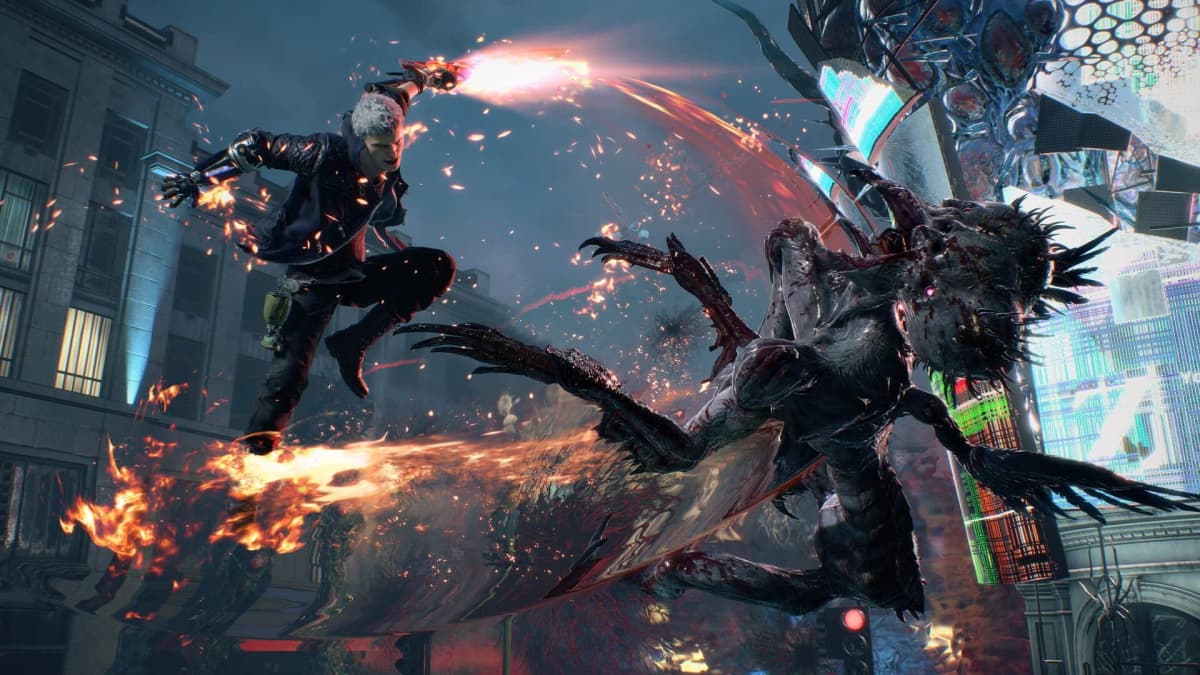
Critics echoed the excitement, applauding the adaptation for respecting core mechanics—stylized combat combos, devil triggers, and Dante’s trademark swagger—while expanding the lore in surprising ways. Many called it the best game-to-screen effort yet, raising expectations for future collaborations.
Why It Hit the Mark
Three elements combined to ignite this success: unwavering fidelity to the source, premium production values, and strategic timing. Netflix timed Devil May Cry’s release to follow its Castlevania franchise, capitalizing on audience appetite for dark fantasy anime. Capcom’s blessing and close involvement ensured authenticity—avoiding the pitfalls of cash-grab adaptations.
The result: a series that feels like an interactive extension of the games, yet stands on its own as a gripping action saga.
The Bigger Picture
Netflix’s gamble on Devil May Cry has broader implications. It demonstrates how streaming giants can breathe new life into legacy IPs—and why publishers are more willing than ever to license their worlds. With millions of viewers and game sales soaring in parallel, this model spells opportunity for other cult classics yearning for a comeback.
Game developers and studios are taking notice: a high-caliber show can become a powerful engine for rediscovery, unlocking fresh revenue and expanding fandom beyond traditional gaming circles.
Takeaway
Devil May Cry’s Netflix revival proves that reverence for the original, combined with top-tier animation and savvy release strategies, can supercharge a franchise’s legacy. As streams climb and swords clash, both Netflix and Capcom have shown that the devil truly is in the details—and in doing it right.