
Devolver’s Minos Lets You Be the Monster — But Can Maze-Building Carry a Roguelike?
Game intel
Minos
Minos is a maze-building roguelite where you, the fabled Minotaur, must defend your sanctuary from bloodthirsty adventurers. Design and re-design deadly labyri…
Minos caught my eye for one simple reason: you’re not the hero-you’re the labyrinth’s nightmare
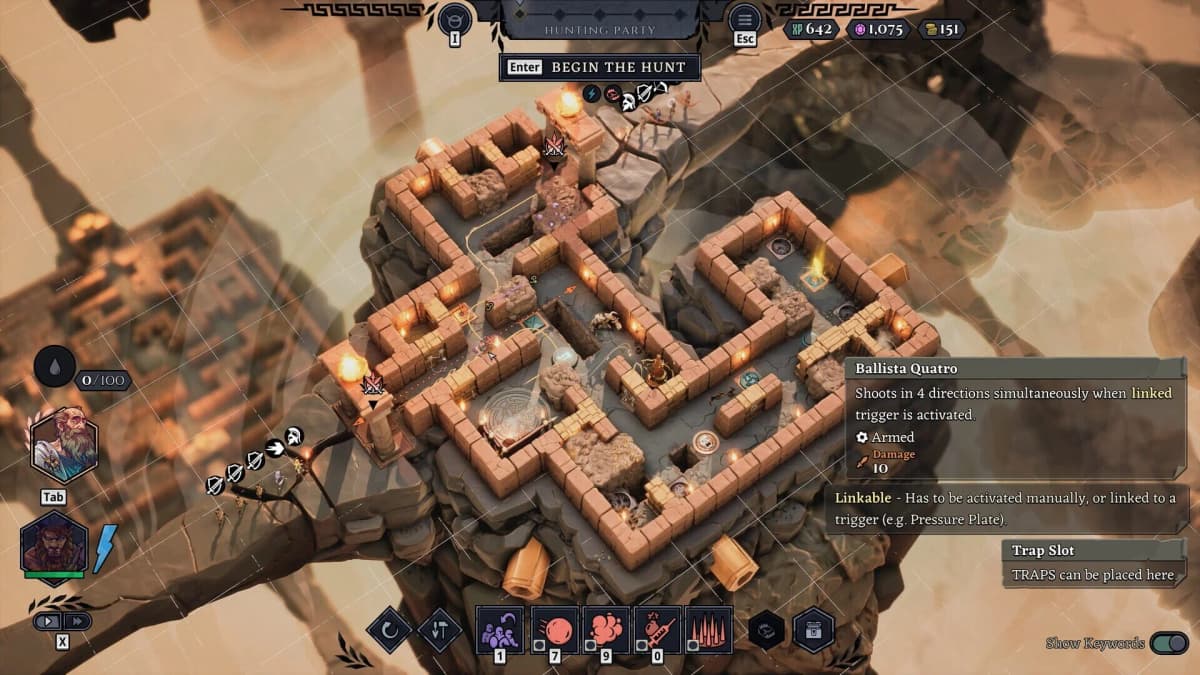
Artificer and Devolver Digital just pulled back the curtain on Minos, a maze-building roguelike where you play the Minotaur defending your labyrinth against would‑be legends. A free demo is up on Steam now, with full launch planned for PC in 2026. On paper, it blends tower‑defense ideas (traps, choke points) with procedural runs and a layout you actively sculpt. That pitch is catnip if you’ve ever wished Dungeon Keeper, Orcs Must Die, and Greek myth had a chaotic little baby.
Key Takeaways
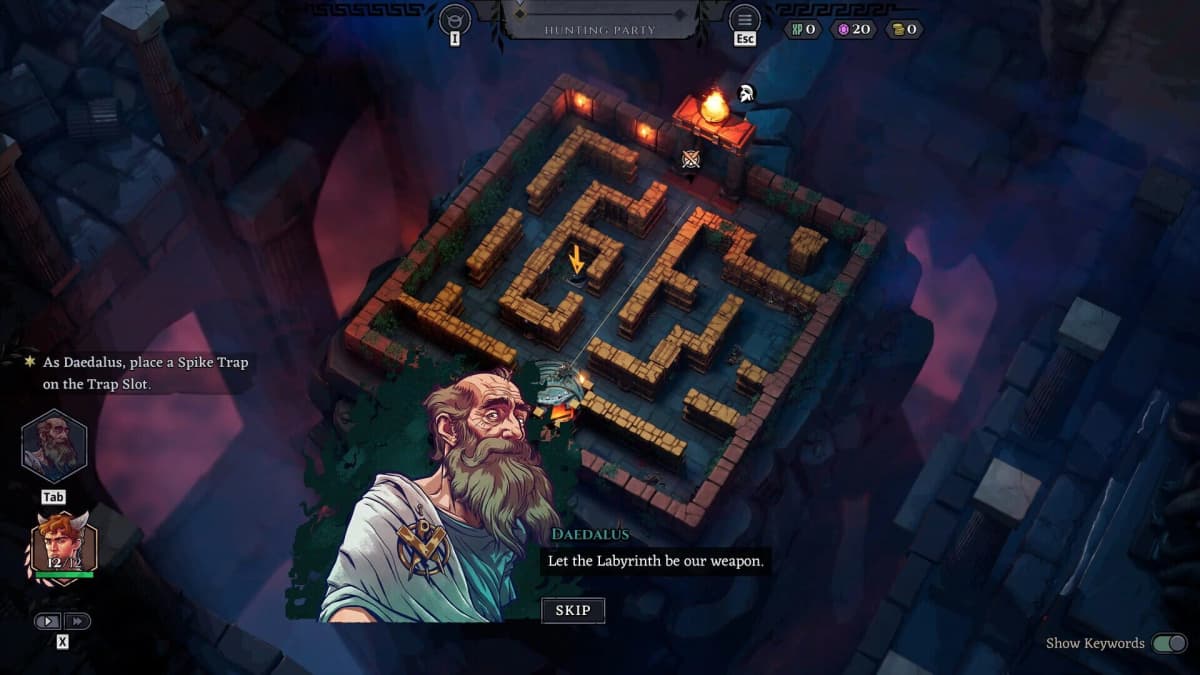
- The hook isn’t just “you’re the Minotaur” – it’s that you actively build and reshape the maze to steer enemies into bespoke death funnels.
- Roguelike structure implies artifacts and upgrades that meaningfully change trap synergies between runs.
- Free Steam demo now means the team wants early feedback on balance, readability, and pathing AI-smart for a systems-heavy game.
- 2026 release window gives runway to iterate; the big question is whether maze-building stays impactful past the early novelty.
Breaking down the announcement: build the maze, stack the traps, adapt the run
Minos frames you as the myth made flesh, but the gameplay heart is systems design: shaping corridors, placing traps, and leaning on artifacts to shift how those tools behave run to run. The demo promises traps (spikes, ballista-style hitters, boulders), artifacts, and “shifting passages,” which is the spicy bit—if walls and gates can rotate or re-route, you’re not just optimizing damage; you’re playing traffic cop for a bloodthirsty roundabout.
That matters because tower defense lives or dies on agency. Too many TD roguelites lock you into fixed lanes and then call it a day; the puzzle solves itself by wave three. If Minos lets you rebuild between waves, or even mid‑encounter with tight limits, you get that delicious “one more tweak” loop where a single gate swing turns a doomed run into a clutch clear.
Artificer’s pedigree helps here. The team’s previous work on Showgunners showed they understand arena flow, crowd control, and making environmental hazards feel punchy instead of gimmicky. With Devolver in the publisher chair, I also expect a certain mischievous energy—they’re good at curating games that commit to a strong core idea.
Why this could land now: the “be the dungeon” fantasy is back
Between the resurgence of myth‑tinged action games and a fresh appetite for roguelites with strong mechanical identities, the timing’s right. We’ve seen the “defend your base with traps” vibe pay off in Orcs Must Die and the more austere Dungeon Warfare, but those games either lean heavy action or rigid lanes. Minos’ pitch is more systemic: you architect failure for heroes and keep that architecture pliable.
Crucially, the perspective and pace look tuned for strategy first. Top‑down readability, clear paths, and the promise of artifacts mean runs should diverge based on what the labyrinth grants you. Think: an artifact that chains trap triggers, another that buffs damage after a turn, one that rewards longer pathing with compounding debuffs. If the artifacts are conservative or too samey, the runs will blur; if they’re bold, you’ll get fun “broken” builds that keep you chasing new combos.
Want to Level Up Your Gaming?
Get access to exclusive strategies, hidden tips, and pro-level insights that we don't share publicly.
Ultimate Gaming Strategy Guide + Weekly Pro Tips
Red flags to watch: readability, AI pathing, and late‑game sameness
Every maze-builder hits the same three pitfalls:
- Readability under pressure: If traps telegraph poorly or stack too many effects, the screen turns into soup. Good UI is non‑negotiable—damage types, cooldowns, and path projections must be crystal clear.
- Pathing AI exploits: Players will always find degenerate loops. Smart design embraces that by making cheese either risky, temporary, or mutually exclusive with other power spikes.
- Run variance vs. noise: Procedural generation can feel fresh or flimsy. If “shifting passages” don’t genuinely change lines and timings, you’ll solve the same maze with different wallpaper.
The 2026 window actually reassures me: there’s time to iterate. Devolver loves a flashy trailer, but balance is what makes or breaks a game like this. If the demo already invites feedback on trap synergies and wave compositions, that’s the right move. Better to hear “ballistas trivialize elites” now than at launch.
What to try in the demo right now
- Test choke‑point vs. marathon paths. Build a tight killbox, then a winding endurance maze, and note which artifacts shine in each.
- Force path swaps mid‑wave if the demo allows it. If a rotating gate can split a pack, see how that affects trap uptime and cooldown cycles.
- Play for synergy, not brute force. Pair fast‑reset traps with slow, high‑impact hitters so you’re never on full cooldown.
- Stress the edge cases. Can enemies be kited into loops? Do elites ignore certain baits? Report the weirdness; that feedback is gold at this stage.
Platform-wise, it’s PC for now. No console news yet, which is fine—this kind of pointer‑heavy, tile‑precise building thrives with a mouse. If controller support shows up later, it’ll need smart radial menus and path previews to avoid the “RTS on a gamepad” problem.
The gamer’s perspective
This grabbed me because it promises actual authorship. Not just “place turret, watch numbers,” but “sculpt the dungeon and weaponize geometry.” If the artifacts go hard and the UI respects your brain, Minos could be that rare roguelike that rewards both cold planning and on‑the‑fly audacity. If it plays it safe, it’ll be another polite time sink. The demo will tell us which way the horns are pointing.
TL;DR
Minos flips the script by letting you be the Minotaur and the architect, blending tower‑defense traps with roguelike runs and mutable maze layouts. The free Steam demo is the proving ground: if artifacts and shifting passages create truly different lines and synergies, 2026 can’t come soon enough. If not, it’s just fresh mythic paint on familiar lanes.