
Dfiance’s Pure-Skill Card Duels: Hype or Hope?
Game intel
Dfiance
A multiplayer collectible card game set in a unique fantasy world where warring factions fight in a competition for resources on the battlefield.
Dfiance’s Pure-Skill Card Duels: Hype or Hope?
Let’s face it: when a new competitive card game pops up with a “no pay-to-win” badge, most of us reach for the sceptic’s quill. After years of watching big names like Hearthstone and Magic: Arena dangle fairness only to slip premium packs into the meta, it’s hard to believe the next indie darling won’t follow the same path. Enter Dfiance Studio’s self-titled PvP card battler—promising multi-lane tactics, dynamic boards, and a wallet-irrelevant ladder climb. But can an upstart really dodge the monetization minefield? I spent time with the early-access demo to find out.
Cynic’s Corner: Brave Claim or Naive Dream?
Dfiance Studio’s central pitch is ironclad: “No pay-to-win.” That’s bold, especially from a small developer. In theory, a pure-skill environment levels the field: deck-building prowess and on-the-fly decisions determine outcomes, not who shells out for the latest expansion. Yet the gaming world has seen many well-intentioned projects buckle under server costs or pivot to cosmetic sales that quietly tip the balance. Dfiance acknowledges these pitfalls upfront and even touts community-funded prize pools as a transparency measure. Still, real proof lies in long-term execution, not press releases.
The Tactical Twist: Multi-Lane Mayhem
What sets Dfiance apart is the multi-lane battlefield. Instead of the traditional single lane or static rows, you’ll juggle three fronts simultaneously, each with shifting bonuses and environmental hazards. It’s reminiscent of Duelyst’s positioning game or the old-school thrill of Yu-Gi-Oh! tag battles—only here, every placement can trigger momentum swings. One ill-timed summon on the Fire Lane might leave your Water squad exposed a turn later. This ebb-and-flow design demands constant map awareness, turning each duel into a dance of strategic positioning rather than mere combo spamming.
Visuals and UX: Substance Beyond Style?
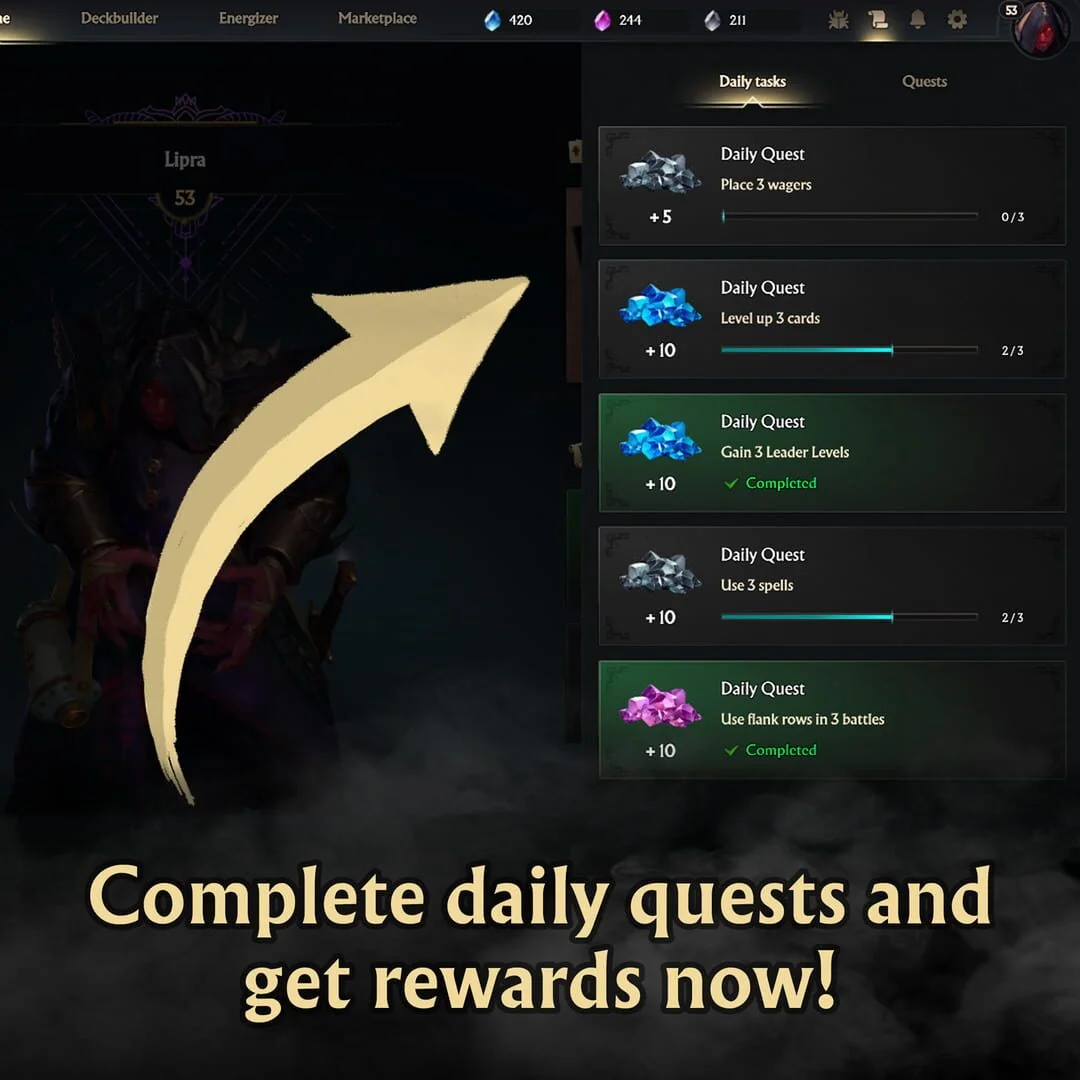
Visually, Dfiance punches above its weight class. Animated units leap off the card frames, spell effects ripple across the lanes, and the backgrounds shift to reflect battlefield control. It’s a noticeable step up from the static art that plagues many indie card titles. The interface is clean—resource trackers and cooldown timers sit unobtrusively at the edges, allowing you to focus on the action. While some may argue these flourishes won’t sway hardcore tacticians, a polished presentation can help new players stick around long enough to appreciate the depth beneath.
Monetization: Walking the Tightrope
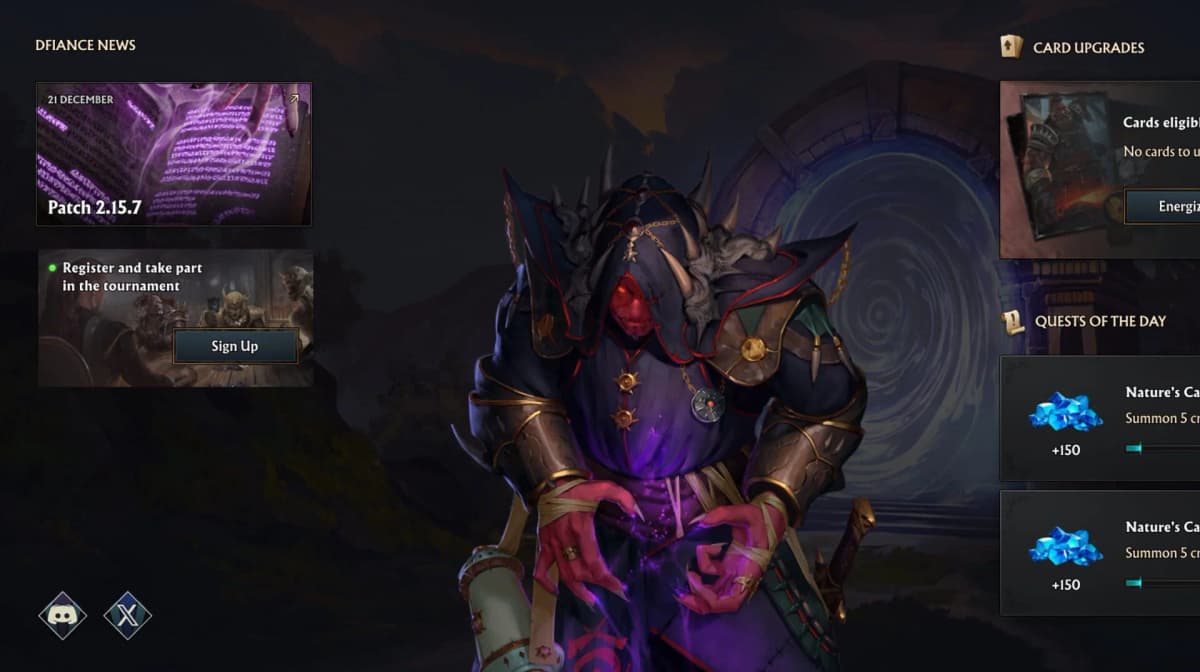
Dfiance’s revenue model is as critical as its core gameplay. So far, the demo is free, and there are no loot boxes or stat-boosting bundles in sight. Instead, developers mention a “cosmetic-only marketplace” and optional tournament entries funded by in-game currency or small fees that go directly to prize pools. This approach mirrors a few successful competitive shooters and fighting games—but carries its own risk. Will cosmetics alone cover server upkeep and future updates? The studio hasn’t laid out full financial projections, so the community will need to watch closely for hints of feature paywalls or grind cliffs masked as “season passes.”
Balancing Act: Meta and Community
Even if Dfiance nails its monetization, the next hurdle is balance. Card games live or die by their meta. A single overpowered card can stagnate strategy and drive players away. The demo has shown a handful of dominant archetypes—control, aggro, and midrange—but whether these classes stay healthy depends on fast, transparent patch cycles and community feedback. Dfiance Studio promises weekly balance updates during beta, but past experiences with indie titles warn us that small teams can be overwhelmed by rapid, broad-scope tuning.
Want to Level Up Your Gaming?
Get access to exclusive strategies, hidden tips, and pro-level insights that we don't share publicly.
Ultimate Gaming Strategy Guide + Weekly Pro Tips
Building a Competitive Scene
On the competitive front, Dfiance has laid out a playbook: structured weekend tournaments, an integrated spectate mode, and plans for cross-region ladders. The goal is clear—ignite grassroots rivalries and top-down esports events without leaning on third-party organizers. This has potential: direct studio involvement can speed up prize distribution and ensure rule consistency. Yet, the upside can also become a bottleneck if the devs lack the manpower to moderate matches, manage disputes, or run large-scale broadcasts. Community-driven tournaments might fill the gap, but they need robust in-game tools to thrive.
Where Are the Caveats?
No product is perfect. Here are a few lingering questions:
- Long-Term Viability: Can indie funding sustain servers, art updates, and new card sets without resorting to paywalls?
- Learning Curve: Will the multi-lane system intimidate newcomers, or will tutorials and practice modes bridge the gap?
- Deck Diversity: How many viable strategies will remain after several balance patches, and will the devs embrace player-created challenges?
- Community Management: Does the studio have the bandwidth to police toxic behavior and enforce fair play?
These are not deal-breakers, but they’re areas where future transparency and developer communication will make or break trust.
Areas for Future Research
Rather than guessing final server costs or player retention rates, third-party analysis could shed light on Dfiance’s health post-launch. Key metrics to watch include daily active users, average match length, and cosmetic purchase frequency. Surveys on player satisfaction and community sentiment after several balance patches will also help gauge whether Dfiance’s model truly elevates skill over spending.
Conclusion: Cautious Optimism
Dfiance Studio has delivered an early-access experience that ticks many boxes: tactical depth, strong presentation, and a clear anti-pay-to-win stance. Yet ambition alone doesn’t guarantee success. The true test lies in sustaining a balanced meta, funding infrastructure without slipping into aggressive monetization, and fostering a healthy competitive scene. If the studio can keep its promises, Dfiance could carve out a niche as the go-to arena for skill-first card battles. For now, the demo is worth a look—just keep your expectations grounded and your sceptic’s quill at the ready.