
The strange thing about Frost Juggernaut is that it looks like a pure brick-wall Paladin build, but it actually plays best when you stop hoarding your defenses. The first time I dug into the current Lord of Hatred Paladin theory around this setup, the part that stood out was simple: your biggest damage window starts when you deliberately spend 8 stacks of Resolve with Juggernaut Oath. If you remember only one thing from this guide, make it that. This build is a loop, not a permanent defensive state.
At endgame, Frost Juggernaut wins by doing three jobs at once: it stacks Resolve, freezes packs so crowd-controlled enemies stay manageable, and then converts that control into oversized Shield Bash damage. The result is a Paladin that feels safer than most burst builds while still clearing fast enough for serious progression. It is also one of the more unusual Paladin setups because the shield is not cosmetic here. If you are not committed to shield play, this is the wrong build.
Table of Contents (7)
What the Frost Juggernaut build is actually trying to do
The core mechanic is a repeating cycle built around Juggernaut Oath. Once you have 8 Resolve stacked, you consume those stacks to trigger a damage spike and a 20% increase to skill size for 5 seconds. That short window is where your screen-clearing Shield Bash spam happens. Then you rebuild and do it again. If your gameplay feels flat, it is usually because you are bashing outside the buff window or spending Oath too early.
Freeze is the second half of the engine. It is not just there for comfort. Current documented versions of the build use freeze as the main control layer, then pair it with a helm rune effect that applies Decrepify to crowd-controlled enemies. On frozen targets, that turns into a very meaningful multiplicative damage bump. In practice, that means the build spikes hardest when enemies are both locked down and inside your Oath window. That is why the setup feels much stronger in dense packs than in scattered stragglers.
There is some uncertainty around the absolute top-end Resolve numbers because different background sources reference different ceilings. One documented setup mentions 29 Resolve as its practical max, while broader pool context points to much higher late-game scaling with specialized gear. The useful takeaway is not the exact cap. It is that Resolve scaling matters enough that you should never treat it like a throwaway stat.
Your core endgame setup
If you want the build to function as intended, the package below is the non-negotiable core. Exact modifier choices can shift with patches and item rolls, but the gameplay identity stays the same.
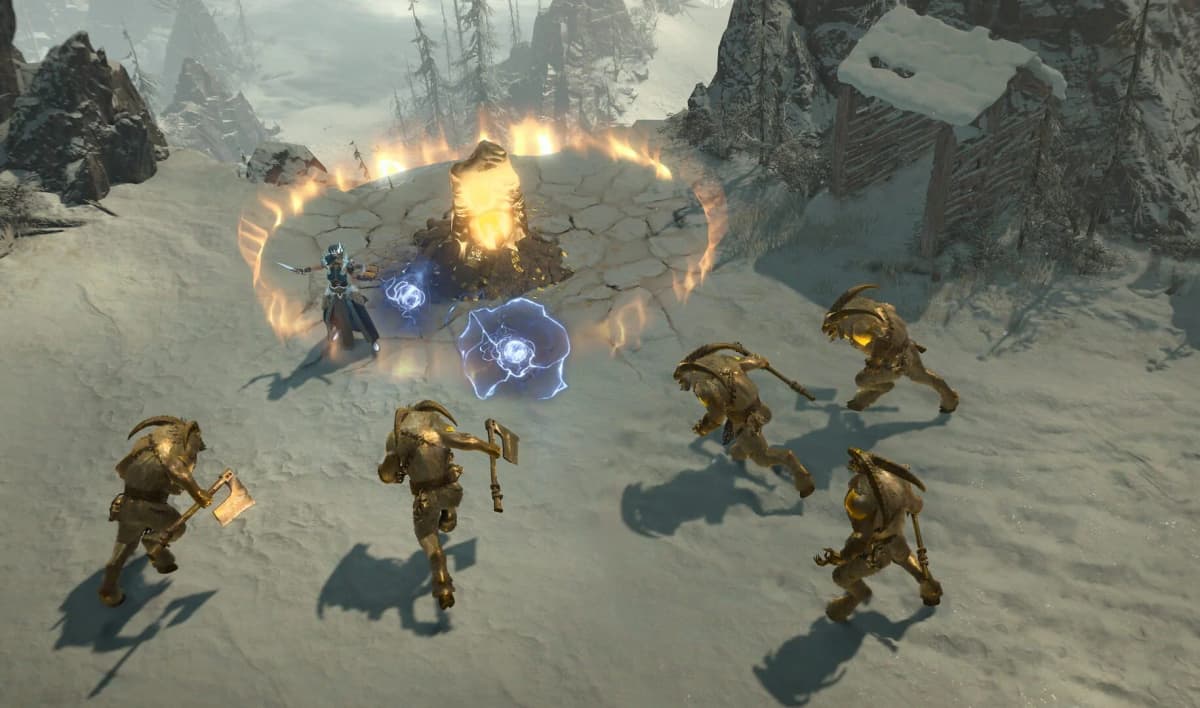
- Shield Bash as your main damage skill and clear tool
- Juggernaut Oath to cash in 8 Resolve for the burst window
- Clash or your preferred reliable Faith generator to start the cycle and stabilize blocks
- Freeze support from gear, talents, or modifiers so enemies are consistently crowd-controlled
- Fanaticism Aura for attack speed and crit support during Shield Bash spam
- Defiance Aura for armor and resistances when content starts hitting hard enough to punish greed
- Rally for tempo and smoother engagement starts
- Arbiter of Justice as the usual offensive ultimate for endgame pressure, with Fortress as a defensive flex if you are pushing survival-first content
The important point here is that Fanaticism is not a luxury buff. This build wants repeated, reliable Shield Bashes in a short damage window, so attack speed does real work. On the defensive side, Defiance is what lets you keep playing aggressively in higher difficulty content instead of turning every elite into a kite fest.
How to play the rotation without wasting the build
A clean Frost Juggernaut pull should feel deliberate. Charge or engage with your generator, build Faith and Resolve, establish your freeze, then spend Resolve only when you can immediately convert it into damage. If you hit Juggernaut Oath in an empty lane or before enemies are controlled, you burn the strongest part of the build for almost nothing.
The basic pack rotation
- Open with Clash or your engagement skill to start building resources and secure positioning.
- Get enemies grouped enough that Shield Bash will connect through the pack instead of clipping one target.
- Apply or trigger your freeze layer before the burst if possible.
- Wait until you have the needed 8 Resolve, then use Juggernaut Oath.
- Immediately turn on your high-tempo window with Fanaticism Aura and spam Shield Bash.
- Drop Arbiter of Justice on elite packs, priority rares, or boss stagger windows rather than on trash that is already dying.
- As the 5-second window ends, stop forcing damage and rebuild.
The biggest mechanical trap is trying to make Shield Bash do all the work on its own. It is the finisher, not the entire setup. Frost Juggernaut is much smoother when you think in phases: build, control, cash out, reset.
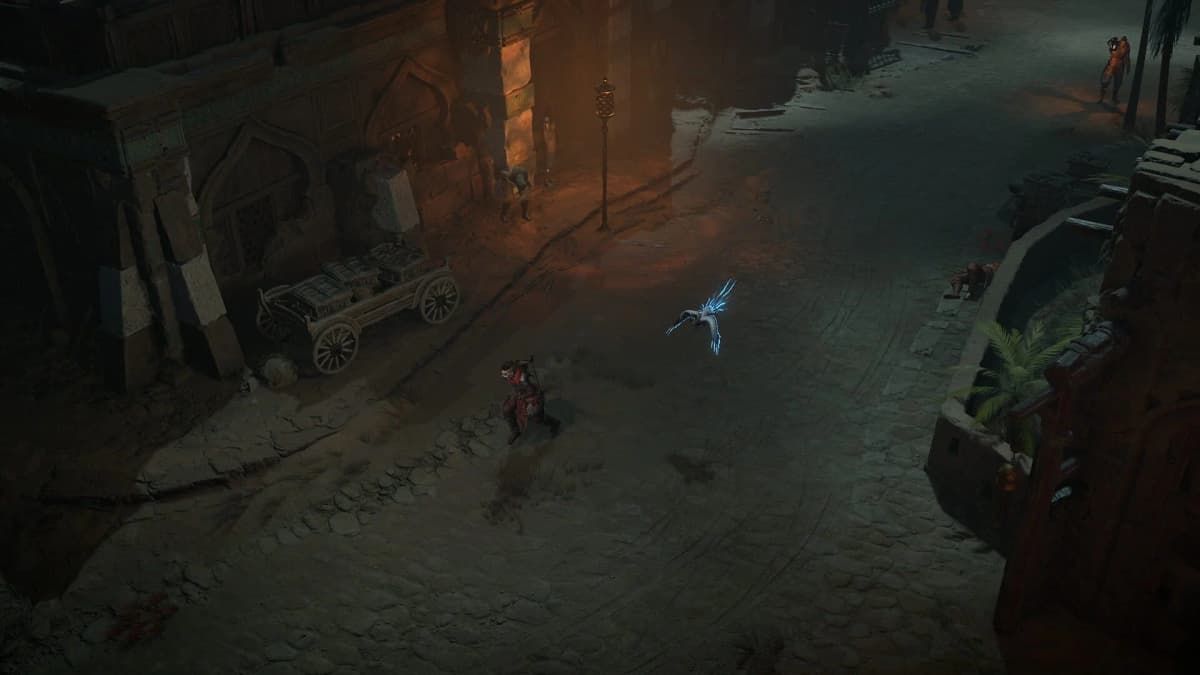
Against bosses, the play pattern changes slightly because freeze is not always reliable in the same way it is against packs. That means your vulnerable scaling, Arbiter timing, and survivability layers matter more. Save burst for clear punish windows, and do not overstay just because your character sheet looks tanky. This build survives well, but repeated boss mechanics will still flatten you if you stand still to force one extra bash.
Gear stats that matter more than they look
The shield is the obvious requirement, but the real itemization lesson is that tempo stats and control synergies often outperform pure sheet-damage chasing. Frost Juggernaut gets paid when its whole engine lines up, not when one stat is inflated in isolation.
- Shield Bash ranks or direct skill scaling should be near the top of your offensive priorities.
- Attack speed is excellent because it helps you exploit the short Oath window.
- Damage to Vulnerable enemies remains highly valuable, especially if your setup or group play keeps Vulnerable active often.
- Damage to crowd-controlled or frozen enemies is a natural fit and stacks well with the freeze-plus-Decrepify plan.
- Cooldown reduction improves overall rhythm and helps keep Arbiter of Justice more available.
- Block chance, armor, resistances, and max life should not be treated as filler on this build. They are part of why the build works under pressure.
- Resolve support from gear or modifiers is worth respecting because the entire cycle starts there.
A common gearing mistake is to overcommit to crit and general damage while ignoring the build’s real quality-of-life stats. If your Shield Bash hits harder on paper but your burst window feels cramped, your freeze uptime is weak, or your Arbiter cycle drifts, the build will perform worse in actual endgame content.
Paragon and glyph priorities for endgame progression
The briefest way to route Paragon for Frost Juggernaut is this: Vulnerable first, Arbiter uptime second, crowd-control damage third, defense fourth only if you are already comfortable surviving. If you are not comfortable surviving, move defense up immediately. Dead characters do no damage, and this build loses more than most when its cycle is interrupted.

For glyph sockets and board routing, prioritize efficient paths that give you these returns early:
- A glyph that boosts damage against Vulnerable targets or scales strongly with the stat clusters nearest your opening board
- A second major glyph focused on crowd-controlled or frozen enemies, because it reinforces your best pack-killing scenario
- Nodes and rare clusters that improve ultimate availability, cooldown flow, or related burst uptime so Arbiter of Justice comes up often enough to matter in repeated elite chains
- Shield, armor, resistance, and life nodes that keep you from dropping your cycle during heavy incoming damage
If you are min-maxing, do not route purely for the shortest line to a socket. Route for the strongest combination of useful stats on the way there. Frost Juggernaut rewards efficient boards because it values several linked outputs at once: Vulnerable damage, crowd-control damage, and enough toughness to keep attacking inside danger zones.
Mistakes that make the build feel weaker than it is
- Using Juggernaut Oath below 8 Resolve unless an emergency demands it
- Starting Shield Bash spam before enemies are controlled, which wastes the freeze and Decrepify synergy
- Holding Arbiter of Justice forever for a perfect moment that never comes
- Burning Arbiter on trivial packs and then lacking it for the next dangerous elite group
- Stacking only offense and wondering why the build feels inconsistent in difficult content
- Ignoring pack setup and bashing into spread enemies where the skill size bonus cannot carry the hit pattern
If your damage feels low, the first thing to check is not your weapon roll. Check whether your frozen targets are actually getting the follow-up debuff, whether you are entering your 5-second Oath window with enough enemies in front of you, and whether your attack speed is high enough to capitalize on it. If your survivability feels low, look at your shield, your aura balance, and whether you are taking unnecessary hits between burst cycles.
For tougher pushes, swapping from a greedier offensive approach into a more survival-heavy version with Fortress can be the right call. That does not mean the Arbiter-focused version is wrong. It means Frost Juggernaut has enough structure to support both a farming setup and a progression setup, and you should build accordingly.
FinalBoss // Gear
Level up your setup
01Top-rated gaming headsetson Amazon→02High-refresh gaming monitorson Amazon→03Gaming chairson Amazon→04Discounted game keyson Kinguin→
Affiliate links · As an Amazon Associate, FinalBoss earns from qualifying purchases.
Want to Level Up Your Gaming?
Get access to exclusive strategies, hidden tips, and pro-level insights that we don't share publicly.
Ultimate Guide Strategy Guide + Weekly Pro Tips