
The Frost Juggernaut Paladin is an endgame control build first and a damage build second. If you set it up correctly, the damage follows from the control loop: build Resolve, trigger Juggernaut Oath at 8 stacks, convert that window into oversized Shield Bash hits, and use the resulting cooldown pressure to keep Arbiter of Justice active for as much of a fight as your gear allows. That is the operating model. If one of those layers is weak, the build feels clumsy instead of durable.
The important correction is that this is not just “a frost Paladin with a shield.” Current community build reports around the Paladin endgame package point to a much narrower setup: shield mandatory, Shield Bash as the main Juggernaut skill, Clash as a major Faith and engagement tool, and enough cooldown reduction, duration support, and on-hit consistency to push Arbiter of Justice toward very high uptime. Exact numbers can change with balance passes, but the logic of the build is stable.
Table of Contents (8)
What makes Frost Juggernaut work
The build has three linked engines.
- Resolve engine: you stack Resolve through repeated combat actions, especially through the shield package. Resolve is your defense layer, but here it is also your fuel.
- Juggernaut Oath engine: once you reach 8 Resolve, the Oath consumes those stacks and buffs Juggernaut skills for a short burst window. Reported versions of the mechanic increase damage and enlarge the skill area, which is why
Shield Bashbecomes a real clear tool instead of a minor utility button. - Arbiter engine: sustained hits, cooldown reduction, and duration support let
Arbiter of Justicestay up for long stretches. In high-end versions of the build, Arbiter is not a panic button; it is part of the main damage cadence.
The frost layer matters, but it is not the whole identity. In most current versions, frost damage is used to scale the Juggernaut package and improve crowd control pressure. The build still lives or dies by Resolve cycling and Arbiter uptime. If you chase only cold damage rolls and neglect cooldowns or Resolve support, the setup usually gets worse, not better.
The core skill package to lock in first
Before you fine-tune gear, make sure the skill shell is correct. The endgame version generally wants the following functions, even if a few flex slots vary by patch.
Shield Bashas the primary spender and crowd-control hit. This is the defining button of the build.Clashas the engage tool and Faith generator. It helps start combat with momentum instead of waiting for the build to “turn on.”Arbiter of Justiceas the major damage and control transformation window.RallyandFanaticismin most reported endgame setups for movement, throughput, and smoother combat pacing.- A supporting Disciple or aura skill, often something like
Blessed Hammer, if your version uses it to feed buffs or keep wing-related synergies active.
Shield requirement is not optional. Many Paladin builds can swap offhand logic around without breaking. Frost Juggernaut cannot. If you remove the shield, you remove the central feedback loop of Resolve generation, block interaction, and empowered bashes.
A useful way to evaluate each skill slot is simple: does it help you reach 8 Resolve faster, improve the value of the 5-second Juggernaut window, or extend Arbiter presence? If not, it is probably a luxury pick and the build can usually do without it.
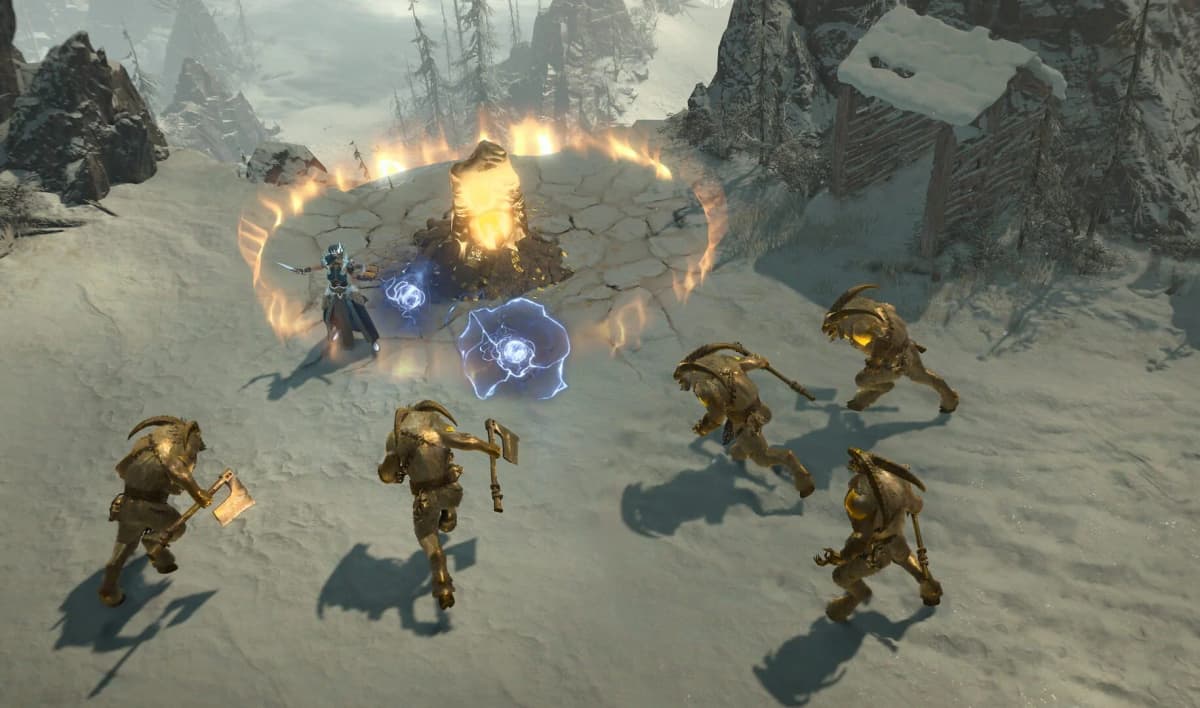
How the combat loop should actually look
The build is strongest when you treat every pull as a setup into an empowered bash sequence, not as random button spam.
- Enter with
Clashor your preferred gap-closer to start generating Faith and establish positioning. - Use your shield-based hits to stack
Resolvequickly. - Watch for the 8-stack threshold so that
Juggernaut Oathconsumes the stacks and opens the buff window. - Spend that short window on dense, high-value
Shield Bashhits. The size increase matters here because it improves coverage and consistency, not just raw damage. - Activate or maintain
Arbiter of Justicein the periods where cooldown support lets it stay relevant, especially on elite packs and boss phases.
The most common misuse is spending your empowered bash into bad geometry. The window is short. If you trigger it on a straggler at the edge of a pull, you lose the advantage that makes the build feel explosive. Pull enemies into a line or a clump first, then cash in the Juggernaut proc where the enlarged hitbox can do its work.
There is also a timing layer around Relentless Ward. Reported versions of that node grant a brief burst of movement speed, damage, and cooldown reduction after dealing damage. That makes constant contact valuable. The build performs better when you chain actions tightly enough to keep those short bonuses feeding back into Arbiter of Justice. If you disengage too often, the engine drops.
Stat priorities and gear logic
For endgame gearing, the trap is overvaluing any single offensive stat. Frost Juggernaut needs a stack of medium-priority stats working together.
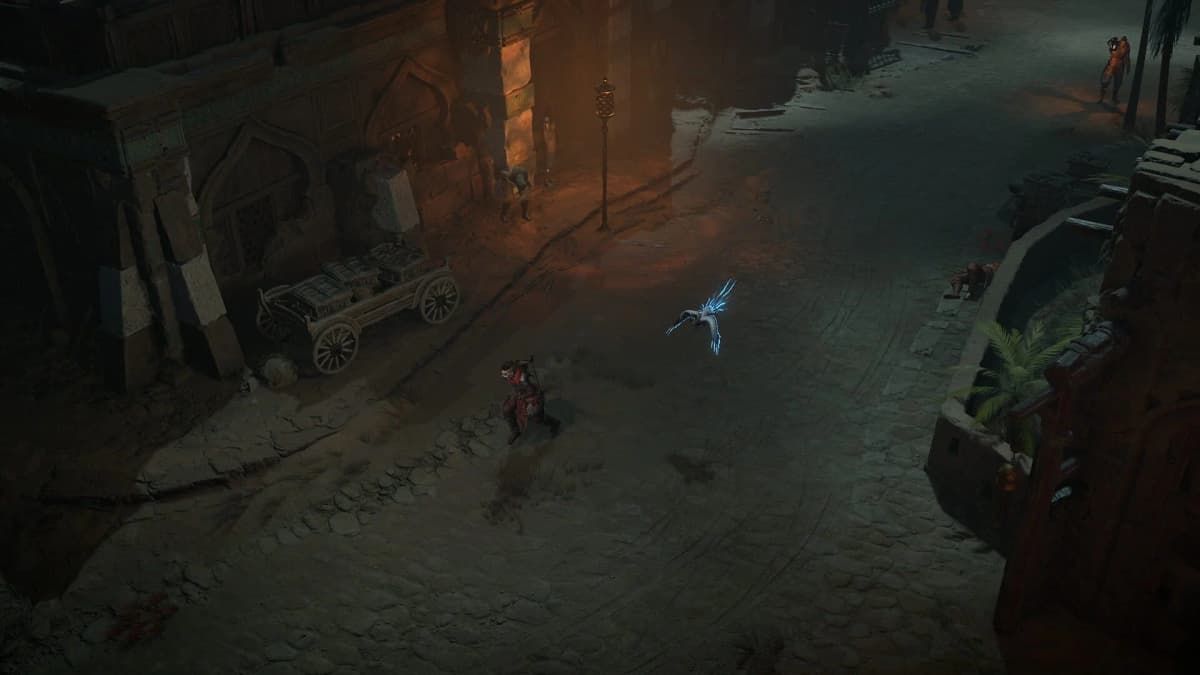
- Cooldown reduction: one of the most important stats because it supports Arbiter uptime and smooths your rotation everywhere else.
- Juggernaut skill scaling: anything that directly improves
Shield Bash, Juggernaut damage, or skill area has outsized value. - Frost damage: good, but mainly when it complements the rest of the engine rather than replacing it.
- Vulnerable damage: strong in endgame because the build naturally leans into control and target-state exploitation.
- Duration support for Arbiter: if your gear or tempers can extend transformation time, this usually has a larger real impact than a small amount of flat damage.
- Resolve support or max Resolve: valuable when it improves cycle reliability instead of merely inflating a stat sheet.
- Defensive baseline: block-related value, armor, and durability still matter because the build wants to stay in contact with packs.
On a practical level, prioritize the shield and any item slots that can meaningfully amplify the shield package. A mediocre weapon with a strong shield setup is often more functional than the reverse. This is because your clear pattern comes from empowered bashes and Arbiter sequencing, not from a generic weapon DPS model.
If your version includes item interactions tied to Judged, Dazed, or otherwise crowd-controlled enemies during Arbiter of Justice, build around those only after the base loop is stable. Those interactions can push the ceiling higher, but they do not fix a bad Resolve cycle.
Paragon and glyph choices that matter most
The Paragon side should reinforce the same three engines rather than introducing a separate damage plan. In practice, that means leaning toward boards and glyphs that do at least one of the following: increase damage to vulnerable or controlled targets, improve cooldown flow, add survivability that lets you stay aggressive, or strengthen your main shield-based damage package.
A good filter is to reject nodes that only add passive, unconditional damage if they do not feed your uptime. Frost Juggernaut gains more from consistency than from isolated spikes. A smaller bonus that keeps Arbiter of Justice active longer or lets you reach the next 8-Resolve threshold faster will usually outperform a larger bonus that appears only on paper.
For glyph planning, vulnerable-target amplification is a natural priority because the build’s crowd control and Arbiter interactions help maintain favorable target states. Defensive glyphs are not wasted either. Endgame Paladin setups often get more total damage by surviving in melee and completing a full cycle than by gambling on a glassier board.

Where the build usually breaks down
Most failed versions of Frost Juggernaut collapse for one of four reasons.
- Too little cooldown reduction: Arbiter becomes intermittent, which removes the build’s endgame pressure.
- Resolve generation is inconsistent: you never hit the 8-stack cycle cleanly, so
Shield Bashfeels underpowered. - Too much commitment to pure frost scaling: the elemental theme looks correct, but the mechanical loop weakens.
- Poor pack handling: empowered bashes are spent on bad angles, empty space, or low-density targets.
There is also a defensive misconception to avoid. The build is sturdy, but it is not a license to stand still through every telegraphed hit. Your survivability is tied to active control, repeated contact, and maintaining the loop. If a boss mechanic forces movement, obey it and rebuild the cycle cleanly rather than trying to tank through everything and losing Arbiter timing.
Bossing and high-tier adjustments
Single-target encounters change the texture of the build because Shield Bash loses some of its natural density advantage. The answer is not to abandon the setup. Instead, tighten the rotation and make sure every empowered window lands during a controlled phase or a moment when the boss can actually be held in range.
- Do not trigger movement tools just to stay busy. Save them for re-entry after boss displacement.
- Hold your best empowered bash sequence for vulnerability or control windows if the boss kit allows it.
- Respect Arbiter timing more than trash clear habits. On bosses, transformation uptime has even more value because there are fewer targets to compensate for mistakes.
- If your single-target feels weak, fix cooldowns and uptime first before swapping in niche damage pieces.
This is also where duration tempers become more noticeable. Extra time in Arbiter of Justice can smooth out phases that would otherwise interrupt your flow. If your push build is aimed at harder endgame content rather than fast farming, longer Arbiter windows usually deserve priority over small comfort stats.
If damage or Arbiter uptime still feels off
Diagnose the problem in order. First, confirm that Shield Bash is actually your main damage button and that you are hitting the 8-Resolve trigger often enough. Second, inspect cooldown reduction and duration support; a Frost Juggernaut without frequent Arbiter presence is missing its late-game layer. Third, check your target-state scaling. Vulnerable and crowd-control synergies are often more productive than adding another isolated frost roll. Once those three checks are fixed, the build usually stops feeling fragmented and starts functioning like the compact endgame engine it is supposed to be.
FinalBoss // Gear
Level up your setup
01Top-rated gaming headsetson Amazon→02High-refresh gaming monitorson Amazon→03Gaming chairson Amazon→04Discounted game keyson Kinguin→Affiliate links · As an Amazon Associate, FinalBoss earns from qualifying purchases.
Want to Level Up Your Gaming?
Get access to exclusive strategies, hidden tips, and pro-level insights that we don't share publicly.
Ultimate Guide Strategy Guide + Weekly Pro Tips