
When a live-service ARPG has to switch off an item outright, that is not “just a balance issue.” That is the emergency brake. Blizzard has temporarily disabled Diablo 4’s Barbarian aspect Limitless Rage after players found an interaction that pushed damage scaling into the absurd, reportedly stacking past 15,000 Fury-based bonuses and sending hits into the quadrillions. Funny for a clip. Less funny if you care about build integrity, leaderboards, or the idea that endgame progression is supposed to mean something.
Blizzard’s public message was blunt enough: it disabled the Barbarian affix because of “unintended interactions” with Melted Heart of Selig and Endurant Fate, and it says a fix is in the works with no ETA. For players, the immediate takeaway is simple: if your Barbarian build relied on Limitless Rage, check your gear now. Affected items are being marked as “temporarily disabled,” and whatever version of your build planner existed yesterday may already be obsolete.
Table of Contents (4)
This was not a clever build – it was a system failure
Limitless Rage is supposed to reward excess Fury generation. In normal circumstances, that is classic Diablo design: build resource, cash it out, hit harder. The problem is that “normal circumstances” left the building once players paired it with Melted Heart of Selig and Endurant Fate. The reported interaction effectively turned incoming damage, Fury behavior, and damage scaling into a feedback loop that the game clearly was not built to contain.
The rough explanation goes like this: Limitless Rage gains stacks when you generate Fury beyond the cap, and those stacks are meant to fall off after a short window. But with Selig altering resource behavior and survivability, and Endurant Fate redistributing incoming damage in a way that kept the engine spinning, players found a route to stack the bonus almost instantly and at ridiculous volume. Whirlwind was an obvious beneficiary because of how often it can convert a broken multiplier into screen-clearing nonsense, but the important part is not the specific skill. The important part is that the game’s item ecosystem allowed an affix to become effectively uncapped.
That distinction matters because some exploits are edge-case tech. This one looks more like a hole in the plumbing. And when the plumbing breaks in a loot game, every adjacent system starts smelling weird: race legitimacy, class balance discourse, build guides, and the value of rare gear all get distorted at once.
The awkward part: Diablo 4 is in one of its better moments
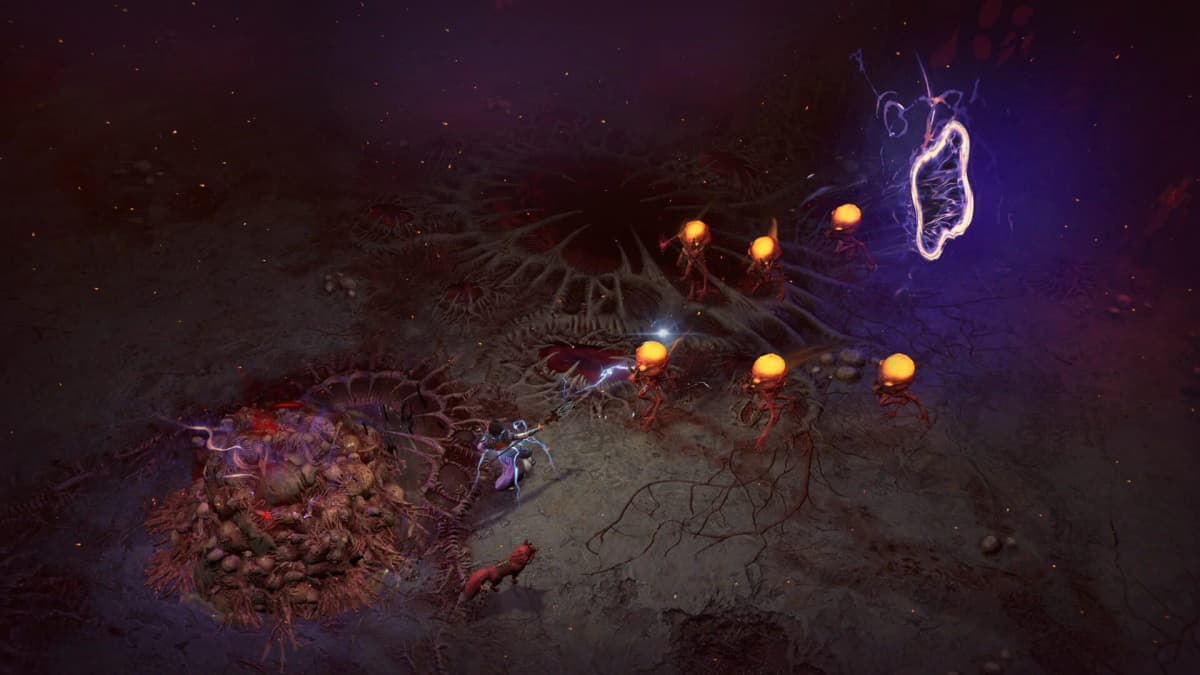
What makes this sting more is timing. Diablo 4 has lately been in a healthier spot than it was during its rocky first-year identity crisis. Recent updates and expansion content have improved the endgame, broadened build experimentation, and generally pushed the conversation away from “is this game fixed yet?” toward “which class is actually fun right now?” That is progress. Real progress. But live-service recovery stories always come with a catch: once players re-engage at scale, they stress-test systems harder than internal QA ever will.
That is the larger story here. This is not evidence that Diablo 4 is uniquely broken. ARPGs are basically controlled explosions of math, and every season introduces new opportunities for one affix, one unique, or one interaction to punch through the floor. Path of Exile has lived through versions of this. Diablo 3 certainly did. The difference is how often the developer has to reach for outright disablement instead of a fast numbers pass.
Blizzard has already been in active hotfix mode around Diablo 4 lately, knocking out bugs, exploit paths, and progression issues. That cadence is better than silence, but it also underlines the tradeoff of the current model: faster seasonal iteration means faster breakage, and players become unpaid QA the minute a patch goes live. The PR version is “rapid response.” The player version is “hope your build doesn’t disappear after dinner.”
The question Blizzard still hasn’t really answered
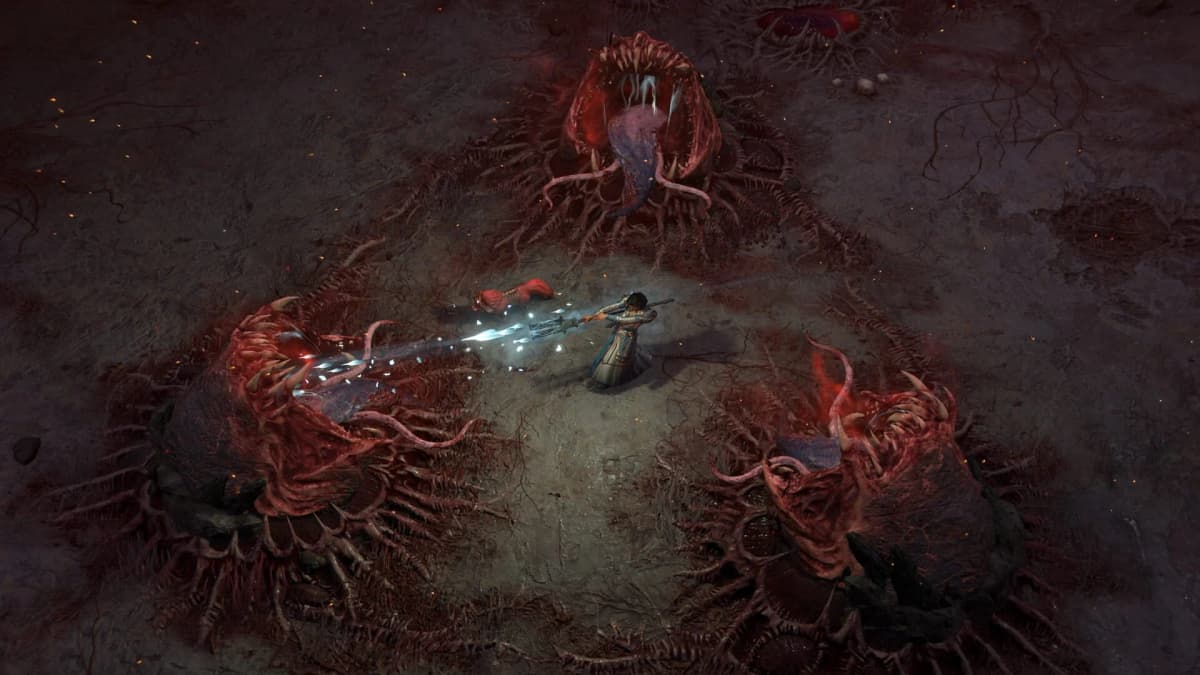
Disabling the aspect was the correct move. Let’s get that out of the way. If something is generating near-infinite damage, you do not politely leave it in the ecosystem while you workshop a patch note. You kill it. The uncomfortable question is what comes next for everyone who wasn’t abusing it at exploit scale.
Because this is where live-service balance always gets messy. If Limitless Rage comes back heavily nerfed, legitimate Barbarian players get punished for a bug they didn’t create. If it comes back mostly unchanged with only the Selig and Endurant Fate interaction fixed, Blizzard is betting it has fully understood the exploit chain the first time. That is a bold bet in a game where stacked conditional modifiers have a habit of finding new ways to misbehave.
If I were in the press room, the question for Blizzard would be straightforward: was this a single broken interaction, or did this reveal that Fury-overcap scaling itself is too easy to destabilize? Those are very different problems. One gets a surgical hotfix. The other means Barbarian itemization may still be sitting on top of more ugly surprises.
What players should watch next
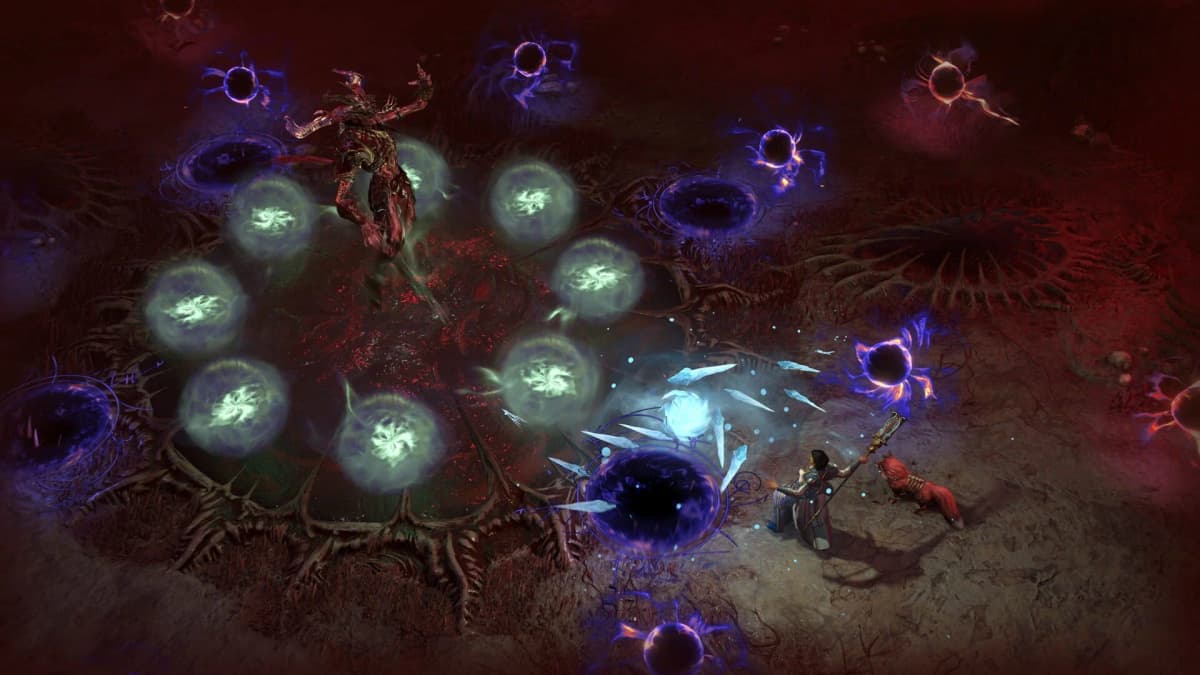
The first signal is obvious: re-enable timing. If Blizzard restores Limitless Rage quickly, it likely believes this was a tightly scoped bug tied specifically to Selig and Endurant Fate. If the disablement lingers, that usually means the issue is deeper than the PSA suggested.
- Watch for whether Blizzard names the exact mechanical fix in patch notes, not just “resolved an issue.”
- Watch whether Barbarian clears or ladder performance suddenly crater after the aspect returns.
- Watch whether Melted Heart of Selig or Endurant Fate receive separate adjustments, because that would suggest the problem was systemic rather than isolated.
- Watch community theorycrafters more than marketing copy; they will know within hours if the exploit is truly dead or merely wearing a fake mustache.
There is also a credibility angle here. Diablo 4 has earned back some goodwill by reacting faster and shipping more meaningful updates than it did in its early stumble phase. Good. It needed to. But goodwill in a seasonal loot game is fragile, and it gets tested every time a class-defining effect is turned off overnight. Players can handle nerfs. Players can even handle broken launches, up to a point. What they hate is uncertainty – not knowing whether their build is getting repaired, redesigned, or quietly buried because one exploit made Blizzard nervous.
So yes, this specific exploit had to die. Nobody seriously argues for keeping quadrillion-damage nonsense alive in a shared endgame. The more interesting question is whether Blizzard is cutting out one infected interaction or exposing a deeper truth about Diablo 4’s current item sandbox: that it is more fun than it used to be, more ambitious than it used to be, and still just unstable enough that one “limitless” affix can force the whole class conversation back into triage mode. If that tension keeps defining every strong seasonal build, how long before players stop trusting the sandbox in the first place?
FinalBoss // Gear
Level up your setup
01Top-rated gaming headsetson Amazon→02High-refresh gaming monitorson Amazon→03Gaming chairson Amazon→04Discounted game keyson Kinguin→Affiliate links · As an Amazon Associate, FinalBoss earns from qualifying purchases.
Want to Level Up Your Gaming?
Get access to exclusive strategies, hidden tips, and pro-level insights that we don't share publicly.
Ultimate Gaming Strategy Guide + Weekly Pro Tips