
What jumped out in the early Diablo IV: Lord of Hatred reviews is not the review average. An 82 on Metacritic for PC is solid, sure. The bigger story is that Blizzard appears to have finally fixed the two parts of Diablo 4 that have been fighting each other since launch: a campaign people finish once and an endgame people tolerate because the loot treadmill demands it. Lord of Hatred sounds like the first time those halves are pulling in the same direction, even if the expansion still doesn’t fully answer the question that has haunted this game for nearly three years: how long does the fun survive after the novelty wears off?
- The campaign is the headline, not a side dish. Critics are unusually aligned in calling the Mephisto arc the strongest story Diablo 4 has told, with real emotional payoff instead of lore-dump busywork.
- Blizzard’s new War Plans system looks like a direct response to a launch-era problem. Reviews say it gives players clearer endgame direction and more intentional progression, which is exactly what the base game often lacked.
- Two new classes and deeper build tools matter more than the box bullet point suggests. Paladin and Warlock are obvious marketing hooks, but the bigger win may be the broader flexibility added to skill trees and customization systems.
- The skepticism hasn’t gone away. Several early takes suggest the expansion improves the grind without completely reinventing it, and that distinction matters a lot for anyone deciding whether this is a weekend campaign buy or a season-to-season commitment.
Table of Contents (5)
Blizzard finally gave Diablo 4 a story worth remembering
This is the part most ARPG coverage tends to underrate because spreadsheets are easier to argue about than tone. But the campaign praise here is unusually specific. The consensus from the early review round is that Lord of Hatred lands as a proper finale to the Mephisto storyline, with stronger pacing, sharper stakes, and more emotional confidence than the base game or Vessel of Hatred managed.
That matters because Blizzard has spent years trying to make Diablo 4 feel like a live service with prestige-campaign ambitions. At launch, the game had atmosphere to spare, but it often felt like it was holding back from making hard narrative choices. Reviewers are now describing Lord of Hatred as the point where the writing actually cashes in its setup: Lilith’s shadow still hangs over the story, Mephisto gets a proper payoff, and the expansion reportedly leans into themes like sacrifice, love, and hope without sounding embarrassed about it.
That is not a small shift for this franchise. Diablo stories usually work best when they stop pretending players are here for pure exposition and start treating tragedy like part of the power fantasy. If this expansion really is the strongest narrative chunk of Diablo 4, then Blizzard has done something more valuable than shipping more zones and bosses. It has made the world feel like more than a delivery mechanism for loot filters.
If I were in the room with Blizzard PR, the question would be blunt: was this campaign always the intended payoff, or did the team realize it needed a much stronger narrative hook to sell players on another major course correction? Because that distinction matters. One version is payoff. The other is repair work.
War Plans sound less flashy than new classes, but they may be the real expansion
The most important system in Lord of Hatred may also be the least glamorous one. Reviews point to the new War Plans structure as the feature that gives endgame progression clearer shape. That might sound dry. It is also exactly the kind of fix Diablo 4 has needed since players first hit the level cap and discovered that “do whatever, repeatedly” is not the same thing as having a compelling endgame.
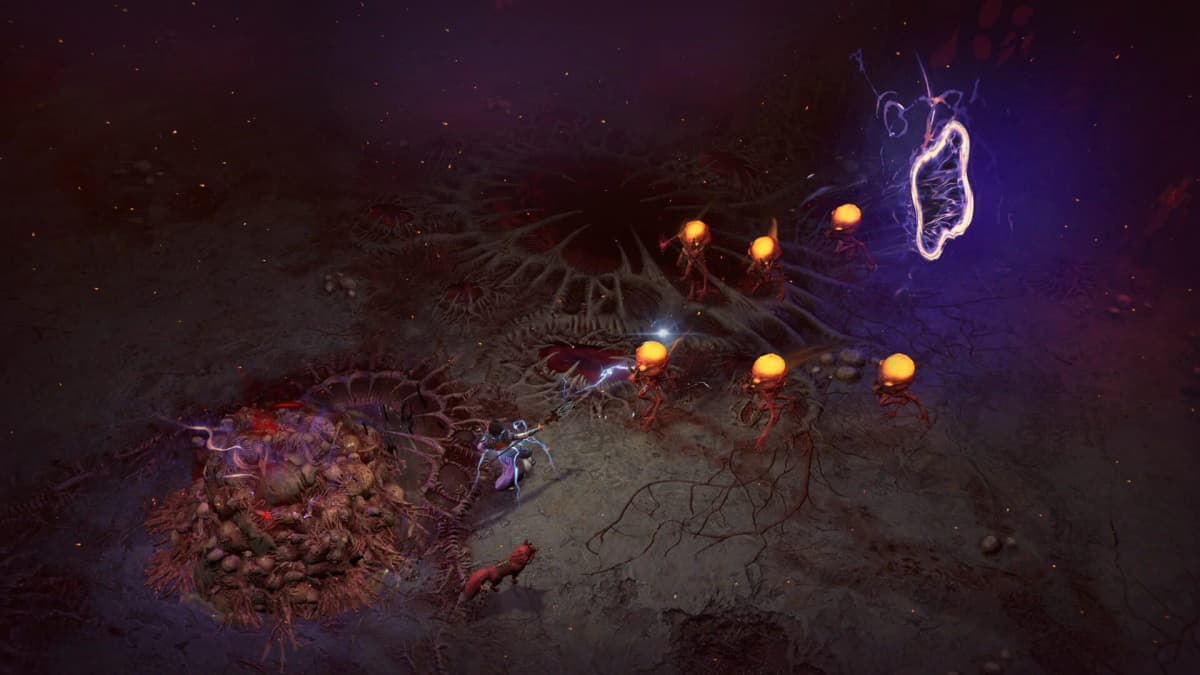
According to the early coverage, War Plans let players map out sequences of activities with progression paths and rewards attached. On paper, that addresses a long-running issue: not whether there is content to do, but whether the game gives that content purpose and momentum. A lot of live-service design fails here. It throws a dozen systems on the table, then mistakes abundance for clarity. Blizzard seems to have realized that players do not just want more tasks. They want an intelligent reason to care what comes next.
That is why this system matters more than the PR-friendly feature list. Endgame success in an ARPG is rarely about raw volume. It is about friction, flow, and whether the game can keep aspiration alive after the campaign credits. If War Plans genuinely solve the “what should I be doing right now?” problem, that is a bigger quality-of-life victory than any one boss or item system.
The catch, and reviewers are right to flag it, is that better structure is not the same thing as infinite staying power. More guided progression can improve the first 20 or 30 post-campaign hours without necessarily fixing repetition, reward fatigue, or the eventual flattening of build experimentation. Blizzard has become much better at triage with Diablo 4. The open question is whether it has become great at longevity.
This still looks like a correction, not a clean victory lap
The optimistic read is easy: two new classes, a higher level cap, more flexible skill trees, new difficulty layers, tougher raidlike encounters, fresh item and crafting hooks, and a campaign people actually want to talk about. That is a lot of movement for one expansion. Paladin and Warlock in particular give Blizzard two archetypes with obvious fantasy appeal and strong replay potential, which is not an accident. When an ARPG wants to re-energize its audience, it reaches for class identity first because that is the one promise players can feel immediately.
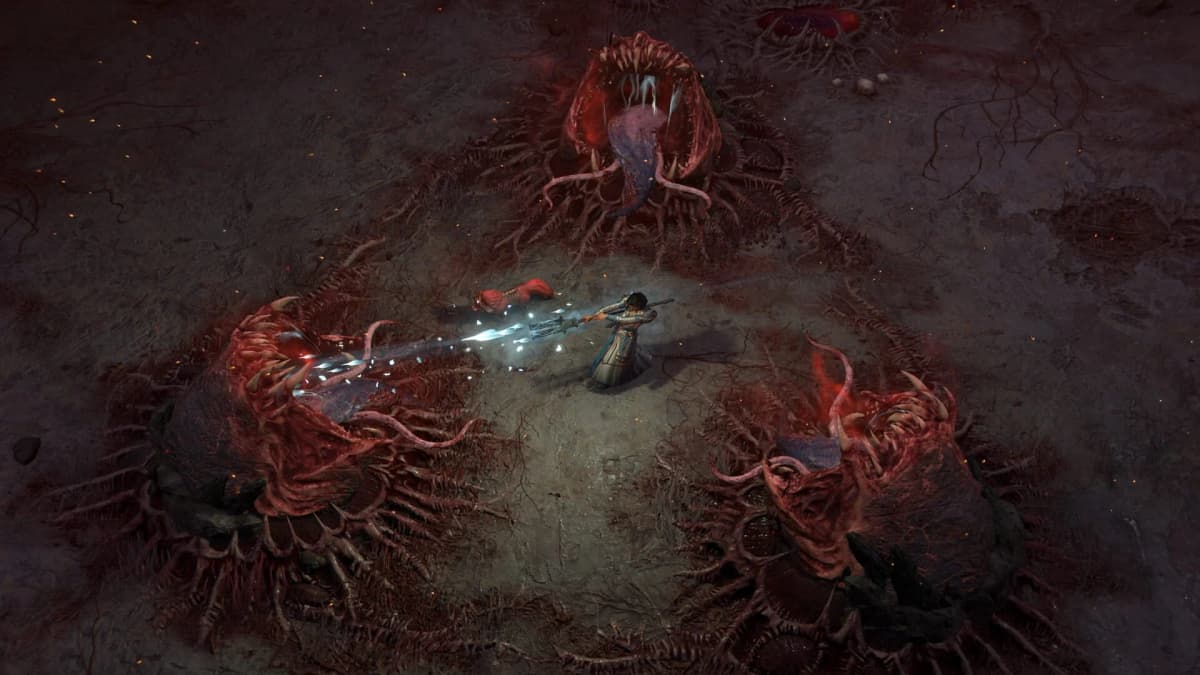
But the less comfortable read is the one worth taking seriously: Lord of Hatred sounds like Blizzard repairing foundational assumptions that should have been stronger much earlier. Better progression flow, deeper customization, cleaner endgame direction, more meaningful payoff – none of that is trivial, but none of it is revolutionary either. It is the kind of work a live game does when it has learned, sometimes painfully, what its audience has been asking for since year one.
That does not make the expansion bad. Quite the opposite. It may be the best Diablo 4 has ever been, which several review roundups are effectively saying. It just means players should read the praise correctly. This is not “Blizzard has transcended the genre.” This is “Blizzard may have finally aligned content, systems, and pacing well enough to make the whole package click.” There is a difference.
And yes, the value question still hangs there. Some early impressions praise the replay loop; others hint that not every endgame complaint has been meaningfully solved. That is a familiar Diablo 4 pattern. The first wave loves the density of new systems. The second wave, usually a few weeks later, decides whether those systems hold up once players stop being charmed by freshness and start optimizing the fun out of them. ARPG players are very good at that. Sometimes too good.
What I’d watch before calling this the expansion that “fixed” Diablo 4
The first signal is simple: what does sentiment look like one to two weeks after the April 28, 2026 release, once players have cleared the roughly eight-hour campaign and settled into War Plans full-time? Strong launch reviews can tell you whether the expansion is polished and compelling up front. They cannot tell you whether the endgame loop stays sharp after players have solved the obvious routes.
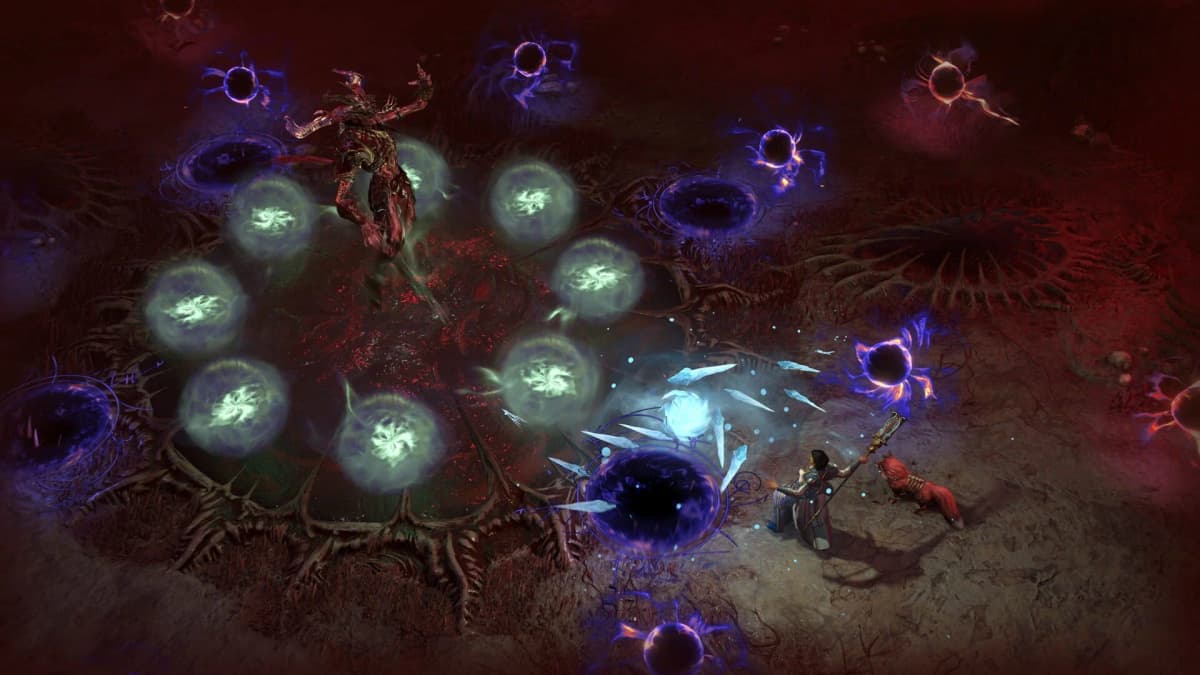
The second is class balance. Paladin and Warlock are a huge part of this expansion’s appeal, but new classes in loot-driven games always distort the conversation. If one of them becomes the default “why would I play anything else?” pick, that will flatten build diversity fast. If both feel distinct, strong, and sustainable through higher-tier content, Blizzard has a real win.
The third is UI and systems readability. At least some review coverage notes growing complexity from the new layers of customization. That is manageable when the systems are elegant. It becomes a problem when the game starts feeling like it needs a decoder ring to explain why one progression route beats another. Diablo 4 has always been at its best when depth and immediacy coexist. Once one starts choking the other, the momentum dies.
The last thing to watch is Blizzard’s own post-launch cadence. If Lord of Hatred really is the expansion that brings the campaign and endgame into alignment, then the studio needs to protect that momentum with fast tuning, clear communication, and seasonal follow-through that builds on War Plans instead of burying it under three more currencies and a new tab nobody asked for.
TL;DR
Diablo IV: Lord of Hatred is landing with strong early reviews because it reportedly delivers the game’s best campaign yet and a much smarter endgame framework. The real reason that matters is not the review score; it is that Blizzard seems to have finally addressed the disconnect between narrative payoff and long-term progression. The thing worth watching next is what players say after they finish the story, because that is where Diablo 4 has always had to prove itself the hard way.
FinalBoss // Gear
Level up your setup
01Top-rated gaming headsetson Amazon→02High-refresh gaming monitorson Amazon→03Gaming chairson Amazon→04Discounted game keyson Kinguin→Affiliate links · As an Amazon Associate, FinalBoss earns from qualifying purchases.
Want to Level Up Your Gaming?
Get access to exclusive strategies, hidden tips, and pro-level insights that we don't share publicly.
Ultimate Editor's Pick Strategy Guide + Weekly Pro Tips