
Table of Contents (9)
The real headline isn’t Loot 3.0-it’s enemies that finally fight back
Blizzard’s calling Diablo 4’s Season 11 PTR a fundamentals patch, and for once, that doesn’t sound like spin. Sure, “Loot 3.0” will get the loudest cheers-four base affixes on non-uniques, deterministic tempering, a PoE-style masterworking revamp, and a risky new sanctification layer. But the piece that could actually save Diablo 4’s endgame isn’t another gear treadmill-it’s the monster overhaul that promises enemies with intent, elites that feel scary again, and defense systems that finally matter. If Blizzard sticks the landing, this might be the first time in months I don’t alt-tab back to Last Epoch or keep daydreaming about PoE 2.
Key takeaways
- Loot 3.0: Four affixes on non-uniques, no-RNG tempering, masterworking quality with rerollable greater affix, plus high-risk “sanctify.”
- “Combat evolved”: Enemies play roles, flank, and actually hit you; elites are rarer but much tougher with 20+ new affixes.
- Defense matters: New “toughness” readout, fewer flat damage reduction sources, and deeper scaling via armor and resistances.
- Competitive endgame: Tower is a timed, multi-stage climb with leaderboards—finally giving speed clear fans something to chase.
Breaking down Loot 3.0 (and why it’s not the whole story)
Season 4’s Loot Reborn got Diablo 4 closer to a sane gear loop, and Season 11 doubles down. Non-unique items now roll four base affixes so you’re not auto-salvaging 90% of drops. Tempering loses the casino vibe—huge win—and masterworking borrows from Path of Exile’s quality-style progression with the ability to reroll the big “greater affix” bump. That specific control is exactly what D4 needed for endgame crafting.
Then there’s sanctification: one last roll of the cosmic dice that can spike an item into god-tier territory but locks it from further modification. PoE players will nod—this is basically Diablo’s take on a Vaal Orb. Risk/reward crafting rocks when the baseline is reliable, so the deterministic tempering and more transparent masterworking should make that final gamble feel earned. My only worry? If sanctify becomes mandatory for meta builds, bricking an item on a bad roll will sting like losing a mirror-tier craft in someone else’s ARPG.
“Combat evolved” could be the endgame fix Diablo 4 needs
For me, the endgame problem in D4 hasn’t been loot—it’s that combat devolves into zoom-zoom AoE followed by kiting a tanky elite until your cooldowns line up. Blizzard says Season 11 changes that. Enemies get defined roles and more reliable attacks; they turn to face you, punish careless movement, spread out, and even flank. Translation: you can’t just blur through packs on autopilot and expect to live.
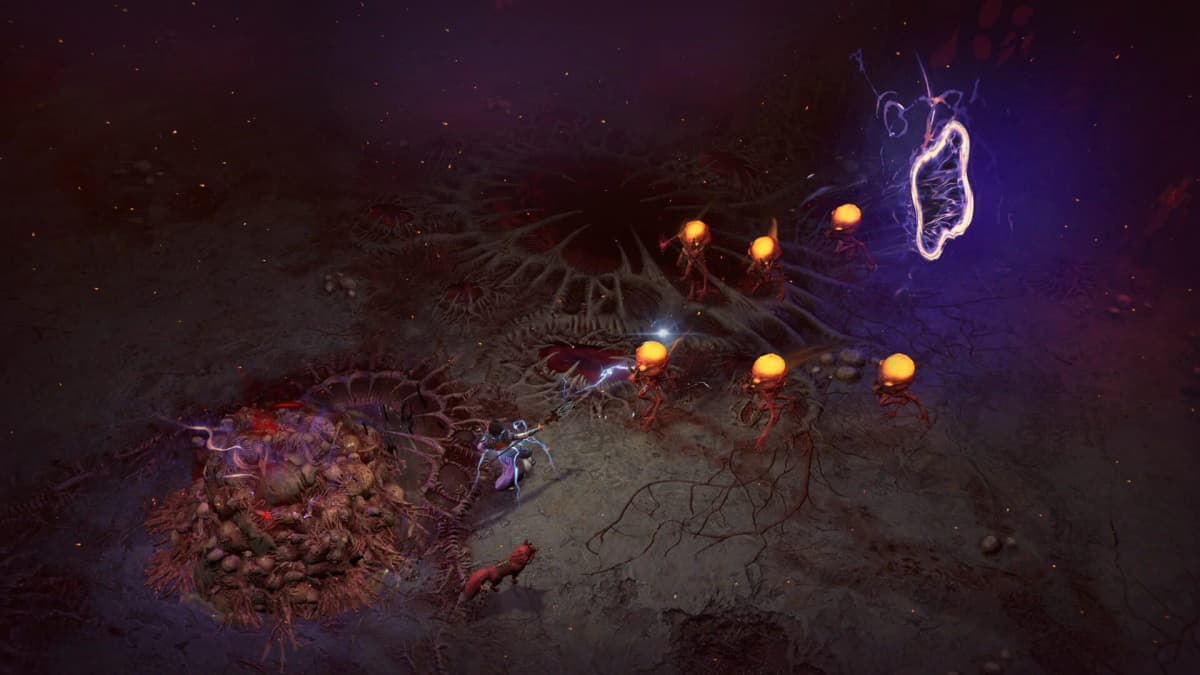
Elites are the big swing. You’ll see them less often, but they’ll be “considerably” tougher, spawning with minions that inherit some of their affixes. The affix pool expands by 20+ options, including Diablo 3 classics like Fire Chains and Orbiter. If Blizzard’s promise of “reduced overlap in their designs” holds, we’ll get dangerous variety rather than another rainbow of floor nukes. Champions come in squads with distinct modifiers, acting as mid-tier threats between trash and elites—a good pacing change if tuned right.
The meta implications are huge. One-button screen clear builds might need to think about target priority and crowd control again. Melee, which has ping-ponged between “unkillable” and “why am I doing this to myself?,” could benefit if enemy spacing and telegraphs are honest. But if “harder to dodge” ends up as unavoidable chip damage and constant chain CC, expect a return to barrier/unstoppable uptime checks. The line between tactical pressure and cheap hits is thin, and ARPG vets can smell the difference instantly.
Defense gets deeper with “toughness” and saner scaling
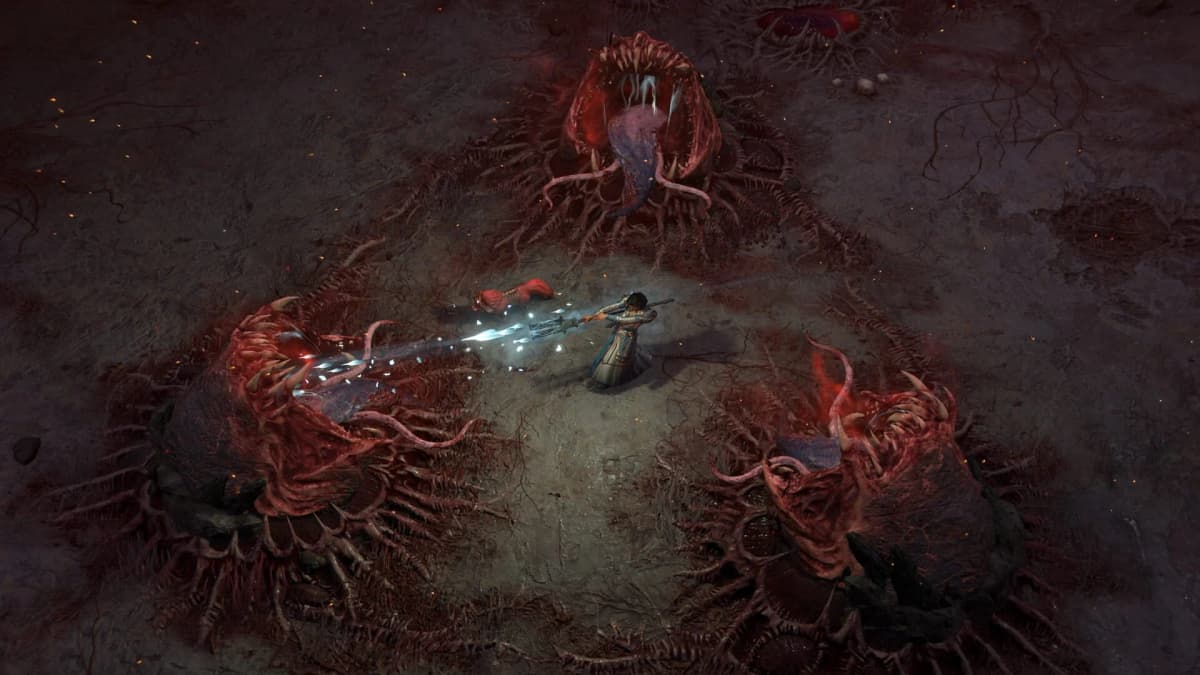
Diablo 4’s defense math has been a headache since launch. Season 11 introduces a “toughness” stat that summarizes survivability per damage type and overall—finally, a readable yardstick for whether you’re actually tanky or just coping. Explicit damage reduction sources will be rarer, replaced by multiplicative armor and resistance scaling. Blizzard says old caps are gone, giving players more control as difficulty climbs. If true, this should reward thoughtful gearing and reduce the whiplash between god-mode and paper-thin deaths as you push tiers.
Big picture: if the enemy AI changes land, these defense tweaks will be the backbone that makes buildcraft interesting again. It’s not just about pumping damage; it’s about choosing when to invest in armor, when to chase resist breakpoints, and how to layer mitigation for specific boss patterns. That’s the kind of decision-making that keeps an ARPG sticky.
Tower, leaderboards, and the race problem
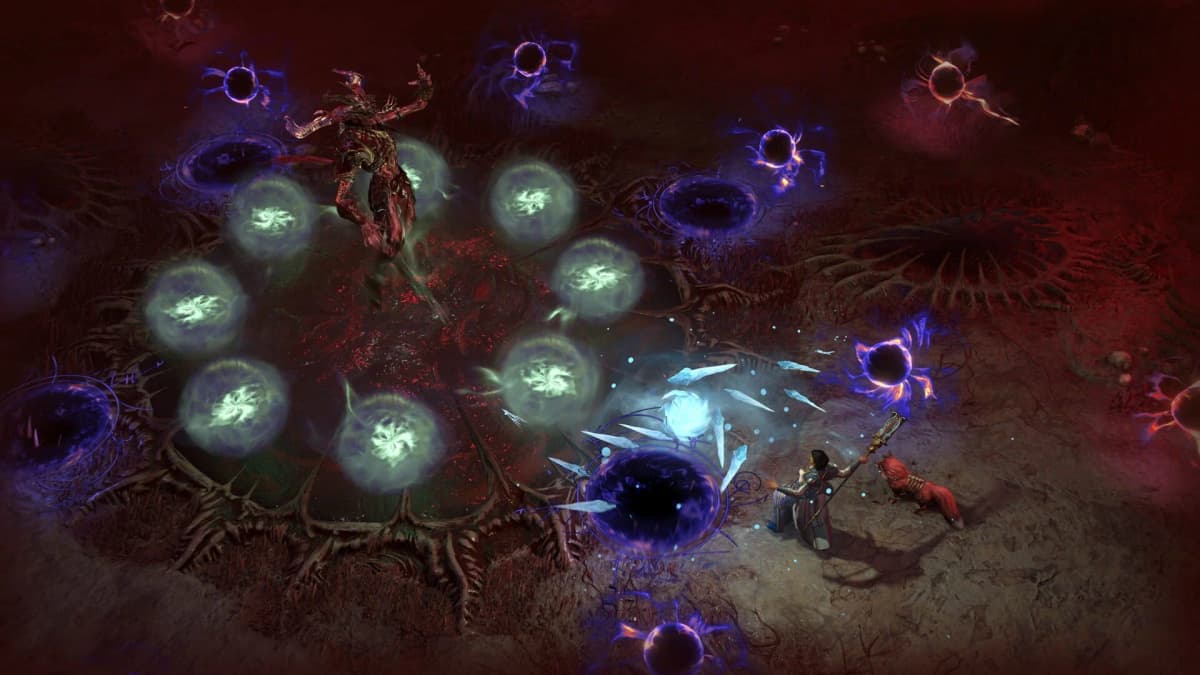
The new Tower is a multi-stage, timed climb aimed at top-end players, with leaderboards returning to give speed demons bragging rights. I’m into it—Diablo 3’s Greater Rift ladders kept a lot of us grinding long after the loot stopped surprising. But timing-based content is only as good as its fairness. Spawn density RNG, broken affix combos, or one class trivializing mechanics will sour competitive runs fast. If Blizzard wants the Tower to stick, it needs strong seeding, smart affix bans, and frequent balance passes.
What to try on the PTR (Oct 21-28)
- Crafting loop: Perfect an item with deterministic tempering/masterworking, then sanctify it to feel the real risk/reward.
- AI pressure test: Run familiar dungeons and compare how goatmen, shamans, and ranged cultists behave—do they flank, space out, and punish greed?
- Elites and champions: Track time-to-kill and danger spikes; see whether inherited affixes on minions create interesting micro-boss fights.
- Defense tuning: Use the toughness readout to target specific damage types and test how armor/resist stacking scales as you push higher tiers.
- Tower runs: Gauge how much the timer rewards execution versus build RNG, and how leaderboards stack across classes.
Looking ahead
This caught my attention because it targets Diablo 4’s real problem: combat that got too samey, too fast. Loot 3.0 looks strong, but the monster and defense reworks are the make-or-break. If enemies finally demand respect and we’ve got the tools to respond without cheese, Season 11 could be the pivot that keeps me logged in post-season roll. If not, it’s back to the roulette wheel—just with nicer odds on the crafting table.
TL;DR
Season 11’s PTR (Oct 21-28) brings smarter monsters, tougher elites, and clearer defense math alongside meaningful loot crafting upgrades. The Tower and leaderboards could reignite competition, but the real test is whether “combat evolved” feels tactical—not cheap.
FinalBoss // Gear
Level up your setup
01Top-rated gaming headsetson Amazon→02High-refresh gaming monitorson Amazon→03Gaming chairson Amazon→04Discounted game keyson Kinguin→Affiliate links · As an Amazon Associate, FinalBoss earns from qualifying purchases.
Want to Level Up Your Gaming?
Get access to exclusive strategies, hidden tips, and pro-level insights that we don't share publicly.
Ultimate Gaming Strategy Guide + Weekly Pro Tips