
Table of Contents (17)
What the Early Pit Leaderboard Is Telling Players
Diablo 4’s early Season 14 Pit leaderboard has a clear message: Evade Counterswarm Spiritborn is the build to watch for serious pushing. The strongest clears have reached Pit 137, driven by repeated Pestilent Swarm hits, evade-based uptime, and Mythic interactions that turn a mobile poison setup into a multiplier engine.
This is a ranking of the priorities worth copying, rather than a promise that every player should rebuild their character immediately. Pit pushing rewards a very particular combination of damage, survival, and gear access. A build can look immortal in a showcase and still be a miserable project if its essential Mythics never drop.
1. Evade Counterswarm Spiritborn
The leaderboard’s defining build is the Evade Counterswarm Spiritborn. Its strength comes from how cleanly its movement tool and damage engine work together: evading preserves momentum while Pestilent Swarms keep orbiting and dealing damage.
That matters in The Pit, where standing still to execute a perfect damage sequence is often a fast route to a failed run. This setup keeps the player moving through danger while the damage continues to happen around them.
2. Pestilent Swarms
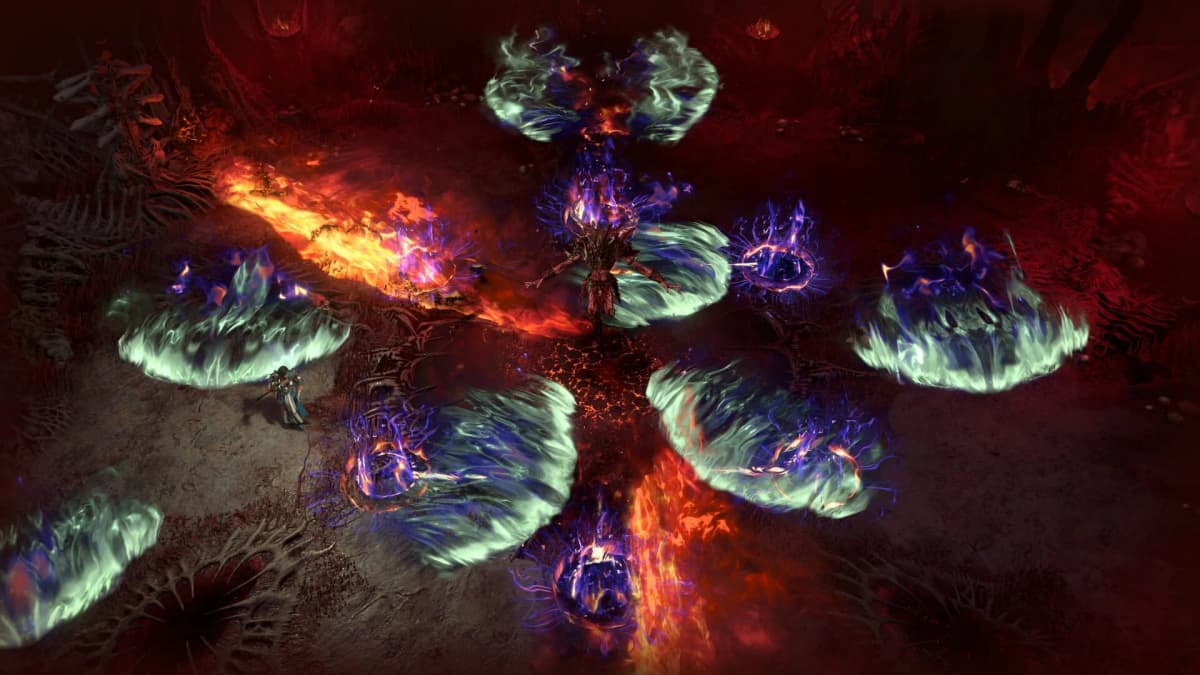
Pestilent Swarms are the foundation, full stop. The orbiting poison clouds strike enemies repeatedly rather than delivering one large hit, which gives the build an unusually strong way to capitalize on effects that trigger through repeated damage events.
Players chasing this archetype should treat Swarm functionality as the first requirement. A pile of damage bonuses means little if the core effect is not connecting often enough to fuel the rest of the build.
3. Multi-Hit Damage Is the Real Engine
The most important detail is not simply that Pestilent Swarms deal poison damage. It is that they hit multiple times per second. Each extra connection creates another chance to activate on-hit value and compound the payoff of the build’s item interactions.
This is why the setup has more ceiling than a standard single-hit skill. A single cast can become a stream of damage events, and that stream is where the serious Pit damage comes from.
4. Build for Swarm Uptime Before Bigger Numbers
Uptime is the stat behind the stat sheet. The best Evade Counterswarm versions prioritize keeping their swarms active and their character mobile through an entire encounter, rather than chasing a short-lived burst window.
For practical gearing, that means asking a blunt question of every upgrade: does it help the swarms stay productive while moving through a Pit floor? If the answer is no, a flashy damage roll may be less valuable than it looks.
5. Evade Is a Damage Tool
Evade is doing more than saving the Spiritborn from incoming attacks. In this build, it supports the Counterswarm loop and keeps the character positioned where orbiting swarms can keep catching enemies.
That makes clean movement part of the damage rotation. Players who treat evade as an emergency button will leave value on the table; players who use it to maintain pressure will understand why this variant is pulling ahead early.
6. Mythic Uniques Create the Ceiling
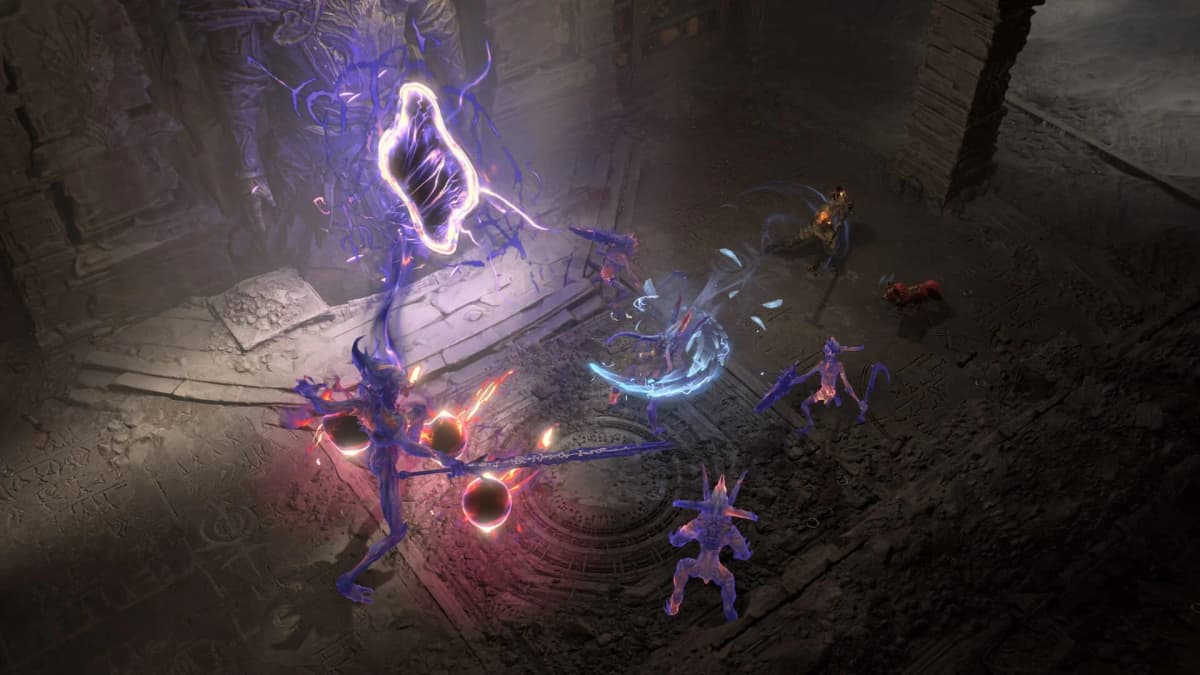
The gap between a capable Counterswarm setup and a leaderboard contender is heavily tied to Mythic Uniques. Their interactions with the build’s rapid multi-hit pattern and multiplier stacking are what push its theoretical potential toward Pit 150.
That also makes this a gear-dependent meta, not a free ticket to high-tier clears. The basic loop is accessible; the ceiling comes from acquiring the pieces that make repeated Swarm hits scale into something absurd.
7. Pit 137 Is the Early Benchmark
Pit 137 is the early headline clear for Evade Counterswarm. That is the number worth using as proof that the archetype has genuine pushing power, rather than judging it by how quickly it deletes routine content.
There is a big difference between a build that feels smooth in everyday farming and one that survives the pressure of a deep Pit. Counterswarm has already shown it belongs in the latter conversation.
8. Pit 150 Remains the Long-Term Target
The build has a credible path toward the Pit 150 ceiling because its damage does not depend on one oversized hit. It stacks repeated Swarm contact with Mythic-driven multipliers, giving it room to keep scaling when enemies stop dying instantly.
Still, players should not plan a character around the theoretical maximum alone. A Pit 150-capable concept without the required items is a wish list. Build around the clears your current gear can support, then let Mythic drops determine how far the experiment goes.
9. Survivability Cannot Be an Afterthought
Fast movement makes Evade Counterswarm safer, but it does not erase the need for defenses. The Pit eventually punishes every gap in survival, especially when the player has to remain close enough for orbiting swarms to do their work.
The leaderboard lesson is balance: build enough offense to make the multi-hit engine matter, then protect the uptime that offense requires. Dead damage-over-time builds have exactly zero damage-over-time.
10. Do Not Trade Consistency for a Screenshot Build
Early-meta excitement often produces fragile versions built entirely around maximum damage. That is the wrong read of Counterswarm’s success. Its appeal is sustained pressure while repositioning, not a single perfect moment against a stationary target.
A consistent clear with swarms active, evade available, and enough defense to recover from mistakes is more useful than a glass-cannon setup that only works when every pull behaves perfectly.
11. Chase the Core Loop Before Perfect Affixes
Players entering the build should prioritize the pieces that establish the Evade Counterswarm loop before obsessing over a perfect item. Without reliable swarms, repeated hits, and movement-based uptime, fine-tuning affixes is polishing a build that has not started working yet.
The sensible order is simple: make the skill engine function, secure the item interactions that improve it, then optimize the remaining slots around damage and durability.
12. Check Loot Filters Before Farming Mythics
Season 14 has a particularly nasty practical problem: imported loot-filter profiles can hide Mythic drops from the ground. Filters that match rarity while “Mythic unique” is enabled can prevent those items from displaying.
Before committing hours to a Mythic hunt, adjust that setting and verify what your filter is showing. Missing a build-defining drop because of a filter configuration is the least glamorous way possible to lose a Pit race.
13. Watch the Crafted Tag Fix
Mythic Uniques receiving the Crafted tag through the Horadric Cube created a second problem for players trying to interpret their loot. Season 14’s item chase is already demanding enough without misleading tags muddying the value of a drop.
The Horadric Cube remains important for transforming and improving gear and affixes, including gem crafting through transmutation. Use it as a progression tool, but keep an eye on item behavior rather than assuming every tag is working as intended.
14. Treat the Board as a Spiritborn Signal
The early leaderboard is most useful as a Spiritborn signal. Evade Counterswarm has established the standard for Pit pushing because its core mechanics line up unusually well with repeated-hit scaling and movement-heavy survival.
That does not make every character a failed project. It does mean players comparing builds should separate “strong enough for progression” from “currently built to chase the deepest leaderboard tiers.” Those are different jobs.
15. Solo-Self-Found Players Need a Different Goal
The absence of a meaningful Solo-Self-Found benchmark changes how this leaderboard should be read. Top-end Evade Counterswarm performance is tightly linked to Mythic access, and that makes its most extreme versions harder to treat as a realistic target for players restricted to their own drops.
Solo-Self-Found players should borrow the build’s structure-Pestilent Swarms, multi-hit value, mobility, and survivability-while setting their Pit goal around the gear they actually own. The core idea remains excellent even when the Mythic ceiling is out of reach.
The Practical Season 14 Play
Start with Pestilent Swarms and evade uptime, then build enough defense to keep that loop alive in deep Pit runs. Chase Mythic Uniques only after checking your loot filter, and treat Pit 137 as proof of the build’s potential rather than a mandatory destination. Evade Counterswarm is the early Season 14 push leader because every part of it supports the same goal: keep moving, keep swarms hitting, and let repeated damage events do the heavy lifting.
FinalBoss // Gear
Level up your setup
01Top-rated gaming headsetson Amazon→02High-refresh gaming monitorson Amazon→03Gaming chairson Amazon→04Discounted game keyson Kinguin→Affiliate links · As an Amazon Associate, FinalBoss earns from qualifying purchases.
Want to Level Up Your Gaming?
Get access to exclusive strategies, hidden tips, and pro-level insights that we don't share publicly.
Ultimate Top Strategy Guide + Weekly Pro Tips