

Diablo 4’s Paladin Reveal Has Me Hyped and a Bit Worried
Game intel
Diablo IV: Lord of Hatred
Sanctuary reaches its breaking point. In Diablo IV: Lord of Hatred, Mephisto’s dark crusade threatens the heart of Sanctuary. Rise as new heroes, uncover the f…
Why Lord of Hatred Actually Matters to Diablo 4 Players
After a year of patches, balance overhauls, and lukewarm seasonal loops, Lord of Hatred feels like a true reset—or maybe the grand finale—for Diablo 4. Blizzard rolled out the Paladin at The Game Awards alongside a tantalizing tease of a second, shrouded-in-mystery class, plus a heap of quality-of-life and endgame systems we’ve been begging for. If you’ve ever sighed at loot bloat, sighed again at shallow endgame, or felt stuck in the same seasonal grind, this expansion could either be the course correction we need or a last, dazzling send-off before the studio moves on.
Key Takeaways
- Paladin revives Diablo II classics like Blessed Hammer and Auras, plus a new Arbiter form.
- Second class remains under wraps, but Skovos lore hints at an Amazon-inspired javelin master.
- Endgame fixes include a proper loot filter, customizable War Plans, Echoing Hatred challenge, revamped skill trees, and “Horadric Cube” crafting.
- Fishing’s in—yes, fishing—and could tie into unique crafting rewards.
- Pre-purchase perks (early Paladin access, stash tabs, cosmetics) bring pacing and pay-to-skip questions.
Paladin Deep Dive: Nostalgia Meets Modern Systems
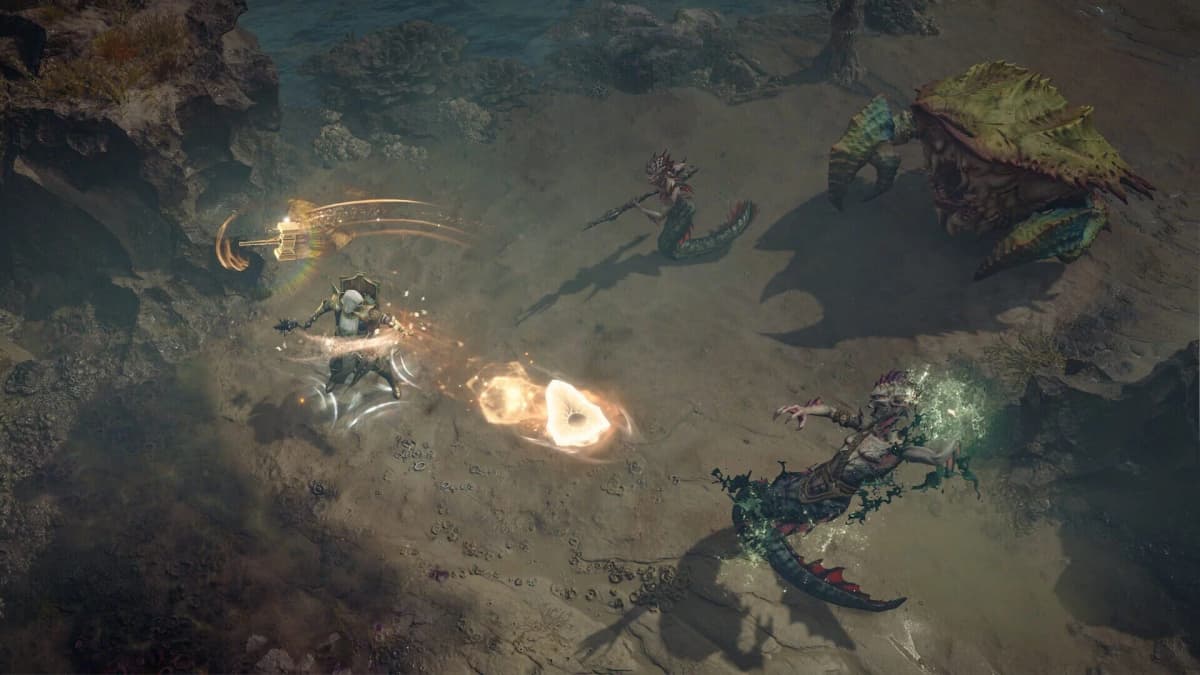
The Paladin steps into Sanctuary packing Blessed Hammer, Condemn, Heaven’s Fury and Zeal—names ring familiar, but each skill’s been refitted for Diablo 4’s engine. What really grabs me is how Blizzard welded classic archetypes to D4’s loop. Auras and Conjurations promise group buffs and summoned allies, while Arbiter form—think Tyrael channeling his inner tank—unlocks a temporary power-state dripping with holy might.
Two Build Archetypes to Try
- Hammer Crusader: Stack Blessed Hammer for swirling AoE, layer on the Disciple Oath’s aura-radius boost, and pop Arbiter form for burst damage. Zeal grants mobility between packs, making you a whirlwind of steel and faith.
- Condemn Bastion: Build around Condemn’s burst detonation, lean into the Juggernaut Oath for damage reduction per enemy hit, and use Conjure Soldier to hold the front line. This tanky setup shines in Echoing Hatred’s hardcore test.
Oath System in Action: Choosing Disciple, Judicator, Juggernaut or Zealot locks you into a distinct playstyle. Disciple amps Auras and minions, Judicator grants consecration-zone bonuses, Juggernaut turns you into a damage sponge, and Zealot pushes offense via critical-strike perks. Done right, these tradeoffs give the Paladin season-long identity—unlike in Diablo II where you simply respec or reroll to test different roles.
The Mystery Second Class: Amazon Reborn?
Blizzard promises a second class “undeniable” in power, dropping sometime after Paladin’s debut. Context clues point to Skovos—the realm of Inarius and Lilith, steeped in Amazonian myth—which suggests a javelin or projectile-focused warrior. A Poison Javazon resurfacing in Sanctuary sounds epic: nail enemies from afar, drop traps or call divine beasts—a perfect counterpoint to the Paladin’s front-line hustle.
Forums are already buzzing: will it borrow Rogue-style dual-wield finesse or slide into a full-on Amazon trapper? Given Path of Exile 2’s momentum in the ranged-archetype department, Blizzard has to nail both cool factor and clear role distinction.
Overhauling the Endgame: Loot Filter, War Plans, and Echoing Hatred
If you’ve felt inventory fatigue, the new loot filter—fully customizable by rarity, item type, score threshold and even affixes—should feel like liberation. No more roomfuls of greens you’ll never touch.
War Plans Explained
Think of War Plans as your roadmap to rewards: pick your target (say, legendary rings), apply a +15% drop-rate modifier at the cost of a tougher dungeon affix, then follow a branching chain of activities—bounties, world events, dungeons—tracking progress in a journal. It’s a player-driven quest line that cuts out aimless farming and hones in on gear goals.
Echoing Hatred’s Hardcore Gauntlet
Echoing Hatred scales enemies to 150% of their normal health and applies randomized affixes each run. Succeed, and you unlock unique cosmetics, player titles, and ultra-rare crafting materials. Fail, and you respawn at town—no permanent death—but you’ll crave that next leaderboard push.
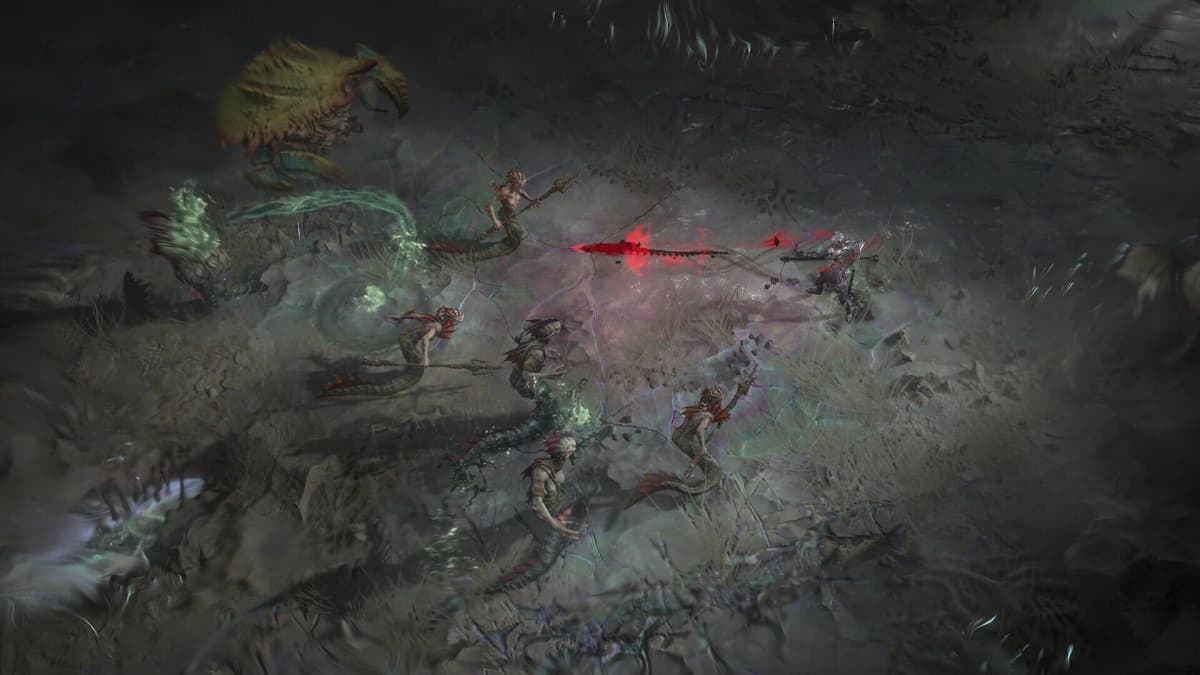
Beyond that, skill trees get more nodes and branching mastery choices: pick offense or defense at key junctions, respec for a small gold fee, and rediscover your class each season. Crafting channels Horadric Cube nostalgia: combine lower-tier rares to upgrade their quality or socket legendary gems with unique bonus stats.
Fishing: A Relaxed Side Hustle
Yes, fishing. You’ll bait rivers in new zones, catch species like Golden Carp or Abyssal Pike, and trade them for crafting reagents—some boost gem potency, others unlock exclusive cosmetic dyes. It’s downtime with purpose, and might even spark the next social hangout on stream.
Want to Level Up Your Gaming?
Get access to exclusive strategies, hidden tips, and pro-level insights that we don't share publicly.
Ultimate Gaming Strategy Guide + Weekly Pro Tips
Timing and Monetization: The Pay-to-Skip Debate
Lord of Hatred’s spring 2026 release follows a full year of core fixes—Blizzard paused new content to shore up the foundation. That’s commendable. But billing this expansion as the “culmination” of the Age of Hatred raises questions: final narrative chapter or cliffhanger designed to sell future story packs?
Pre-purchase perks include early Paladin access (likely April 21–28 window), extra stash tabs, cosmetic bundles across Blizzard IPs, and the full Vessel of Hatred storyline. Streamers and forum regulars are split: is this a reasonable reward for early adoption or a pay-to-skip barrier that fractures the community? I’m in the “it’s fine if story access unlocks for everyone eventually” camp, but we’ll see how long that grace period lasts.
Where Lord of Hatred Fits in Diablo’s Evolution
Compared to Reaper of Souls or the Rise of the Necromancer pack, this expansion is more ambitious—integrating new classes, overhauling core systems, and promising a narrative send-off. Diablo 4’s first year was rocky: loot density felt wild, endgame dried up, and seasons blended together. Lord of Hatred has the potential to reset that cycle, offering meaningful progression loops instead of rinse-and-repeat grinds.
Whether it succeeds depends on balance tuning, server stability at launch, and how long Blizzard lets latecomers catch up on story content without paying the premium. The pieces are in place for a pivotal turning point—if the execution matches the promise.
Conclusion
Lord of Hatred walks a fine line between fulfilling long-standing player demands and raising fresh pacing questions. The Paladin’s toolkit blends Diablo II nostalgia with modern depth, while the mystery class could inject new life into ranged roles. Endgame systems like War Plans and Echoing Hatred aim to give veterans targeted challenges, and the loot filter finally feels overdue. If Blizzard balances early-access perks and delivers on polish, this could be the Diablo 4 investment you actually write home about.