
Launch instability is routine. A progression system disappearing from the client is not. That is the useful distinction in Diablo IV: Lord of Hatred’s rough debut, where login queues and recurring error code 300008 were annoying but predictable, while the missing Talisman tab bug crossed into something more serious: players getting blocked from a core new progression layer in the very expansion sold on fresh systems and endgame depth.
- Server queues and error code 300008 look like classic launch-load failures: bad, familiar, and likely temporary.
- The missing Talisman tab is the more damaging issue because it undermines progression, not just access.
- Xbox Deluxe access complaints make the rollout look messier than a standard “too many players at once” launch.
- Blizzard has acknowledged problems and pointed to workarounds and short-term fixes, but the real test is whether the game stabilizes before early goodwill burns out.
Table of Contents (5)
This was not one problem. It was three stacked on top of each other.
The surface-level version of this story is easy: Lord of Hatred launched, servers got hammered, players sat in queues, and some hit error code 300008 during login or character flow. Blizzard has already dealt with variations of this pattern across Diablo launches, major seasonal resets, and beta weekends. Error 300008 has been widely documented as a server-side timeout issue, which is a sterile way of saying the backend failed to keep up and started dropping people before they could actually play.
If that were the whole story, this would barely qualify as news. Annoying? Yes. Surprising? Not remotely. Massively Overpowered noted the queue pain early in the launch window, and that matches the usual shape of a major online ARPG rollout: concurrency spikes, authentication strain, and a few hours where everyone learns again that “global launch” is mostly a euphemism for “stress test with marketing.”
The more relevant problem came after players got in. According to launch reporting and player complaints cited by GamesRadar+, some users found the Talisman progression tab simply missing. That matters because talismans are not fluff content. In Lord of Hatred, they are part of the expansion’s new progression identity. If the client removes your access point to that system, the expansion is no longer merely unstable; it is functionally incomplete for affected players.
Then there is the Xbox Deluxe access issue, which adds a third category of failure: not server overload, not a gameplay bug, but entitlement and delivery problems. Those are the kind players hate most because they feel transactional. If someone paid for premium access or premium content and the platform handshake breaks on day one, the conversation shifts from “rough launch” to “why did I pay extra for friction?” PR teams prefer the first framing. Players generally do not.
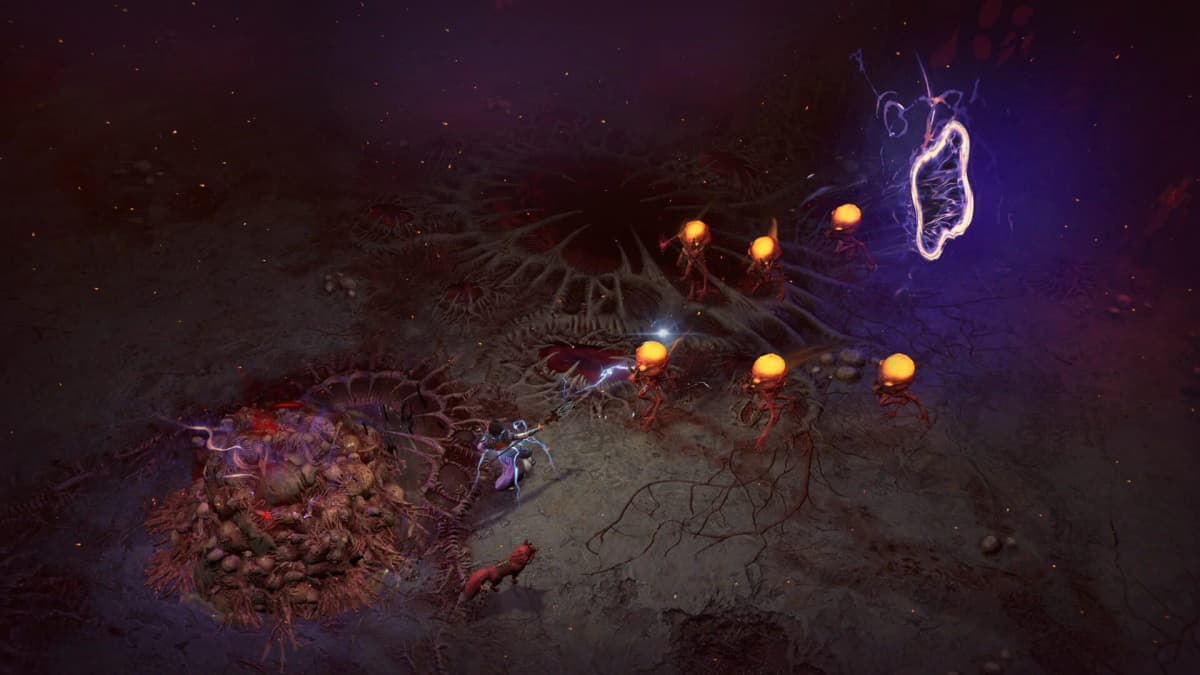
The uncomfortable observation: Blizzard sold system-heavy content into a fragile launch window
Lord of Hatred is not a small add-on. Background reporting around the expansion points to new classes, major skill tree revisions, a level cap increase, revamped endgame structure, and the return of talisman-driven progression alongside broader itemization changes. That is a lot of interconnected machinery to push live at once. When a release is built around new progression hooks, a bug touching those hooks is worse than a cosmetic failure or a side-quest hiccup. It hits the part of the expansion meant to justify the purchase.
This is the question I would put to Blizzard’s PR team: why did a progression-critical UI or account-state failure make it through launch certification on content this central to the expansion pitch? Queue problems can be waved away as scale issues. A missing progression tab suggests either state-sync problems, platform-specific deployment inconsistency, or testing blind spots around live entitlement and character migration. None of those answers are flattering.
There is also some institutional memory worth applying here. Diablo IV has spent much of its post-launch life alternating between overcorrection and repair. One patch fixes progression pacing. Another addresses itemization fatigue. Another tries to make the endgame less repetitive. That does not mean Blizzard cannot improve the game; it clearly can. It does mean every major update now arrives with a trust tax. Players are no longer judging the feature list alone. They are judging whether Blizzard can deploy ambitious changes without knocking over three adjacent systems.
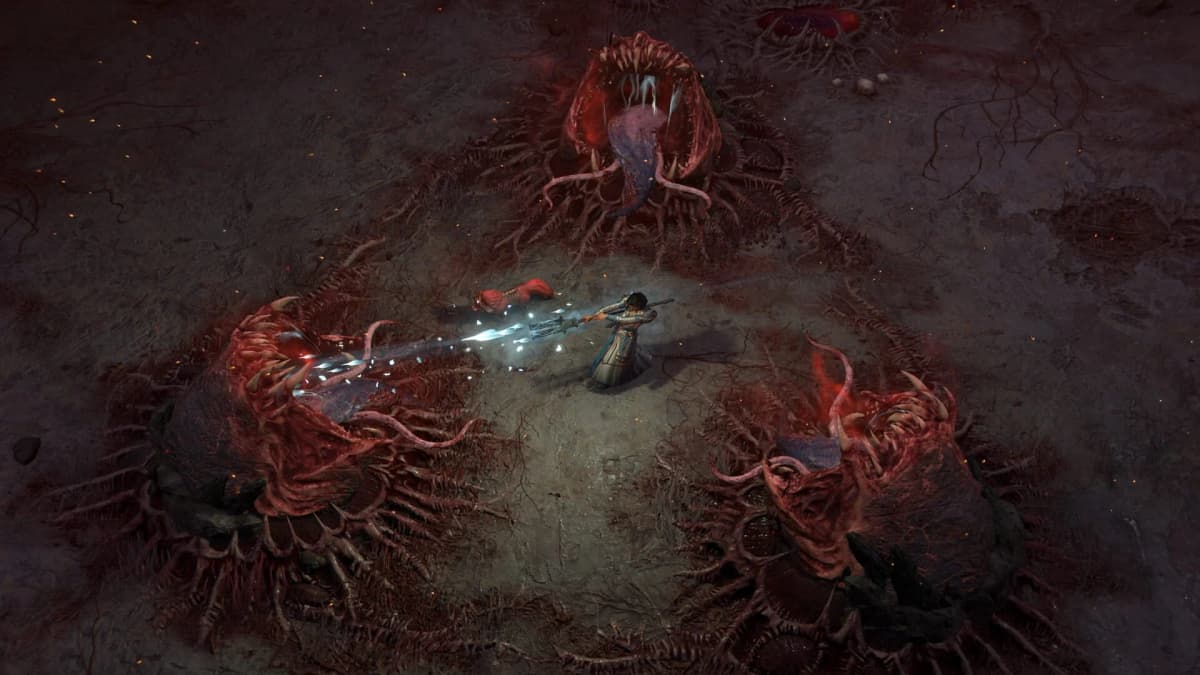
Why the Talisman bug matters more than the queue discourse
Queue stories dominate day-one coverage because they are easy to measure. You can screenshot a wait time. You can chart outage reports. You can watch them ease as concurrency falls. Progression bugs are trickier. They affect subsets of players unevenly, and they often sound less dramatic until you understand the consequence. In this case, the consequence is straightforward: an expansion built to deepen character growth and endgame engagement can fail to expose one of its own core progression interfaces.
That kind of bug damages momentum in a way queues do not. A player locked out for two hours may come back tomorrow. A player who finally gets in and discovers the system they wanted to build around is missing may log off with less patience and less confidence. For live-service games, that difference matters. Retention drops faster when disappointment arrives after access, not before it.
There is some uncertainty around scope here. Not every report agrees on how widespread the Talisman issue is, and available public documentation is thinner than for error 300008. But the existence of a progression-blocking complaint, combined with Blizzard reportedly offering temporary workarounds and preparing a near-term patch, is enough to treat it as materially relevant rather than isolated noise.
What I’m watching next is not the apology. It’s the patch behavior.
Blizzard has already acknowledged launch issues and indicated fixes are rolling out. Fine. The useful thing to watch now is not the wording of the forum post but the order of operations.
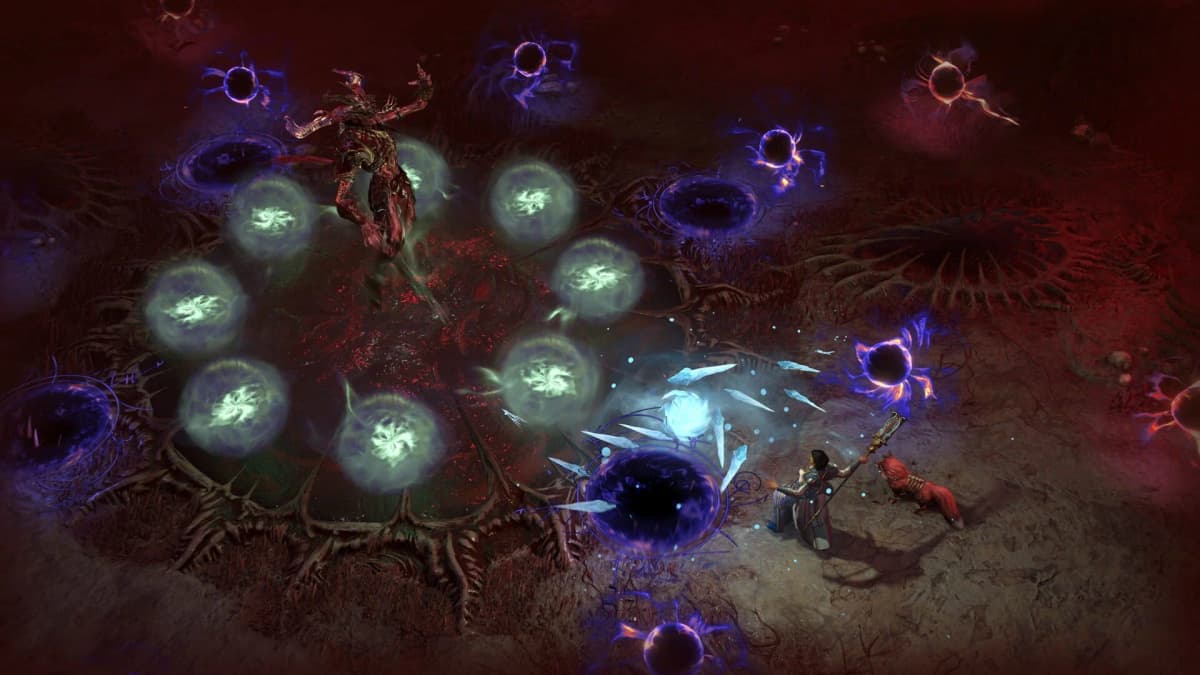
- First, does error code 300008 meaningfully decline during peak hours, not just off-peak periods?
- Second, does Blizzard explicitly confirm the root cause and full resolution status of the missing Talisman tab bug?
- Third, are Xbox Deluxe entitlement problems fixed at the account level, or are players still being told to use partial workarounds?
- Fourth, does the first hotfix create secondary issues in character progression, inventory, or seasonal systems?
That last point matters because Diablo patches have a habit familiar to anyone who has tracked this game for the last couple of years: one repair can expose pressure in another subsystem. The more intertwined the expansion’s features are, the less room Blizzard has for a sloppy hotfix.
The practical takeaway is simple. If you were planning to jump in immediately, the smart move is to verify two things before committing a long session: server stability during your region’s peak time, and confirmed fixes for the Talisman and platform-access issues on your specific setup. Queues are survivable. Broken progression is wasted time. Lord of Hatred may settle into a strong expansion once the dust clears, but right now the meaningful story is not that Diablo IV had a messy launch. It is that Blizzard once again asked players to trust a large systems overhaul on day one, and that trust is being tested in exactly the places it could least afford.
TL;DR
Lord of Hatred launched with familiar Diablo problems: queues and error code 300008 timeouts. The more serious issue is a bug that can remove the Talisman progression tab, plus reports of Xbox Deluxe access failures. Watch Blizzard’s next patch notes for explicit confirmation on progression fixes, not just general server improvement language.
FinalBoss // Gear
Level up your setup
01Top-rated gaming headsetson Amazon→02High-refresh gaming monitorson Amazon→03Gaming chairson Amazon→04Discounted game keyson Kinguin→Affiliate links · As an Amazon Associate, FinalBoss earns from qualifying purchases.
Want to Level Up Your Gaming?
Get access to exclusive strategies, hidden tips, and pro-level insights that we don't share publicly.
Ultimate Editor's Pick Strategy Guide + Weekly Pro Tips