
Here’s the useful version: Diablo 4: Lord of Hatred unlocks at the same moment worldwide, starting April 27 at 4pm PDT. That means 7pm EDT in the US East, midnight BST in the UK, and 1am CEST across much of Europe on April 28. Nice and clean. The annoying part – because there is always an annoying part with modern live-service launches – is everything wrapped around that moment: platform-specific preload behavior, a mandatory Patch 3.0 download that affects everyone, and the usual question Blizzard marketing would prefer you not dwell on until your progress bar stalls at 82%.
This launch matters beyond one expansion drop because Patch 3.0 isn’t just DLC plumbing. It is a game-wide reset lever. Even players who didn’t buy Lord of Hatred are getting major systems changes, which means this release is really two things at once: paid expansion content for buyers and a broad Diablo 4 refresh for everybody else. That’s the part worth paying attention to. Expansion launches come and go; systemic overhauls tell you whether Blizzard thinks the base game is finally where it should have been.
Table of Contents (5)
The release time is global, so the timezone math is the easy part
Based on the latest reporting and Blizzard’s release window, Lord of Hatred rolls out simultaneously worldwide. These are the key regional unlock times players actually need:
- US West Coast: April 27 at 4pm PDT
- US Central: April 27 at 6pm CDT
- US East Coast: April 27 at 7pm EDT
- Brazil: April 27 at 8pm BRT
- UK: April 28 at 12am BST
- Central Europe: April 28 at 1am CEST
- Turkey: April 28 at 2am TRT
- China: April 28 at 7am CST
- South Korea: April 28 at 8am KST
That’s the straightforward part. No staggered early-access ladder by region, no fake “midnight local time” theater. Credit where it’s due: a single global unlock is cleaner and usually better for community coordination, race-to-endgame chatter, and avoiding the weird spoiler drift that happens when one region gets loose hours ahead of another.
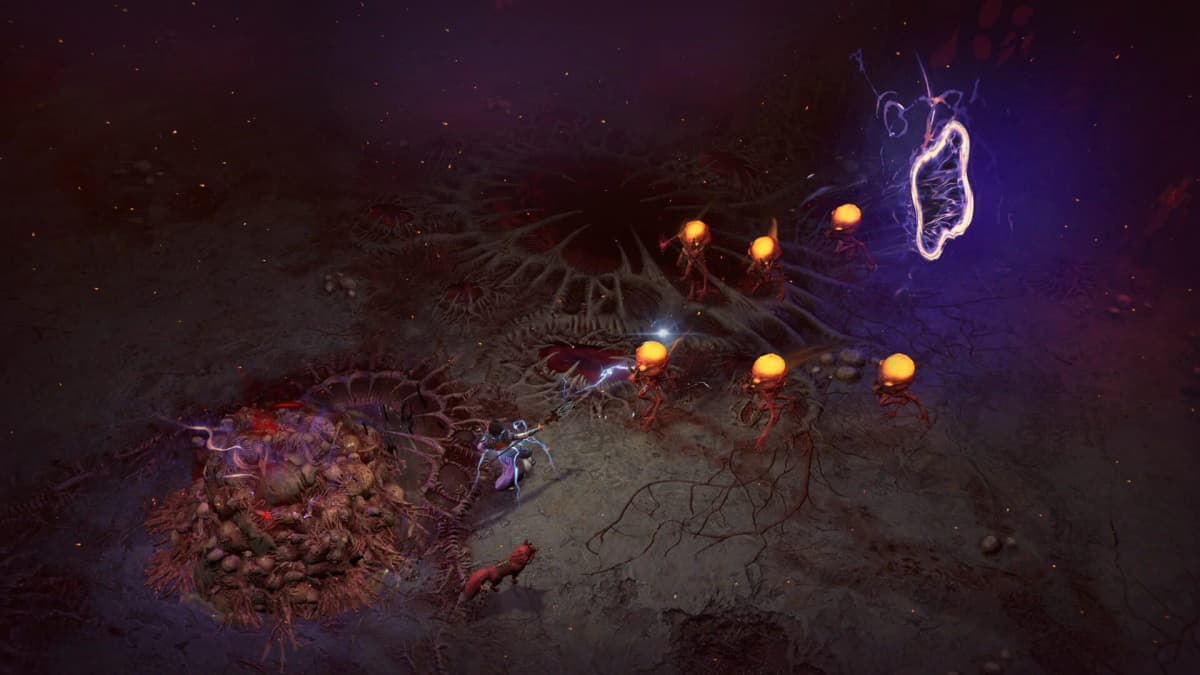
The caveat, obviously, is that “available” and “playable” are not identical terms. Diablo launches have generally been more stable than the genre’s worst disasters, but a simultaneous server rollout still means a lot of people hammering login infrastructure at once. If you’re in Europe waking up for an early-morning check-in, that may be smoother than the US evening rush. If you’re planning a start-the-second-it-opens session on the American coasts, maybe keep your expectations somewhere below divine revelation.
Preload started days ago, but platform differences are where people get burned
Preloading began on April 23 at 4pm PDT for Battle.net, PlayStation, and Xbox, according to multiple reports. That part is broadly consistent. Where things get murkier is Steam. Some reporting indicated Steam preload support was either limited or unavailable, while other coverage suggested the expansion and Patch 3.0 could be preloaded there as well. That’s not a tiny detail, and it’s exactly the kind of storefront discrepancy that gets discovered by players five minutes before launch instead of being communicated cleanly up front.
So the practical takeaway is simple: if you’re on Battle.net, Xbox, or PlayStation, you should already have had a clear preload path. If you’re on Steam, double-check your client rather than assuming parity. Don’t trust what “usually happens.” Blizzard launches have a habit of being simple until one storefront decides to interpret the word preload like it’s a philosophy problem.
Install size is another place where the fine print matters. Depending on platform and asset choices, the download can get hefty, with high-resolution assets pushing installs to roughly 179GB, while versions without those extras land much lower. That’s not outrageous by 2026 standards, but it’s still large enough that anyone trying to wing it at unlock time is volunteering for self-inflicted pain. If your SSD space is already being held hostage by the usual suspects, sort that out before launch night.
Patch 3.0 is the real story, because Blizzard is changing more than the expansion box
The uncomfortable observation here is that a lot of coverage around Lord of Hatred will naturally fixate on the shiny stuff: new campaign, Skovos, Mephisto, new class additions, new toys. Fine. But Patch 3.0 is what determines whether this is just another seasonal sugar high or a meaningful correction to Diablo 4’s long-running identity crisis.
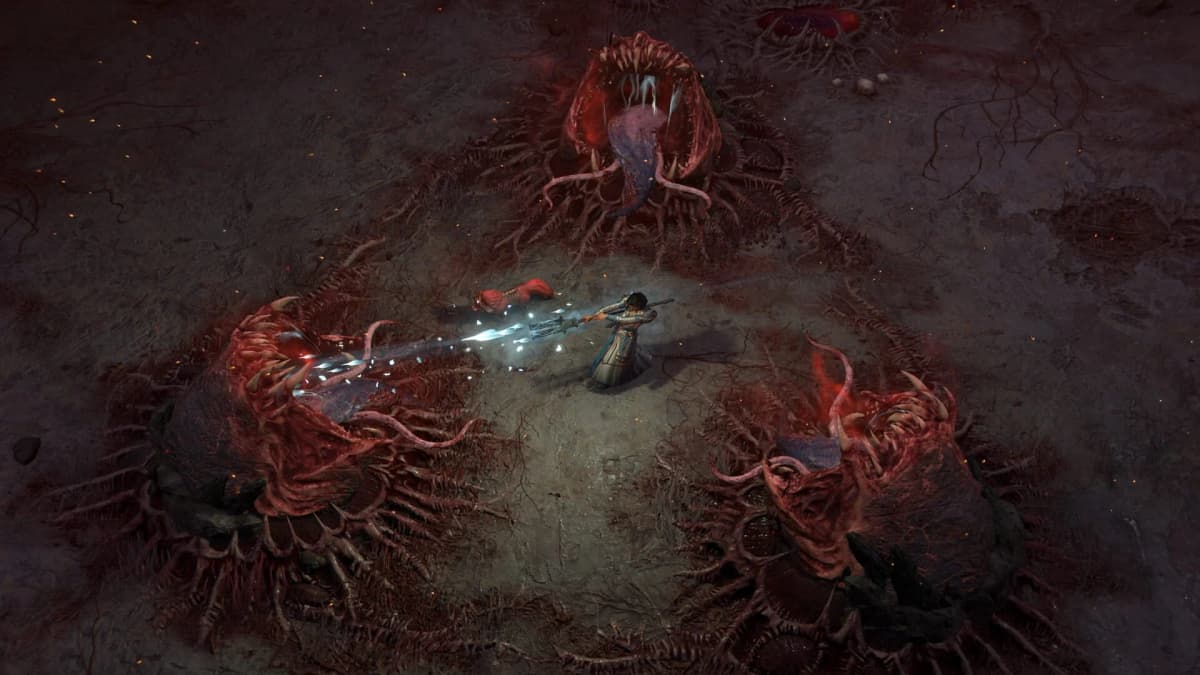
What we know is that Patch 3.0 applies broadly, including to players who don’t own the expansion. Reports point to large-scale class adjustments, skill tree changes, and wider system revisions arriving alongside the expansion launch. Background reporting and preview chatter have also emphasized itemization updates, endgame revisions, quality-of-life improvements, and progression changes substantial enough to make this feel closer to a soft relaunch than a routine seasonal patch.
And yes, that matters because Blizzard has spent the better part of Diablo 4’s post-launch life trying to correct earlier misreads. Remember the stretch where every major patch seemed to trigger a fresh argument about pacing, loot, or whether the team actually understood what players wanted from the endgame? This expansion doesn’t arrive in a vacuum. It arrives after years of public course correction. When a studio ships a major paid add-on alongside sweeping baseline changes, the subtext is obvious: they know the core game still needed work.
That isn’t inherently a bad sign. Sometimes the healthiest thing a live-service game can do is admit version 1.0 wasn’t sacred. But it does mean the real evaluation of Lord of Hatred won’t be “is the new zone cool?” It’ll be whether Diablo 4 finally feels less like a series of patched-over compromises and more like a coherent ARPG again.
The question Blizzard still needs to answer cleanly
If I were in the room with PR, the question wouldn’t be about cinematic spectacle or how sinister Mephisto sounds in the trailer. It would be much simpler: what exactly should players on each platform expect between preload, day-one patch verification, and expansion access if they own the base game but not the DLC? Because that’s where confusion usually lives.
We already know the 3.0 patch is mandatory and broadly distributed. We know preload is meant to smooth the launch. What players still need clarity on is how cleanly entitlement checks, storefront updates, and install states line up once the servers go live. That especially matters on platforms where expansion files, base-game updates, and optional texture packs can blur together into one giant download blob with terrible labeling.
In other words: the launch time itself is not the problem. The packaging is. It usually is.
What to watch in the first 24 hours
- Whether Steam users report preload parity or storefront confusion at unlock.
- Whether Patch 3.0 lands as a smooth background update or triggers widespread re-download complaints.
- Server stability during the April 27 US prime-time window, which is the real stress test.
- How players react to the non-expansion systems changes, because that will tell you more about Diablo 4’s future than campaign impressions alone.
- Whether endgame chatter turns positive within a day. In ARPGs, that signal arrives fast.
The verdict: if you’re planning to play Lord of Hatred, preload now, verify your platform’s install state, and make peace with the fact that Patch 3.0 is the more important launch than the box art. The release schedule is mercifully simple. Everything around it is classic live-service housekeeping – necessary, messy, and easy to underestimate until it wastes your evening. Blizzard has made the unlock time clear. Now it needs to prove the rest of the launch is just as clean.
FinalBoss // Gear
Level up your setup
01Top-rated gaming headsetson Amazon→02High-refresh gaming monitorson Amazon→03Gaming chairson Amazon→04Discounted game keyson Kinguin→Affiliate links · As an Amazon Associate, FinalBoss earns from qualifying purchases.
Want to Level Up Your Gaming?
Get access to exclusive strategies, hidden tips, and pro-level insights that we don't share publicly.
Ultimate Gaming Strategy Guide + Weekly Pro Tips