
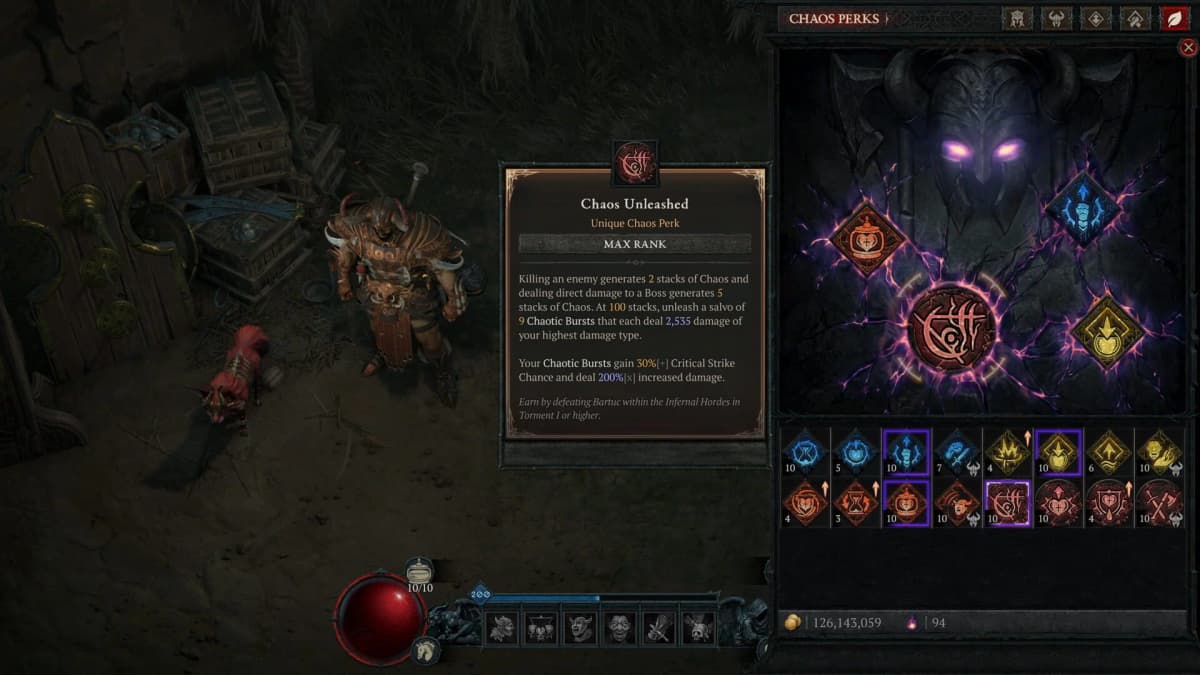
Warlock’s problem was not simply low damage: too many of its launch tools felt slow, conditional, or dependent on standing still in a game built around constant movement. That made the class difficult to recommend beside more immediately effective Diablo IV options, particularly when its strongest results required tightly prescribed combinations of shards, charms, and Uniques.
The next season’s tuning direction appears aimed at removing that rigidity rather than merely inflating one top build. PTR testing has already produced high-tier dungeon clears with unoptimized gear, including minion-oriented damage setups. That is an important early sign for a class whose launch reputation was defined by narrow build requirements: players may have more than one workable route through leveling, endgame progression, and boss encounters.
What Blizzard appears to be targeting
Warlock is designed around conditional combat states and keywords including Hex, Shadowform, Demonform, Volatility, and Eviscerate. Hex rewards attacking enemies based on missing Life, while Shadowform and Demonform ask players to manage stacks, movement, kills, and transformation windows. Those systems give the class a distinct identity, but they also expose it to downtime when triggers are unreliable or enemies do not cooperate.
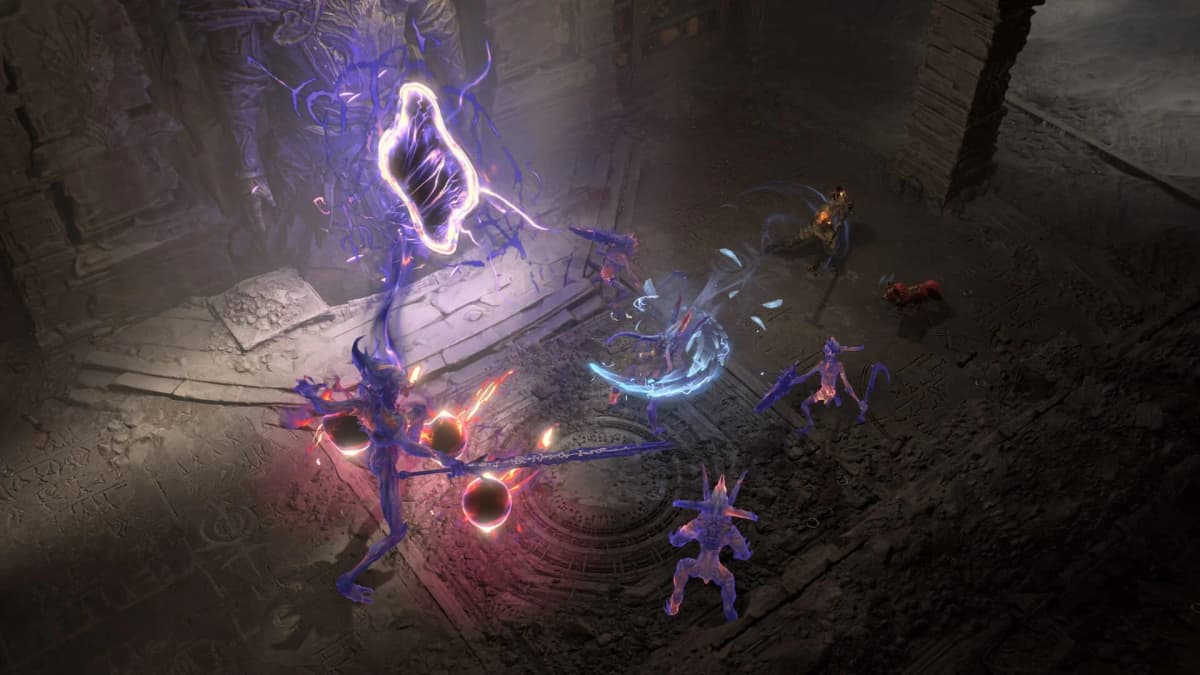
The clearest areas for improvement are the weak damage floor outside major windows, Hellfire skills that lack competitive area damage, and Abyss setups that rely too heavily on keeping debuffs active. Fixes in update 3.0.2 — covering the bonus Sigil-duration affix and Terror Swarm ending early — also remove bugs that could make the class feel weaker or less consistent than intended.
Changes around Mythic Uniques and crafting could matter as much as direct skill buffs. Greater flexibility would let Warlocks adjust to balance changes without rebuilding around one mandatory item package, and could make keyword-focused combinations easier to assemble. Overpower is another key system to monitor: a PTR-facing rework describes a 15% damage increase per stack, up to four baseline stacks, with the Ritualist shard able to push beyond that limit.
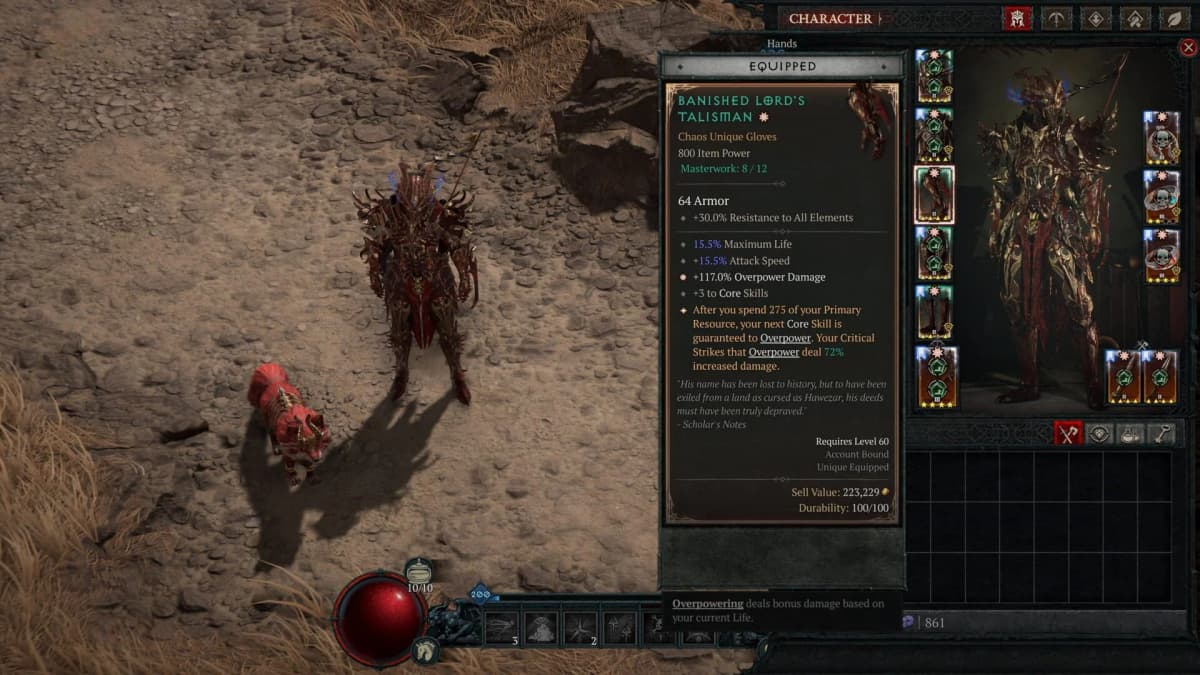
Watch for final PTR notes on stack caps, Hellfire and Abyss reliability, summon and ultimate tuning, and how freely Mythic and crafting systems let Warlocks change direction once the season begins.
FinalBoss // Gear
Level up your setup
01Top-rated gaming headsetson Amazon→02High-refresh gaming monitorson Amazon→03Gaming chairson Amazon→04Discounted game keyson Kinguin→Affiliate links · As an Amazon Associate, FinalBoss earns from qualifying purchases.