
Table of Contents (6)
Warlock release celebrated – until players found a way to make demons take the hits
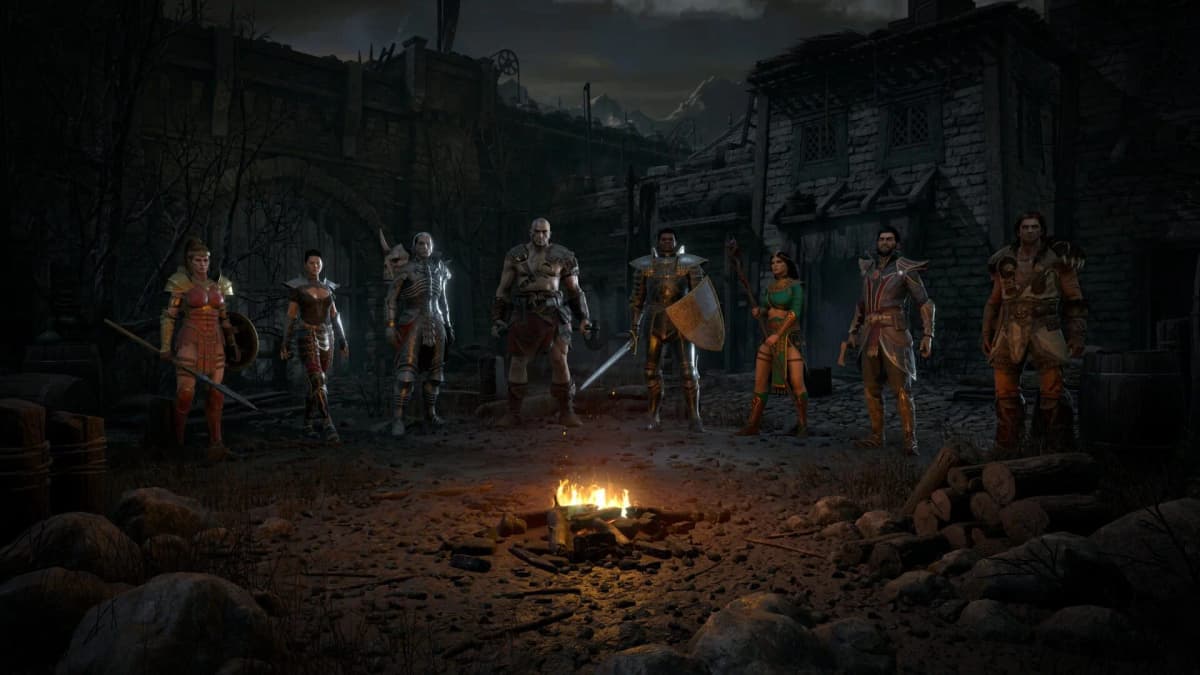
This caught my attention because fans waited 25 years for a new Diablo II class: Blizzard finally released the Warlock on February 11, 2026, and within two weeks the community had already turned the class into a multiplayer wrecking ball. The Warlock’s core fantasy-binding demons, sacrificing them and reaping powerful effects-was meant to add fresh complexity to a classic ARPG. Instead, players discovered a combo that uses summoned demons as disposable meat shields, effectively negating incoming damage and breaking multiplayer balance.
- New Warlock class released Feb. 11, 2026 via the Reign of the Warlock DLC for Diablo II: Resurrected.
- Exploit surfaced roughly a week later (Feb. 18-19): summoned demons are redirected to soak damage, making Warlocks practically invulnerable in many multiplayer situations.
- Community pressure for a hotfix is rising; as of Feb. 20 Blizzard hadn’t publicly acknowledged a patch but has framed powerful combinations as part of design in other posts.
Breaking down the problem: what players found (and why it matters)
The Warlock arrives with a familiar Blizzard pitch—bind demons, “wreak havoc,” and choose from hundreds of demon combos—plus new systems like Terror Zones, Colossal Ancients, stash tabs and unique item sets. It’s also the first full new class for Diablo II since 2001, released as paid DLC and bundled in anniversary packages like the Infernal Edition on Steam.
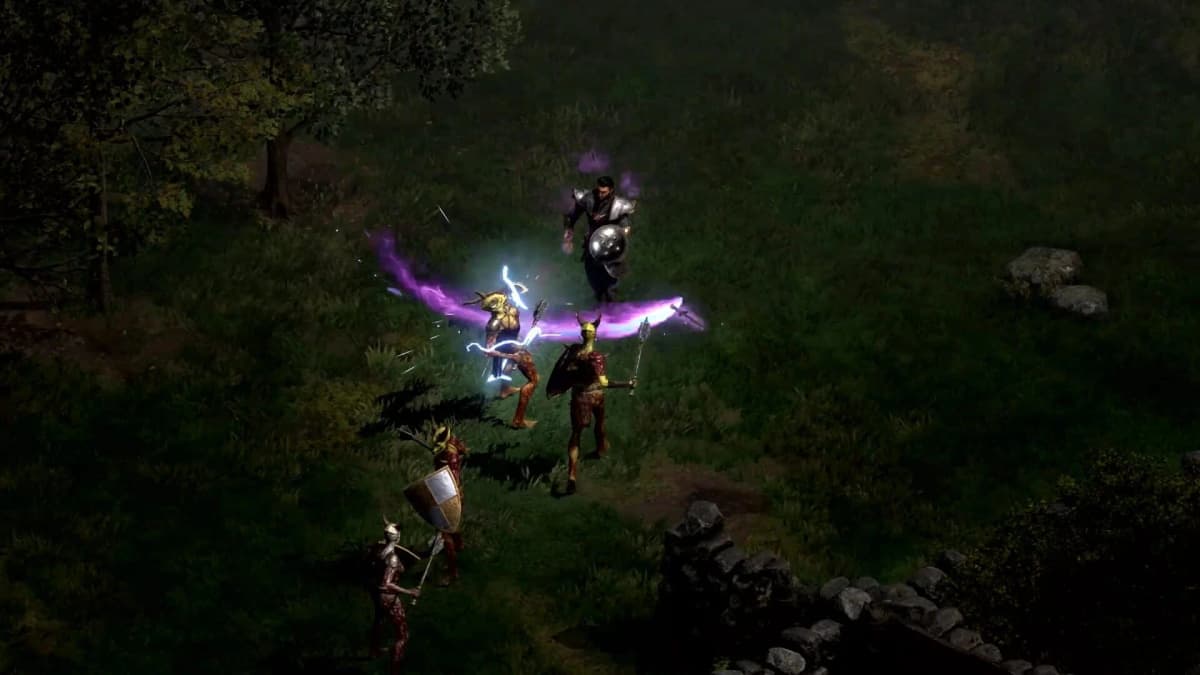
What gamers quickly discovered is a synergy between Warlock mechanics and certain items/skills that redirects enemy damage from the player to the Warlock’s own summoned demons. Early demonstrations (notably a high-visibility clip from a YouTuber circulating Feb. 18-19) showed Warlocks surviving fights that should have been lethal by letting their minions take every hit. Players described stacking gear and effects—some community posts flagged particular unique items and sets—to lock enemies onto summons while the Warlock plays mostly unthreatened.
Why Blizzard’s silence feels loud
Two Steam News pieces framing the Warlock launch also pushed the broader conversation: the Path of Exile co-creator defended Blizzard’s choice to gate base-game updates behind paid DLC as an attempt to “preserve a museum piece,” while simultaneously criticizing Reign of the Warlock for lacking substantial new exploration content. Those takes help explain why community reaction has two veins—one defending Blizzard’s stewardship of a legacy title, the other accusing the studio of shipping a moneyed DLC with undercooked systems.
And yet, when a glaring balance exploit appears this fast, silence reads like a strategic decision. Blizzard has highlighted clever combinations in marketing, but developers haven’t posted an official acknowledgement or hotfix as of February 20. With ladder seasons already active and players queuing into multiplayer matches, this isn’t just a single-player blemish: it actively distorts competitive leaderboards and endgame engagement.
The community is split — but most want a fix
Reddit threads and Steam discussions vary between glee and anger. Some players call the exploit “creative” and joke about making demon shields a new meta; most want a patch because a class that trivializes damage undermines the rest of the game and devalues other builds. The criticism also circles back to the DLC debate: launching a paid expansion that immediately upends multiplayer feels sloppy, especially for a title that people treat like a preserved classic.
What to watch next
- Official Blizzard response or hotfix notes — expect one soon if ladder play keeps tilting toward Warlocks.
- Ladder leaderboards — if Warlocks dominate, pressure to nerf will mount quickly.
- Design fallout for Diablo IV and Diablo Immortal — Warlock mechanics are rolling across Blizzard’s anniversary slate, so fixes here could inform future implementations.
Blizzard can choose to treat the issue as a clever emergent behavior to be preserved, or as a clear exploit that needs fixing to protect multiplayer balance. Given how fast players found the combo, my money’s on a targeted patch that either changes how damage is redirected to summons or adjusts item interactions that enable the exploit.
TL;DR
The Warlock’s arrival was a major nostalgia-and-expectation moment for Diablo II fans — but an exploit that turns summons into permanent meat shields surfaced within two weeks and is warping multiplayer. Blizzard hasn’t formally responded yet. For players, that means ladder runs and multiplayer sessions could be unreliable until a fix arrives; for Blizzard, it’s a reminder that legacy DLC needs careful tuning on day one.
FinalBoss // Gear
Level up your setup
01Top-rated gaming headsetson Amazon→02High-refresh gaming monitorson Amazon→03Gaming chairson Amazon→04Discounted game keyson Kinguin→Affiliate links · As an Amazon Associate, FinalBoss earns from qualifying purchases.
Want to Level Up Your Gaming?
Get access to exclusive strategies, hidden tips, and pro-level insights that we don't share publicly.
Ultimate Gaming Strategy Guide + Weekly Pro Tips