
Table of Contents (6)
The Warlock’s first trick wasn’t supposed to be immortality
The new Warlock class in Diablo II: Resurrected shipped with fanfare, nostalgia, and a suite of demonic toys – and within days someone found a way to turn those toys into an almost-immortal shield. What should have been a fresh playstyle instead became a speedrun around risk: recruit a demon with Bind Demon, stack interaction with Blood Oath and gear, and funnel damage into that pet until enemies are reduced to background noise.
- Exploit discovered fast: YouTuber Coooley demonstrated a Bind Demon + Blood Oath setup less than two weeks after the Reign of the Warlock launch.
- Endgame impact: The combo can turn captured demons into near-invulnerable damage sponges, dragging out fights and trivializing encounters.
- Community pressure incoming: Blizzard has not publicly addressed the combo as of Feb 23, and Season 13 ladder incentives risk being undermined.
- What to watch: developer patch notes, creator deep-dives on the math, and Warlock presence on Season 13 leaderboards.
Why this matters now
Reign of the Warlock is sold as more than nostalgia – it’s Blizzard putting a brand-new class into a 25-year-old ruleset. That makes the launch a test: can modern design shake up legacy systems without breaking them? The discovery that a Warlock can essentially outsource all incoming damage to a summoned demon answers that test in the wrong direction. Instead of new tactics, players have a shortcut that flattens difficulty and slows expected endgame pacing.
The exploit, in plain terms
The rule-of-thumb here is simple: Bind Demon captures a summonable creature; Blood Oath redirects a percentage of incoming damage to that bound demon. Creators like Coooley combined those skills with specific gear choices to maximize absorption and used demon types with high innate resistances or immunity. The result is a demon that soaks most hits while the Warlock survives and chips away – effectively turning hard fights into long, safe DPS checks.
Reporting and creator breakdowns mention gear such as Treachery, The Rising Sun, and Malice in the stack, and selecting damage-immune demon types. Those specifics match the video demos circulating, but exact numbers and frame-level mechanics still need an authoritative, technical breakdown — nothing in Blizzard’s official notes quantifies the absorption math yet.
The uncomfortable observation Blizzard’s PR hoped you’d miss
Blizzard framed the Warlock as a 30th anniversary treat and tied it to cross-franchise timing: Diablo II today, Diablo IV next month. What the company didn’t anticipate (or at least hasn’t said) is that promotional momentum can be hollowed out by a single exploit. Season 13 kicked off with ladder-focused rewards and a cheeky Irvine statue for early hardcore level 99 players — rewards that look shaky if a subset of players can trivially avoid death. The PR message about celebration doesn’t age well when leaderboards can be gamed.

If I were in the room with Blizzard’s producer, my question would be direct: “Do you plan to patch the Bind Demon + Blood Oath interaction, and if so, will you retroactively treat ladder results affected by the exploit?” That’s not rhetorical. How Blizzard answers determines whether the Warlock’s launch becomes a footnote or a scandal.
What to watch next
- Blizzard patch notes / dev blog — any mention of Bind Demon, Blood Oath, or absorption caps. A quick hotfix would be the fastest signal.
- Creator deep-dives from sources who will show exact percentages and gear math (expect detailed videos within days of any patch).
- Season 13 ladder snapshots — if Warlocks dominate early slots, expect the community to demand harsher action or leaderboard resets.
- Official moderation policy statements — whether Blizzard will disqualify or adjust ladder results tied to known exploits.
Creators already racing to document every angle means the issue won’t quietly fade. A public patch window — even a small hotfix — will be the moment that decides whether the Warlock feels like a polished new toy or a rushed add-on that needs reworking.
TL;DR
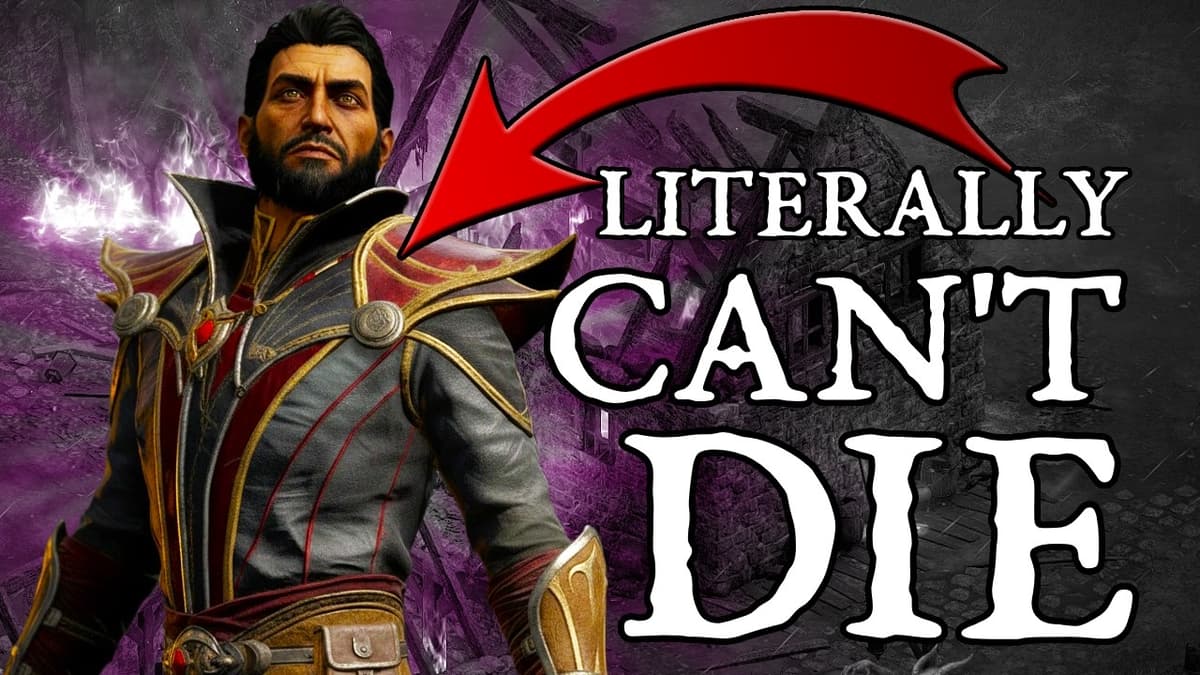
Blizzard’s new Warlock was meant to expand Diablo II’s playstyles. Instead, within days a setup using Bind Demon + Blood Oath turned summons into near-invulnerable damage sponges that undermine endgame challenge. Watch for developer patch notes, creator math breakdowns, and how quickly Warlocks show up on Season 13 leaderboards — those are the clearest signals this will be fixed or become a long-term problem.
FinalBoss // Gear
Level up your setup
01Top-rated gaming headsetson Amazon→02High-refresh gaming monitorson Amazon→03Gaming chairson Amazon→04Discounted game keyson Kinguin→Affiliate links · As an Amazon Associate, FinalBoss earns from qualifying purchases.
Want to Level Up Your Gaming?
Get access to exclusive strategies, hidden tips, and pro-level insights that we don't share publicly.
Ultimate Gaming Strategy Guide + Weekly Pro Tips