
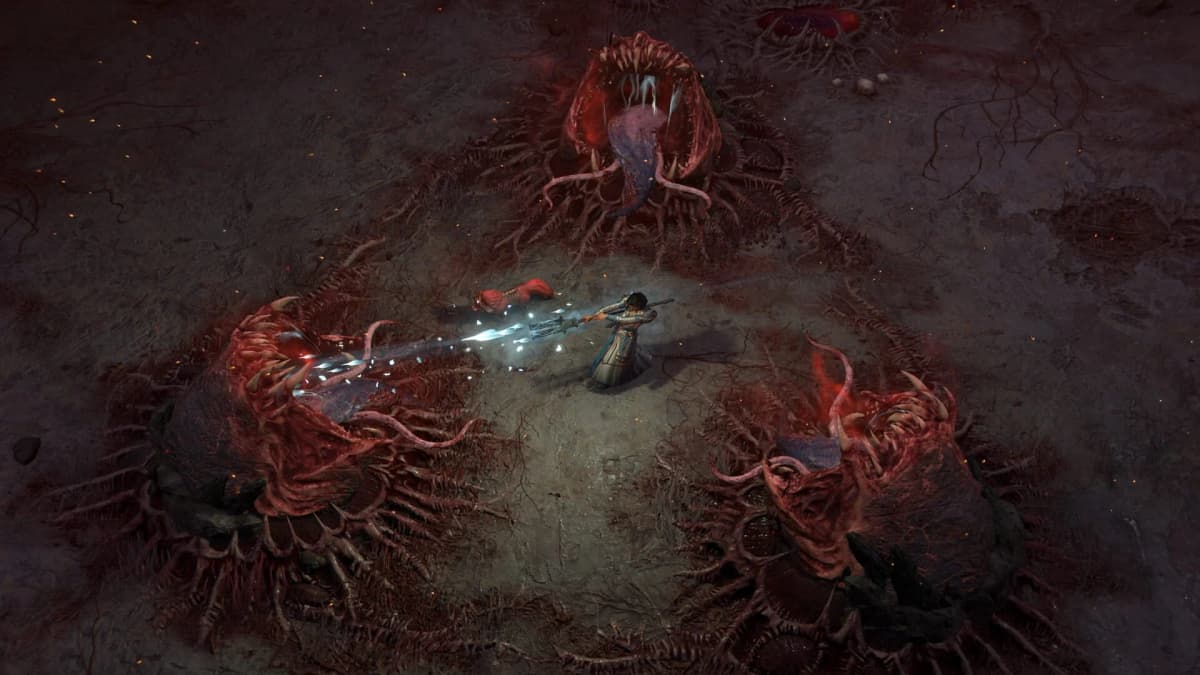
A familiar Season 14 Rogue sequence has a different ending after the hotfix: Dash through a dense Infernal Hordes wave, turn toward the elite that used to vanish with the pack, and find that the fight is still happening. That is the moment to stop trusting any pre-hotfix clear result.
Keep your current gear and skills intact for the first retest. Run a controlled comparison through Dash damage, Shadow Clone and shrine behavior, then Infernal Hordes stability before changing aspects, spending valuable endgame resources, or judging the build by an old leaderboard-level clear. The Dash interaction using the Shadow Play variant was fixed because it could deal an incorrect, massively inflated amount of damage. Your Rogue may still clear well, but its damage and tier ceiling must now be measured under the corrected rules.
Table of Contents (13)
What the Shadow Play Rogue Hotfix Changed
The centerpiece is a correction to Rogue Dash when it is used with the Shadow Play variant. That interaction could multiply damage far beyond normal scaling, creating one-shot screens against packs, elites, and sometimes boss phases. Builds using Umbra Crooks alongside Shadow Play and Dash were especially associated with the abnormal results.
That matters because the old loop could make several normal build decisions look better than they were. Cooldown reduction, Energy cycling, repeated Dash casts, and shadow echoes all gained value when Dash damage was being calculated incorrectly. Once the inflated hit is gone, a setup that looked effortless in high-end content may need longer elite windows, more complete rotations, and more careful positioning.
- Dash + Shadow Play: The damage calculation has been corrected. Do not expect a second or third Dash to inherit the old runaway burst.
- Shadow Clone and afterimages: Interactions involving additional shrine effects and shadow damage behavior were addressed. Shrine-driven burst should be treated as a separate test case.
- Umbra Crooks execution loops: Configurations using Umbra Crooks with Execution, Shadow Cross, Dash, or Shadow Step need a complete recheck. Full-health elite deletes are no longer a reliable baseline.
- Infernal Hordes reliability: The hotfix wave also addresses issues that could interfere with starting Hordes and with several endgame quality-of-life systems.
Warning: Do not call the hotfix a simple percentage nerf. The lost damage depends on how much your build relied on the incorrect Dash calculation, clone behavior, shrine effects, and rapid repeated casts. Two Rogues with the same skill bar can land in very different places after the correction.
Run One Clean Control Test Before You Change the Build
The trap is changing your weapon, paragon setup, aspects, and skill allocation all at once after a bad run. That only hides the useful answer: whether Dash itself fell back to normal damage or whether another interaction is still costing your build clear speed.
For the first pass, use the exact Rogue setup you were playing before the hotfix. Choose an Infernal Hordes tier or other endgame activity you can enter consistently, then write down only a few results: ordinary-pack clear speed, elite kill time, boss burst, and whether the activity behaves normally.
- Keep the same equipped weapon, aspects, skills, and general rotation for the first run.
- Use Dash on a standard dense pack before picking up a shrine or triggering a major temporary buff.
- Repeat Dash against an elite, then repeat the sequence after Shadow Clone or an afterimage effect is active.
- Track whether consecutive Dashes produce a sudden unexplained spike, especially on the second or third cast.
- Measure elite time-to-kill using your normal full rotation instead of judging the build from a single opening Dash.
- Keep shrine-powered clears separate from your baseline notes.
This is a short diagnostic, not a full progression session. A focused damage and stability pass can fit into roughly 15 to 20 minutes. Save the expensive push attempts until you know whether the run failed because of corrected damage, an unstable instance, or a rotation that was built around the old exploit-level burst.
Retest Dash First: The Rogue’s New Damage Baseline
Start with the simplest question: what does one Dash do now, with no shrine or unusual temporary effect helping it? The corrected Dash should still contribute to a fast Rogue rotation, but it should no longer erase every target through a damage multiplier that ignored normal breakpoints.
Check single-target Dash damage
Use Dash on a healthy elite at the start of an encounter. Watch the health bar rather than the floating damage numbers alone. A clean result is one where the elite loses a reasonable amount of health and then requires the rest of your normal kit to finish. If the entire health bar disappears only after a particular chain of Shadow Play effects, record the sequence before treating it as your new expected performance.
Check repeated Dash behavior
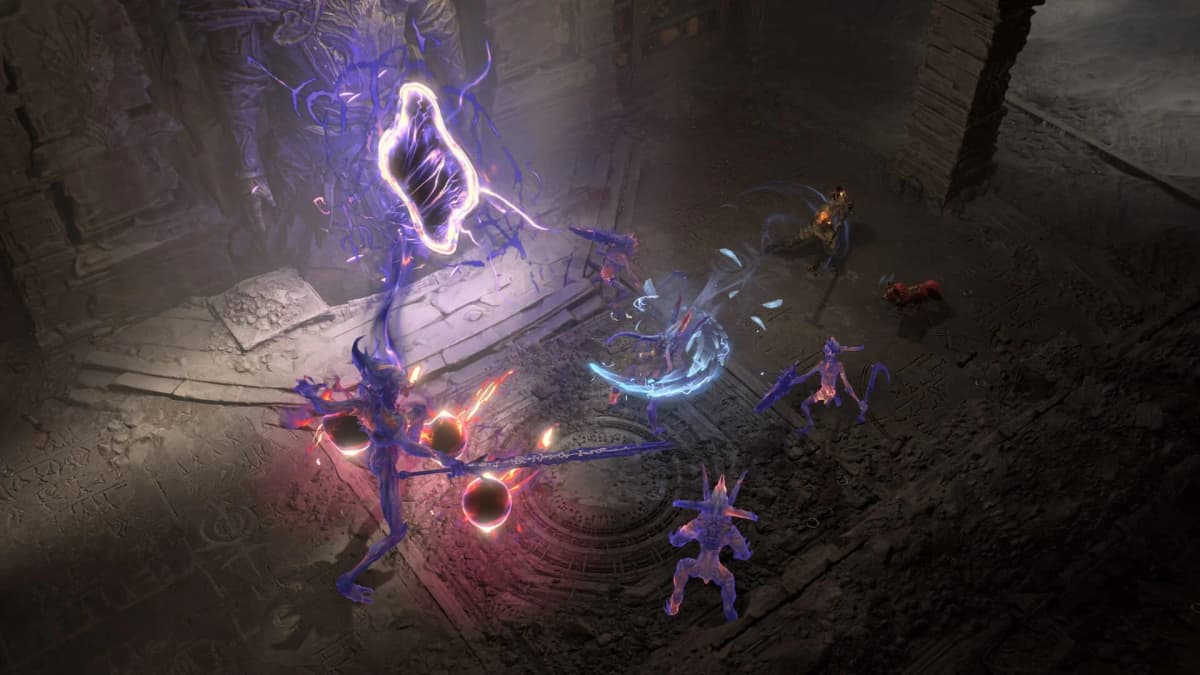
The old problem was most visible when players could chain mobility and damage into a loop. Use consecutive Dash casts into the same kind of target group and compare them. The important result is consistency. A second or third Dash can benefit from legitimate buffs, Vulnerable windows, or grouped enemies, but it should not become a wildly different source of damage for no clear gameplay reason.
If your previous routing depended on endlessly moving from pack to pack with Dash doing the entire kill, expect the biggest clear-speed drop here. The corrected build needs its supporting damage tools to matter again, which makes target selection and cooldown timing much more important during an active Horde wave.
Check Shadow Clone, Afterimages, and Shrines Separately
Shadow Clone and Shadow Play afterimages are the next major source of misleading results. The hotfix addresses behavior that could create additional shrine effects or otherwise make shadow copies contribute damage incorrectly. A shrine-enhanced run can still feel explosive, but it no longer tells you whether your base Dash loop is healthy.
- Baseline test: Test Dash and your normal damage sequence without a shrine active.
- Clone test: Activate Shadow Clone or your normal afterimage setup and repeat the same elite sequence.
- Shrine test: Only after the first two checks, use a shrine and watch whether the clone creates an extra instance of the effect or merely benefits from the active shrine as expected.
- Result to record: Note whether the clone improves your normal rotation or whether your old clear speed existed almost entirely during shrine windows.
Conduit, Might, and Lethal shrine moments can make a weak benchmark look incredible. Do not use them to decide that your post-hotfix Rogue is ready for a higher tier. A build that clears ordinary waves smoothly and merely accelerates during a shrine is in much better shape than one that only functions when a clone-and-shrine interaction is active.
Umbra Crooks and Execution Loop: What to Recheck
Rogues using Umbra Crooks with Shadow Play should treat the weapon as a variable to test, not as proof that the old loop still works. The pre-hotfix setups most associated with extreme clears combined Umbra Crooks with rapid Energy and cooldown cycling, then chained Execution or Shadow Cross effects through Dash and Shadow Step.
For this retest, focus on outcomes that actually affect progression: whether elites still die from execute effects at unreasonable health values, whether Dash chains still reset at the old pace, and whether your resource loop remains stable once elite packs survive longer than a single movement skill.
- Watch Energy after a full elite engagement instead of only during the first few seconds.
- Track Ultimate uptime over several packs, since longer fights expose cooldown gaps that one-shot clears concealed.
- Check whether Execution triggers at a normal finishing threshold rather than deleting a near-full-health elite.
- Compare a run with the Umbra Crooks setup to your regular damage loop without changing several other pieces at the same time.
If the build’s performance collapses only when the Umbra Crooks chain is removed, that is useful information: the old setup was carrying more of the damage than its visible stats suggested. Rebuild decisions should come after that comparison, not before it.
Infernal Hordes Benchmarks to Recheck After the Fix
Infernal Hordes is the best practical benchmark because it tests the three things Shadow Play Dash previously distorted at once: dense-pack clearing, elite burst, and repeated mobility under pressure. Judge your Rogue by stable wave performance, not by the most dramatic shrine wave of the run.
Early endgame: Pit 40-60 and comparable Hordes pressure
At this level of endgame, a non-exploit Shadow Play Dash setup should still be able to remove ordinary trash mobs in one or two hits. That is a sanity check, not a promise that every elite or boss should vanish immediately. If standard trash survives repeated attacks at this range, inspect your base damage setup before blaming the hotfix alone.
Elite benchmark: full rotation, not one Dash
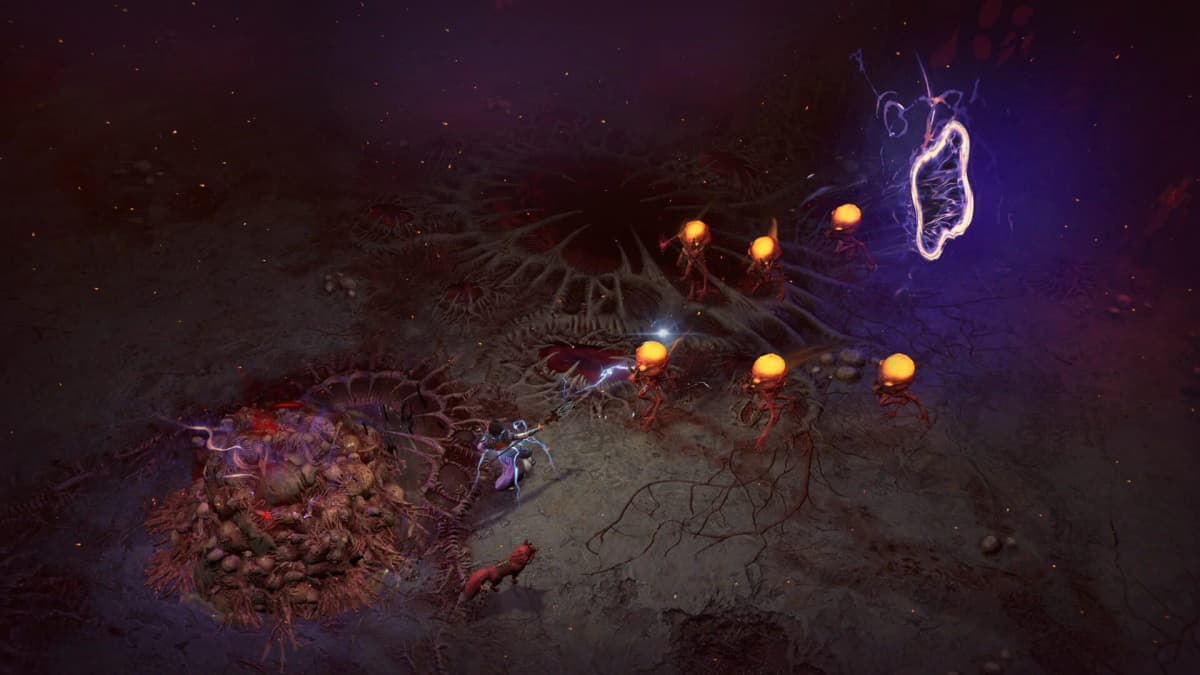
Your new elite benchmark is whether you can kill consistently using the whole rotation while staying safe enough to keep the wave moving. The old Dash loop could skip that part of the fight. A healthy post-hotfix clear includes enough damage to control elites without assuming every engagement begins with an instant execute.
Clear-speed benchmark: compare like with like
Use the same Horde tier, similar War Plan choices, and the same build for each comparison. Record wave pace, how often elites delay the run, and whether you can maintain movement without running dry on Energy or defensive tools. Do not compare a shrine-heavy lucky run to a normal run; compare two normal runs first.
Practical rule: If normal packs still die quickly and elites fall to a complete rotation, keep pushing with the build. If Dash no longer handles regular trash or the loss of one incorrect interaction creates constant Energy and cooldown failures, pause the push and revise the damage engine before spending more resources.
Verify Teleports, Spawns, and Horde Starts Without Throwing Away Runs
Damage is only half of this hotfix. Some Season 14 issues affected Infernal Hordes starts, while additional fixes cover teleport interactions, monster spawns, mount sound effects, and the Whispers icon. A broken start or missing spawn can look like a bad clear-speed result when the real problem is the activity state.
- Enter an Infernal Horde and confirm the activity starts normally before using it as a benchmark run.
- Watch the first several wave transitions for missing, delayed, or stuck monster spawns.
- Use your usual teleport flow before committing to a longer endgame session, then confirm that your destination and activity markers update correctly.
- Check the Whispers icon if your farm route depends on it, since a missing or stuck icon can waste more time than a modest damage loss.
- Test mount audio only as a quick quality-of-life check; it does not affect Rogue damage, but it is part of the broader fix set.
If a Horde fails to begin properly or spawns behave inconsistently, do not log that run as evidence that the Rogue was nerfed into the ground. Separate reliability testing from damage testing. A clean benchmark requires enemies to spawn, objectives to advance, and teleports to behave normally.
When to Keep Pushing and When to Rebuild
Keep the Shadow Play Rogue if its ordinary clear remains fast, its elite damage works through a full rotation, and its resource loop survives once targets stop dying to a single Dash. That is the meaningful post-hotfix test. A corrected Rogue can still be strong without reproducing the old screen-deleting interaction.
Revisit your aspects, cooldown priorities, and damage sources if your entire run relied on Dash chains, clone-driven shrine duplication, or execute effects deleting healthy elites. Those are the areas most likely to have changed. Change one major variable at a time, then repeat the same benchmark activity so the result tells you something useful.
FinalBoss // Gear
Level up your setup
01Top-rated gaming headsetson Amazon→02High-refresh gaming monitorson Amazon→03Gaming chairson Amazon→04Discounted game keyson Kinguin→Affiliate links · As an Amazon Associate, FinalBoss earns from qualifying purchases.
Want to Level Up Your Gaming?
Get access to exclusive strategies, hidden tips, and pro-level insights that we don't share publicly.
Ultimate Guide Strategy Guide + Weekly Pro Tips