
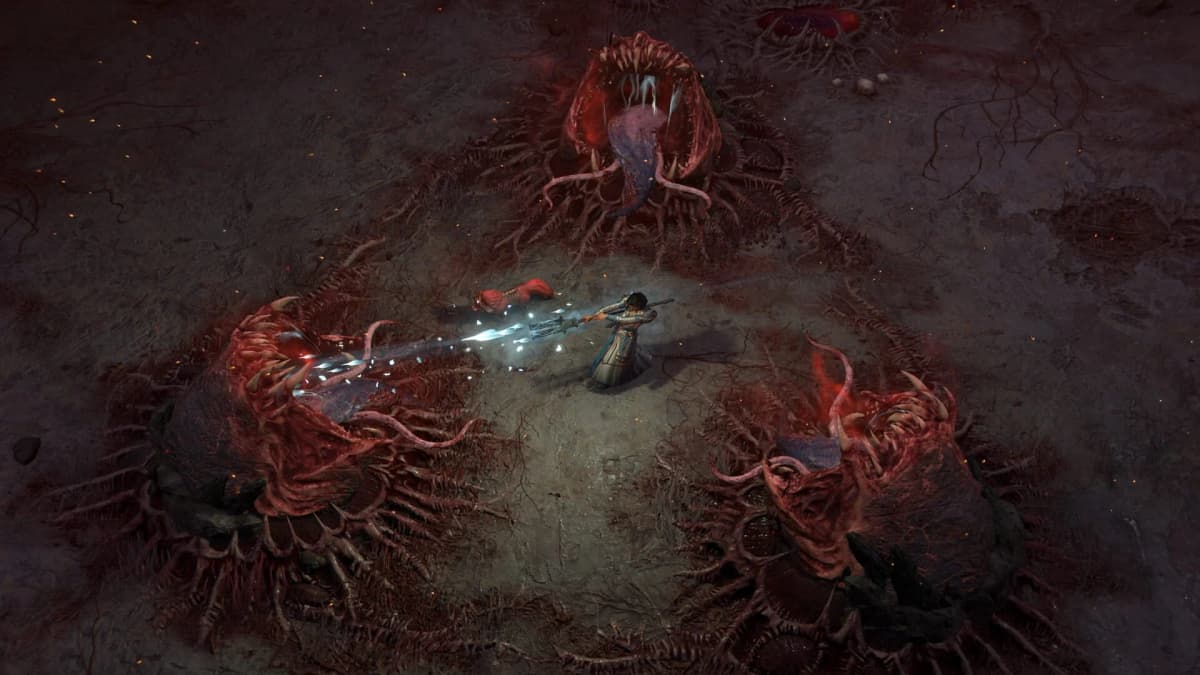
September 15, 2026 is the point where Diablo IV stops selling the future through expansions and starts managing its long goodbye. Lord of Hatred is the end of Blizzard’s current expansion roadmap; Season of Hell’s Legacy becomes the game’s big 30th-anniversary content play; and Nintendo Switch 2 gets a bundle built around the complete campaign so far.
That is a hard split for a live-service action RPG. Players who expected another expansion after Lord of Hatred should stop budgeting for one. Blizzard still has seasonal content planned, including a paid Amazon class in 2027, but the larger direction is much easier to read now: Diablo IV’s next reasons to log in are being delivered through seasons, milestone updates, and platform reach, not another promise that the expansion train keeps going forever.
Hell’s Legacy has to carry more weight than a normal season
Season of Hell’s Legacy launches September 15 at 9:30 a.m. PT, with Japan receiving it on September 16. Blizzard is treating it as the centerpiece of Diablo’s 30th anniversary, which explains why the season is bringing out equipment, locations, and villains the series has spent decades teaching players to recognize.
Deckard Cain returns to guide the anniversary storyline, while Baal, Mephisto, and Diablo become encounters. Diablo himself has never been a direct boss encounter in Diablo IV before now. For a game named after the Lord of Terror, that is a fairly wild omission to finally correct three years into its life, and Blizzard is clearly aware of how much symbolic weight that fight carries.
The new Waking Nightmares dungeon system and Splinter of Evil key item sit at the heart of the season’s endgame hook. Waking Nightmares is built around recreated memories from Diablo history, updated for Diablo IV, and Blizzard has framed those spaces as everything from larger Capstone-style dungeons to sudden one-room boss fights in the open world. Splinters draw power from the three Prime Evils, while endgame passive-tree upgrades, item changes, jewel updates, and utility improvements round out the patch.
That Splinter system is doing more than adding a seasonal trinket. Players pursue Prime Evil-themed power tied to Diablo, Baal, and Mephisto, and those powers come with an actual tradeoff instead of a free stat holiday. Diablo’s Splinter is tied to Fire damage, Baal’s to Cold, and Mephisto’s to Physical, but bearing one also makes you more vulnerable to that same evil. It is a neat little piece of Diablo logic: hell gives you power, then sends you the bill.
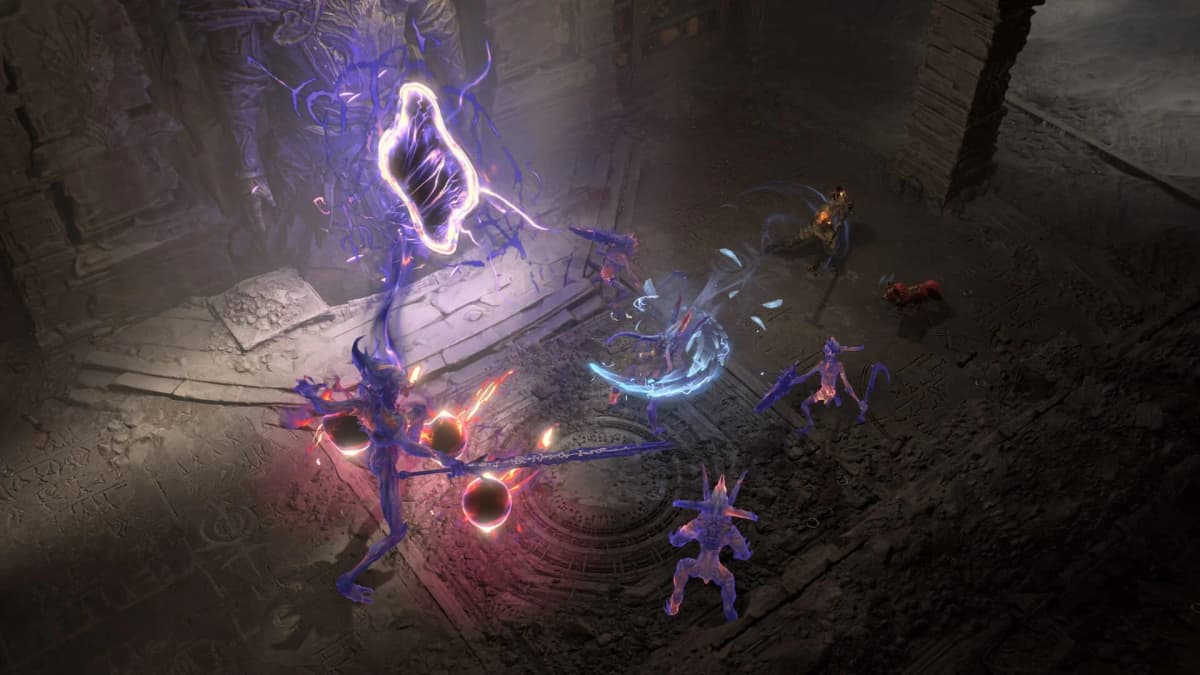
Blizzard is also using those Splinters to push players through different endgame loops rather than parking all the excitement in one dungeon type. Different Prime Evil tracks affect different activities, including Helltides, Infernal Hordes, The Pit, Nightmare Dungeons, Kurast Undercity, Lair Bosses, and the Tree of Whispers. In plain English, this season is meant to redirect how you spend your post-campaign time, not merely decorate the same routine with anniversary wallpaper.
Legacy gear including Stone of Jordan and In Geom also returns, alongside anniversary rewards and cosmetics inspired by Diablo’s previous eras. Some legacy uniques are being added permanently, which matters because it means Hell’s Legacy is not only a nostalgia event with a timer attached. Even if the anniversary framing is the obvious headline, the actual patch reads like a systems-heavy season built around risky power, old-school loot identity, and broader endgame reshuffling.
There is genuine appeal here. Diablo IV’s seasons have often had to do the heavy lifting after the campaign ends, and the Prime Evils give Hell’s Legacy a much stronger thematic center than another temporary crafting widget with lore stapled to it. The uncomfortable part is not that the season looks thin; it is that Blizzard is asking a season to stand next to the public endpoint of the game’s expansion roadmap. That changes how every good idea inside it will be read.
The Switch 2 collection is a clean entry point, not a new future for Diablo IV
Diablo IV: Age of Hatred Collection arrives on Nintendo Switch 2 on September 15, with Japan getting it on September 16, bundling the base game, Vessel of Hatred, and Lord of Hatred. It supports cross-progression and cross-play, so existing players can move characters across PC, PlayStation, Xbox, and Switch 2 rather than beginning another doomed seasonal stash from scratch.
The practical pitch is solid: newcomers get the full Diablo IV campaign path currently on offer instead of buying into a base game with major story chapters held elsewhere. For returning players, the appeal is portability without abandoning an existing account. If you have ever bounced between platforms in a loot game and hated the feeling of leaving your real character behind, Blizzard knows exactly which pain point it is trying to solve here.
HDR and touchscreen support are welcome platform features, but the bundle’s real value is convenience. Blizzard is packaging the entire Diablo IV expansion era into one box precisely because that era now has a visible endpoint. That does not make the collection cynical. It makes it legible. The Switch 2 version is less about opening a surprising new phase for Diablo IV and more about making the complete so-far version of the game easy to buy in one move.
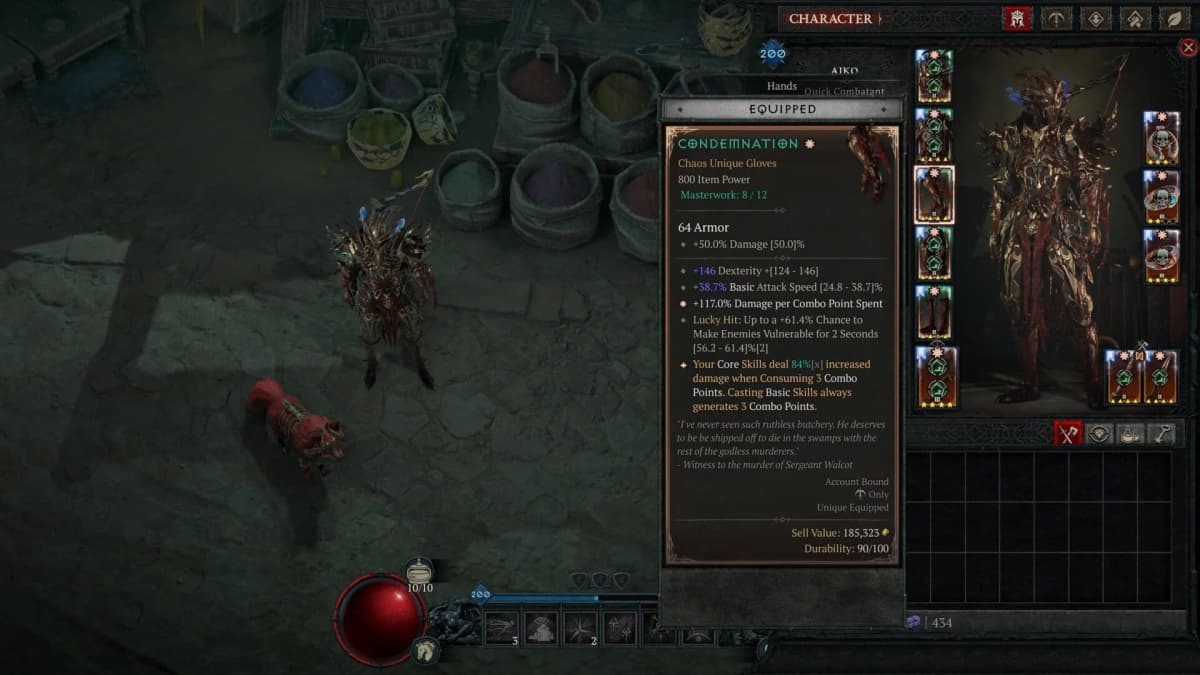
A $69.99 price has been listed for the collection, though Blizzard has not published a primary-source price in the currently available announcement material. Buyers should wait for the Nintendo eShop listing before treating that figure as final.
The Amazon class keeps seasons alive, but it does not reopen the roadmap
Blizzard plans to add Amazon as a paid class in a 2027 season. The class brings the Javelin weapon type, a one-handed ranged option that can be paired with a shield for closer-range elemental and Intelligence-focused builds. That is meaningful post-expansion support, especially for a game whose class roster is one of the biggest reasons seasonal players come back, reroll, and start the loot chase all over again.
Still, a paid class pack is not an expansion. It can refresh buildcraft, loot hunting, and seasonal participation, but it does not promise a new region, campaign, or the kind of giant structural reset Blizzard has previously reserved for larger releases. The distinction matters because the announcement package puts a lot of exciting things on the table at once, and it would be easy to read all of that as proof that Diablo IV’s expansion future remains open when Blizzard’s roadmap says otherwise.
What September 15 actually clarifies is simpler than the doomsaying and simpler than the hype. Diablo IV is not shutting down. It is also not setting up another expansion beyond Lord of Hatred. The next major reasons to care are Hell’s Legacy, the Switch 2 Age of Hatred Collection, and then the 2027 Amazon class. That is a real content plan. It is just a different kind of plan from the one players were expecting a year ago.
And that is what makes Hell’s Legacy feel different. It is still an anniversary season full of familiar demons, legacy loot, and a long-overdue Diablo encounter. But it is also the season that has to prove Blizzard can keep Diablo IV compelling without leaning on “the next expansion” as the answer to every future-tense question. Whether players love that answer is a separate problem. Blizzard has already made clear that this is the one it is giving.
FinalBoss // Gear
Level up your setup
01Top-rated gaming headsetson Amazon→02High-refresh gaming monitorson Amazon→03Gaming chairson Amazon→04Discounted game keyson Kinguin→
Affiliate links · As an Amazon Associate, FinalBoss earns from qualifying purchases.
Want to Level Up Your Gaming?
Get access to exclusive strategies, hidden tips, and pro-level insights that we don't share publicly.
Ultimate Gaming Strategy Guide + Weekly Pro Tips