
Diablo’s Creator Says Blizzard Should Pick Its Battles With D4—and Leave D2R Mostly Alone
Game intel
Diablo IV
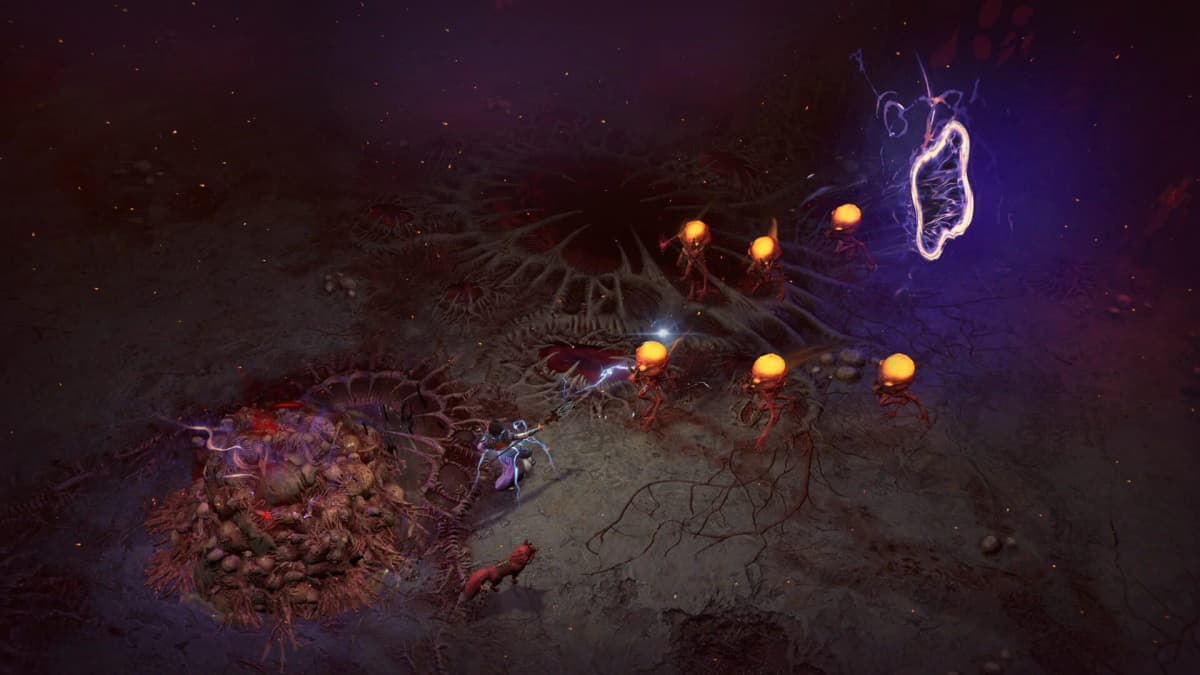
Shift the veil between Sanctuary and Hell in the all-new, chaos-fueled Infernal Hordes and their relentless Chaos Waves. Unleash deadly Chaos Perks and hunt do…
Why Brevik’s Take Hits Different Right Now
This caught my attention because Diablo 4’s live-service treadmill feels like it’s grinding gears. I’ve enjoyed D4’s highs-Helltides, class reworks, a strong expansion-yet seasons often feel safe while smaller rivals like Path of Exile and Last Epoch aren’t afraid to swing hard. So when David Brevik, the co-creator of Diablo, talks about the risks of changing a massive game and the value of preserving Diablo 2: Resurrected, I’m listening. He’s not just waxing nostalgic; he’s explaining why Blizzard’s reality is messier than “just make bold changes” suggests.
Key Takeaways
- Big games move slowly for a reason: radical changes can trigger loud backlash and threaten long-term stability.
- Diablo 4’s live-service scale makes bold pivots risky; Blizzard needs conviction and clear communication when it does move.
- Preserving Diablo 2: Resurrected mostly as-is is a respectful choice that keeps the classic’s identity intact.
- ARPGs and roguelikes continue to cross-pollinate-genre “purity” matters less than tight, replayable loops.
What Brevik Actually Said
Brevik’s core point: changing a giant, popular game is nerve-wracking and inherently risky. “Anytime that you have a big game and you make any changes at all, you’re going to have some people that are not happy,” he says. Expectations are “through the roof,” and leadership has to believe in a direction even when not everyone will understand it. That tracks with the vibe around recent Diablo 4 seasons—incremental polish, cautious balance tweaks, fancy cosmetics—but few headline-grabbing mechanical overhauls.
He also notes the industry has shifted. Triple-A is unstable; veteran teams are fleeing to smaller projects where innovation is cheaper and the stakes don’t crush you. That’s not an excuse for stagnation—more a reminder that when Blizzard moves, it must move with intent.
The Live-Service Trap Blizzard Is Navigating
Here’s the uncomfortable truth for D4: when you’re operating at Blizzard’s scale, “be bold” isn’t a patch note—it’s a production risk. We’ve seen the downside elsewhere: Destiny 2’s content vaulting blowback, Diablo 3’s infamous 3.0 launch economy, even Path of Exile’s 3.15 nerf storm. Yet the upside of decisive changes is real. PoE’s leagues routinely rewire the meta and systems; Warframe reinvents itself every few years with new frameworks, not just modifiers.
Blizzard’s pivot away from annual Diablo 4 expansions (with the next one not until 2026) suggests a slow-burn strategy: fix fundamentals, pace larger beats, keep the community from whiplash. That’s defendable. But the cost is perception—when the flashiest drops are pricey cross-franchise skins, players assume priorities are skewed. If Blizzard wants to buy time, it needs to spend currency on trust: transparent roadmaps, fearless class identity passes, and at least one season per year that meaningfully rewires the loop (itemization experiments, endgame goals beyond the XP treadmill, or a wild, opt-in ruleset that won’t nuke the core).
Preservation vs. Innovation: Why D2R’s Restraint Works
On Diablo 2: Resurrected, Brevik’s stance is basically “don’t break what made it immortal.” After early additions like Terror Zones and new runewords, Blizzard has largely chilled—ladder resets, maintenance, respect for the classic identity. Brevik calls this “respectful,” and I’m with him. D2 is a specific flavor: punishing, streaky, build-crafting through scarcity. You can’t bolt modern convenience onto it forever without sanding down the texture that keeps it D2.
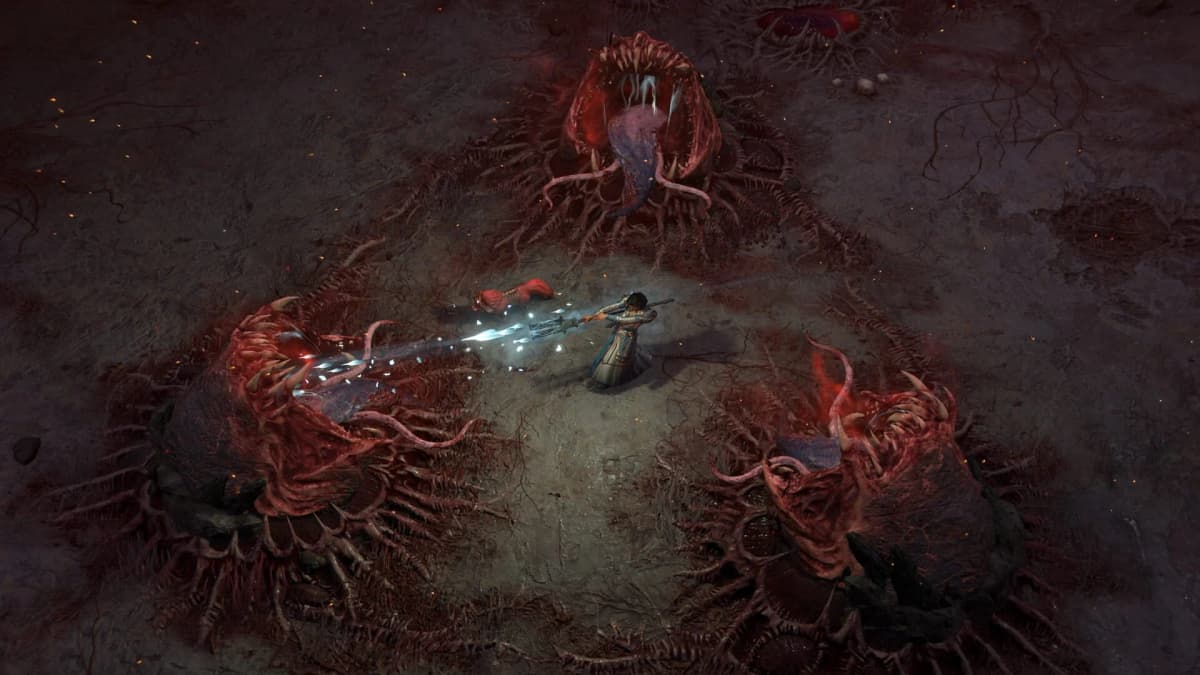
Could D2R support the occasional curated shake-up? Sure—seasonal runeword experiments or rotating drop rules—but as side playlists, not permanent surgery. Let D2R be the museum piece that’s still fun to play; let D4 be the sandbox where Blizzard tests new philosophies.
Roguelikes, ARPGs, and the Loop Coming Full Circle
Brevik points out that Diablo’s roots trace back to Rogue, and now roguelikes are feeding back into ARPGs. You can see it: Vampire Survivors distills the dopamine loop to raw signal; Hades proved character-driven roguelikes can hit mainstream; even smaller projects remix Souls combat with roguelike replayability. Brevik highlights Skystone’s Tyrant’s Realm for its PS1-era vibe and approachable Souls-like feel—proof that genre lines are more of a suggestion than a rule.
For Diablo 4, there’s a lesson here. Embrace roguelike structure in limited-time modes: short, high-stakes delves with escalating mutators, draft-style skill augments, and meaningful risk rewards. Not everything needs to persist; some of the best ARPG moments are the runs you almost clutch.
What Gamers Should Watch For
- One “big” season per year that tries a new endgame pillar—something deeper than a new dungeon tile or gem tier.
- Itemization clarity: fewer middling affixes, stronger archetypal gear that sharpens class identities.
- Transparent expansion cadence with honest scope—no more yearly promises nobody can hit.
- Optional experimental modes that scratch the roguelike itch without destabilizing the main economy.
I’ve put absurd hours into D2, D3, and D4. What keeps me around isn’t another level cap; it’s the sense that the rules might change and my brain has new problems to solve. Brevik’s message isn’t “don’t change”—it’s “change deliberately.” Blizzard doesn’t need to blow up Diablo 4 every season. It just needs to pick a couple of fearless bets and follow through.
TL;DR
Brevik thinks massive games like Diablo 4 can’t pivot without pain—and he’s right. Preservation suits Diablo 2: Resurrected; experimentation should live in D4. If Blizzard wants players excited, not just occupied, it needs fewer cosmetics and more seasons that mess with the formula on purpose.