
If I were on the call with DICE’s PR rep, I’d ask: what are the concrete metrics you’ll use in Labs to decide whether a change graduates to live? Will you publish those? Players deserve more than “we’re working on it.”
Table of Contents (253)
TL;DR
DICE admits Battlefield 6’s vehicles — especially the LGT jeep — are effectively “death traps” and will trial a vehicle improvement package in Battlefield Labs. That’s a necessary correction to a design that deliberately started vehicles weak, but it’s overdue. The leap from Labs promise to meaningful revival depends on measurable survivability fixes, tank buffs (or counter rebalances), and map changes that actually let vehicles matter again.
If I were on the call with DICE’s PR rep, I’d ask: what are the concrete metrics you’ll use in Labs to decide whether a change graduates to live? Will you publish those? Players deserve more than “we’re working on it.”
TL;DR
DICE admits Battlefield 6’s vehicles — especially the LGT jeep — are effectively “death traps” and will trial a vehicle improvement package in Battlefield Labs. That’s a necessary correction to a design that deliberately started vehicles weak, but it’s overdue. The leap from Labs promise to meaningful revival depends on measurable survivability fixes, tank buffs (or counter rebalances), and map changes that actually let vehicles matter again.
- Official Battlefield Labs test announcement — timeline and patch notes (look for concrete durability, speed, and counter tweaks).
- Player-usage and survivability stats after the Labs build goes live (are jeeps used more, do tanks survive objective pushes?).
- Any follow-up on rocket/SMG power — if tanks still die in ~2 minutes, vehicle buffs are only cosmetic.
- Season 2 retention numbers and concurrent peaks — 3DJuegos/SteamDB showed Season 2 gave a bump but not a sustained recovery; watch if players return after vehicle fixes.
If I were on the call with DICE’s PR rep, I’d ask: what are the concrete metrics you’ll use in Labs to decide whether a change graduates to live? Will you publish those? Players deserve more than “we’re working on it.”
TL;DR
DICE admits Battlefield 6’s vehicles — especially the LGT jeep — are effectively “death traps” and will trial a vehicle improvement package in Battlefield Labs. That’s a necessary correction to a design that deliberately started vehicles weak, but it’s overdue. The leap from Labs promise to meaningful revival depends on measurable survivability fixes, tank buffs (or counter rebalances), and map changes that actually let vehicles matter again.
DICE is finally testing vehicle fixes for Battlefield 6 – but this should have been patched months ago
Vehicle play is what separates Battlefield from every other modern shooter. When the light ground transport (LGT) jeep and even tanks feel like “death traps,” that’s not a tuning oversight – it’s a design failure. DICE hardware producer Kit Eklöf told PC Gamer the studio will run a Battlefield Labs test “soon” to trial a package of vehicle improvements, a concession driven by persistent player complaints rather than proactive roadmap planning.
- Key takeaway: DICE will trial vehicle changes in Battlefield Labs after players repeatedly called LGTs and other vehicles too fragile to use.
- Key takeaway: The fragility problem dates back to launch and beta design choices that deliberately started vehicles weak to avoid overpowering them.
- Key takeaway: Vehicle fixes alone won’t revive a slipping playerbase – tanks need buffs, map-flow issues must be addressed, and specifics matter more than the promise to “test.”
Why this matters now
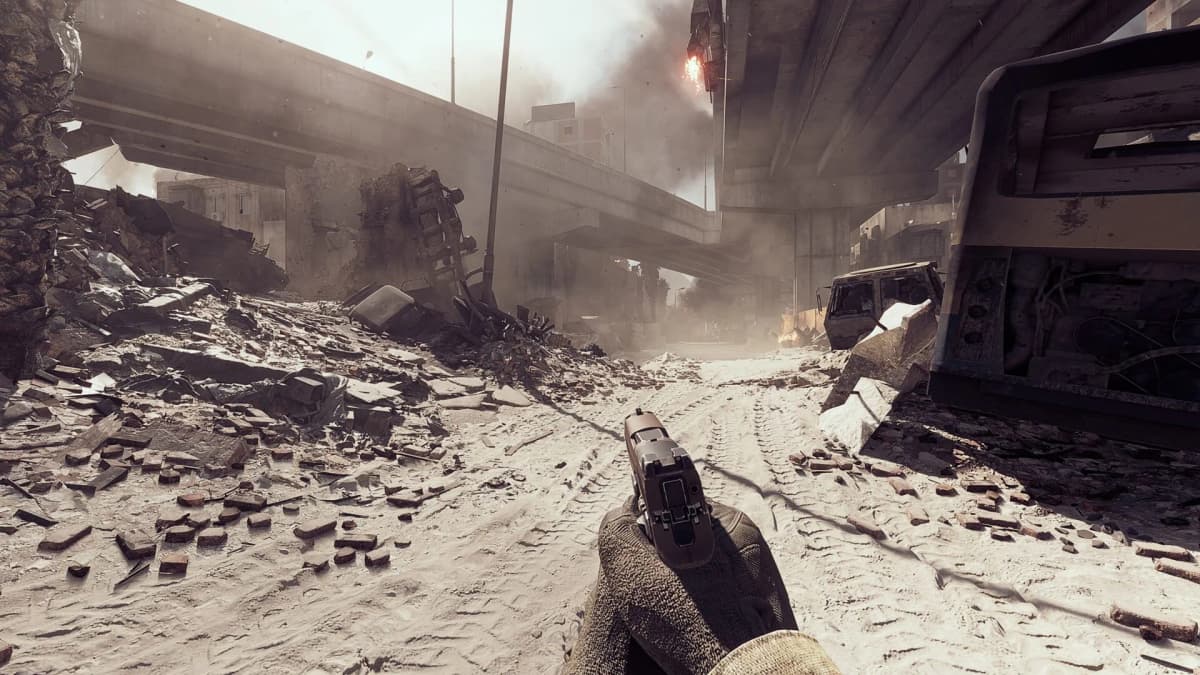
Months after Battlefield 6 launched, vehicle viability has become a visible driver of player frustration and churn. SteamDB and Circana data cited by 3DJuegos show Battlefield’s post-launch momentum already softening heading into 2026, while community threads are dominated by the same complaint: jeeps and light transports disintegrate under minimal fire or mines, so teams stop using them. That’s not a cosmetic gripe — it changes how matches play out. If vehicles are consistently ignored, the game tilts toward infantry-skewed skirmishes and away from the large-scale combined arms fights Battlefield promises.
The uncomfortable observation DICE doesn’t want front-page
Pre-release comments from designer David Sirland admitted the studio intentionally shipped vehicles on the weak side. The idea was to avoid overpowered rideable weapons; the execution left vehicles functionally unusable in many scenarios. Saying “we started weak” is honest, but it’s also a design choice that cost credibility: players don’t forgive a sandbox that neuters core toys for the sake of conservative balance.
Kit Eklöf’s “death traps” line (PC Gamer) is blunt and accurate. Steam’s Battlefield News also confirms the changes will be staged through Battlefield Labs first — which is the right process in theory. In practice, Labs needs to include measurable goals (survivability, usage rate, objective impact), not just feel-good adjustments rolled out with vague caveats.
Fixing jeeps won’t fix everything
Players are asking for two linked things: safer light vehicles and stronger tanks. PC Gamer and community reports say tanks are dying to rockets and close-range SMG spam in about two minutes — not just on paper but in match logs. If you buff LGT durability while rockets and spawnable AT remain rampant, you’ll simply shift frustration elsewhere. Air vehicles add another layer: inconsistent helicopter flight models, ill-placed jets on tight maps, and clumsy AA mechanics were flagged as far back as the December rebalance patch notes, meaning vehicle problems span the whole meta.
The PR play vs. the real fix
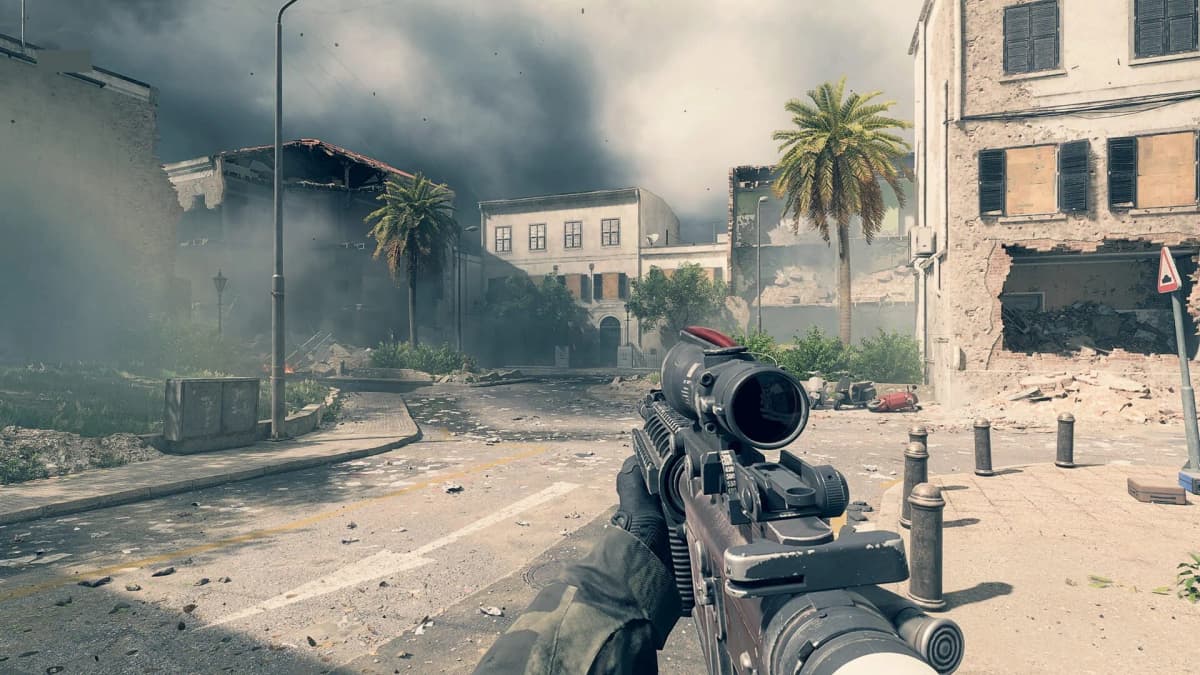
Battlefield Labs is a sensible tool — staged testing, data-driven iteration. But this announcement reads more like damage control than a confident plan. DICE also wants more time on maps (lead producers have said they prefer fewer, higher-quality maps), which is defensible, but it compounds the problem: fewer maps mean each one must support balanced vehicle routes and spawn flows. Community posts point to map-specific chokes (Liberation Peak’s asymmetrical vehicle access, for example) that a Labs vehicle package can’t solve alone.
The question nobody’s asking: will tanks get outright buffs or will counters be nerfed?
DICE can approach this two ways: make vehicles more durable and tweak player-side counters (rocket timers, SMG TTK), or leave counters intact and make vehicles more resistant. Each path changes the game’s identity. Right now, there’s no public detail on what the Labs test will include. That’s the real issue: “we’ll test” is not reassurance unless we see the variables being measured and the metrics for success.
What to watch
- Official Battlefield Labs test announcement — timeline and patch notes (look for concrete durability, speed, and counter tweaks).
- Player-usage and survivability stats after the Labs build goes live (are jeeps used more, do tanks survive objective pushes?).
- Any follow-up on rocket/SMG power — if tanks still die in ~2 minutes, vehicle buffs are only cosmetic.
- Season 2 retention numbers and concurrent peaks — 3DJuegos/SteamDB showed Season 2 gave a bump but not a sustained recovery; watch if players return after vehicle fixes.
If I were on the call with DICE’s PR rep, I’d ask: what are the concrete metrics you’ll use in Labs to decide whether a change graduates to live? Will you publish those? Players deserve more than “we’re working on it.”
TL;DR
DICE admits Battlefield 6’s vehicles — especially the LGT jeep — are effectively “death traps” and will trial a vehicle improvement package in Battlefield Labs. That’s a necessary correction to a design that deliberately started vehicles weak, but it’s overdue. The leap from Labs promise to meaningful revival depends on measurable survivability fixes, tank buffs (or counter rebalances), and map changes that actually let vehicles matter again.
If I were on the call with DICE’s PR rep, I’d ask: what are the concrete metrics you’ll use in Labs to decide whether a change graduates to live? Will you publish those? Players deserve more than “we’re working on it.”
TL;DR
DICE admits Battlefield 6’s vehicles — especially the LGT jeep — are effectively “death traps” and will trial a vehicle improvement package in Battlefield Labs. That’s a necessary correction to a design that deliberately started vehicles weak, but it’s overdue. The leap from Labs promise to meaningful revival depends on measurable survivability fixes, tank buffs (or counter rebalances), and map changes that actually let vehicles matter again.
DICE is finally testing vehicle fixes for Battlefield 6 – but this should have been patched months ago
Vehicle play is what separates Battlefield from every other modern shooter. When the light ground transport (LGT) jeep and even tanks feel like “death traps,” that’s not a tuning oversight – it’s a design failure. DICE hardware producer Kit Eklöf told PC Gamer the studio will run a Battlefield Labs test “soon” to trial a package of vehicle improvements, a concession driven by persistent player complaints rather than proactive roadmap planning.
- Key takeaway: DICE will trial vehicle changes in Battlefield Labs after players repeatedly called LGTs and other vehicles too fragile to use.
- Key takeaway: The fragility problem dates back to launch and beta design choices that deliberately started vehicles weak to avoid overpowering them.
- Key takeaway: Vehicle fixes alone won’t revive a slipping playerbase – tanks need buffs, map-flow issues must be addressed, and specifics matter more than the promise to “test.”
Why this matters now
Months after Battlefield 6 launched, vehicle viability has become a visible driver of player frustration and churn. SteamDB and Circana data cited by 3DJuegos show Battlefield’s post-launch momentum already softening heading into 2026, while community threads are dominated by the same complaint: jeeps and light transports disintegrate under minimal fire or mines, so teams stop using them. That’s not a cosmetic gripe — it changes how matches play out. If vehicles are consistently ignored, the game tilts toward infantry-skewed skirmishes and away from the large-scale combined arms fights Battlefield promises.
The uncomfortable observation DICE doesn’t want front-page
Pre-release comments from designer David Sirland admitted the studio intentionally shipped vehicles on the weak side. The idea was to avoid overpowered rideable weapons; the execution left vehicles functionally unusable in many scenarios. Saying “we started weak” is honest, but it’s also a design choice that cost credibility: players don’t forgive a sandbox that neuters core toys for the sake of conservative balance.
Kit Eklöf’s “death traps” line (PC Gamer) is blunt and accurate. Steam’s Battlefield News also confirms the changes will be staged through Battlefield Labs first — which is the right process in theory. In practice, Labs needs to include measurable goals (survivability, usage rate, objective impact), not just feel-good adjustments rolled out with vague caveats.
Fixing jeeps won’t fix everything
Players are asking for two linked things: safer light vehicles and stronger tanks. PC Gamer and community reports say tanks are dying to rockets and close-range SMG spam in about two minutes — not just on paper but in match logs. If you buff LGT durability while rockets and spawnable AT remain rampant, you’ll simply shift frustration elsewhere. Air vehicles add another layer: inconsistent helicopter flight models, ill-placed jets on tight maps, and clumsy AA mechanics were flagged as far back as the December rebalance patch notes, meaning vehicle problems span the whole meta.
The PR play vs. the real fix
Battlefield Labs is a sensible tool — staged testing, data-driven iteration. But this announcement reads more like damage control than a confident plan. DICE also wants more time on maps (lead producers have said they prefer fewer, higher-quality maps), which is defensible, but it compounds the problem: fewer maps mean each one must support balanced vehicle routes and spawn flows. Community posts point to map-specific chokes (Liberation Peak’s asymmetrical vehicle access, for example) that a Labs vehicle package can’t solve alone.
The question nobody’s asking: will tanks get outright buffs or will counters be nerfed?
DICE can approach this two ways: make vehicles more durable and tweak player-side counters (rocket timers, SMG TTK), or leave counters intact and make vehicles more resistant. Each path changes the game’s identity. Right now, there’s no public detail on what the Labs test will include. That’s the real issue: “we’ll test” is not reassurance unless we see the variables being measured and the metrics for success.
What to watch
- Official Battlefield Labs test announcement — timeline and patch notes (look for concrete durability, speed, and counter tweaks).
- Player-usage and survivability stats after the Labs build goes live (are jeeps used more, do tanks survive objective pushes?).
- Any follow-up on rocket/SMG power — if tanks still die in ~2 minutes, vehicle buffs are only cosmetic.
- Season 2 retention numbers and concurrent peaks — 3DJuegos/SteamDB showed Season 2 gave a bump but not a sustained recovery; watch if players return after vehicle fixes.
If I were on the call with DICE’s PR rep, I’d ask: what are the concrete metrics you’ll use in Labs to decide whether a change graduates to live? Will you publish those? Players deserve more than “we’re working on it.”
TL;DR
DICE admits Battlefield 6’s vehicles — especially the LGT jeep — are effectively “death traps” and will trial a vehicle improvement package in Battlefield Labs. That’s a necessary correction to a design that deliberately started vehicles weak, but it’s overdue. The leap from Labs promise to meaningful revival depends on measurable survivability fixes, tank buffs (or counter rebalances), and map changes that actually let vehicles matter again.
- Official Battlefield Labs test announcement — timeline and patch notes (look for concrete durability, speed, and counter tweaks).
- Player-usage and survivability stats after the Labs build goes live (are jeeps used more, do tanks survive objective pushes?).
- Any follow-up on rocket/SMG power — if tanks still die in ~2 minutes, vehicle buffs are only cosmetic.
- Season 2 retention numbers and concurrent peaks — 3DJuegos/SteamDB showed Season 2 gave a bump but not a sustained recovery; watch if players return after vehicle fixes.
If I were on the call with DICE’s PR rep, I’d ask: what are the concrete metrics you’ll use in Labs to decide whether a change graduates to live? Will you publish those? Players deserve more than “we’re working on it.”
TL;DR
DICE admits Battlefield 6’s vehicles — especially the LGT jeep — are effectively “death traps” and will trial a vehicle improvement package in Battlefield Labs. That’s a necessary correction to a design that deliberately started vehicles weak, but it’s overdue. The leap from Labs promise to meaningful revival depends on measurable survivability fixes, tank buffs (or counter rebalances), and map changes that actually let vehicles matter again.
DICE is finally testing vehicle fixes for Battlefield 6 – but this should have been patched months ago
Vehicle play is what separates Battlefield from every other modern shooter. When the light ground transport (LGT) jeep and even tanks feel like “death traps,” that’s not a tuning oversight – it’s a design failure. DICE hardware producer Kit Eklöf told PC Gamer the studio will run a Battlefield Labs test “soon” to trial a package of vehicle improvements, a concession driven by persistent player complaints rather than proactive roadmap planning.
- Key takeaway: DICE will trial vehicle changes in Battlefield Labs after players repeatedly called LGTs and other vehicles too fragile to use.
- Key takeaway: The fragility problem dates back to launch and beta design choices that deliberately started vehicles weak to avoid overpowering them.
- Key takeaway: Vehicle fixes alone won’t revive a slipping playerbase – tanks need buffs, map-flow issues must be addressed, and specifics matter more than the promise to “test.”
Why this matters now
Months after Battlefield 6 launched, vehicle viability has become a visible driver of player frustration and churn. SteamDB and Circana data cited by 3DJuegos show Battlefield’s post-launch momentum already softening heading into 2026, while community threads are dominated by the same complaint: jeeps and light transports disintegrate under minimal fire or mines, so teams stop using them. That’s not a cosmetic gripe — it changes how matches play out. If vehicles are consistently ignored, the game tilts toward infantry-skewed skirmishes and away from the large-scale combined arms fights Battlefield promises.
The uncomfortable observation DICE doesn’t want front-page
Pre-release comments from designer David Sirland admitted the studio intentionally shipped vehicles on the weak side. The idea was to avoid overpowered rideable weapons; the execution left vehicles functionally unusable in many scenarios. Saying “we started weak” is honest, but it’s also a design choice that cost credibility: players don’t forgive a sandbox that neuters core toys for the sake of conservative balance.
Kit Eklöf’s “death traps” line (PC Gamer) is blunt and accurate. Steam’s Battlefield News also confirms the changes will be staged through Battlefield Labs first — which is the right process in theory. In practice, Labs needs to include measurable goals (survivability, usage rate, objective impact), not just feel-good adjustments rolled out with vague caveats.
Fixing jeeps won’t fix everything
Players are asking for two linked things: safer light vehicles and stronger tanks. PC Gamer and community reports say tanks are dying to rockets and close-range SMG spam in about two minutes — not just on paper but in match logs. If you buff LGT durability while rockets and spawnable AT remain rampant, you’ll simply shift frustration elsewhere. Air vehicles add another layer: inconsistent helicopter flight models, ill-placed jets on tight maps, and clumsy AA mechanics were flagged as far back as the December rebalance patch notes, meaning vehicle problems span the whole meta.
The PR play vs. the real fix
Battlefield Labs is a sensible tool — staged testing, data-driven iteration. But this announcement reads more like damage control than a confident plan. DICE also wants more time on maps (lead producers have said they prefer fewer, higher-quality maps), which is defensible, but it compounds the problem: fewer maps mean each one must support balanced vehicle routes and spawn flows. Community posts point to map-specific chokes (Liberation Peak’s asymmetrical vehicle access, for example) that a Labs vehicle package can’t solve alone.
The question nobody’s asking: will tanks get outright buffs or will counters be nerfed?
DICE can approach this two ways: make vehicles more durable and tweak player-side counters (rocket timers, SMG TTK), or leave counters intact and make vehicles more resistant. Each path changes the game’s identity. Right now, there’s no public detail on what the Labs test will include. That’s the real issue: “we’ll test” is not reassurance unless we see the variables being measured and the metrics for success.
What to watch
- Official Battlefield Labs test announcement — timeline and patch notes (look for concrete durability, speed, and counter tweaks).
- Player-usage and survivability stats after the Labs build goes live (are jeeps used more, do tanks survive objective pushes?).
- Any follow-up on rocket/SMG power — if tanks still die in ~2 minutes, vehicle buffs are only cosmetic.
- Season 2 retention numbers and concurrent peaks — 3DJuegos/SteamDB showed Season 2 gave a bump but not a sustained recovery; watch if players return after vehicle fixes.
If I were on the call with DICE’s PR rep, I’d ask: what are the concrete metrics you’ll use in Labs to decide whether a change graduates to live? Will you publish those? Players deserve more than “we’re working on it.”
TL;DR
DICE admits Battlefield 6’s vehicles — especially the LGT jeep — are effectively “death traps” and will trial a vehicle improvement package in Battlefield Labs. That’s a necessary correction to a design that deliberately started vehicles weak, but it’s overdue. The leap from Labs promise to meaningful revival depends on measurable survivability fixes, tank buffs (or counter rebalances), and map changes that actually let vehicles matter again.
If I were on the call with DICE’s PR rep, I’d ask: what are the concrete metrics you’ll use in Labs to decide whether a change graduates to live? Will you publish those? Players deserve more than “we’re working on it.”
TL;DR
DICE admits Battlefield 6’s vehicles — especially the LGT jeep — are effectively “death traps” and will trial a vehicle improvement package in Battlefield Labs. That’s a necessary correction to a design that deliberately started vehicles weak, but it’s overdue. The leap from Labs promise to meaningful revival depends on measurable survivability fixes, tank buffs (or counter rebalances), and map changes that actually let vehicles matter again.
- Official Battlefield Labs test announcement — timeline and patch notes (look for concrete durability, speed, and counter tweaks).
- Player-usage and survivability stats after the Labs build goes live (are jeeps used more, do tanks survive objective pushes?).
- Any follow-up on rocket/SMG power — if tanks still die in ~2 minutes, vehicle buffs are only cosmetic.
- Season 2 retention numbers and concurrent peaks — 3DJuegos/SteamDB showed Season 2 gave a bump but not a sustained recovery; watch if players return after vehicle fixes.
If I were on the call with DICE’s PR rep, I’d ask: what are the concrete metrics you’ll use in Labs to decide whether a change graduates to live? Will you publish those? Players deserve more than “we’re working on it.”
TL;DR
DICE admits Battlefield 6’s vehicles — especially the LGT jeep — are effectively “death traps” and will trial a vehicle improvement package in Battlefield Labs. That’s a necessary correction to a design that deliberately started vehicles weak, but it’s overdue. The leap from Labs promise to meaningful revival depends on measurable survivability fixes, tank buffs (or counter rebalances), and map changes that actually let vehicles matter again.
DICE is finally testing vehicle fixes for Battlefield 6 – but this should have been patched months ago
Vehicle play is what separates Battlefield from every other modern shooter. When the light ground transport (LGT) jeep and even tanks feel like “death traps,” that’s not a tuning oversight – it’s a design failure. DICE hardware producer Kit Eklöf told PC Gamer the studio will run a Battlefield Labs test “soon” to trial a package of vehicle improvements, a concession driven by persistent player complaints rather than proactive roadmap planning.
- Key takeaway: DICE will trial vehicle changes in Battlefield Labs after players repeatedly called LGTs and other vehicles too fragile to use.
- Key takeaway: The fragility problem dates back to launch and beta design choices that deliberately started vehicles weak to avoid overpowering them.
- Key takeaway: Vehicle fixes alone won’t revive a slipping playerbase – tanks need buffs, map-flow issues must be addressed, and specifics matter more than the promise to “test.”
Why this matters now
Months after Battlefield 6 launched, vehicle viability has become a visible driver of player frustration and churn. SteamDB and Circana data cited by 3DJuegos show Battlefield’s post-launch momentum already softening heading into 2026, while community threads are dominated by the same complaint: jeeps and light transports disintegrate under minimal fire or mines, so teams stop using them. That’s not a cosmetic gripe — it changes how matches play out. If vehicles are consistently ignored, the game tilts toward infantry-skewed skirmishes and away from the large-scale combined arms fights Battlefield promises.
The uncomfortable observation DICE doesn’t want front-page
Pre-release comments from designer David Sirland admitted the studio intentionally shipped vehicles on the weak side. The idea was to avoid overpowered rideable weapons; the execution left vehicles functionally unusable in many scenarios. Saying “we started weak” is honest, but it’s also a design choice that cost credibility: players don’t forgive a sandbox that neuters core toys for the sake of conservative balance.
Kit Eklöf’s “death traps” line (PC Gamer) is blunt and accurate. Steam’s Battlefield News also confirms the changes will be staged through Battlefield Labs first — which is the right process in theory. In practice, Labs needs to include measurable goals (survivability, usage rate, objective impact), not just feel-good adjustments rolled out with vague caveats.
Fixing jeeps won’t fix everything
Players are asking for two linked things: safer light vehicles and stronger tanks. PC Gamer and community reports say tanks are dying to rockets and close-range SMG spam in about two minutes — not just on paper but in match logs. If you buff LGT durability while rockets and spawnable AT remain rampant, you’ll simply shift frustration elsewhere. Air vehicles add another layer: inconsistent helicopter flight models, ill-placed jets on tight maps, and clumsy AA mechanics were flagged as far back as the December rebalance patch notes, meaning vehicle problems span the whole meta.
The PR play vs. the real fix
Battlefield Labs is a sensible tool — staged testing, data-driven iteration. But this announcement reads more like damage control than a confident plan. DICE also wants more time on maps (lead producers have said they prefer fewer, higher-quality maps), which is defensible, but it compounds the problem: fewer maps mean each one must support balanced vehicle routes and spawn flows. Community posts point to map-specific chokes (Liberation Peak’s asymmetrical vehicle access, for example) that a Labs vehicle package can’t solve alone.
The question nobody’s asking: will tanks get outright buffs or will counters be nerfed?
DICE can approach this two ways: make vehicles more durable and tweak player-side counters (rocket timers, SMG TTK), or leave counters intact and make vehicles more resistant. Each path changes the game’s identity. Right now, there’s no public detail on what the Labs test will include. That’s the real issue: “we’ll test” is not reassurance unless we see the variables being measured and the metrics for success.
What to watch
- Official Battlefield Labs test announcement — timeline and patch notes (look for concrete durability, speed, and counter tweaks).
- Player-usage and survivability stats after the Labs build goes live (are jeeps used more, do tanks survive objective pushes?).
- Any follow-up on rocket/SMG power — if tanks still die in ~2 minutes, vehicle buffs are only cosmetic.
- Season 2 retention numbers and concurrent peaks — 3DJuegos/SteamDB showed Season 2 gave a bump but not a sustained recovery; watch if players return after vehicle fixes.
If I were on the call with DICE’s PR rep, I’d ask: what are the concrete metrics you’ll use in Labs to decide whether a change graduates to live? Will you publish those? Players deserve more than “we’re working on it.”
TL;DR
DICE admits Battlefield 6’s vehicles — especially the LGT jeep — are effectively “death traps” and will trial a vehicle improvement package in Battlefield Labs. That’s a necessary correction to a design that deliberately started vehicles weak, but it’s overdue. The leap from Labs promise to meaningful revival depends on measurable survivability fixes, tank buffs (or counter rebalances), and map changes that actually let vehicles matter again.
- Official Battlefield Labs test announcement — timeline and patch notes (look for concrete durability, speed, and counter tweaks).
- Player-usage and survivability stats after the Labs build goes live (are jeeps used more, do tanks survive objective pushes?).
- Any follow-up on rocket/SMG power — if tanks still die in ~2 minutes, vehicle buffs are only cosmetic.
- Season 2 retention numbers and concurrent peaks — 3DJuegos/SteamDB showed Season 2 gave a bump but not a sustained recovery; watch if players return after vehicle fixes.
If I were on the call with DICE’s PR rep, I’d ask: what are the concrete metrics you’ll use in Labs to decide whether a change graduates to live? Will you publish those? Players deserve more than “we’re working on it.”
TL;DR
DICE admits Battlefield 6’s vehicles — especially the LGT jeep — are effectively “death traps” and will trial a vehicle improvement package in Battlefield Labs. That’s a necessary correction to a design that deliberately started vehicles weak, but it’s overdue. The leap from Labs promise to meaningful revival depends on measurable survivability fixes, tank buffs (or counter rebalances), and map changes that actually let vehicles matter again.
If I were on the call with DICE’s PR rep, I’d ask: what are the concrete metrics you’ll use in Labs to decide whether a change graduates to live? Will you publish those? Players deserve more than “we’re working on it.”
TL;DR
DICE admits Battlefield 6’s vehicles — especially the LGT jeep — are effectively “death traps” and will trial a vehicle improvement package in Battlefield Labs. That’s a necessary correction to a design that deliberately started vehicles weak, but it’s overdue. The leap from Labs promise to meaningful revival depends on measurable survivability fixes, tank buffs (or counter rebalances), and map changes that actually let vehicles matter again.
- Official Battlefield Labs test announcement — timeline and patch notes (look for concrete durability, speed, and counter tweaks).
- Player-usage and survivability stats after the Labs build goes live (are jeeps used more, do tanks survive objective pushes?).
- Any follow-up on rocket/SMG power — if tanks still die in ~2 minutes, vehicle buffs are only cosmetic.
- Season 2 retention numbers and concurrent peaks — 3DJuegos/SteamDB showed Season 2 gave a bump but not a sustained recovery; watch if players return after vehicle fixes.
If I were on the call with DICE’s PR rep, I’d ask: what are the concrete metrics you’ll use in Labs to decide whether a change graduates to live? Will you publish those? Players deserve more than “we’re working on it.”
TL;DR
DICE admits Battlefield 6’s vehicles — especially the LGT jeep — are effectively “death traps” and will trial a vehicle improvement package in Battlefield Labs. That’s a necessary correction to a design that deliberately started vehicles weak, but it’s overdue. The leap from Labs promise to meaningful revival depends on measurable survivability fixes, tank buffs (or counter rebalances), and map changes that actually let vehicles matter again.
DICE is finally testing vehicle fixes for Battlefield 6 – but this should have been patched months ago
Vehicle play is what separates Battlefield from every other modern shooter. When the light ground transport (LGT) jeep and even tanks feel like “death traps,” that’s not a tuning oversight – it’s a design failure. DICE hardware producer Kit Eklöf told PC Gamer the studio will run a Battlefield Labs test “soon” to trial a package of vehicle improvements, a concession driven by persistent player complaints rather than proactive roadmap planning.
- Key takeaway: DICE will trial vehicle changes in Battlefield Labs after players repeatedly called LGTs and other vehicles too fragile to use.
- Key takeaway: The fragility problem dates back to launch and beta design choices that deliberately started vehicles weak to avoid overpowering them.
- Key takeaway: Vehicle fixes alone won’t revive a slipping playerbase – tanks need buffs, map-flow issues must be addressed, and specifics matter more than the promise to “test.”
Why this matters now
Months after Battlefield 6 launched, vehicle viability has become a visible driver of player frustration and churn. SteamDB and Circana data cited by 3DJuegos show Battlefield’s post-launch momentum already softening heading into 2026, while community threads are dominated by the same complaint: jeeps and light transports disintegrate under minimal fire or mines, so teams stop using them. That’s not a cosmetic gripe — it changes how matches play out. If vehicles are consistently ignored, the game tilts toward infantry-skewed skirmishes and away from the large-scale combined arms fights Battlefield promises.
The uncomfortable observation DICE doesn’t want front-page
Pre-release comments from designer David Sirland admitted the studio intentionally shipped vehicles on the weak side. The idea was to avoid overpowered rideable weapons; the execution left vehicles functionally unusable in many scenarios. Saying “we started weak” is honest, but it’s also a design choice that cost credibility: players don’t forgive a sandbox that neuters core toys for the sake of conservative balance.
Kit Eklöf’s “death traps” line (PC Gamer) is blunt and accurate. Steam’s Battlefield News also confirms the changes will be staged through Battlefield Labs first — which is the right process in theory. In practice, Labs needs to include measurable goals (survivability, usage rate, objective impact), not just feel-good adjustments rolled out with vague caveats.
Fixing jeeps won’t fix everything
Players are asking for two linked things: safer light vehicles and stronger tanks. PC Gamer and community reports say tanks are dying to rockets and close-range SMG spam in about two minutes — not just on paper but in match logs. If you buff LGT durability while rockets and spawnable AT remain rampant, you’ll simply shift frustration elsewhere. Air vehicles add another layer: inconsistent helicopter flight models, ill-placed jets on tight maps, and clumsy AA mechanics were flagged as far back as the December rebalance patch notes, meaning vehicle problems span the whole meta.
The PR play vs. the real fix
Battlefield Labs is a sensible tool — staged testing, data-driven iteration. But this announcement reads more like damage control than a confident plan. DICE also wants more time on maps (lead producers have said they prefer fewer, higher-quality maps), which is defensible, but it compounds the problem: fewer maps mean each one must support balanced vehicle routes and spawn flows. Community posts point to map-specific chokes (Liberation Peak’s asymmetrical vehicle access, for example) that a Labs vehicle package can’t solve alone.
The question nobody’s asking: will tanks get outright buffs or will counters be nerfed?
DICE can approach this two ways: make vehicles more durable and tweak player-side counters (rocket timers, SMG TTK), or leave counters intact and make vehicles more resistant. Each path changes the game’s identity. Right now, there’s no public detail on what the Labs test will include. That’s the real issue: “we’ll test” is not reassurance unless we see the variables being measured and the metrics for success.
What to watch
- Official Battlefield Labs test announcement — timeline and patch notes (look for concrete durability, speed, and counter tweaks).
- Player-usage and survivability stats after the Labs build goes live (are jeeps used more, do tanks survive objective pushes?).
- Any follow-up on rocket/SMG power — if tanks still die in ~2 minutes, vehicle buffs are only cosmetic.
- Season 2 retention numbers and concurrent peaks — 3DJuegos/SteamDB showed Season 2 gave a bump but not a sustained recovery; watch if players return after vehicle fixes.
If I were on the call with DICE’s PR rep, I’d ask: what are the concrete metrics you’ll use in Labs to decide whether a change graduates to live? Will you publish those? Players deserve more than “we’re working on it.”
TL;DR
DICE admits Battlefield 6’s vehicles — especially the LGT jeep — are effectively “death traps” and will trial a vehicle improvement package in Battlefield Labs. That’s a necessary correction to a design that deliberately started vehicles weak, but it’s overdue. The leap from Labs promise to meaningful revival depends on measurable survivability fixes, tank buffs (or counter rebalances), and map changes that actually let vehicles matter again.
DICE is finally testing vehicle fixes for Battlefield 6 – but this should have been patched months ago
Vehicle play is what separates Battlefield from every other modern shooter. When the light ground transport (LGT) jeep and even tanks feel like “death traps,” that’s not a tuning oversight – it’s a design failure. DICE hardware producer Kit Eklöf told PC Gamer the studio will run a Battlefield Labs test “soon” to trial a package of vehicle improvements, a concession driven by persistent player complaints rather than proactive roadmap planning.
- Key takeaway: DICE will trial vehicle changes in Battlefield Labs after players repeatedly called LGTs and other vehicles too fragile to use.
- Key takeaway: The fragility problem dates back to launch and beta design choices that deliberately started vehicles weak to avoid overpowering them.
- Key takeaway: Vehicle fixes alone won’t revive a slipping playerbase – tanks need buffs, map-flow issues must be addressed, and specifics matter more than the promise to “test.”
Why this matters now
Months after Battlefield 6 launched, vehicle viability has become a visible driver of player frustration and churn. SteamDB and Circana data cited by 3DJuegos show Battlefield’s post-launch momentum already softening heading into 2026, while community threads are dominated by the same complaint: jeeps and light transports disintegrate under minimal fire or mines, so teams stop using them. That’s not a cosmetic gripe — it changes how matches play out. If vehicles are consistently ignored, the game tilts toward infantry-skewed skirmishes and away from the large-scale combined arms fights Battlefield promises.
The uncomfortable observation DICE doesn’t want front-page
Pre-release comments from designer David Sirland admitted the studio intentionally shipped vehicles on the weak side. The idea was to avoid overpowered rideable weapons; the execution left vehicles functionally unusable in many scenarios. Saying “we started weak” is honest, but it’s also a design choice that cost credibility: players don’t forgive a sandbox that neuters core toys for the sake of conservative balance.
Kit Eklöf’s “death traps” line (PC Gamer) is blunt and accurate. Steam’s Battlefield News also confirms the changes will be staged through Battlefield Labs first — which is the right process in theory. In practice, Labs needs to include measurable goals (survivability, usage rate, objective impact), not just feel-good adjustments rolled out with vague caveats.
Fixing jeeps won’t fix everything
Players are asking for two linked things: safer light vehicles and stronger tanks. PC Gamer and community reports say tanks are dying to rockets and close-range SMG spam in about two minutes — not just on paper but in match logs. If you buff LGT durability while rockets and spawnable AT remain rampant, you’ll simply shift frustration elsewhere. Air vehicles add another layer: inconsistent helicopter flight models, ill-placed jets on tight maps, and clumsy AA mechanics were flagged as far back as the December rebalance patch notes, meaning vehicle problems span the whole meta.
The PR play vs. the real fix
Battlefield Labs is a sensible tool — staged testing, data-driven iteration. But this announcement reads more like damage control than a confident plan. DICE also wants more time on maps (lead producers have said they prefer fewer, higher-quality maps), which is defensible, but it compounds the problem: fewer maps mean each one must support balanced vehicle routes and spawn flows. Community posts point to map-specific chokes (Liberation Peak’s asymmetrical vehicle access, for example) that a Labs vehicle package can’t solve alone.
The question nobody’s asking: will tanks get outright buffs or will counters be nerfed?
DICE can approach this two ways: make vehicles more durable and tweak player-side counters (rocket timers, SMG TTK), or leave counters intact and make vehicles more resistant. Each path changes the game’s identity. Right now, there’s no public detail on what the Labs test will include. That’s the real issue: “we’ll test” is not reassurance unless we see the variables being measured and the metrics for success.
What to watch
- Official Battlefield Labs test announcement — timeline and patch notes (look for concrete durability, speed, and counter tweaks).
- Player-usage and survivability stats after the Labs build goes live (are jeeps used more, do tanks survive objective pushes?).
- Any follow-up on rocket/SMG power — if tanks still die in ~2 minutes, vehicle buffs are only cosmetic.
- Season 2 retention numbers and concurrent peaks — 3DJuegos/SteamDB showed Season 2 gave a bump but not a sustained recovery; watch if players return after vehicle fixes.
If I were on the call with DICE’s PR rep, I’d ask: what are the concrete metrics you’ll use in Labs to decide whether a change graduates to live? Will you publish those? Players deserve more than “we’re working on it.”
TL;DR
DICE admits Battlefield 6’s vehicles — especially the LGT jeep — are effectively “death traps” and will trial a vehicle improvement package in Battlefield Labs. That’s a necessary correction to a design that deliberately started vehicles weak, but it’s overdue. The leap from Labs promise to meaningful revival depends on measurable survivability fixes, tank buffs (or counter rebalances), and map changes that actually let vehicles matter again.
If I were on the call with DICE’s PR rep, I’d ask: what are the concrete metrics you’ll use in Labs to decide whether a change graduates to live? Will you publish those? Players deserve more than “we’re working on it.”
TL;DR
DICE admits Battlefield 6’s vehicles — especially the LGT jeep — are effectively “death traps” and will trial a vehicle improvement package in Battlefield Labs. That’s a necessary correction to a design that deliberately started vehicles weak, but it’s overdue. The leap from Labs promise to meaningful revival depends on measurable survivability fixes, tank buffs (or counter rebalances), and map changes that actually let vehicles matter again.
- Official Battlefield Labs test announcement — timeline and patch notes (look for concrete durability, speed, and counter tweaks).
- Player-usage and survivability stats after the Labs build goes live (are jeeps used more, do tanks survive objective pushes?).
- Any follow-up on rocket/SMG power — if tanks still die in ~2 minutes, vehicle buffs are only cosmetic.
- Season 2 retention numbers and concurrent peaks — 3DJuegos/SteamDB showed Season 2 gave a bump but not a sustained recovery; watch if players return after vehicle fixes.
If I were on the call with DICE’s PR rep, I’d ask: what are the concrete metrics you’ll use in Labs to decide whether a change graduates to live? Will you publish those? Players deserve more than “we’re working on it.”
TL;DR
DICE admits Battlefield 6’s vehicles — especially the LGT jeep — are effectively “death traps” and will trial a vehicle improvement package in Battlefield Labs. That’s a necessary correction to a design that deliberately started vehicles weak, but it’s overdue. The leap from Labs promise to meaningful revival depends on measurable survivability fixes, tank buffs (or counter rebalances), and map changes that actually let vehicles matter again.
DICE is finally testing vehicle fixes for Battlefield 6 – but this should have been patched months ago
Vehicle play is what separates Battlefield from every other modern shooter. When the light ground transport (LGT) jeep and even tanks feel like “death traps,” that’s not a tuning oversight – it’s a design failure. DICE hardware producer Kit Eklöf told PC Gamer the studio will run a Battlefield Labs test “soon” to trial a package of vehicle improvements, a concession driven by persistent player complaints rather than proactive roadmap planning.
- Key takeaway: DICE will trial vehicle changes in Battlefield Labs after players repeatedly called LGTs and other vehicles too fragile to use.
- Key takeaway: The fragility problem dates back to launch and beta design choices that deliberately started vehicles weak to avoid overpowering them.
- Key takeaway: Vehicle fixes alone won’t revive a slipping playerbase – tanks need buffs, map-flow issues must be addressed, and specifics matter more than the promise to “test.”
Why this matters now
Months after Battlefield 6 launched, vehicle viability has become a visible driver of player frustration and churn. SteamDB and Circana data cited by 3DJuegos show Battlefield’s post-launch momentum already softening heading into 2026, while community threads are dominated by the same complaint: jeeps and light transports disintegrate under minimal fire or mines, so teams stop using them. That’s not a cosmetic gripe — it changes how matches play out. If vehicles are consistently ignored, the game tilts toward infantry-skewed skirmishes and away from the large-scale combined arms fights Battlefield promises.
The uncomfortable observation DICE doesn’t want front-page
Pre-release comments from designer David Sirland admitted the studio intentionally shipped vehicles on the weak side. The idea was to avoid overpowered rideable weapons; the execution left vehicles functionally unusable in many scenarios. Saying “we started weak” is honest, but it’s also a design choice that cost credibility: players don’t forgive a sandbox that neuters core toys for the sake of conservative balance.
Kit Eklöf’s “death traps” line (PC Gamer) is blunt and accurate. Steam’s Battlefield News also confirms the changes will be staged through Battlefield Labs first — which is the right process in theory. In practice, Labs needs to include measurable goals (survivability, usage rate, objective impact), not just feel-good adjustments rolled out with vague caveats.
Fixing jeeps won’t fix everything
Players are asking for two linked things: safer light vehicles and stronger tanks. PC Gamer and community reports say tanks are dying to rockets and close-range SMG spam in about two minutes — not just on paper but in match logs. If you buff LGT durability while rockets and spawnable AT remain rampant, you’ll simply shift frustration elsewhere. Air vehicles add another layer: inconsistent helicopter flight models, ill-placed jets on tight maps, and clumsy AA mechanics were flagged as far back as the December rebalance patch notes, meaning vehicle problems span the whole meta.
The PR play vs. the real fix
Battlefield Labs is a sensible tool — staged testing, data-driven iteration. But this announcement reads more like damage control than a confident plan. DICE also wants more time on maps (lead producers have said they prefer fewer, higher-quality maps), which is defensible, but it compounds the problem: fewer maps mean each one must support balanced vehicle routes and spawn flows. Community posts point to map-specific chokes (Liberation Peak’s asymmetrical vehicle access, for example) that a Labs vehicle package can’t solve alone.
The question nobody’s asking: will tanks get outright buffs or will counters be nerfed?
DICE can approach this two ways: make vehicles more durable and tweak player-side counters (rocket timers, SMG TTK), or leave counters intact and make vehicles more resistant. Each path changes the game’s identity. Right now, there’s no public detail on what the Labs test will include. That’s the real issue: “we’ll test” is not reassurance unless we see the variables being measured and the metrics for success.
What to watch
- Official Battlefield Labs test announcement — timeline and patch notes (look for concrete durability, speed, and counter tweaks).
- Player-usage and survivability stats after the Labs build goes live (are jeeps used more, do tanks survive objective pushes?).
- Any follow-up on rocket/SMG power — if tanks still die in ~2 minutes, vehicle buffs are only cosmetic.
- Season 2 retention numbers and concurrent peaks — 3DJuegos/SteamDB showed Season 2 gave a bump but not a sustained recovery; watch if players return after vehicle fixes.
If I were on the call with DICE’s PR rep, I’d ask: what are the concrete metrics you’ll use in Labs to decide whether a change graduates to live? Will you publish those? Players deserve more than “we’re working on it.”
TL;DR
DICE admits Battlefield 6’s vehicles — especially the LGT jeep — are effectively “death traps” and will trial a vehicle improvement package in Battlefield Labs. That’s a necessary correction to a design that deliberately started vehicles weak, but it’s overdue. The leap from Labs promise to meaningful revival depends on measurable survivability fixes, tank buffs (or counter rebalances), and map changes that actually let vehicles matter again.
If I were on the call with DICE’s PR rep, I’d ask: what are the concrete metrics you’ll use in Labs to decide whether a change graduates to live? Will you publish those? Players deserve more than “we’re working on it.”
TL;DR
DICE admits Battlefield 6’s vehicles — especially the LGT jeep — are effectively “death traps” and will trial a vehicle improvement package in Battlefield Labs. That’s a necessary correction to a design that deliberately started vehicles weak, but it’s overdue. The leap from Labs promise to meaningful revival depends on measurable survivability fixes, tank buffs (or counter rebalances), and map changes that actually let vehicles matter again.
DICE is finally testing vehicle fixes for Battlefield 6 – but this should have been patched months ago
Vehicle play is what separates Battlefield from every other modern shooter. When the light ground transport (LGT) jeep and even tanks feel like “death traps,” that’s not a tuning oversight – it’s a design failure. DICE hardware producer Kit Eklöf told PC Gamer the studio will run a Battlefield Labs test “soon” to trial a package of vehicle improvements, a concession driven by persistent player complaints rather than proactive roadmap planning.
- Key takeaway: DICE will trial vehicle changes in Battlefield Labs after players repeatedly called LGTs and other vehicles too fragile to use.
- Key takeaway: The fragility problem dates back to launch and beta design choices that deliberately started vehicles weak to avoid overpowering them.
- Key takeaway: Vehicle fixes alone won’t revive a slipping playerbase – tanks need buffs, map-flow issues must be addressed, and specifics matter more than the promise to “test.”
Why this matters now
Months after Battlefield 6 launched, vehicle viability has become a visible driver of player frustration and churn. SteamDB and Circana data cited by 3DJuegos show Battlefield’s post-launch momentum already softening heading into 2026, while community threads are dominated by the same complaint: jeeps and light transports disintegrate under minimal fire or mines, so teams stop using them. That’s not a cosmetic gripe — it changes how matches play out. If vehicles are consistently ignored, the game tilts toward infantry-skewed skirmishes and away from the large-scale combined arms fights Battlefield promises.
The uncomfortable observation DICE doesn’t want front-page
Pre-release comments from designer David Sirland admitted the studio intentionally shipped vehicles on the weak side. The idea was to avoid overpowered rideable weapons; the execution left vehicles functionally unusable in many scenarios. Saying “we started weak” is honest, but it’s also a design choice that cost credibility: players don’t forgive a sandbox that neuters core toys for the sake of conservative balance.
Kit Eklöf’s “death traps” line (PC Gamer) is blunt and accurate. Steam’s Battlefield News also confirms the changes will be staged through Battlefield Labs first — which is the right process in theory. In practice, Labs needs to include measurable goals (survivability, usage rate, objective impact), not just feel-good adjustments rolled out with vague caveats.
Fixing jeeps won’t fix everything
Players are asking for two linked things: safer light vehicles and stronger tanks. PC Gamer and community reports say tanks are dying to rockets and close-range SMG spam in about two minutes — not just on paper but in match logs. If you buff LGT durability while rockets and spawnable AT remain rampant, you’ll simply shift frustration elsewhere. Air vehicles add another layer: inconsistent helicopter flight models, ill-placed jets on tight maps, and clumsy AA mechanics were flagged as far back as the December rebalance patch notes, meaning vehicle problems span the whole meta.
The PR play vs. the real fix
Battlefield Labs is a sensible tool — staged testing, data-driven iteration. But this announcement reads more like damage control than a confident plan. DICE also wants more time on maps (lead producers have said they prefer fewer, higher-quality maps), which is defensible, but it compounds the problem: fewer maps mean each one must support balanced vehicle routes and spawn flows. Community posts point to map-specific chokes (Liberation Peak’s asymmetrical vehicle access, for example) that a Labs vehicle package can’t solve alone.
The question nobody’s asking: will tanks get outright buffs or will counters be nerfed?
DICE can approach this two ways: make vehicles more durable and tweak player-side counters (rocket timers, SMG TTK), or leave counters intact and make vehicles more resistant. Each path changes the game’s identity. Right now, there’s no public detail on what the Labs test will include. That’s the real issue: “we’ll test” is not reassurance unless we see the variables being measured and the metrics for success.
What to watch
- Official Battlefield Labs test announcement — timeline and patch notes (look for concrete durability, speed, and counter tweaks).
- Player-usage and survivability stats after the Labs build goes live (are jeeps used more, do tanks survive objective pushes?).
- Any follow-up on rocket/SMG power — if tanks still die in ~2 minutes, vehicle buffs are only cosmetic.
- Season 2 retention numbers and concurrent peaks — 3DJuegos/SteamDB showed Season 2 gave a bump but not a sustained recovery; watch if players return after vehicle fixes.
If I were on the call with DICE’s PR rep, I’d ask: what are the concrete metrics you’ll use in Labs to decide whether a change graduates to live? Will you publish those? Players deserve more than “we’re working on it.”
TL;DR
DICE admits Battlefield 6’s vehicles — especially the LGT jeep — are effectively “death traps” and will trial a vehicle improvement package in Battlefield Labs. That’s a necessary correction to a design that deliberately started vehicles weak, but it’s overdue. The leap from Labs promise to meaningful revival depends on measurable survivability fixes, tank buffs (or counter rebalances), and map changes that actually let vehicles matter again.
If I were on the call with DICE’s PR rep, I’d ask: what are the concrete metrics you’ll use in Labs to decide whether a change graduates to live? Will you publish those? Players deserve more than “we’re working on it.”
TL;DR
DICE admits Battlefield 6’s vehicles — especially the LGT jeep — are effectively “death traps” and will trial a vehicle improvement package in Battlefield Labs. That’s a necessary correction to a design that deliberately started vehicles weak, but it’s overdue. The leap from Labs promise to meaningful revival depends on measurable survivability fixes, tank buffs (or counter rebalances), and map changes that actually let vehicles matter again.
- Official Battlefield Labs test announcement — timeline and patch notes (look for concrete durability, speed, and counter tweaks).
- Player-usage and survivability stats after the Labs build goes live (are jeeps used more, do tanks survive objective pushes?).
- Any follow-up on rocket/SMG power — if tanks still die in ~2 minutes, vehicle buffs are only cosmetic.
- Season 2 retention numbers and concurrent peaks — 3DJuegos/SteamDB showed Season 2 gave a bump but not a sustained recovery; watch if players return after vehicle fixes.
If I were on the call with DICE’s PR rep, I’d ask: what are the concrete metrics you’ll use in Labs to decide whether a change graduates to live? Will you publish those? Players deserve more than “we’re working on it.”
TL;DR
DICE admits Battlefield 6’s vehicles — especially the LGT jeep — are effectively “death traps” and will trial a vehicle improvement package in Battlefield Labs. That’s a necessary correction to a design that deliberately started vehicles weak, but it’s overdue. The leap from Labs promise to meaningful revival depends on measurable survivability fixes, tank buffs (or counter rebalances), and map changes that actually let vehicles matter again.
DICE is finally testing vehicle fixes for Battlefield 6 – but this should have been patched months ago
Vehicle play is what separates Battlefield from every other modern shooter. When the light ground transport (LGT) jeep and even tanks feel like “death traps,” that’s not a tuning oversight – it’s a design failure. DICE hardware producer Kit Eklöf told PC Gamer the studio will run a Battlefield Labs test “soon” to trial a package of vehicle improvements, a concession driven by persistent player complaints rather than proactive roadmap planning.
- Key takeaway: DICE will trial vehicle changes in Battlefield Labs after players repeatedly called LGTs and other vehicles too fragile to use.
- Key takeaway: The fragility problem dates back to launch and beta design choices that deliberately started vehicles weak to avoid overpowering them.
- Key takeaway: Vehicle fixes alone won’t revive a slipping playerbase – tanks need buffs, map-flow issues must be addressed, and specifics matter more than the promise to “test.”
Why this matters now
Months after Battlefield 6 launched, vehicle viability has become a visible driver of player frustration and churn. SteamDB and Circana data cited by 3DJuegos show Battlefield’s post-launch momentum already softening heading into 2026, while community threads are dominated by the same complaint: jeeps and light transports disintegrate under minimal fire or mines, so teams stop using them. That’s not a cosmetic gripe — it changes how matches play out. If vehicles are consistently ignored, the game tilts toward infantry-skewed skirmishes and away from the large-scale combined arms fights Battlefield promises.
The uncomfortable observation DICE doesn’t want front-page
Pre-release comments from designer David Sirland admitted the studio intentionally shipped vehicles on the weak side. The idea was to avoid overpowered rideable weapons; the execution left vehicles functionally unusable in many scenarios. Saying “we started weak” is honest, but it’s also a design choice that cost credibility: players don’t forgive a sandbox that neuters core toys for the sake of conservative balance.
Kit Eklöf’s “death traps” line (PC Gamer) is blunt and accurate. Steam’s Battlefield News also confirms the changes will be staged through Battlefield Labs first — which is the right process in theory. In practice, Labs needs to include measurable goals (survivability, usage rate, objective impact), not just feel-good adjustments rolled out with vague caveats.
Fixing jeeps won’t fix everything
Players are asking for two linked things: safer light vehicles and stronger tanks. PC Gamer and community reports say tanks are dying to rockets and close-range SMG spam in about two minutes — not just on paper but in match logs. If you buff LGT durability while rockets and spawnable AT remain rampant, you’ll simply shift frustration elsewhere. Air vehicles add another layer: inconsistent helicopter flight models, ill-placed jets on tight maps, and clumsy AA mechanics were flagged as far back as the December rebalance patch notes, meaning vehicle problems span the whole meta.
The PR play vs. the real fix
Battlefield Labs is a sensible tool — staged testing, data-driven iteration. But this announcement reads more like damage control than a confident plan. DICE also wants more time on maps (lead producers have said they prefer fewer, higher-quality maps), which is defensible, but it compounds the problem: fewer maps mean each one must support balanced vehicle routes and spawn flows. Community posts point to map-specific chokes (Liberation Peak’s asymmetrical vehicle access, for example) that a Labs vehicle package can’t solve alone.
The question nobody’s asking: will tanks get outright buffs or will counters be nerfed?
DICE can approach this two ways: make vehicles more durable and tweak player-side counters (rocket timers, SMG TTK), or leave counters intact and make vehicles more resistant. Each path changes the game’s identity. Right now, there’s no public detail on what the Labs test will include. That’s the real issue: “we’ll test” is not reassurance unless we see the variables being measured and the metrics for success.
What to watch
- Official Battlefield Labs test announcement — timeline and patch notes (look for concrete durability, speed, and counter tweaks).
- Player-usage and survivability stats after the Labs build goes live (are jeeps used more, do tanks survive objective pushes?).
- Any follow-up on rocket/SMG power — if tanks still die in ~2 minutes, vehicle buffs are only cosmetic.
- Season 2 retention numbers and concurrent peaks — 3DJuegos/SteamDB showed Season 2 gave a bump but not a sustained recovery; watch if players return after vehicle fixes.
If I were on the call with DICE’s PR rep, I’d ask: what are the concrete metrics you’ll use in Labs to decide whether a change graduates to live? Will you publish those? Players deserve more than “we’re working on it.”
TL;DR
DICE admits Battlefield 6’s vehicles — especially the LGT jeep — are effectively “death traps” and will trial a vehicle improvement package in Battlefield Labs. That’s a necessary correction to a design that deliberately started vehicles weak, but it’s overdue. The leap from Labs promise to meaningful revival depends on measurable survivability fixes, tank buffs (or counter rebalances), and map changes that actually let vehicles matter again.
- Official Battlefield Labs test announcement — timeline and patch notes (look for concrete durability, speed, and counter tweaks).
- Player-usage and survivability stats after the Labs build goes live (are jeeps used more, do tanks survive objective pushes?).
- Any follow-up on rocket/SMG power — if tanks still die in ~2 minutes, vehicle buffs are only cosmetic.
- Season 2 retention numbers and concurrent peaks — 3DJuegos/SteamDB showed Season 2 gave a bump but not a sustained recovery; watch if players return after vehicle fixes.
If I were on the call with DICE’s PR rep, I’d ask: what are the concrete metrics you’ll use in Labs to decide whether a change graduates to live? Will you publish those? Players deserve more than “we’re working on it.”
TL;DR
DICE admits Battlefield 6’s vehicles — especially the LGT jeep — are effectively “death traps” and will trial a vehicle improvement package in Battlefield Labs. That’s a necessary correction to a design that deliberately started vehicles weak, but it’s overdue. The leap from Labs promise to meaningful revival depends on measurable survivability fixes, tank buffs (or counter rebalances), and map changes that actually let vehicles matter again.
DICE is finally testing vehicle fixes for Battlefield 6 – but this should have been patched months ago
Vehicle play is what separates Battlefield from every other modern shooter. When the light ground transport (LGT) jeep and even tanks feel like “death traps,” that’s not a tuning oversight – it’s a design failure. DICE hardware producer Kit Eklöf told PC Gamer the studio will run a Battlefield Labs test “soon” to trial a package of vehicle improvements, a concession driven by persistent player complaints rather than proactive roadmap planning.
- Key takeaway: DICE will trial vehicle changes in Battlefield Labs after players repeatedly called LGTs and other vehicles too fragile to use.
- Key takeaway: The fragility problem dates back to launch and beta design choices that deliberately started vehicles weak to avoid overpowering them.
- Key takeaway: Vehicle fixes alone won’t revive a slipping playerbase – tanks need buffs, map-flow issues must be addressed, and specifics matter more than the promise to “test.”
Why this matters now
Months after Battlefield 6 launched, vehicle viability has become a visible driver of player frustration and churn. SteamDB and Circana data cited by 3DJuegos show Battlefield’s post-launch momentum already softening heading into 2026, while community threads are dominated by the same complaint: jeeps and light transports disintegrate under minimal fire or mines, so teams stop using them. That’s not a cosmetic gripe — it changes how matches play out. If vehicles are consistently ignored, the game tilts toward infantry-skewed skirmishes and away from the large-scale combined arms fights Battlefield promises.
The uncomfortable observation DICE doesn’t want front-page
Pre-release comments from designer David Sirland admitted the studio intentionally shipped vehicles on the weak side. The idea was to avoid overpowered rideable weapons; the execution left vehicles functionally unusable in many scenarios. Saying “we started weak” is honest, but it’s also a design choice that cost credibility: players don’t forgive a sandbox that neuters core toys for the sake of conservative balance.
Kit Eklöf’s “death traps” line (PC Gamer) is blunt and accurate. Steam’s Battlefield News also confirms the changes will be staged through Battlefield Labs first — which is the right process in theory. In practice, Labs needs to include measurable goals (survivability, usage rate, objective impact), not just feel-good adjustments rolled out with vague caveats.
Fixing jeeps won’t fix everything
Players are asking for two linked things: safer light vehicles and stronger tanks. PC Gamer and community reports say tanks are dying to rockets and close-range SMG spam in about two minutes — not just on paper but in match logs. If you buff LGT durability while rockets and spawnable AT remain rampant, you’ll simply shift frustration elsewhere. Air vehicles add another layer: inconsistent helicopter flight models, ill-placed jets on tight maps, and clumsy AA mechanics were flagged as far back as the December rebalance patch notes, meaning vehicle problems span the whole meta.
The PR play vs. the real fix
Battlefield Labs is a sensible tool — staged testing, data-driven iteration. But this announcement reads more like damage control than a confident plan. DICE also wants more time on maps (lead producers have said they prefer fewer, higher-quality maps), which is defensible, but it compounds the problem: fewer maps mean each one must support balanced vehicle routes and spawn flows. Community posts point to map-specific chokes (Liberation Peak’s asymmetrical vehicle access, for example) that a Labs vehicle package can’t solve alone.
The question nobody’s asking: will tanks get outright buffs or will counters be nerfed?
DICE can approach this two ways: make vehicles more durable and tweak player-side counters (rocket timers, SMG TTK), or leave counters intact and make vehicles more resistant. Each path changes the game’s identity. Right now, there’s no public detail on what the Labs test will include. That’s the real issue: “we’ll test” is not reassurance unless we see the variables being measured and the metrics for success.
What to watch
- Official Battlefield Labs test announcement — timeline and patch notes (look for concrete durability, speed, and counter tweaks).
- Player-usage and survivability stats after the Labs build goes live (are jeeps used more, do tanks survive objective pushes?).
- Any follow-up on rocket/SMG power — if tanks still die in ~2 minutes, vehicle buffs are only cosmetic.
- Season 2 retention numbers and concurrent peaks — 3DJuegos/SteamDB showed Season 2 gave a bump but not a sustained recovery; watch if players return after vehicle fixes.
If I were on the call with DICE’s PR rep, I’d ask: what are the concrete metrics you’ll use in Labs to decide whether a change graduates to live? Will you publish those? Players deserve more than “we’re working on it.”
TL;DR
DICE admits Battlefield 6’s vehicles — especially the LGT jeep — are effectively “death traps” and will trial a vehicle improvement package in Battlefield Labs. That’s a necessary correction to a design that deliberately started vehicles weak, but it’s overdue. The leap from Labs promise to meaningful revival depends on measurable survivability fixes, tank buffs (or counter rebalances), and map changes that actually let vehicles matter again.
If I were on the call with DICE’s PR rep, I’d ask: what are the concrete metrics you’ll use in Labs to decide whether a change graduates to live? Will you publish those? Players deserve more than “we’re working on it.”
TL;DR
DICE admits Battlefield 6’s vehicles — especially the LGT jeep — are effectively “death traps” and will trial a vehicle improvement package in Battlefield Labs. That’s a necessary correction to a design that deliberately started vehicles weak, but it’s overdue. The leap from Labs promise to meaningful revival depends on measurable survivability fixes, tank buffs (or counter rebalances), and map changes that actually let vehicles matter again.
- Official Battlefield Labs test announcement — timeline and patch notes (look for concrete durability, speed, and counter tweaks).
- Player-usage and survivability stats after the Labs build goes live (are jeeps used more, do tanks survive objective pushes?).
- Any follow-up on rocket/SMG power — if tanks still die in ~2 minutes, vehicle buffs are only cosmetic.
- Season 2 retention numbers and concurrent peaks — 3DJuegos/SteamDB showed Season 2 gave a bump but not a sustained recovery; watch if players return after vehicle fixes.
If I were on the call with DICE’s PR rep, I’d ask: what are the concrete metrics you’ll use in Labs to decide whether a change graduates to live? Will you publish those? Players deserve more than “we’re working on it.”
TL;DR
DICE admits Battlefield 6’s vehicles — especially the LGT jeep — are effectively “death traps” and will trial a vehicle improvement package in Battlefield Labs. That’s a necessary correction to a design that deliberately started vehicles weak, but it’s overdue. The leap from Labs promise to meaningful revival depends on measurable survivability fixes, tank buffs (or counter rebalances), and map changes that actually let vehicles matter again.
DICE is finally testing vehicle fixes for Battlefield 6 – but this should have been patched months ago
Vehicle play is what separates Battlefield from every other modern shooter. When the light ground transport (LGT) jeep and even tanks feel like “death traps,” that’s not a tuning oversight – it’s a design failure. DICE hardware producer Kit Eklöf told PC Gamer the studio will run a Battlefield Labs test “soon” to trial a package of vehicle improvements, a concession driven by persistent player complaints rather than proactive roadmap planning.
- Key takeaway: DICE will trial vehicle changes in Battlefield Labs after players repeatedly called LGTs and other vehicles too fragile to use.
- Key takeaway: The fragility problem dates back to launch and beta design choices that deliberately started vehicles weak to avoid overpowering them.
- Key takeaway: Vehicle fixes alone won’t revive a slipping playerbase – tanks need buffs, map-flow issues must be addressed, and specifics matter more than the promise to “test.”
Why this matters now
Months after Battlefield 6 launched, vehicle viability has become a visible driver of player frustration and churn. SteamDB and Circana data cited by 3DJuegos show Battlefield’s post-launch momentum already softening heading into 2026, while community threads are dominated by the same complaint: jeeps and light transports disintegrate under minimal fire or mines, so teams stop using them. That’s not a cosmetic gripe — it changes how matches play out. If vehicles are consistently ignored, the game tilts toward infantry-skewed skirmishes and away from the large-scale combined arms fights Battlefield promises.
The uncomfortable observation DICE doesn’t want front-page
Pre-release comments from designer David Sirland admitted the studio intentionally shipped vehicles on the weak side. The idea was to avoid overpowered rideable weapons; the execution left vehicles functionally unusable in many scenarios. Saying “we started weak” is honest, but it’s also a design choice that cost credibility: players don’t forgive a sandbox that neuters core toys for the sake of conservative balance.
Kit Eklöf’s “death traps” line (PC Gamer) is blunt and accurate. Steam’s Battlefield News also confirms the changes will be staged through Battlefield Labs first — which is the right process in theory. In practice, Labs needs to include measurable goals (survivability, usage rate, objective impact), not just feel-good adjustments rolled out with vague caveats.
Fixing jeeps won’t fix everything
Players are asking for two linked things: safer light vehicles and stronger tanks. PC Gamer and community reports say tanks are dying to rockets and close-range SMG spam in about two minutes — not just on paper but in match logs. If you buff LGT durability while rockets and spawnable AT remain rampant, you’ll simply shift frustration elsewhere. Air vehicles add another layer: inconsistent helicopter flight models, ill-placed jets on tight maps, and clumsy AA mechanics were flagged as far back as the December rebalance patch notes, meaning vehicle problems span the whole meta.
The PR play vs. the real fix
Battlefield Labs is a sensible tool — staged testing, data-driven iteration. But this announcement reads more like damage control than a confident plan. DICE also wants more time on maps (lead producers have said they prefer fewer, higher-quality maps), which is defensible, but it compounds the problem: fewer maps mean each one must support balanced vehicle routes and spawn flows. Community posts point to map-specific chokes (Liberation Peak’s asymmetrical vehicle access, for example) that a Labs vehicle package can’t solve alone.
The question nobody’s asking: will tanks get outright buffs or will counters be nerfed?
DICE can approach this two ways: make vehicles more durable and tweak player-side counters (rocket timers, SMG TTK), or leave counters intact and make vehicles more resistant. Each path changes the game’s identity. Right now, there’s no public detail on what the Labs test will include. That’s the real issue: “we’ll test” is not reassurance unless we see the variables being measured and the metrics for success.
What to watch
- Official Battlefield Labs test announcement — timeline and patch notes (look for concrete durability, speed, and counter tweaks).
- Player-usage and survivability stats after the Labs build goes live (are jeeps used more, do tanks survive objective pushes?).
- Any follow-up on rocket/SMG power — if tanks still die in ~2 minutes, vehicle buffs are only cosmetic.
- Season 2 retention numbers and concurrent peaks — 3DJuegos/SteamDB showed Season 2 gave a bump but not a sustained recovery; watch if players return after vehicle fixes.
If I were on the call with DICE’s PR rep, I’d ask: what are the concrete metrics you’ll use in Labs to decide whether a change graduates to live? Will you publish those? Players deserve more than “we’re working on it.”
TL;DR
DICE admits Battlefield 6’s vehicles — especially the LGT jeep — are effectively “death traps” and will trial a vehicle improvement package in Battlefield Labs. That’s a necessary correction to a design that deliberately started vehicles weak, but it’s overdue. The leap from Labs promise to meaningful revival depends on measurable survivability fixes, tank buffs (or counter rebalances), and map changes that actually let vehicles matter again.
- Official Battlefield Labs test announcement — timeline and patch notes (look for concrete durability, speed, and counter tweaks).
- Player-usage and survivability stats after the Labs build goes live (are jeeps used more, do tanks survive objective pushes?).
- Any follow-up on rocket/SMG power — if tanks still die in ~2 minutes, vehicle buffs are only cosmetic.
- Season 2 retention numbers and concurrent peaks — 3DJuegos/SteamDB showed Season 2 gave a bump but not a sustained recovery; watch if players return after vehicle fixes.
If I were on the call with DICE’s PR rep, I’d ask: what are the concrete metrics you’ll use in Labs to decide whether a change graduates to live? Will you publish those? Players deserve more than “we’re working on it.”
TL;DR
DICE admits Battlefield 6’s vehicles — especially the LGT jeep — are effectively “death traps” and will trial a vehicle improvement package in Battlefield Labs. That’s a necessary correction to a design that deliberately started vehicles weak, but it’s overdue. The leap from Labs promise to meaningful revival depends on measurable survivability fixes, tank buffs (or counter rebalances), and map changes that actually let vehicles matter again.
- Official Battlefield Labs test announcement — timeline and patch notes (look for concrete durability, speed, and counter tweaks).
- Player-usage and survivability stats after the Labs build goes live (are jeeps used more, do tanks survive objective pushes?).
- Any follow-up on rocket/SMG power — if tanks still die in ~2 minutes, vehicle buffs are only cosmetic.
- Season 2 retention numbers and concurrent peaks — 3DJuegos/SteamDB showed Season 2 gave a bump but not a sustained recovery; watch if players return after vehicle fixes.
If I were on the call with DICE’s PR rep, I’d ask: what are the concrete metrics you’ll use in Labs to decide whether a change graduates to live? Will you publish those? Players deserve more than “we’re working on it.”
TL;DR
DICE admits Battlefield 6’s vehicles — especially the LGT jeep — are effectively “death traps” and will trial a vehicle improvement package in Battlefield Labs. That’s a necessary correction to a design that deliberately started vehicles weak, but it’s overdue. The leap from Labs promise to meaningful revival depends on measurable survivability fixes, tank buffs (or counter rebalances), and map changes that actually let vehicles matter again.
DICE is finally testing vehicle fixes for Battlefield 6 – but this should have been patched months ago
Vehicle play is what separates Battlefield from every other modern shooter. When the light ground transport (LGT) jeep and even tanks feel like “death traps,” that’s not a tuning oversight – it’s a design failure. DICE hardware producer Kit Eklöf told PC Gamer the studio will run a Battlefield Labs test “soon” to trial a package of vehicle improvements, a concession driven by persistent player complaints rather than proactive roadmap planning.
- Key takeaway: DICE will trial vehicle changes in Battlefield Labs after players repeatedly called LGTs and other vehicles too fragile to use.
- Key takeaway: The fragility problem dates back to launch and beta design choices that deliberately started vehicles weak to avoid overpowering them.
- Key takeaway: Vehicle fixes alone won’t revive a slipping playerbase – tanks need buffs, map-flow issues must be addressed, and specifics matter more than the promise to “test.”
Why this matters now
Months after Battlefield 6 launched, vehicle viability has become a visible driver of player frustration and churn. SteamDB and Circana data cited by 3DJuegos show Battlefield’s post-launch momentum already softening heading into 2026, while community threads are dominated by the same complaint: jeeps and light transports disintegrate under minimal fire or mines, so teams stop using them. That’s not a cosmetic gripe — it changes how matches play out. If vehicles are consistently ignored, the game tilts toward infantry-skewed skirmishes and away from the large-scale combined arms fights Battlefield promises.
The uncomfortable observation DICE doesn’t want front-page
Pre-release comments from designer David Sirland admitted the studio intentionally shipped vehicles on the weak side. The idea was to avoid overpowered rideable weapons; the execution left vehicles functionally unusable in many scenarios. Saying “we started weak” is honest, but it’s also a design choice that cost credibility: players don’t forgive a sandbox that neuters core toys for the sake of conservative balance.
Kit Eklöf’s “death traps” line (PC Gamer) is blunt and accurate. Steam’s Battlefield News also confirms the changes will be staged through Battlefield Labs first — which is the right process in theory. In practice, Labs needs to include measurable goals (survivability, usage rate, objective impact), not just feel-good adjustments rolled out with vague caveats.
Fixing jeeps won’t fix everything
Players are asking for two linked things: safer light vehicles and stronger tanks. PC Gamer and community reports say tanks are dying to rockets and close-range SMG spam in about two minutes — not just on paper but in match logs. If you buff LGT durability while rockets and spawnable AT remain rampant, you’ll simply shift frustration elsewhere. Air vehicles add another layer: inconsistent helicopter flight models, ill-placed jets on tight maps, and clumsy AA mechanics were flagged as far back as the December rebalance patch notes, meaning vehicle problems span the whole meta.
The PR play vs. the real fix
Battlefield Labs is a sensible tool — staged testing, data-driven iteration. But this announcement reads more like damage control than a confident plan. DICE also wants more time on maps (lead producers have said they prefer fewer, higher-quality maps), which is defensible, but it compounds the problem: fewer maps mean each one must support balanced vehicle routes and spawn flows. Community posts point to map-specific chokes (Liberation Peak’s asymmetrical vehicle access, for example) that a Labs vehicle package can’t solve alone.
The question nobody’s asking: will tanks get outright buffs or will counters be nerfed?
DICE can approach this two ways: make vehicles more durable and tweak player-side counters (rocket timers, SMG TTK), or leave counters intact and make vehicles more resistant. Each path changes the game’s identity. Right now, there’s no public detail on what the Labs test will include. That’s the real issue: “we’ll test” is not reassurance unless we see the variables being measured and the metrics for success.
What to watch
- Official Battlefield Labs test announcement — timeline and patch notes (look for concrete durability, speed, and counter tweaks).
- Player-usage and survivability stats after the Labs build goes live (are jeeps used more, do tanks survive objective pushes?).
- Any follow-up on rocket/SMG power — if tanks still die in ~2 minutes, vehicle buffs are only cosmetic.
- Season 2 retention numbers and concurrent peaks — 3DJuegos/SteamDB showed Season 2 gave a bump but not a sustained recovery; watch if players return after vehicle fixes.
If I were on the call with DICE’s PR rep, I’d ask: what are the concrete metrics you’ll use in Labs to decide whether a change graduates to live? Will you publish those? Players deserve more than “we’re working on it.”
TL;DR
DICE admits Battlefield 6’s vehicles — especially the LGT jeep — are effectively “death traps” and will trial a vehicle improvement package in Battlefield Labs. That’s a necessary correction to a design that deliberately started vehicles weak, but it’s overdue. The leap from Labs promise to meaningful revival depends on measurable survivability fixes, tank buffs (or counter rebalances), and map changes that actually let vehicles matter again.
If I were on the call with DICE’s PR rep, I’d ask: what are the concrete metrics you’ll use in Labs to decide whether a change graduates to live? Will you publish those? Players deserve more than “we’re working on it.”
TL;DR
DICE admits Battlefield 6’s vehicles — especially the LGT jeep — are effectively “death traps” and will trial a vehicle improvement package in Battlefield Labs. That’s a necessary correction to a design that deliberately started vehicles weak, but it’s overdue. The leap from Labs promise to meaningful revival depends on measurable survivability fixes, tank buffs (or counter rebalances), and map changes that actually let vehicles matter again.
- Official Battlefield Labs test announcement — timeline and patch notes (look for concrete durability, speed, and counter tweaks).
- Player-usage and survivability stats after the Labs build goes live (are jeeps used more, do tanks survive objective pushes?).
- Any follow-up on rocket/SMG power — if tanks still die in ~2 minutes, vehicle buffs are only cosmetic.
- Season 2 retention numbers and concurrent peaks — 3DJuegos/SteamDB showed Season 2 gave a bump but not a sustained recovery; watch if players return after vehicle fixes.
If I were on the call with DICE’s PR rep, I’d ask: what are the concrete metrics you’ll use in Labs to decide whether a change graduates to live? Will you publish those? Players deserve more than “we’re working on it.”
TL;DR
DICE admits Battlefield 6’s vehicles — especially the LGT jeep — are effectively “death traps” and will trial a vehicle improvement package in Battlefield Labs. That’s a necessary correction to a design that deliberately started vehicles weak, but it’s overdue. The leap from Labs promise to meaningful revival depends on measurable survivability fixes, tank buffs (or counter rebalances), and map changes that actually let vehicles matter again.
DICE is finally testing vehicle fixes for Battlefield 6 – but this should have been patched months ago
Vehicle play is what separates Battlefield from every other modern shooter. When the light ground transport (LGT) jeep and even tanks feel like “death traps,” that’s not a tuning oversight – it’s a design failure. DICE hardware producer Kit Eklöf told PC Gamer the studio will run a Battlefield Labs test “soon” to trial a package of vehicle improvements, a concession driven by persistent player complaints rather than proactive roadmap planning.
- Key takeaway: DICE will trial vehicle changes in Battlefield Labs after players repeatedly called LGTs and other vehicles too fragile to use.
- Key takeaway: The fragility problem dates back to launch and beta design choices that deliberately started vehicles weak to avoid overpowering them.
- Key takeaway: Vehicle fixes alone won’t revive a slipping playerbase – tanks need buffs, map-flow issues must be addressed, and specifics matter more than the promise to “test.”
Why this matters now
Months after Battlefield 6 launched, vehicle viability has become a visible driver of player frustration and churn. SteamDB and Circana data cited by 3DJuegos show Battlefield’s post-launch momentum already softening heading into 2026, while community threads are dominated by the same complaint: jeeps and light transports disintegrate under minimal fire or mines, so teams stop using them. That’s not a cosmetic gripe — it changes how matches play out. If vehicles are consistently ignored, the game tilts toward infantry-skewed skirmishes and away from the large-scale combined arms fights Battlefield promises.
The uncomfortable observation DICE doesn’t want front-page
Pre-release comments from designer David Sirland admitted the studio intentionally shipped vehicles on the weak side. The idea was to avoid overpowered rideable weapons; the execution left vehicles functionally unusable in many scenarios. Saying “we started weak” is honest, but it’s also a design choice that cost credibility: players don’t forgive a sandbox that neuters core toys for the sake of conservative balance.
Kit Eklöf’s “death traps” line (PC Gamer) is blunt and accurate. Steam’s Battlefield News also confirms the changes will be staged through Battlefield Labs first — which is the right process in theory. In practice, Labs needs to include measurable goals (survivability, usage rate, objective impact), not just feel-good adjustments rolled out with vague caveats.
Fixing jeeps won’t fix everything
Players are asking for two linked things: safer light vehicles and stronger tanks. PC Gamer and community reports say tanks are dying to rockets and close-range SMG spam in about two minutes — not just on paper but in match logs. If you buff LGT durability while rockets and spawnable AT remain rampant, you’ll simply shift frustration elsewhere. Air vehicles add another layer: inconsistent helicopter flight models, ill-placed jets on tight maps, and clumsy AA mechanics were flagged as far back as the December rebalance patch notes, meaning vehicle problems span the whole meta.
The PR play vs. the real fix
Battlefield Labs is a sensible tool — staged testing, data-driven iteration. But this announcement reads more like damage control than a confident plan. DICE also wants more time on maps (lead producers have said they prefer fewer, higher-quality maps), which is defensible, but it compounds the problem: fewer maps mean each one must support balanced vehicle routes and spawn flows. Community posts point to map-specific chokes (Liberation Peak’s asymmetrical vehicle access, for example) that a Labs vehicle package can’t solve alone.
The question nobody’s asking: will tanks get outright buffs or will counters be nerfed?
DICE can approach this two ways: make vehicles more durable and tweak player-side counters (rocket timers, SMG TTK), or leave counters intact and make vehicles more resistant. Each path changes the game’s identity. Right now, there’s no public detail on what the Labs test will include. That’s the real issue: “we’ll test” is not reassurance unless we see the variables being measured and the metrics for success.
What to watch
- Official Battlefield Labs test announcement — timeline and patch notes (look for concrete durability, speed, and counter tweaks).
- Player-usage and survivability stats after the Labs build goes live (are jeeps used more, do tanks survive objective pushes?).
- Any follow-up on rocket/SMG power — if tanks still die in ~2 minutes, vehicle buffs are only cosmetic.
- Season 2 retention numbers and concurrent peaks — 3DJuegos/SteamDB showed Season 2 gave a bump but not a sustained recovery; watch if players return after vehicle fixes.
If I were on the call with DICE’s PR rep, I’d ask: what are the concrete metrics you’ll use in Labs to decide whether a change graduates to live? Will you publish those? Players deserve more than “we’re working on it.”
TL;DR
DICE admits Battlefield 6’s vehicles — especially the LGT jeep — are effectively “death traps” and will trial a vehicle improvement package in Battlefield Labs. That’s a necessary correction to a design that deliberately started vehicles weak, but it’s overdue. The leap from Labs promise to meaningful revival depends on measurable survivability fixes, tank buffs (or counter rebalances), and map changes that actually let vehicles matter again.
DICE is finally testing vehicle fixes for Battlefield 6 – but this should have been patched months ago
Vehicle play is what separates Battlefield from every other modern shooter. When the light ground transport (LGT) jeep and even tanks feel like “death traps,” that’s not a tuning oversight – it’s a design failure. DICE hardware producer Kit Eklöf told PC Gamer the studio will run a Battlefield Labs test “soon” to trial a package of vehicle improvements, a concession driven by persistent player complaints rather than proactive roadmap planning.
- Key takeaway: DICE will trial vehicle changes in Battlefield Labs after players repeatedly called LGTs and other vehicles too fragile to use.
- Key takeaway: The fragility problem dates back to launch and beta design choices that deliberately started vehicles weak to avoid overpowering them.
- Key takeaway: Vehicle fixes alone won’t revive a slipping playerbase – tanks need buffs, map-flow issues must be addressed, and specifics matter more than the promise to “test.”
Why this matters now
Months after Battlefield 6 launched, vehicle viability has become a visible driver of player frustration and churn. SteamDB and Circana data cited by 3DJuegos show Battlefield’s post-launch momentum already softening heading into 2026, while community threads are dominated by the same complaint: jeeps and light transports disintegrate under minimal fire or mines, so teams stop using them. That’s not a cosmetic gripe — it changes how matches play out. If vehicles are consistently ignored, the game tilts toward infantry-skewed skirmishes and away from the large-scale combined arms fights Battlefield promises.
The uncomfortable observation DICE doesn’t want front-page
Pre-release comments from designer David Sirland admitted the studio intentionally shipped vehicles on the weak side. The idea was to avoid overpowered rideable weapons; the execution left vehicles functionally unusable in many scenarios. Saying “we started weak” is honest, but it’s also a design choice that cost credibility: players don’t forgive a sandbox that neuters core toys for the sake of conservative balance.
Kit Eklöf’s “death traps” line (PC Gamer) is blunt and accurate. Steam’s Battlefield News also confirms the changes will be staged through Battlefield Labs first — which is the right process in theory. In practice, Labs needs to include measurable goals (survivability, usage rate, objective impact), not just feel-good adjustments rolled out with vague caveats.
Fixing jeeps won’t fix everything
Players are asking for two linked things: safer light vehicles and stronger tanks. PC Gamer and community reports say tanks are dying to rockets and close-range SMG spam in about two minutes — not just on paper but in match logs. If you buff LGT durability while rockets and spawnable AT remain rampant, you’ll simply shift frustration elsewhere. Air vehicles add another layer: inconsistent helicopter flight models, ill-placed jets on tight maps, and clumsy AA mechanics were flagged as far back as the December rebalance patch notes, meaning vehicle problems span the whole meta.
The PR play vs. the real fix
Battlefield Labs is a sensible tool — staged testing, data-driven iteration. But this announcement reads more like damage control than a confident plan. DICE also wants more time on maps (lead producers have said they prefer fewer, higher-quality maps), which is defensible, but it compounds the problem: fewer maps mean each one must support balanced vehicle routes and spawn flows. Community posts point to map-specific chokes (Liberation Peak’s asymmetrical vehicle access, for example) that a Labs vehicle package can’t solve alone.
The question nobody’s asking: will tanks get outright buffs or will counters be nerfed?
DICE can approach this two ways: make vehicles more durable and tweak player-side counters (rocket timers, SMG TTK), or leave counters intact and make vehicles more resistant. Each path changes the game’s identity. Right now, there’s no public detail on what the Labs test will include. That’s the real issue: “we’ll test” is not reassurance unless we see the variables being measured and the metrics for success.
What to watch
- Official Battlefield Labs test announcement — timeline and patch notes (look for concrete durability, speed, and counter tweaks).
- Player-usage and survivability stats after the Labs build goes live (are jeeps used more, do tanks survive objective pushes?).
- Any follow-up on rocket/SMG power — if tanks still die in ~2 minutes, vehicle buffs are only cosmetic.
- Season 2 retention numbers and concurrent peaks — 3DJuegos/SteamDB showed Season 2 gave a bump but not a sustained recovery; watch if players return after vehicle fixes.
If I were on the call with DICE’s PR rep, I’d ask: what are the concrete metrics you’ll use in Labs to decide whether a change graduates to live? Will you publish those? Players deserve more than “we’re working on it.”
TL;DR
DICE admits Battlefield 6’s vehicles — especially the LGT jeep — are effectively “death traps” and will trial a vehicle improvement package in Battlefield Labs. That’s a necessary correction to a design that deliberately started vehicles weak, but it’s overdue. The leap from Labs promise to meaningful revival depends on measurable survivability fixes, tank buffs (or counter rebalances), and map changes that actually let vehicles matter again.
- Official Battlefield Labs test announcement — timeline and patch notes (look for concrete durability, speed, and counter tweaks).
- Player-usage and survivability stats after the Labs build goes live (are jeeps used more, do tanks survive objective pushes?).
- Any follow-up on rocket/SMG power — if tanks still die in ~2 minutes, vehicle buffs are only cosmetic.
- Season 2 retention numbers and concurrent peaks — 3DJuegos/SteamDB showed Season 2 gave a bump but not a sustained recovery; watch if players return after vehicle fixes.
If I were on the call with DICE’s PR rep, I’d ask: what are the concrete metrics you’ll use in Labs to decide whether a change graduates to live? Will you publish those? Players deserve more than “we’re working on it.”
TL;DR
DICE admits Battlefield 6’s vehicles — especially the LGT jeep — are effectively “death traps” and will trial a vehicle improvement package in Battlefield Labs. That’s a necessary correction to a design that deliberately started vehicles weak, but it’s overdue. The leap from Labs promise to meaningful revival depends on measurable survivability fixes, tank buffs (or counter rebalances), and map changes that actually let vehicles matter again.
DICE is finally testing vehicle fixes for Battlefield 6 – but this should have been patched months ago
Vehicle play is what separates Battlefield from every other modern shooter. When the light ground transport (LGT) jeep and even tanks feel like “death traps,” that’s not a tuning oversight – it’s a design failure. DICE hardware producer Kit Eklöf told PC Gamer the studio will run a Battlefield Labs test “soon” to trial a package of vehicle improvements, a concession driven by persistent player complaints rather than proactive roadmap planning.
- Key takeaway: DICE will trial vehicle changes in Battlefield Labs after players repeatedly called LGTs and other vehicles too fragile to use.
- Key takeaway: The fragility problem dates back to launch and beta design choices that deliberately started vehicles weak to avoid overpowering them.
- Key takeaway: Vehicle fixes alone won’t revive a slipping playerbase – tanks need buffs, map-flow issues must be addressed, and specifics matter more than the promise to “test.”
Why this matters now
Months after Battlefield 6 launched, vehicle viability has become a visible driver of player frustration and churn. SteamDB and Circana data cited by 3DJuegos show Battlefield’s post-launch momentum already softening heading into 2026, while community threads are dominated by the same complaint: jeeps and light transports disintegrate under minimal fire or mines, so teams stop using them. That’s not a cosmetic gripe — it changes how matches play out. If vehicles are consistently ignored, the game tilts toward infantry-skewed skirmishes and away from the large-scale combined arms fights Battlefield promises.
The uncomfortable observation DICE doesn’t want front-page
Pre-release comments from designer David Sirland admitted the studio intentionally shipped vehicles on the weak side. The idea was to avoid overpowered rideable weapons; the execution left vehicles functionally unusable in many scenarios. Saying “we started weak” is honest, but it’s also a design choice that cost credibility: players don’t forgive a sandbox that neuters core toys for the sake of conservative balance.
Kit Eklöf’s “death traps” line (PC Gamer) is blunt and accurate. Steam’s Battlefield News also confirms the changes will be staged through Battlefield Labs first — which is the right process in theory. In practice, Labs needs to include measurable goals (survivability, usage rate, objective impact), not just feel-good adjustments rolled out with vague caveats.
Fixing jeeps won’t fix everything
Players are asking for two linked things: safer light vehicles and stronger tanks. PC Gamer and community reports say tanks are dying to rockets and close-range SMG spam in about two minutes — not just on paper but in match logs. If you buff LGT durability while rockets and spawnable AT remain rampant, you’ll simply shift frustration elsewhere. Air vehicles add another layer: inconsistent helicopter flight models, ill-placed jets on tight maps, and clumsy AA mechanics were flagged as far back as the December rebalance patch notes, meaning vehicle problems span the whole meta.
The PR play vs. the real fix
Battlefield Labs is a sensible tool — staged testing, data-driven iteration. But this announcement reads more like damage control than a confident plan. DICE also wants more time on maps (lead producers have said they prefer fewer, higher-quality maps), which is defensible, but it compounds the problem: fewer maps mean each one must support balanced vehicle routes and spawn flows. Community posts point to map-specific chokes (Liberation Peak’s asymmetrical vehicle access, for example) that a Labs vehicle package can’t solve alone.
The question nobody’s asking: will tanks get outright buffs or will counters be nerfed?
DICE can approach this two ways: make vehicles more durable and tweak player-side counters (rocket timers, SMG TTK), or leave counters intact and make vehicles more resistant. Each path changes the game’s identity. Right now, there’s no public detail on what the Labs test will include. That’s the real issue: “we’ll test” is not reassurance unless we see the variables being measured and the metrics for success.
What to watch
- Official Battlefield Labs test announcement — timeline and patch notes (look for concrete durability, speed, and counter tweaks).
- Player-usage and survivability stats after the Labs build goes live (are jeeps used more, do tanks survive objective pushes?).
- Any follow-up on rocket/SMG power — if tanks still die in ~2 minutes, vehicle buffs are only cosmetic.
- Season 2 retention numbers and concurrent peaks — 3DJuegos/SteamDB showed Season 2 gave a bump but not a sustained recovery; watch if players return after vehicle fixes.
If I were on the call with DICE’s PR rep, I’d ask: what are the concrete metrics you’ll use in Labs to decide whether a change graduates to live? Will you publish those? Players deserve more than “we’re working on it.”
TL;DR
DICE admits Battlefield 6’s vehicles — especially the LGT jeep — are effectively “death traps” and will trial a vehicle improvement package in Battlefield Labs. That’s a necessary correction to a design that deliberately started vehicles weak, but it’s overdue. The leap from Labs promise to meaningful revival depends on measurable survivability fixes, tank buffs (or counter rebalances), and map changes that actually let vehicles matter again.
If I were on the call with DICE’s PR rep, I’d ask: what are the concrete metrics you’ll use in Labs to decide whether a change graduates to live? Will you publish those? Players deserve more than “we’re working on it.”
TL;DR
DICE admits Battlefield 6’s vehicles — especially the LGT jeep — are effectively “death traps” and will trial a vehicle improvement package in Battlefield Labs. That’s a necessary correction to a design that deliberately started vehicles weak, but it’s overdue. The leap from Labs promise to meaningful revival depends on measurable survivability fixes, tank buffs (or counter rebalances), and map changes that actually let vehicles matter again.
- Official Battlefield Labs test announcement — timeline and patch notes (look for concrete durability, speed, and counter tweaks).
- Player-usage and survivability stats after the Labs build goes live (are jeeps used more, do tanks survive objective pushes?).
- Any follow-up on rocket/SMG power — if tanks still die in ~2 minutes, vehicle buffs are only cosmetic.
- Season 2 retention numbers and concurrent peaks — 3DJuegos/SteamDB showed Season 2 gave a bump but not a sustained recovery; watch if players return after vehicle fixes.
If I were on the call with DICE’s PR rep, I’d ask: what are the concrete metrics you’ll use in Labs to decide whether a change graduates to live? Will you publish those? Players deserve more than “we’re working on it.”
TL;DR
DICE admits Battlefield 6’s vehicles — especially the LGT jeep — are effectively “death traps” and will trial a vehicle improvement package in Battlefield Labs. That’s a necessary correction to a design that deliberately started vehicles weak, but it’s overdue. The leap from Labs promise to meaningful revival depends on measurable survivability fixes, tank buffs (or counter rebalances), and map changes that actually let vehicles matter again.
DICE is finally testing vehicle fixes for Battlefield 6 – but this should have been patched months ago
Vehicle play is what separates Battlefield from every other modern shooter. When the light ground transport (LGT) jeep and even tanks feel like “death traps,” that’s not a tuning oversight – it’s a design failure. DICE hardware producer Kit Eklöf told PC Gamer the studio will run a Battlefield Labs test “soon” to trial a package of vehicle improvements, a concession driven by persistent player complaints rather than proactive roadmap planning.
- Key takeaway: DICE will trial vehicle changes in Battlefield Labs after players repeatedly called LGTs and other vehicles too fragile to use.
- Key takeaway: The fragility problem dates back to launch and beta design choices that deliberately started vehicles weak to avoid overpowering them.
- Key takeaway: Vehicle fixes alone won’t revive a slipping playerbase – tanks need buffs, map-flow issues must be addressed, and specifics matter more than the promise to “test.”
Why this matters now
Months after Battlefield 6 launched, vehicle viability has become a visible driver of player frustration and churn. SteamDB and Circana data cited by 3DJuegos show Battlefield’s post-launch momentum already softening heading into 2026, while community threads are dominated by the same complaint: jeeps and light transports disintegrate under minimal fire or mines, so teams stop using them. That’s not a cosmetic gripe — it changes how matches play out. If vehicles are consistently ignored, the game tilts toward infantry-skewed skirmishes and away from the large-scale combined arms fights Battlefield promises.
The uncomfortable observation DICE doesn’t want front-page
Pre-release comments from designer David Sirland admitted the studio intentionally shipped vehicles on the weak side. The idea was to avoid overpowered rideable weapons; the execution left vehicles functionally unusable in many scenarios. Saying “we started weak” is honest, but it’s also a design choice that cost credibility: players don’t forgive a sandbox that neuters core toys for the sake of conservative balance.
Kit Eklöf’s “death traps” line (PC Gamer) is blunt and accurate. Steam’s Battlefield News also confirms the changes will be staged through Battlefield Labs first — which is the right process in theory. In practice, Labs needs to include measurable goals (survivability, usage rate, objective impact), not just feel-good adjustments rolled out with vague caveats.
Fixing jeeps won’t fix everything
Players are asking for two linked things: safer light vehicles and stronger tanks. PC Gamer and community reports say tanks are dying to rockets and close-range SMG spam in about two minutes — not just on paper but in match logs. If you buff LGT durability while rockets and spawnable AT remain rampant, you’ll simply shift frustration elsewhere. Air vehicles add another layer: inconsistent helicopter flight models, ill-placed jets on tight maps, and clumsy AA mechanics were flagged as far back as the December rebalance patch notes, meaning vehicle problems span the whole meta.
The PR play vs. the real fix
Battlefield Labs is a sensible tool — staged testing, data-driven iteration. But this announcement reads more like damage control than a confident plan. DICE also wants more time on maps (lead producers have said they prefer fewer, higher-quality maps), which is defensible, but it compounds the problem: fewer maps mean each one must support balanced vehicle routes and spawn flows. Community posts point to map-specific chokes (Liberation Peak’s asymmetrical vehicle access, for example) that a Labs vehicle package can’t solve alone.
The question nobody’s asking: will tanks get outright buffs or will counters be nerfed?
DICE can approach this two ways: make vehicles more durable and tweak player-side counters (rocket timers, SMG TTK), or leave counters intact and make vehicles more resistant. Each path changes the game’s identity. Right now, there’s no public detail on what the Labs test will include. That’s the real issue: “we’ll test” is not reassurance unless we see the variables being measured and the metrics for success.
What to watch
- Official Battlefield Labs test announcement — timeline and patch notes (look for concrete durability, speed, and counter tweaks).
- Player-usage and survivability stats after the Labs build goes live (are jeeps used more, do tanks survive objective pushes?).
- Any follow-up on rocket/SMG power — if tanks still die in ~2 minutes, vehicle buffs are only cosmetic.
- Season 2 retention numbers and concurrent peaks — 3DJuegos/SteamDB showed Season 2 gave a bump but not a sustained recovery; watch if players return after vehicle fixes.
If I were on the call with DICE’s PR rep, I’d ask: what are the concrete metrics you’ll use in Labs to decide whether a change graduates to live? Will you publish those? Players deserve more than “we’re working on it.”
TL;DR
DICE admits Battlefield 6’s vehicles — especially the LGT jeep — are effectively “death traps” and will trial a vehicle improvement package in Battlefield Labs. That’s a necessary correction to a design that deliberately started vehicles weak, but it’s overdue. The leap from Labs promise to meaningful revival depends on measurable survivability fixes, tank buffs (or counter rebalances), and map changes that actually let vehicles matter again.
If I were on the call with DICE’s PR rep, I’d ask: what are the concrete metrics you’ll use in Labs to decide whether a change graduates to live? Will you publish those? Players deserve more than “we’re working on it.”
TL;DR
DICE admits Battlefield 6’s vehicles — especially the LGT jeep — are effectively “death traps” and will trial a vehicle improvement package in Battlefield Labs. That’s a necessary correction to a design that deliberately started vehicles weak, but it’s overdue. The leap from Labs promise to meaningful revival depends on measurable survivability fixes, tank buffs (or counter rebalances), and map changes that actually let vehicles matter again.
DICE is finally testing vehicle fixes for Battlefield 6 – but this should have been patched months ago
Vehicle play is what separates Battlefield from every other modern shooter. When the light ground transport (LGT) jeep and even tanks feel like “death traps,” that’s not a tuning oversight – it’s a design failure. DICE hardware producer Kit Eklöf told PC Gamer the studio will run a Battlefield Labs test “soon” to trial a package of vehicle improvements, a concession driven by persistent player complaints rather than proactive roadmap planning.
- Key takeaway: DICE will trial vehicle changes in Battlefield Labs after players repeatedly called LGTs and other vehicles too fragile to use.
- Key takeaway: The fragility problem dates back to launch and beta design choices that deliberately started vehicles weak to avoid overpowering them.
- Key takeaway: Vehicle fixes alone won’t revive a slipping playerbase – tanks need buffs, map-flow issues must be addressed, and specifics matter more than the promise to “test.”
Why this matters now
Months after Battlefield 6 launched, vehicle viability has become a visible driver of player frustration and churn. SteamDB and Circana data cited by 3DJuegos show Battlefield’s post-launch momentum already softening heading into 2026, while community threads are dominated by the same complaint: jeeps and light transports disintegrate under minimal fire or mines, so teams stop using them. That’s not a cosmetic gripe — it changes how matches play out. If vehicles are consistently ignored, the game tilts toward infantry-skewed skirmishes and away from the large-scale combined arms fights Battlefield promises.
The uncomfortable observation DICE doesn’t want front-page
Pre-release comments from designer David Sirland admitted the studio intentionally shipped vehicles on the weak side. The idea was to avoid overpowered rideable weapons; the execution left vehicles functionally unusable in many scenarios. Saying “we started weak” is honest, but it’s also a design choice that cost credibility: players don’t forgive a sandbox that neuters core toys for the sake of conservative balance.
Kit Eklöf’s “death traps” line (PC Gamer) is blunt and accurate. Steam’s Battlefield News also confirms the changes will be staged through Battlefield Labs first — which is the right process in theory. In practice, Labs needs to include measurable goals (survivability, usage rate, objective impact), not just feel-good adjustments rolled out with vague caveats.
Fixing jeeps won’t fix everything
Players are asking for two linked things: safer light vehicles and stronger tanks. PC Gamer and community reports say tanks are dying to rockets and close-range SMG spam in about two minutes — not just on paper but in match logs. If you buff LGT durability while rockets and spawnable AT remain rampant, you’ll simply shift frustration elsewhere. Air vehicles add another layer: inconsistent helicopter flight models, ill-placed jets on tight maps, and clumsy AA mechanics were flagged as far back as the December rebalance patch notes, meaning vehicle problems span the whole meta.
The PR play vs. the real fix
Battlefield Labs is a sensible tool — staged testing, data-driven iteration. But this announcement reads more like damage control than a confident plan. DICE also wants more time on maps (lead producers have said they prefer fewer, higher-quality maps), which is defensible, but it compounds the problem: fewer maps mean each one must support balanced vehicle routes and spawn flows. Community posts point to map-specific chokes (Liberation Peak’s asymmetrical vehicle access, for example) that a Labs vehicle package can’t solve alone.
The question nobody’s asking: will tanks get outright buffs or will counters be nerfed?
DICE can approach this two ways: make vehicles more durable and tweak player-side counters (rocket timers, SMG TTK), or leave counters intact and make vehicles more resistant. Each path changes the game’s identity. Right now, there’s no public detail on what the Labs test will include. That’s the real issue: “we’ll test” is not reassurance unless we see the variables being measured and the metrics for success.
What to watch
- Official Battlefield Labs test announcement — timeline and patch notes (look for concrete durability, speed, and counter tweaks).
- Player-usage and survivability stats after the Labs build goes live (are jeeps used more, do tanks survive objective pushes?).
- Any follow-up on rocket/SMG power — if tanks still die in ~2 minutes, vehicle buffs are only cosmetic.
- Season 2 retention numbers and concurrent peaks — 3DJuegos/SteamDB showed Season 2 gave a bump but not a sustained recovery; watch if players return after vehicle fixes.
If I were on the call with DICE’s PR rep, I’d ask: what are the concrete metrics you’ll use in Labs to decide whether a change graduates to live? Will you publish those? Players deserve more than “we’re working on it.”
TL;DR
DICE admits Battlefield 6’s vehicles — especially the LGT jeep — are effectively “death traps” and will trial a vehicle improvement package in Battlefield Labs. That’s a necessary correction to a design that deliberately started vehicles weak, but it’s overdue. The leap from Labs promise to meaningful revival depends on measurable survivability fixes, tank buffs (or counter rebalances), and map changes that actually let vehicles matter again.
- Official Battlefield Labs test announcement — timeline and patch notes (look for concrete durability, speed, and counter tweaks).
- Player-usage and survivability stats after the Labs build goes live (are jeeps used more, do tanks survive objective pushes?).
- Any follow-up on rocket/SMG power — if tanks still die in ~2 minutes, vehicle buffs are only cosmetic.
- Season 2 retention numbers and concurrent peaks — 3DJuegos/SteamDB showed Season 2 gave a bump but not a sustained recovery; watch if players return after vehicle fixes.
If I were on the call with DICE’s PR rep, I’d ask: what are the concrete metrics you’ll use in Labs to decide whether a change graduates to live? Will you publish those? Players deserve more than “we’re working on it.”
TL;DR
DICE admits Battlefield 6’s vehicles — especially the LGT jeep — are effectively “death traps” and will trial a vehicle improvement package in Battlefield Labs. That’s a necessary correction to a design that deliberately started vehicles weak, but it’s overdue. The leap from Labs promise to meaningful revival depends on measurable survivability fixes, tank buffs (or counter rebalances), and map changes that actually let vehicles matter again.
DICE is finally testing vehicle fixes for Battlefield 6 – but this should have been patched months ago
Vehicle play is what separates Battlefield from every other modern shooter. When the light ground transport (LGT) jeep and even tanks feel like “death traps,” that’s not a tuning oversight – it’s a design failure. DICE hardware producer Kit Eklöf told PC Gamer the studio will run a Battlefield Labs test “soon” to trial a package of vehicle improvements, a concession driven by persistent player complaints rather than proactive roadmap planning.
- Key takeaway: DICE will trial vehicle changes in Battlefield Labs after players repeatedly called LGTs and other vehicles too fragile to use.
- Key takeaway: The fragility problem dates back to launch and beta design choices that deliberately started vehicles weak to avoid overpowering them.
- Key takeaway: Vehicle fixes alone won’t revive a slipping playerbase – tanks need buffs, map-flow issues must be addressed, and specifics matter more than the promise to “test.”
Why this matters now
Months after Battlefield 6 launched, vehicle viability has become a visible driver of player frustration and churn. SteamDB and Circana data cited by 3DJuegos show Battlefield’s post-launch momentum already softening heading into 2026, while community threads are dominated by the same complaint: jeeps and light transports disintegrate under minimal fire or mines, so teams stop using them. That’s not a cosmetic gripe — it changes how matches play out. If vehicles are consistently ignored, the game tilts toward infantry-skewed skirmishes and away from the large-scale combined arms fights Battlefield promises.
The uncomfortable observation DICE doesn’t want front-page
Pre-release comments from designer David Sirland admitted the studio intentionally shipped vehicles on the weak side. The idea was to avoid overpowered rideable weapons; the execution left vehicles functionally unusable in many scenarios. Saying “we started weak” is honest, but it’s also a design choice that cost credibility: players don’t forgive a sandbox that neuters core toys for the sake of conservative balance.
Kit Eklöf’s “death traps” line (PC Gamer) is blunt and accurate. Steam’s Battlefield News also confirms the changes will be staged through Battlefield Labs first — which is the right process in theory. In practice, Labs needs to include measurable goals (survivability, usage rate, objective impact), not just feel-good adjustments rolled out with vague caveats.
Fixing jeeps won’t fix everything
Players are asking for two linked things: safer light vehicles and stronger tanks. PC Gamer and community reports say tanks are dying to rockets and close-range SMG spam in about two minutes — not just on paper but in match logs. If you buff LGT durability while rockets and spawnable AT remain rampant, you’ll simply shift frustration elsewhere. Air vehicles add another layer: inconsistent helicopter flight models, ill-placed jets on tight maps, and clumsy AA mechanics were flagged as far back as the December rebalance patch notes, meaning vehicle problems span the whole meta.
The PR play vs. the real fix
Battlefield Labs is a sensible tool — staged testing, data-driven iteration. But this announcement reads more like damage control than a confident plan. DICE also wants more time on maps (lead producers have said they prefer fewer, higher-quality maps), which is defensible, but it compounds the problem: fewer maps mean each one must support balanced vehicle routes and spawn flows. Community posts point to map-specific chokes (Liberation Peak’s asymmetrical vehicle access, for example) that a Labs vehicle package can’t solve alone.
The question nobody’s asking: will tanks get outright buffs or will counters be nerfed?
DICE can approach this two ways: make vehicles more durable and tweak player-side counters (rocket timers, SMG TTK), or leave counters intact and make vehicles more resistant. Each path changes the game’s identity. Right now, there’s no public detail on what the Labs test will include. That’s the real issue: “we’ll test” is not reassurance unless we see the variables being measured and the metrics for success.
What to watch
- Official Battlefield Labs test announcement — timeline and patch notes (look for concrete durability, speed, and counter tweaks).
- Player-usage and survivability stats after the Labs build goes live (are jeeps used more, do tanks survive objective pushes?).
- Any follow-up on rocket/SMG power — if tanks still die in ~2 minutes, vehicle buffs are only cosmetic.
- Season 2 retention numbers and concurrent peaks — 3DJuegos/SteamDB showed Season 2 gave a bump but not a sustained recovery; watch if players return after vehicle fixes.
If I were on the call with DICE’s PR rep, I’d ask: what are the concrete metrics you’ll use in Labs to decide whether a change graduates to live? Will you publish those? Players deserve more than “we’re working on it.”
TL;DR
DICE admits Battlefield 6’s vehicles — especially the LGT jeep — are effectively “death traps” and will trial a vehicle improvement package in Battlefield Labs. That’s a necessary correction to a design that deliberately started vehicles weak, but it’s overdue. The leap from Labs promise to meaningful revival depends on measurable survivability fixes, tank buffs (or counter rebalances), and map changes that actually let vehicles matter again.
If I were on the call with DICE’s PR rep, I’d ask: what are the concrete metrics you’ll use in Labs to decide whether a change graduates to live? Will you publish those? Players deserve more than “we’re working on it.”
TL;DR
DICE admits Battlefield 6’s vehicles — especially the LGT jeep — are effectively “death traps” and will trial a vehicle improvement package in Battlefield Labs. That’s a necessary correction to a design that deliberately started vehicles weak, but it’s overdue. The leap from Labs promise to meaningful revival depends on measurable survivability fixes, tank buffs (or counter rebalances), and map changes that actually let vehicles matter again.
- Official Battlefield Labs test announcement — timeline and patch notes (look for concrete durability, speed, and counter tweaks).
- Player-usage and survivability stats after the Labs build goes live (are jeeps used more, do tanks survive objective pushes?).
- Any follow-up on rocket/SMG power — if tanks still die in ~2 minutes, vehicle buffs are only cosmetic.
- Season 2 retention numbers and concurrent peaks — 3DJuegos/SteamDB showed Season 2 gave a bump but not a sustained recovery; watch if players return after vehicle fixes.
If I were on the call with DICE’s PR rep, I’d ask: what are the concrete metrics you’ll use in Labs to decide whether a change graduates to live? Will you publish those? Players deserve more than “we’re working on it.”
TL;DR
DICE admits Battlefield 6’s vehicles — especially the LGT jeep — are effectively “death traps” and will trial a vehicle improvement package in Battlefield Labs. That’s a necessary correction to a design that deliberately started vehicles weak, but it’s overdue. The leap from Labs promise to meaningful revival depends on measurable survivability fixes, tank buffs (or counter rebalances), and map changes that actually let vehicles matter again.
DICE is finally testing vehicle fixes for Battlefield 6 – but this should have been patched months ago
Vehicle play is what separates Battlefield from every other modern shooter. When the light ground transport (LGT) jeep and even tanks feel like “death traps,” that’s not a tuning oversight – it’s a design failure. DICE hardware producer Kit Eklöf told PC Gamer the studio will run a Battlefield Labs test “soon” to trial a package of vehicle improvements, a concession driven by persistent player complaints rather than proactive roadmap planning.
- Key takeaway: DICE will trial vehicle changes in Battlefield Labs after players repeatedly called LGTs and other vehicles too fragile to use.
- Key takeaway: The fragility problem dates back to launch and beta design choices that deliberately started vehicles weak to avoid overpowering them.
- Key takeaway: Vehicle fixes alone won’t revive a slipping playerbase – tanks need buffs, map-flow issues must be addressed, and specifics matter more than the promise to “test.”
Why this matters now
Months after Battlefield 6 launched, vehicle viability has become a visible driver of player frustration and churn. SteamDB and Circana data cited by 3DJuegos show Battlefield’s post-launch momentum already softening heading into 2026, while community threads are dominated by the same complaint: jeeps and light transports disintegrate under minimal fire or mines, so teams stop using them. That’s not a cosmetic gripe — it changes how matches play out. If vehicles are consistently ignored, the game tilts toward infantry-skewed skirmishes and away from the large-scale combined arms fights Battlefield promises.
The uncomfortable observation DICE doesn’t want front-page
Pre-release comments from designer David Sirland admitted the studio intentionally shipped vehicles on the weak side. The idea was to avoid overpowered rideable weapons; the execution left vehicles functionally unusable in many scenarios. Saying “we started weak” is honest, but it’s also a design choice that cost credibility: players don’t forgive a sandbox that neuters core toys for the sake of conservative balance.
Kit Eklöf’s “death traps” line (PC Gamer) is blunt and accurate. Steam’s Battlefield News also confirms the changes will be staged through Battlefield Labs first — which is the right process in theory. In practice, Labs needs to include measurable goals (survivability, usage rate, objective impact), not just feel-good adjustments rolled out with vague caveats.
Fixing jeeps won’t fix everything
Players are asking for two linked things: safer light vehicles and stronger tanks. PC Gamer and community reports say tanks are dying to rockets and close-range SMG spam in about two minutes — not just on paper but in match logs. If you buff LGT durability while rockets and spawnable AT remain rampant, you’ll simply shift frustration elsewhere. Air vehicles add another layer: inconsistent helicopter flight models, ill-placed jets on tight maps, and clumsy AA mechanics were flagged as far back as the December rebalance patch notes, meaning vehicle problems span the whole meta.
The PR play vs. the real fix
Battlefield Labs is a sensible tool — staged testing, data-driven iteration. But this announcement reads more like damage control than a confident plan. DICE also wants more time on maps (lead producers have said they prefer fewer, higher-quality maps), which is defensible, but it compounds the problem: fewer maps mean each one must support balanced vehicle routes and spawn flows. Community posts point to map-specific chokes (Liberation Peak’s asymmetrical vehicle access, for example) that a Labs vehicle package can’t solve alone.
The question nobody’s asking: will tanks get outright buffs or will counters be nerfed?
DICE can approach this two ways: make vehicles more durable and tweak player-side counters (rocket timers, SMG TTK), or leave counters intact and make vehicles more resistant. Each path changes the game’s identity. Right now, there’s no public detail on what the Labs test will include. That’s the real issue: “we’ll test” is not reassurance unless we see the variables being measured and the metrics for success.
What to watch
- Official Battlefield Labs test announcement — timeline and patch notes (look for concrete durability, speed, and counter tweaks).
- Player-usage and survivability stats after the Labs build goes live (are jeeps used more, do tanks survive objective pushes?).
- Any follow-up on rocket/SMG power — if tanks still die in ~2 minutes, vehicle buffs are only cosmetic.
- Season 2 retention numbers and concurrent peaks — 3DJuegos/SteamDB showed Season 2 gave a bump but not a sustained recovery; watch if players return after vehicle fixes.
If I were on the call with DICE’s PR rep, I’d ask: what are the concrete metrics you’ll use in Labs to decide whether a change graduates to live? Will you publish those? Players deserve more than “we’re working on it.”
TL;DR
DICE admits Battlefield 6’s vehicles — especially the LGT jeep — are effectively “death traps” and will trial a vehicle improvement package in Battlefield Labs. That’s a necessary correction to a design that deliberately started vehicles weak, but it’s overdue. The leap from Labs promise to meaningful revival depends on measurable survivability fixes, tank buffs (or counter rebalances), and map changes that actually let vehicles matter again.
- Official Battlefield Labs test announcement — timeline and patch notes (look for concrete durability, speed, and counter tweaks).
- Player-usage and survivability stats after the Labs build goes live (are jeeps used more, do tanks survive objective pushes?).
- Any follow-up on rocket/SMG power — if tanks still die in ~2 minutes, vehicle buffs are only cosmetic.
- Season 2 retention numbers and concurrent peaks — 3DJuegos/SteamDB showed Season 2 gave a bump but not a sustained recovery; watch if players return after vehicle fixes.
If I were on the call with DICE’s PR rep, I’d ask: what are the concrete metrics you’ll use in Labs to decide whether a change graduates to live? Will you publish those? Players deserve more than “we’re working on it.”
TL;DR
DICE admits Battlefield 6’s vehicles — especially the LGT jeep — are effectively “death traps” and will trial a vehicle improvement package in Battlefield Labs. That’s a necessary correction to a design that deliberately started vehicles weak, but it’s overdue. The leap from Labs promise to meaningful revival depends on measurable survivability fixes, tank buffs (or counter rebalances), and map changes that actually let vehicles matter again.
If I were on the call with DICE’s PR rep, I’d ask: what are the concrete metrics you’ll use in Labs to decide whether a change graduates to live? Will you publish those? Players deserve more than “we’re working on it.”
TL;DR
DICE admits Battlefield 6’s vehicles — especially the LGT jeep — are effectively “death traps” and will trial a vehicle improvement package in Battlefield Labs. That’s a necessary correction to a design that deliberately started vehicles weak, but it’s overdue. The leap from Labs promise to meaningful revival depends on measurable survivability fixes, tank buffs (or counter rebalances), and map changes that actually let vehicles matter again.
DICE is finally testing vehicle fixes for Battlefield 6 – but this should have been patched months ago
Vehicle play is what separates Battlefield from every other modern shooter. When the light ground transport (LGT) jeep and even tanks feel like “death traps,” that’s not a tuning oversight – it’s a design failure. DICE hardware producer Kit Eklöf told PC Gamer the studio will run a Battlefield Labs test “soon” to trial a package of vehicle improvements, a concession driven by persistent player complaints rather than proactive roadmap planning.
- Key takeaway: DICE will trial vehicle changes in Battlefield Labs after players repeatedly called LGTs and other vehicles too fragile to use.
- Key takeaway: The fragility problem dates back to launch and beta design choices that deliberately started vehicles weak to avoid overpowering them.
- Key takeaway: Vehicle fixes alone won’t revive a slipping playerbase – tanks need buffs, map-flow issues must be addressed, and specifics matter more than the promise to “test.”
Why this matters now
Months after Battlefield 6 launched, vehicle viability has become a visible driver of player frustration and churn. SteamDB and Circana data cited by 3DJuegos show Battlefield’s post-launch momentum already softening heading into 2026, while community threads are dominated by the same complaint: jeeps and light transports disintegrate under minimal fire or mines, so teams stop using them. That’s not a cosmetic gripe — it changes how matches play out. If vehicles are consistently ignored, the game tilts toward infantry-skewed skirmishes and away from the large-scale combined arms fights Battlefield promises.
The uncomfortable observation DICE doesn’t want front-page
Pre-release comments from designer David Sirland admitted the studio intentionally shipped vehicles on the weak side. The idea was to avoid overpowered rideable weapons; the execution left vehicles functionally unusable in many scenarios. Saying “we started weak” is honest, but it’s also a design choice that cost credibility: players don’t forgive a sandbox that neuters core toys for the sake of conservative balance.
Kit Eklöf’s “death traps” line (PC Gamer) is blunt and accurate. Steam’s Battlefield News also confirms the changes will be staged through Battlefield Labs first — which is the right process in theory. In practice, Labs needs to include measurable goals (survivability, usage rate, objective impact), not just feel-good adjustments rolled out with vague caveats.
Fixing jeeps won’t fix everything
Players are asking for two linked things: safer light vehicles and stronger tanks. PC Gamer and community reports say tanks are dying to rockets and close-range SMG spam in about two minutes — not just on paper but in match logs. If you buff LGT durability while rockets and spawnable AT remain rampant, you’ll simply shift frustration elsewhere. Air vehicles add another layer: inconsistent helicopter flight models, ill-placed jets on tight maps, and clumsy AA mechanics were flagged as far back as the December rebalance patch notes, meaning vehicle problems span the whole meta.
The PR play vs. the real fix
Battlefield Labs is a sensible tool — staged testing, data-driven iteration. But this announcement reads more like damage control than a confident plan. DICE also wants more time on maps (lead producers have said they prefer fewer, higher-quality maps), which is defensible, but it compounds the problem: fewer maps mean each one must support balanced vehicle routes and spawn flows. Community posts point to map-specific chokes (Liberation Peak’s asymmetrical vehicle access, for example) that a Labs vehicle package can’t solve alone.
The question nobody’s asking: will tanks get outright buffs or will counters be nerfed?
DICE can approach this two ways: make vehicles more durable and tweak player-side counters (rocket timers, SMG TTK), or leave counters intact and make vehicles more resistant. Each path changes the game’s identity. Right now, there’s no public detail on what the Labs test will include. That’s the real issue: “we’ll test” is not reassurance unless we see the variables being measured and the metrics for success.
What to watch
- Official Battlefield Labs test announcement — timeline and patch notes (look for concrete durability, speed, and counter tweaks).
- Player-usage and survivability stats after the Labs build goes live (are jeeps used more, do tanks survive objective pushes?).
- Any follow-up on rocket/SMG power — if tanks still die in ~2 minutes, vehicle buffs are only cosmetic.
- Season 2 retention numbers and concurrent peaks — 3DJuegos/SteamDB showed Season 2 gave a bump but not a sustained recovery; watch if players return after vehicle fixes.
If I were on the call with DICE’s PR rep, I’d ask: what are the concrete metrics you’ll use in Labs to decide whether a change graduates to live? Will you publish those? Players deserve more than “we’re working on it.”
TL;DR
DICE admits Battlefield 6’s vehicles — especially the LGT jeep — are effectively “death traps” and will trial a vehicle improvement package in Battlefield Labs. That’s a necessary correction to a design that deliberately started vehicles weak, but it’s overdue. The leap from Labs promise to meaningful revival depends on measurable survivability fixes, tank buffs (or counter rebalances), and map changes that actually let vehicles matter again.
- Official Battlefield Labs test announcement — timeline and patch notes (look for concrete durability, speed, and counter tweaks).
- Player-usage and survivability stats after the Labs build goes live (are jeeps used more, do tanks survive objective pushes?).
- Any follow-up on rocket/SMG power — if tanks still die in ~2 minutes, vehicle buffs are only cosmetic.
- Season 2 retention numbers and concurrent peaks — 3DJuegos/SteamDB showed Season 2 gave a bump but not a sustained recovery; watch if players return after vehicle fixes.
If I were on the call with DICE’s PR rep, I’d ask: what are the concrete metrics you’ll use in Labs to decide whether a change graduates to live? Will you publish those? Players deserve more than “we’re working on it.”
TL;DR
DICE admits Battlefield 6’s vehicles — especially the LGT jeep — are effectively “death traps” and will trial a vehicle improvement package in Battlefield Labs. That’s a necessary correction to a design that deliberately started vehicles weak, but it’s overdue. The leap from Labs promise to meaningful revival depends on measurable survivability fixes, tank buffs (or counter rebalances), and map changes that actually let vehicles matter again.
DICE is finally testing vehicle fixes for Battlefield 6 – but this should have been patched months ago
Vehicle play is what separates Battlefield from every other modern shooter. When the light ground transport (LGT) jeep and even tanks feel like “death traps,” that’s not a tuning oversight – it’s a design failure. DICE hardware producer Kit Eklöf told PC Gamer the studio will run a Battlefield Labs test “soon” to trial a package of vehicle improvements, a concession driven by persistent player complaints rather than proactive roadmap planning.
- Key takeaway: DICE will trial vehicle changes in Battlefield Labs after players repeatedly called LGTs and other vehicles too fragile to use.
- Key takeaway: The fragility problem dates back to launch and beta design choices that deliberately started vehicles weak to avoid overpowering them.
- Key takeaway: Vehicle fixes alone won’t revive a slipping playerbase – tanks need buffs, map-flow issues must be addressed, and specifics matter more than the promise to “test.”
Why this matters now
Months after Battlefield 6 launched, vehicle viability has become a visible driver of player frustration and churn. SteamDB and Circana data cited by 3DJuegos show Battlefield’s post-launch momentum already softening heading into 2026, while community threads are dominated by the same complaint: jeeps and light transports disintegrate under minimal fire or mines, so teams stop using them. That’s not a cosmetic gripe — it changes how matches play out. If vehicles are consistently ignored, the game tilts toward infantry-skewed skirmishes and away from the large-scale combined arms fights Battlefield promises.
The uncomfortable observation DICE doesn’t want front-page
Pre-release comments from designer David Sirland admitted the studio intentionally shipped vehicles on the weak side. The idea was to avoid overpowered rideable weapons; the execution left vehicles functionally unusable in many scenarios. Saying “we started weak” is honest, but it’s also a design choice that cost credibility: players don’t forgive a sandbox that neuters core toys for the sake of conservative balance.
Kit Eklöf’s “death traps” line (PC Gamer) is blunt and accurate. Steam’s Battlefield News also confirms the changes will be staged through Battlefield Labs first — which is the right process in theory. In practice, Labs needs to include measurable goals (survivability, usage rate, objective impact), not just feel-good adjustments rolled out with vague caveats.
Fixing jeeps won’t fix everything
Players are asking for two linked things: safer light vehicles and stronger tanks. PC Gamer and community reports say tanks are dying to rockets and close-range SMG spam in about two minutes — not just on paper but in match logs. If you buff LGT durability while rockets and spawnable AT remain rampant, you’ll simply shift frustration elsewhere. Air vehicles add another layer: inconsistent helicopter flight models, ill-placed jets on tight maps, and clumsy AA mechanics were flagged as far back as the December rebalance patch notes, meaning vehicle problems span the whole meta.
The PR play vs. the real fix
Battlefield Labs is a sensible tool — staged testing, data-driven iteration. But this announcement reads more like damage control than a confident plan. DICE also wants more time on maps (lead producers have said they prefer fewer, higher-quality maps), which is defensible, but it compounds the problem: fewer maps mean each one must support balanced vehicle routes and spawn flows. Community posts point to map-specific chokes (Liberation Peak’s asymmetrical vehicle access, for example) that a Labs vehicle package can’t solve alone.
The question nobody’s asking: will tanks get outright buffs or will counters be nerfed?
DICE can approach this two ways: make vehicles more durable and tweak player-side counters (rocket timers, SMG TTK), or leave counters intact and make vehicles more resistant. Each path changes the game’s identity. Right now, there’s no public detail on what the Labs test will include. That’s the real issue: “we’ll test” is not reassurance unless we see the variables being measured and the metrics for success.
What to watch
- Official Battlefield Labs test announcement — timeline and patch notes (look for concrete durability, speed, and counter tweaks).
- Player-usage and survivability stats after the Labs build goes live (are jeeps used more, do tanks survive objective pushes?).
- Any follow-up on rocket/SMG power — if tanks still die in ~2 minutes, vehicle buffs are only cosmetic.
- Season 2 retention numbers and concurrent peaks — 3DJuegos/SteamDB showed Season 2 gave a bump but not a sustained recovery; watch if players return after vehicle fixes.
If I were on the call with DICE’s PR rep, I’d ask: what are the concrete metrics you’ll use in Labs to decide whether a change graduates to live? Will you publish those? Players deserve more than “we’re working on it.”
TL;DR
DICE admits Battlefield 6’s vehicles — especially the LGT jeep — are effectively “death traps” and will trial a vehicle improvement package in Battlefield Labs. That’s a necessary correction to a design that deliberately started vehicles weak, but it’s overdue. The leap from Labs promise to meaningful revival depends on measurable survivability fixes, tank buffs (or counter rebalances), and map changes that actually let vehicles matter again.
If I were on the call with DICE’s PR rep, I’d ask: what are the concrete metrics you’ll use in Labs to decide whether a change graduates to live? Will you publish those? Players deserve more than “we’re working on it.”
TL;DR
DICE admits Battlefield 6’s vehicles — especially the LGT jeep — are effectively “death traps” and will trial a vehicle improvement package in Battlefield Labs. That’s a necessary correction to a design that deliberately started vehicles weak, but it’s overdue. The leap from Labs promise to meaningful revival depends on measurable survivability fixes, tank buffs (or counter rebalances), and map changes that actually let vehicles matter again.
- Official Battlefield Labs test announcement — timeline and patch notes (look for concrete durability, speed, and counter tweaks).
- Player-usage and survivability stats after the Labs build goes live (are jeeps used more, do tanks survive objective pushes?).
- Any follow-up on rocket/SMG power — if tanks still die in ~2 minutes, vehicle buffs are only cosmetic.
- Season 2 retention numbers and concurrent peaks — 3DJuegos/SteamDB showed Season 2 gave a bump but not a sustained recovery; watch if players return after vehicle fixes.
If I were on the call with DICE’s PR rep, I’d ask: what are the concrete metrics you’ll use in Labs to decide whether a change graduates to live? Will you publish those? Players deserve more than “we’re working on it.”
TL;DR
DICE admits Battlefield 6’s vehicles — especially the LGT jeep — are effectively “death traps” and will trial a vehicle improvement package in Battlefield Labs. That’s a necessary correction to a design that deliberately started vehicles weak, but it’s overdue. The leap from Labs promise to meaningful revival depends on measurable survivability fixes, tank buffs (or counter rebalances), and map changes that actually let vehicles matter again.
DICE is finally testing vehicle fixes for Battlefield 6 – but this should have been patched months ago
Vehicle play is what separates Battlefield from every other modern shooter. When the light ground transport (LGT) jeep and even tanks feel like “death traps,” that’s not a tuning oversight – it’s a design failure. DICE hardware producer Kit Eklöf told PC Gamer the studio will run a Battlefield Labs test “soon” to trial a package of vehicle improvements, a concession driven by persistent player complaints rather than proactive roadmap planning.
- Key takeaway: DICE will trial vehicle changes in Battlefield Labs after players repeatedly called LGTs and other vehicles too fragile to use.
- Key takeaway: The fragility problem dates back to launch and beta design choices that deliberately started vehicles weak to avoid overpowering them.
- Key takeaway: Vehicle fixes alone won’t revive a slipping playerbase – tanks need buffs, map-flow issues must be addressed, and specifics matter more than the promise to “test.”
Why this matters now
Months after Battlefield 6 launched, vehicle viability has become a visible driver of player frustration and churn. SteamDB and Circana data cited by 3DJuegos show Battlefield’s post-launch momentum already softening heading into 2026, while community threads are dominated by the same complaint: jeeps and light transports disintegrate under minimal fire or mines, so teams stop using them. That’s not a cosmetic gripe — it changes how matches play out. If vehicles are consistently ignored, the game tilts toward infantry-skewed skirmishes and away from the large-scale combined arms fights Battlefield promises.
The uncomfortable observation DICE doesn’t want front-page
Pre-release comments from designer David Sirland admitted the studio intentionally shipped vehicles on the weak side. The idea was to avoid overpowered rideable weapons; the execution left vehicles functionally unusable in many scenarios. Saying “we started weak” is honest, but it’s also a design choice that cost credibility: players don’t forgive a sandbox that neuters core toys for the sake of conservative balance.
Kit Eklöf’s “death traps” line (PC Gamer) is blunt and accurate. Steam’s Battlefield News also confirms the changes will be staged through Battlefield Labs first — which is the right process in theory. In practice, Labs needs to include measurable goals (survivability, usage rate, objective impact), not just feel-good adjustments rolled out with vague caveats.
Fixing jeeps won’t fix everything
Players are asking for two linked things: safer light vehicles and stronger tanks. PC Gamer and community reports say tanks are dying to rockets and close-range SMG spam in about two minutes — not just on paper but in match logs. If you buff LGT durability while rockets and spawnable AT remain rampant, you’ll simply shift frustration elsewhere. Air vehicles add another layer: inconsistent helicopter flight models, ill-placed jets on tight maps, and clumsy AA mechanics were flagged as far back as the December rebalance patch notes, meaning vehicle problems span the whole meta.
The PR play vs. the real fix
Battlefield Labs is a sensible tool — staged testing, data-driven iteration. But this announcement reads more like damage control than a confident plan. DICE also wants more time on maps (lead producers have said they prefer fewer, higher-quality maps), which is defensible, but it compounds the problem: fewer maps mean each one must support balanced vehicle routes and spawn flows. Community posts point to map-specific chokes (Liberation Peak’s asymmetrical vehicle access, for example) that a Labs vehicle package can’t solve alone.
The question nobody’s asking: will tanks get outright buffs or will counters be nerfed?
DICE can approach this two ways: make vehicles more durable and tweak player-side counters (rocket timers, SMG TTK), or leave counters intact and make vehicles more resistant. Each path changes the game’s identity. Right now, there’s no public detail on what the Labs test will include. That’s the real issue: “we’ll test” is not reassurance unless we see the variables being measured and the metrics for success.
What to watch
- Official Battlefield Labs test announcement — timeline and patch notes (look for concrete durability, speed, and counter tweaks).
- Player-usage and survivability stats after the Labs build goes live (are jeeps used more, do tanks survive objective pushes?).
- Any follow-up on rocket/SMG power — if tanks still die in ~2 minutes, vehicle buffs are only cosmetic.
- Season 2 retention numbers and concurrent peaks — 3DJuegos/SteamDB showed Season 2 gave a bump but not a sustained recovery; watch if players return after vehicle fixes.
If I were on the call with DICE’s PR rep, I’d ask: what are the concrete metrics you’ll use in Labs to decide whether a change graduates to live? Will you publish those? Players deserve more than “we’re working on it.”
TL;DR
DICE admits Battlefield 6’s vehicles — especially the LGT jeep — are effectively “death traps” and will trial a vehicle improvement package in Battlefield Labs. That’s a necessary correction to a design that deliberately started vehicles weak, but it’s overdue. The leap from Labs promise to meaningful revival depends on measurable survivability fixes, tank buffs (or counter rebalances), and map changes that actually let vehicles matter again.
DICE is finally testing vehicle fixes for Battlefield 6 – but this should have been patched months ago
Vehicle play is what separates Battlefield from every other modern shooter. When the light ground transport (LGT) jeep and even tanks feel like “death traps,” that’s not a tuning oversight – it’s a design failure. DICE hardware producer Kit Eklöf told PC Gamer the studio will run a Battlefield Labs test “soon” to trial a package of vehicle improvements, a concession driven by persistent player complaints rather than proactive roadmap planning.
- Key takeaway: DICE will trial vehicle changes in Battlefield Labs after players repeatedly called LGTs and other vehicles too fragile to use.
- Key takeaway: The fragility problem dates back to launch and beta design choices that deliberately started vehicles weak to avoid overpowering them.
- Key takeaway: Vehicle fixes alone won’t revive a slipping playerbase – tanks need buffs, map-flow issues must be addressed, and specifics matter more than the promise to “test.”
Why this matters now
Months after Battlefield 6 launched, vehicle viability has become a visible driver of player frustration and churn. SteamDB and Circana data cited by 3DJuegos show Battlefield’s post-launch momentum already softening heading into 2026, while community threads are dominated by the same complaint: jeeps and light transports disintegrate under minimal fire or mines, so teams stop using them. That’s not a cosmetic gripe — it changes how matches play out. If vehicles are consistently ignored, the game tilts toward infantry-skewed skirmishes and away from the large-scale combined arms fights Battlefield promises.
The uncomfortable observation DICE doesn’t want front-page
Pre-release comments from designer David Sirland admitted the studio intentionally shipped vehicles on the weak side. The idea was to avoid overpowered rideable weapons; the execution left vehicles functionally unusable in many scenarios. Saying “we started weak” is honest, but it’s also a design choice that cost credibility: players don’t forgive a sandbox that neuters core toys for the sake of conservative balance.
Kit Eklöf’s “death traps” line (PC Gamer) is blunt and accurate. Steam’s Battlefield News also confirms the changes will be staged through Battlefield Labs first — which is the right process in theory. In practice, Labs needs to include measurable goals (survivability, usage rate, objective impact), not just feel-good adjustments rolled out with vague caveats.
Fixing jeeps won’t fix everything
Players are asking for two linked things: safer light vehicles and stronger tanks. PC Gamer and community reports say tanks are dying to rockets and close-range SMG spam in about two minutes — not just on paper but in match logs. If you buff LGT durability while rockets and spawnable AT remain rampant, you’ll simply shift frustration elsewhere. Air vehicles add another layer: inconsistent helicopter flight models, ill-placed jets on tight maps, and clumsy AA mechanics were flagged as far back as the December rebalance patch notes, meaning vehicle problems span the whole meta.
The PR play vs. the real fix
Battlefield Labs is a sensible tool — staged testing, data-driven iteration. But this announcement reads more like damage control than a confident plan. DICE also wants more time on maps (lead producers have said they prefer fewer, higher-quality maps), which is defensible, but it compounds the problem: fewer maps mean each one must support balanced vehicle routes and spawn flows. Community posts point to map-specific chokes (Liberation Peak’s asymmetrical vehicle access, for example) that a Labs vehicle package can’t solve alone.
The question nobody’s asking: will tanks get outright buffs or will counters be nerfed?
DICE can approach this two ways: make vehicles more durable and tweak player-side counters (rocket timers, SMG TTK), or leave counters intact and make vehicles more resistant. Each path changes the game’s identity. Right now, there’s no public detail on what the Labs test will include. That’s the real issue: “we’ll test” is not reassurance unless we see the variables being measured and the metrics for success.
What to watch
- Official Battlefield Labs test announcement — timeline and patch notes (look for concrete durability, speed, and counter tweaks).
- Player-usage and survivability stats after the Labs build goes live (are jeeps used more, do tanks survive objective pushes?).
- Any follow-up on rocket/SMG power — if tanks still die in ~2 minutes, vehicle buffs are only cosmetic.
- Season 2 retention numbers and concurrent peaks — 3DJuegos/SteamDB showed Season 2 gave a bump but not a sustained recovery; watch if players return after vehicle fixes.
If I were on the call with DICE’s PR rep, I’d ask: what are the concrete metrics you’ll use in Labs to decide whether a change graduates to live? Will you publish those? Players deserve more than “we’re working on it.”
TL;DR
DICE admits Battlefield 6’s vehicles — especially the LGT jeep — are effectively “death traps” and will trial a vehicle improvement package in Battlefield Labs. That’s a necessary correction to a design that deliberately started vehicles weak, but it’s overdue. The leap from Labs promise to meaningful revival depends on measurable survivability fixes, tank buffs (or counter rebalances), and map changes that actually let vehicles matter again.
If I were on the call with DICE’s PR rep, I’d ask: what are the concrete metrics you’ll use in Labs to decide whether a change graduates to live? Will you publish those? Players deserve more than “we’re working on it.”
TL;DR
DICE admits Battlefield 6’s vehicles — especially the LGT jeep — are effectively “death traps” and will trial a vehicle improvement package in Battlefield Labs. That’s a necessary correction to a design that deliberately started vehicles weak, but it’s overdue. The leap from Labs promise to meaningful revival depends on measurable survivability fixes, tank buffs (or counter rebalances), and map changes that actually let vehicles matter again.
DICE is finally testing vehicle fixes for Battlefield 6 – but this should have been patched months ago
Vehicle play is what separates Battlefield from every other modern shooter. When the light ground transport (LGT) jeep and even tanks feel like “death traps,” that’s not a tuning oversight – it’s a design failure. DICE hardware producer Kit Eklöf told PC Gamer the studio will run a Battlefield Labs test “soon” to trial a package of vehicle improvements, a concession driven by persistent player complaints rather than proactive roadmap planning.
- Key takeaway: DICE will trial vehicle changes in Battlefield Labs after players repeatedly called LGTs and other vehicles too fragile to use.
- Key takeaway: The fragility problem dates back to launch and beta design choices that deliberately started vehicles weak to avoid overpowering them.
- Key takeaway: Vehicle fixes alone won’t revive a slipping playerbase – tanks need buffs, map-flow issues must be addressed, and specifics matter more than the promise to “test.”
Why this matters now
Months after Battlefield 6 launched, vehicle viability has become a visible driver of player frustration and churn. SteamDB and Circana data cited by 3DJuegos show Battlefield’s post-launch momentum already softening heading into 2026, while community threads are dominated by the same complaint: jeeps and light transports disintegrate under minimal fire or mines, so teams stop using them. That’s not a cosmetic gripe — it changes how matches play out. If vehicles are consistently ignored, the game tilts toward infantry-skewed skirmishes and away from the large-scale combined arms fights Battlefield promises.
The uncomfortable observation DICE doesn’t want front-page
Pre-release comments from designer David Sirland admitted the studio intentionally shipped vehicles on the weak side. The idea was to avoid overpowered rideable weapons; the execution left vehicles functionally unusable in many scenarios. Saying “we started weak” is honest, but it’s also a design choice that cost credibility: players don’t forgive a sandbox that neuters core toys for the sake of conservative balance.
Kit Eklöf’s “death traps” line (PC Gamer) is blunt and accurate. Steam’s Battlefield News also confirms the changes will be staged through Battlefield Labs first — which is the right process in theory. In practice, Labs needs to include measurable goals (survivability, usage rate, objective impact), not just feel-good adjustments rolled out with vague caveats.
Fixing jeeps won’t fix everything
Players are asking for two linked things: safer light vehicles and stronger tanks. PC Gamer and community reports say tanks are dying to rockets and close-range SMG spam in about two minutes — not just on paper but in match logs. If you buff LGT durability while rockets and spawnable AT remain rampant, you’ll simply shift frustration elsewhere. Air vehicles add another layer: inconsistent helicopter flight models, ill-placed jets on tight maps, and clumsy AA mechanics were flagged as far back as the December rebalance patch notes, meaning vehicle problems span the whole meta.
The PR play vs. the real fix
Battlefield Labs is a sensible tool — staged testing, data-driven iteration. But this announcement reads more like damage control than a confident plan. DICE also wants more time on maps (lead producers have said they prefer fewer, higher-quality maps), which is defensible, but it compounds the problem: fewer maps mean each one must support balanced vehicle routes and spawn flows. Community posts point to map-specific chokes (Liberation Peak’s asymmetrical vehicle access, for example) that a Labs vehicle package can’t solve alone.
The question nobody’s asking: will tanks get outright buffs or will counters be nerfed?
DICE can approach this two ways: make vehicles more durable and tweak player-side counters (rocket timers, SMG TTK), or leave counters intact and make vehicles more resistant. Each path changes the game’s identity. Right now, there’s no public detail on what the Labs test will include. That’s the real issue: “we’ll test” is not reassurance unless we see the variables being measured and the metrics for success.
What to watch
- Official Battlefield Labs test announcement — timeline and patch notes (look for concrete durability, speed, and counter tweaks).
- Player-usage and survivability stats after the Labs build goes live (are jeeps used more, do tanks survive objective pushes?).
- Any follow-up on rocket/SMG power — if tanks still die in ~2 minutes, vehicle buffs are only cosmetic.
- Season 2 retention numbers and concurrent peaks — 3DJuegos/SteamDB showed Season 2 gave a bump but not a sustained recovery; watch if players return after vehicle fixes.
If I were on the call with DICE’s PR rep, I’d ask: what are the concrete metrics you’ll use in Labs to decide whether a change graduates to live? Will you publish those? Players deserve more than “we’re working on it.”
TL;DR
DICE admits Battlefield 6’s vehicles — especially the LGT jeep — are effectively “death traps” and will trial a vehicle improvement package in Battlefield Labs. That’s a necessary correction to a design that deliberately started vehicles weak, but it’s overdue. The leap from Labs promise to meaningful revival depends on measurable survivability fixes, tank buffs (or counter rebalances), and map changes that actually let vehicles matter again.
- Official Battlefield Labs test announcement — timeline and patch notes (look for concrete durability, speed, and counter tweaks).
- Player-usage and survivability stats after the Labs build goes live (are jeeps used more, do tanks survive objective pushes?).
- Any follow-up on rocket/SMG power — if tanks still die in ~2 minutes, vehicle buffs are only cosmetic.
- Season 2 retention numbers and concurrent peaks — 3DJuegos/SteamDB showed Season 2 gave a bump but not a sustained recovery; watch if players return after vehicle fixes.
If I were on the call with DICE’s PR rep, I’d ask: what are the concrete metrics you’ll use in Labs to decide whether a change graduates to live? Will you publish those? Players deserve more than “we’re working on it.”
TL;DR
DICE admits Battlefield 6’s vehicles — especially the LGT jeep — are effectively “death traps” and will trial a vehicle improvement package in Battlefield Labs. That’s a necessary correction to a design that deliberately started vehicles weak, but it’s overdue. The leap from Labs promise to meaningful revival depends on measurable survivability fixes, tank buffs (or counter rebalances), and map changes that actually let vehicles matter again.
DICE is finally testing vehicle fixes for Battlefield 6 – but this should have been patched months ago
Vehicle play is what separates Battlefield from every other modern shooter. When the light ground transport (LGT) jeep and even tanks feel like “death traps,” that’s not a tuning oversight – it’s a design failure. DICE hardware producer Kit Eklöf told PC Gamer the studio will run a Battlefield Labs test “soon” to trial a package of vehicle improvements, a concession driven by persistent player complaints rather than proactive roadmap planning.
- Key takeaway: DICE will trial vehicle changes in Battlefield Labs after players repeatedly called LGTs and other vehicles too fragile to use.
- Key takeaway: The fragility problem dates back to launch and beta design choices that deliberately started vehicles weak to avoid overpowering them.
- Key takeaway: Vehicle fixes alone won’t revive a slipping playerbase – tanks need buffs, map-flow issues must be addressed, and specifics matter more than the promise to “test.”
Why this matters now
Months after Battlefield 6 launched, vehicle viability has become a visible driver of player frustration and churn. SteamDB and Circana data cited by 3DJuegos show Battlefield’s post-launch momentum already softening heading into 2026, while community threads are dominated by the same complaint: jeeps and light transports disintegrate under minimal fire or mines, so teams stop using them. That’s not a cosmetic gripe — it changes how matches play out. If vehicles are consistently ignored, the game tilts toward infantry-skewed skirmishes and away from the large-scale combined arms fights Battlefield promises.
The uncomfortable observation DICE doesn’t want front-page
Pre-release comments from designer David Sirland admitted the studio intentionally shipped vehicles on the weak side. The idea was to avoid overpowered rideable weapons; the execution left vehicles functionally unusable in many scenarios. Saying “we started weak” is honest, but it’s also a design choice that cost credibility: players don’t forgive a sandbox that neuters core toys for the sake of conservative balance.
Kit Eklöf’s “death traps” line (PC Gamer) is blunt and accurate. Steam’s Battlefield News also confirms the changes will be staged through Battlefield Labs first — which is the right process in theory. In practice, Labs needs to include measurable goals (survivability, usage rate, objective impact), not just feel-good adjustments rolled out with vague caveats.
Fixing jeeps won’t fix everything
Players are asking for two linked things: safer light vehicles and stronger tanks. PC Gamer and community reports say tanks are dying to rockets and close-range SMG spam in about two minutes — not just on paper but in match logs. If you buff LGT durability while rockets and spawnable AT remain rampant, you’ll simply shift frustration elsewhere. Air vehicles add another layer: inconsistent helicopter flight models, ill-placed jets on tight maps, and clumsy AA mechanics were flagged as far back as the December rebalance patch notes, meaning vehicle problems span the whole meta.
The PR play vs. the real fix
Battlefield Labs is a sensible tool — staged testing, data-driven iteration. But this announcement reads more like damage control than a confident plan. DICE also wants more time on maps (lead producers have said they prefer fewer, higher-quality maps), which is defensible, but it compounds the problem: fewer maps mean each one must support balanced vehicle routes and spawn flows. Community posts point to map-specific chokes (Liberation Peak’s asymmetrical vehicle access, for example) that a Labs vehicle package can’t solve alone.
The question nobody’s asking: will tanks get outright buffs or will counters be nerfed?
DICE can approach this two ways: make vehicles more durable and tweak player-side counters (rocket timers, SMG TTK), or leave counters intact and make vehicles more resistant. Each path changes the game’s identity. Right now, there’s no public detail on what the Labs test will include. That’s the real issue: “we’ll test” is not reassurance unless we see the variables being measured and the metrics for success.
What to watch
- Official Battlefield Labs test announcement — timeline and patch notes (look for concrete durability, speed, and counter tweaks).
- Player-usage and survivability stats after the Labs build goes live (are jeeps used more, do tanks survive objective pushes?).
- Any follow-up on rocket/SMG power — if tanks still die in ~2 minutes, vehicle buffs are only cosmetic.
- Season 2 retention numbers and concurrent peaks — 3DJuegos/SteamDB showed Season 2 gave a bump but not a sustained recovery; watch if players return after vehicle fixes.
If I were on the call with DICE’s PR rep, I’d ask: what are the concrete metrics you’ll use in Labs to decide whether a change graduates to live? Will you publish those? Players deserve more than “we’re working on it.”
TL;DR
DICE admits Battlefield 6’s vehicles — especially the LGT jeep — are effectively “death traps” and will trial a vehicle improvement package in Battlefield Labs. That’s a necessary correction to a design that deliberately started vehicles weak, but it’s overdue. The leap from Labs promise to meaningful revival depends on measurable survivability fixes, tank buffs (or counter rebalances), and map changes that actually let vehicles matter again.
If I were on the call with DICE’s PR rep, I’d ask: what are the concrete metrics you’ll use in Labs to decide whether a change graduates to live? Will you publish those? Players deserve more than “we’re working on it.”
TL;DR
DICE admits Battlefield 6’s vehicles — especially the LGT jeep — are effectively “death traps” and will trial a vehicle improvement package in Battlefield Labs. That’s a necessary correction to a design that deliberately started vehicles weak, but it’s overdue. The leap from Labs promise to meaningful revival depends on measurable survivability fixes, tank buffs (or counter rebalances), and map changes that actually let vehicles matter again.
- Official Battlefield Labs test announcement — timeline and patch notes (look for concrete durability, speed, and counter tweaks).
- Player-usage and survivability stats after the Labs build goes live (are jeeps used more, do tanks survive objective pushes?).
- Any follow-up on rocket/SMG power — if tanks still die in ~2 minutes, vehicle buffs are only cosmetic.
- Season 2 retention numbers and concurrent peaks — 3DJuegos/SteamDB showed Season 2 gave a bump but not a sustained recovery; watch if players return after vehicle fixes.
If I were on the call with DICE’s PR rep, I’d ask: what are the concrete metrics you’ll use in Labs to decide whether a change graduates to live? Will you publish those? Players deserve more than “we’re working on it.”
TL;DR
DICE admits Battlefield 6’s vehicles — especially the LGT jeep — are effectively “death traps” and will trial a vehicle improvement package in Battlefield Labs. That’s a necessary correction to a design that deliberately started vehicles weak, but it’s overdue. The leap from Labs promise to meaningful revival depends on measurable survivability fixes, tank buffs (or counter rebalances), and map changes that actually let vehicles matter again.
DICE is finally testing vehicle fixes for Battlefield 6 – but this should have been patched months ago
Vehicle play is what separates Battlefield from every other modern shooter. When the light ground transport (LGT) jeep and even tanks feel like “death traps,” that’s not a tuning oversight – it’s a design failure. DICE hardware producer Kit Eklöf told PC Gamer the studio will run a Battlefield Labs test “soon” to trial a package of vehicle improvements, a concession driven by persistent player complaints rather than proactive roadmap planning.
- Key takeaway: DICE will trial vehicle changes in Battlefield Labs after players repeatedly called LGTs and other vehicles too fragile to use.
- Key takeaway: The fragility problem dates back to launch and beta design choices that deliberately started vehicles weak to avoid overpowering them.
- Key takeaway: Vehicle fixes alone won’t revive a slipping playerbase – tanks need buffs, map-flow issues must be addressed, and specifics matter more than the promise to “test.”
Why this matters now
Months after Battlefield 6 launched, vehicle viability has become a visible driver of player frustration and churn. SteamDB and Circana data cited by 3DJuegos show Battlefield’s post-launch momentum already softening heading into 2026, while community threads are dominated by the same complaint: jeeps and light transports disintegrate under minimal fire or mines, so teams stop using them. That’s not a cosmetic gripe — it changes how matches play out. If vehicles are consistently ignored, the game tilts toward infantry-skewed skirmishes and away from the large-scale combined arms fights Battlefield promises.
The uncomfortable observation DICE doesn’t want front-page
Pre-release comments from designer David Sirland admitted the studio intentionally shipped vehicles on the weak side. The idea was to avoid overpowered rideable weapons; the execution left vehicles functionally unusable in many scenarios. Saying “we started weak” is honest, but it’s also a design choice that cost credibility: players don’t forgive a sandbox that neuters core toys for the sake of conservative balance.
Kit Eklöf’s “death traps” line (PC Gamer) is blunt and accurate. Steam’s Battlefield News also confirms the changes will be staged through Battlefield Labs first — which is the right process in theory. In practice, Labs needs to include measurable goals (survivability, usage rate, objective impact), not just feel-good adjustments rolled out with vague caveats.
Fixing jeeps won’t fix everything
Players are asking for two linked things: safer light vehicles and stronger tanks. PC Gamer and community reports say tanks are dying to rockets and close-range SMG spam in about two minutes — not just on paper but in match logs. If you buff LGT durability while rockets and spawnable AT remain rampant, you’ll simply shift frustration elsewhere. Air vehicles add another layer: inconsistent helicopter flight models, ill-placed jets on tight maps, and clumsy AA mechanics were flagged as far back as the December rebalance patch notes, meaning vehicle problems span the whole meta.
The PR play vs. the real fix
Battlefield Labs is a sensible tool — staged testing, data-driven iteration. But this announcement reads more like damage control than a confident plan. DICE also wants more time on maps (lead producers have said they prefer fewer, higher-quality maps), which is defensible, but it compounds the problem: fewer maps mean each one must support balanced vehicle routes and spawn flows. Community posts point to map-specific chokes (Liberation Peak’s asymmetrical vehicle access, for example) that a Labs vehicle package can’t solve alone.
The question nobody’s asking: will tanks get outright buffs or will counters be nerfed?
DICE can approach this two ways: make vehicles more durable and tweak player-side counters (rocket timers, SMG TTK), or leave counters intact and make vehicles more resistant. Each path changes the game’s identity. Right now, there’s no public detail on what the Labs test will include. That’s the real issue: “we’ll test” is not reassurance unless we see the variables being measured and the metrics for success.
What to watch
- Official Battlefield Labs test announcement — timeline and patch notes (look for concrete durability, speed, and counter tweaks).
- Player-usage and survivability stats after the Labs build goes live (are jeeps used more, do tanks survive objective pushes?).
- Any follow-up on rocket/SMG power — if tanks still die in ~2 minutes, vehicle buffs are only cosmetic.
- Season 2 retention numbers and concurrent peaks — 3DJuegos/SteamDB showed Season 2 gave a bump but not a sustained recovery; watch if players return after vehicle fixes.
If I were on the call with DICE’s PR rep, I’d ask: what are the concrete metrics you’ll use in Labs to decide whether a change graduates to live? Will you publish those? Players deserve more than “we’re working on it.”
TL;DR
DICE admits Battlefield 6’s vehicles — especially the LGT jeep — are effectively “death traps” and will trial a vehicle improvement package in Battlefield Labs. That’s a necessary correction to a design that deliberately started vehicles weak, but it’s overdue. The leap from Labs promise to meaningful revival depends on measurable survivability fixes, tank buffs (or counter rebalances), and map changes that actually let vehicles matter again.
- Official Battlefield Labs test announcement — timeline and patch notes (look for concrete durability, speed, and counter tweaks).
- Player-usage and survivability stats after the Labs build goes live (are jeeps used more, do tanks survive objective pushes?).
- Any follow-up on rocket/SMG power — if tanks still die in ~2 minutes, vehicle buffs are only cosmetic.
- Season 2 retention numbers and concurrent peaks — 3DJuegos/SteamDB showed Season 2 gave a bump but not a sustained recovery; watch if players return after vehicle fixes.
If I were on the call with DICE’s PR rep, I’d ask: what are the concrete metrics you’ll use in Labs to decide whether a change graduates to live? Will you publish those? Players deserve more than “we’re working on it.”
TL;DR
DICE admits Battlefield 6’s vehicles — especially the LGT jeep — are effectively “death traps” and will trial a vehicle improvement package in Battlefield Labs. That’s a necessary correction to a design that deliberately started vehicles weak, but it’s overdue. The leap from Labs promise to meaningful revival depends on measurable survivability fixes, tank buffs (or counter rebalances), and map changes that actually let vehicles matter again.
DICE is finally testing vehicle fixes for Battlefield 6 – but this should have been patched months ago
Vehicle play is what separates Battlefield from every other modern shooter. When the light ground transport (LGT) jeep and even tanks feel like “death traps,” that’s not a tuning oversight – it’s a design failure. DICE hardware producer Kit Eklöf told PC Gamer the studio will run a Battlefield Labs test “soon” to trial a package of vehicle improvements, a concession driven by persistent player complaints rather than proactive roadmap planning.
- Key takeaway: DICE will trial vehicle changes in Battlefield Labs after players repeatedly called LGTs and other vehicles too fragile to use.
- Key takeaway: The fragility problem dates back to launch and beta design choices that deliberately started vehicles weak to avoid overpowering them.
- Key takeaway: Vehicle fixes alone won’t revive a slipping playerbase – tanks need buffs, map-flow issues must be addressed, and specifics matter more than the promise to “test.”
Why this matters now
Months after Battlefield 6 launched, vehicle viability has become a visible driver of player frustration and churn. SteamDB and Circana data cited by 3DJuegos show Battlefield’s post-launch momentum already softening heading into 2026, while community threads are dominated by the same complaint: jeeps and light transports disintegrate under minimal fire or mines, so teams stop using them. That’s not a cosmetic gripe — it changes how matches play out. If vehicles are consistently ignored, the game tilts toward infantry-skewed skirmishes and away from the large-scale combined arms fights Battlefield promises.
The uncomfortable observation DICE doesn’t want front-page
Pre-release comments from designer David Sirland admitted the studio intentionally shipped vehicles on the weak side. The idea was to avoid overpowered rideable weapons; the execution left vehicles functionally unusable in many scenarios. Saying “we started weak” is honest, but it’s also a design choice that cost credibility: players don’t forgive a sandbox that neuters core toys for the sake of conservative balance.
Kit Eklöf’s “death traps” line (PC Gamer) is blunt and accurate. Steam’s Battlefield News also confirms the changes will be staged through Battlefield Labs first — which is the right process in theory. In practice, Labs needs to include measurable goals (survivability, usage rate, objective impact), not just feel-good adjustments rolled out with vague caveats.
Fixing jeeps won’t fix everything
Players are asking for two linked things: safer light vehicles and stronger tanks. PC Gamer and community reports say tanks are dying to rockets and close-range SMG spam in about two minutes — not just on paper but in match logs. If you buff LGT durability while rockets and spawnable AT remain rampant, you’ll simply shift frustration elsewhere. Air vehicles add another layer: inconsistent helicopter flight models, ill-placed jets on tight maps, and clumsy AA mechanics were flagged as far back as the December rebalance patch notes, meaning vehicle problems span the whole meta.
The PR play vs. the real fix
Battlefield Labs is a sensible tool — staged testing, data-driven iteration. But this announcement reads more like damage control than a confident plan. DICE also wants more time on maps (lead producers have said they prefer fewer, higher-quality maps), which is defensible, but it compounds the problem: fewer maps mean each one must support balanced vehicle routes and spawn flows. Community posts point to map-specific chokes (Liberation Peak’s asymmetrical vehicle access, for example) that a Labs vehicle package can’t solve alone.
The question nobody’s asking: will tanks get outright buffs or will counters be nerfed?
DICE can approach this two ways: make vehicles more durable and tweak player-side counters (rocket timers, SMG TTK), or leave counters intact and make vehicles more resistant. Each path changes the game’s identity. Right now, there’s no public detail on what the Labs test will include. That’s the real issue: “we’ll test” is not reassurance unless we see the variables being measured and the metrics for success.
What to watch
- Official Battlefield Labs test announcement — timeline and patch notes (look for concrete durability, speed, and counter tweaks).
- Player-usage and survivability stats after the Labs build goes live (are jeeps used more, do tanks survive objective pushes?).
- Any follow-up on rocket/SMG power — if tanks still die in ~2 minutes, vehicle buffs are only cosmetic.
- Season 2 retention numbers and concurrent peaks — 3DJuegos/SteamDB showed Season 2 gave a bump but not a sustained recovery; watch if players return after vehicle fixes.
If I were on the call with DICE’s PR rep, I’d ask: what are the concrete metrics you’ll use in Labs to decide whether a change graduates to live? Will you publish those? Players deserve more than “we’re working on it.”
TL;DR
DICE admits Battlefield 6’s vehicles — especially the LGT jeep — are effectively “death traps” and will trial a vehicle improvement package in Battlefield Labs. That’s a necessary correction to a design that deliberately started vehicles weak, but it’s overdue. The leap from Labs promise to meaningful revival depends on measurable survivability fixes, tank buffs (or counter rebalances), and map changes that actually let vehicles matter again.
If I were on the call with DICE’s PR rep, I’d ask: what are the concrete metrics you’ll use in Labs to decide whether a change graduates to live? Will you publish those? Players deserve more than “we’re working on it.”
TL;DR
DICE admits Battlefield 6’s vehicles — especially the LGT jeep — are effectively “death traps” and will trial a vehicle improvement package in Battlefield Labs. That’s a necessary correction to a design that deliberately started vehicles weak, but it’s overdue. The leap from Labs promise to meaningful revival depends on measurable survivability fixes, tank buffs (or counter rebalances), and map changes that actually let vehicles matter again.
DICE is finally testing vehicle fixes for Battlefield 6 – but this should have been patched months ago
Vehicle play is what separates Battlefield from every other modern shooter. When the light ground transport (LGT) jeep and even tanks feel like “death traps,” that’s not a tuning oversight – it’s a design failure. DICE hardware producer Kit Eklöf told PC Gamer the studio will run a Battlefield Labs test “soon” to trial a package of vehicle improvements, a concession driven by persistent player complaints rather than proactive roadmap planning.
- Key takeaway: DICE will trial vehicle changes in Battlefield Labs after players repeatedly called LGTs and other vehicles too fragile to use.
- Key takeaway: The fragility problem dates back to launch and beta design choices that deliberately started vehicles weak to avoid overpowering them.
- Key takeaway: Vehicle fixes alone won’t revive a slipping playerbase – tanks need buffs, map-flow issues must be addressed, and specifics matter more than the promise to “test.”
Why this matters now
Months after Battlefield 6 launched, vehicle viability has become a visible driver of player frustration and churn. SteamDB and Circana data cited by 3DJuegos show Battlefield’s post-launch momentum already softening heading into 2026, while community threads are dominated by the same complaint: jeeps and light transports disintegrate under minimal fire or mines, so teams stop using them. That’s not a cosmetic gripe — it changes how matches play out. If vehicles are consistently ignored, the game tilts toward infantry-skewed skirmishes and away from the large-scale combined arms fights Battlefield promises.
The uncomfortable observation DICE doesn’t want front-page
Pre-release comments from designer David Sirland admitted the studio intentionally shipped vehicles on the weak side. The idea was to avoid overpowered rideable weapons; the execution left vehicles functionally unusable in many scenarios. Saying “we started weak” is honest, but it’s also a design choice that cost credibility: players don’t forgive a sandbox that neuters core toys for the sake of conservative balance.
Kit Eklöf’s “death traps” line (PC Gamer) is blunt and accurate. Steam’s Battlefield News also confirms the changes will be staged through Battlefield Labs first — which is the right process in theory. In practice, Labs needs to include measurable goals (survivability, usage rate, objective impact), not just feel-good adjustments rolled out with vague caveats.
Fixing jeeps won’t fix everything
Players are asking for two linked things: safer light vehicles and stronger tanks. PC Gamer and community reports say tanks are dying to rockets and close-range SMG spam in about two minutes — not just on paper but in match logs. If you buff LGT durability while rockets and spawnable AT remain rampant, you’ll simply shift frustration elsewhere. Air vehicles add another layer: inconsistent helicopter flight models, ill-placed jets on tight maps, and clumsy AA mechanics were flagged as far back as the December rebalance patch notes, meaning vehicle problems span the whole meta.
The PR play vs. the real fix
Battlefield Labs is a sensible tool — staged testing, data-driven iteration. But this announcement reads more like damage control than a confident plan. DICE also wants more time on maps (lead producers have said they prefer fewer, higher-quality maps), which is defensible, but it compounds the problem: fewer maps mean each one must support balanced vehicle routes and spawn flows. Community posts point to map-specific chokes (Liberation Peak’s asymmetrical vehicle access, for example) that a Labs vehicle package can’t solve alone.
The question nobody’s asking: will tanks get outright buffs or will counters be nerfed?
DICE can approach this two ways: make vehicles more durable and tweak player-side counters (rocket timers, SMG TTK), or leave counters intact and make vehicles more resistant. Each path changes the game’s identity. Right now, there’s no public detail on what the Labs test will include. That’s the real issue: “we’ll test” is not reassurance unless we see the variables being measured and the metrics for success.
What to watch
- Official Battlefield Labs test announcement — timeline and patch notes (look for concrete durability, speed, and counter tweaks).
- Player-usage and survivability stats after the Labs build goes live (are jeeps used more, do tanks survive objective pushes?).
- Any follow-up on rocket/SMG power — if tanks still die in ~2 minutes, vehicle buffs are only cosmetic.
- Season 2 retention numbers and concurrent peaks — 3DJuegos/SteamDB showed Season 2 gave a bump but not a sustained recovery; watch if players return after vehicle fixes.
If I were on the call with DICE’s PR rep, I’d ask: what are the concrete metrics you’ll use in Labs to decide whether a change graduates to live? Will you publish those? Players deserve more than “we’re working on it.”
TL;DR
DICE admits Battlefield 6’s vehicles — especially the LGT jeep — are effectively “death traps” and will trial a vehicle improvement package in Battlefield Labs. That’s a necessary correction to a design that deliberately started vehicles weak, but it’s overdue. The leap from Labs promise to meaningful revival depends on measurable survivability fixes, tank buffs (or counter rebalances), and map changes that actually let vehicles matter again.
- Official Battlefield Labs test announcement — timeline and patch notes (look for concrete durability, speed, and counter tweaks).
- Player-usage and survivability stats after the Labs build goes live (are jeeps used more, do tanks survive objective pushes?).
- Any follow-up on rocket/SMG power — if tanks still die in ~2 minutes, vehicle buffs are only cosmetic.
- Season 2 retention numbers and concurrent peaks — 3DJuegos/SteamDB showed Season 2 gave a bump but not a sustained recovery; watch if players return after vehicle fixes.
If I were on the call with DICE’s PR rep, I’d ask: what are the concrete metrics you’ll use in Labs to decide whether a change graduates to live? Will you publish those? Players deserve more than “we’re working on it.”
TL;DR
DICE admits Battlefield 6’s vehicles — especially the LGT jeep — are effectively “death traps” and will trial a vehicle improvement package in Battlefield Labs. That’s a necessary correction to a design that deliberately started vehicles weak, but it’s overdue. The leap from Labs promise to meaningful revival depends on measurable survivability fixes, tank buffs (or counter rebalances), and map changes that actually let vehicles matter again.
DICE is finally testing vehicle fixes for Battlefield 6 – but this should have been patched months ago
Vehicle play is what separates Battlefield from every other modern shooter. When the light ground transport (LGT) jeep and even tanks feel like “death traps,” that’s not a tuning oversight – it’s a design failure. DICE hardware producer Kit Eklöf told PC Gamer the studio will run a Battlefield Labs test “soon” to trial a package of vehicle improvements, a concession driven by persistent player complaints rather than proactive roadmap planning.
- Key takeaway: DICE will trial vehicle changes in Battlefield Labs after players repeatedly called LGTs and other vehicles too fragile to use.
- Key takeaway: The fragility problem dates back to launch and beta design choices that deliberately started vehicles weak to avoid overpowering them.
- Key takeaway: Vehicle fixes alone won’t revive a slipping playerbase – tanks need buffs, map-flow issues must be addressed, and specifics matter more than the promise to “test.”
Why this matters now
Months after Battlefield 6 launched, vehicle viability has become a visible driver of player frustration and churn. SteamDB and Circana data cited by 3DJuegos show Battlefield’s post-launch momentum already softening heading into 2026, while community threads are dominated by the same complaint: jeeps and light transports disintegrate under minimal fire or mines, so teams stop using them. That’s not a cosmetic gripe — it changes how matches play out. If vehicles are consistently ignored, the game tilts toward infantry-skewed skirmishes and away from the large-scale combined arms fights Battlefield promises.
The uncomfortable observation DICE doesn’t want front-page
Pre-release comments from designer David Sirland admitted the studio intentionally shipped vehicles on the weak side. The idea was to avoid overpowered rideable weapons; the execution left vehicles functionally unusable in many scenarios. Saying “we started weak” is honest, but it’s also a design choice that cost credibility: players don’t forgive a sandbox that neuters core toys for the sake of conservative balance.
Kit Eklöf’s “death traps” line (PC Gamer) is blunt and accurate. Steam’s Battlefield News also confirms the changes will be staged through Battlefield Labs first — which is the right process in theory. In practice, Labs needs to include measurable goals (survivability, usage rate, objective impact), not just feel-good adjustments rolled out with vague caveats.
Fixing jeeps won’t fix everything
Players are asking for two linked things: safer light vehicles and stronger tanks. PC Gamer and community reports say tanks are dying to rockets and close-range SMG spam in about two minutes — not just on paper but in match logs. If you buff LGT durability while rockets and spawnable AT remain rampant, you’ll simply shift frustration elsewhere. Air vehicles add another layer: inconsistent helicopter flight models, ill-placed jets on tight maps, and clumsy AA mechanics were flagged as far back as the December rebalance patch notes, meaning vehicle problems span the whole meta.
The PR play vs. the real fix
Battlefield Labs is a sensible tool — staged testing, data-driven iteration. But this announcement reads more like damage control than a confident plan. DICE also wants more time on maps (lead producers have said they prefer fewer, higher-quality maps), which is defensible, but it compounds the problem: fewer maps mean each one must support balanced vehicle routes and spawn flows. Community posts point to map-specific chokes (Liberation Peak’s asymmetrical vehicle access, for example) that a Labs vehicle package can’t solve alone.
The question nobody’s asking: will tanks get outright buffs or will counters be nerfed?
DICE can approach this two ways: make vehicles more durable and tweak player-side counters (rocket timers, SMG TTK), or leave counters intact and make vehicles more resistant. Each path changes the game’s identity. Right now, there’s no public detail on what the Labs test will include. That’s the real issue: “we’ll test” is not reassurance unless we see the variables being measured and the metrics for success.
What to watch
- Official Battlefield Labs test announcement — timeline and patch notes (look for concrete durability, speed, and counter tweaks).
- Player-usage and survivability stats after the Labs build goes live (are jeeps used more, do tanks survive objective pushes?).
- Any follow-up on rocket/SMG power — if tanks still die in ~2 minutes, vehicle buffs are only cosmetic.
- Season 2 retention numbers and concurrent peaks — 3DJuegos/SteamDB showed Season 2 gave a bump but not a sustained recovery; watch if players return after vehicle fixes.
If I were on the call with DICE’s PR rep, I’d ask: what are the concrete metrics you’ll use in Labs to decide whether a change graduates to live? Will you publish those? Players deserve more than “we’re working on it.”
TL;DR
DICE admits Battlefield 6’s vehicles — especially the LGT jeep — are effectively “death traps” and will trial a vehicle improvement package in Battlefield Labs. That’s a necessary correction to a design that deliberately started vehicles weak, but it’s overdue. The leap from Labs promise to meaningful revival depends on measurable survivability fixes, tank buffs (or counter rebalances), and map changes that actually let vehicles matter again.
If I were on the call with DICE’s PR rep, I’d ask: what are the concrete metrics you’ll use in Labs to decide whether a change graduates to live? Will you publish those? Players deserve more than “we’re working on it.”
TL;DR
DICE admits Battlefield 6’s vehicles — especially the LGT jeep — are effectively “death traps” and will trial a vehicle improvement package in Battlefield Labs. That’s a necessary correction to a design that deliberately started vehicles weak, but it’s overdue. The leap from Labs promise to meaningful revival depends on measurable survivability fixes, tank buffs (or counter rebalances), and map changes that actually let vehicles matter again.
- Official Battlefield Labs test announcement — timeline and patch notes (look for concrete durability, speed, and counter tweaks).
- Player-usage and survivability stats after the Labs build goes live (are jeeps used more, do tanks survive objective pushes?).
- Any follow-up on rocket/SMG power — if tanks still die in ~2 minutes, vehicle buffs are only cosmetic.
- Season 2 retention numbers and concurrent peaks — 3DJuegos/SteamDB showed Season 2 gave a bump but not a sustained recovery; watch if players return after vehicle fixes.
If I were on the call with DICE’s PR rep, I’d ask: what are the concrete metrics you’ll use in Labs to decide whether a change graduates to live? Will you publish those? Players deserve more than “we’re working on it.”
TL;DR
DICE admits Battlefield 6’s vehicles — especially the LGT jeep — are effectively “death traps” and will trial a vehicle improvement package in Battlefield Labs. That’s a necessary correction to a design that deliberately started vehicles weak, but it’s overdue. The leap from Labs promise to meaningful revival depends on measurable survivability fixes, tank buffs (or counter rebalances), and map changes that actually let vehicles matter again.
DICE is finally testing vehicle fixes for Battlefield 6 – but this should have been patched months ago
Vehicle play is what separates Battlefield from every other modern shooter. When the light ground transport (LGT) jeep and even tanks feel like “death traps,” that’s not a tuning oversight – it’s a design failure. DICE hardware producer Kit Eklöf told PC Gamer the studio will run a Battlefield Labs test “soon” to trial a package of vehicle improvements, a concession driven by persistent player complaints rather than proactive roadmap planning.
- Key takeaway: DICE will trial vehicle changes in Battlefield Labs after players repeatedly called LGTs and other vehicles too fragile to use.
- Key takeaway: The fragility problem dates back to launch and beta design choices that deliberately started vehicles weak to avoid overpowering them.
- Key takeaway: Vehicle fixes alone won’t revive a slipping playerbase – tanks need buffs, map-flow issues must be addressed, and specifics matter more than the promise to “test.”
Why this matters now
Months after Battlefield 6 launched, vehicle viability has become a visible driver of player frustration and churn. SteamDB and Circana data cited by 3DJuegos show Battlefield’s post-launch momentum already softening heading into 2026, while community threads are dominated by the same complaint: jeeps and light transports disintegrate under minimal fire or mines, so teams stop using them. That’s not a cosmetic gripe — it changes how matches play out. If vehicles are consistently ignored, the game tilts toward infantry-skewed skirmishes and away from the large-scale combined arms fights Battlefield promises.
The uncomfortable observation DICE doesn’t want front-page
Pre-release comments from designer David Sirland admitted the studio intentionally shipped vehicles on the weak side. The idea was to avoid overpowered rideable weapons; the execution left vehicles functionally unusable in many scenarios. Saying “we started weak” is honest, but it’s also a design choice that cost credibility: players don’t forgive a sandbox that neuters core toys for the sake of conservative balance.
Kit Eklöf’s “death traps” line (PC Gamer) is blunt and accurate. Steam’s Battlefield News also confirms the changes will be staged through Battlefield Labs first — which is the right process in theory. In practice, Labs needs to include measurable goals (survivability, usage rate, objective impact), not just feel-good adjustments rolled out with vague caveats.
Fixing jeeps won’t fix everything
Players are asking for two linked things: safer light vehicles and stronger tanks. PC Gamer and community reports say tanks are dying to rockets and close-range SMG spam in about two minutes — not just on paper but in match logs. If you buff LGT durability while rockets and spawnable AT remain rampant, you’ll simply shift frustration elsewhere. Air vehicles add another layer: inconsistent helicopter flight models, ill-placed jets on tight maps, and clumsy AA mechanics were flagged as far back as the December rebalance patch notes, meaning vehicle problems span the whole meta.
The PR play vs. the real fix
Battlefield Labs is a sensible tool — staged testing, data-driven iteration. But this announcement reads more like damage control than a confident plan. DICE also wants more time on maps (lead producers have said they prefer fewer, higher-quality maps), which is defensible, but it compounds the problem: fewer maps mean each one must support balanced vehicle routes and spawn flows. Community posts point to map-specific chokes (Liberation Peak’s asymmetrical vehicle access, for example) that a Labs vehicle package can’t solve alone.
The question nobody’s asking: will tanks get outright buffs or will counters be nerfed?
DICE can approach this two ways: make vehicles more durable and tweak player-side counters (rocket timers, SMG TTK), or leave counters intact and make vehicles more resistant. Each path changes the game’s identity. Right now, there’s no public detail on what the Labs test will include. That’s the real issue: “we’ll test” is not reassurance unless we see the variables being measured and the metrics for success.
What to watch
- Official Battlefield Labs test announcement — timeline and patch notes (look for concrete durability, speed, and counter tweaks).
- Player-usage and survivability stats after the Labs build goes live (are jeeps used more, do tanks survive objective pushes?).
- Any follow-up on rocket/SMG power — if tanks still die in ~2 minutes, vehicle buffs are only cosmetic.
- Season 2 retention numbers and concurrent peaks — 3DJuegos/SteamDB showed Season 2 gave a bump but not a sustained recovery; watch if players return after vehicle fixes.
If I were on the call with DICE’s PR rep, I’d ask: what are the concrete metrics you’ll use in Labs to decide whether a change graduates to live? Will you publish those? Players deserve more than “we’re working on it.”
TL;DR
DICE admits Battlefield 6’s vehicles — especially the LGT jeep — are effectively “death traps” and will trial a vehicle improvement package in Battlefield Labs. That’s a necessary correction to a design that deliberately started vehicles weak, but it’s overdue. The leap from Labs promise to meaningful revival depends on measurable survivability fixes, tank buffs (or counter rebalances), and map changes that actually let vehicles matter again.
FinalBoss // Gear
Level up your setup
01Top-rated gaming headsetson Amazon→02High-refresh gaming monitorson Amazon→03Gaming chairson Amazon→04Discounted game keyson Kinguin→Affiliate links · As an Amazon Associate, FinalBoss earns from qualifying purchases.
Want to Level Up Your Gaming?
Get access to exclusive strategies, hidden tips, and pro-level insights that we don't share publicly.
Ultimate Gaming Strategy Guide + Weekly Pro Tips