
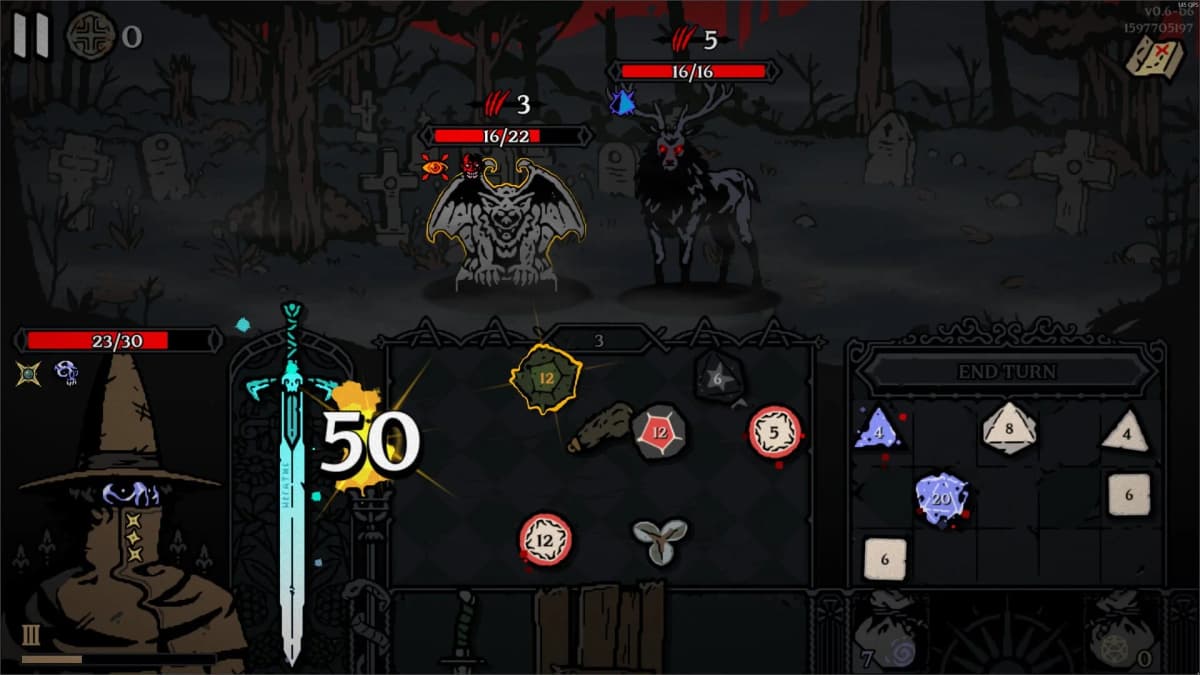
Die For The Lich turns dice into deadly decisions ahead of Early Access
Game intel
Die For The Lich
Roll dice and magical trinkets and pair them with weapons to battle legendary monsters. Master the art of chance in a journey where every roll counts. Unlock n…
Why Die For The Lich Has My Attention
Deckbuilder fatigue is real in 2025, so when another roguelike shuffles into the room, it needs more than slick art to stand out. Die For The Lich caught my eye because it doesn’t just bolt dice onto cards-it builds its whole risk/reward loop around them. The public demo (out since July 22, 2025) already shows teeth: two playable characters, one of three Acts, an Endless “Lich’s Abyss,” and Daily Runs. Players seem to be vibing with it too-at the time of writing, the demo sits at 98% positive from over a hundred Steam reviews. Early Access is locked for November 10, 2025 on Steam (Windows), with mouse-only controls keeping it frictionless to pick up.
Key Takeaways
- Dice aren’t just RNG window dressing-magical trinkets and card synergies let you bend luck to your will.
- The demo is substantial: two classes, Act 1, Endless Mode, and Daily Runs make it easy to gauge the loop.
- Early Access hits November 10, 2025 on Steam; Windows-only for now.
- Genre is crowded—sustained variety and balance will determine if this sticks past launch hype.
Breaking Down the Pitch (and What Actually Matters)
Die For The Lich is a dark-fantasy, turn-based roguelike deckbuilder where your power comes from two sources: dice rolls and the trinkets that twist them. That combo matters because dice games live or die on how you manage randomness. Dicey Dungeons succeeded by letting you plan around pips; Slay the Spire reigned by minimizing variance through draft and economy literacy. Die For The Lich looks like it’s aiming for the middle ground—embrace the dice, but give players the tools to cheat fate in interesting ways.
In the demo, you’ll make the kind of decisions that define good dice design: do you lock a perfect 6 for a guaranteed high-impact spell now, or reroll with a trinket that promises bonus mana if you land doubles? Do you spend a turn setting up a “convert low pips into shields” engine, or push damage and pray? The fact that it’s mouse-only is a plus here—click, drag, drop, done. It’s approachable without feeling shallow.
The two characters on offer support different rhythms. One leans into steady mitigation and buff management; the other rewards aggression when your dice spike. That’s the right early signal: if classes interact with dice differently, you’ve got replayability baked in. The demo’s Daily Runs spice things up with modifiers, while the Lich’s Abyss endless mode is a solid proof that the combat economy holds up over longer sessions.
Context: The Deckbuilder Glut and Why This Could Cut Through
We’ve been drowning in card roguelikes since Slay the Spire cracked the code. Most pretenders slap on a gimmick and call it innovation. The reason Die For The Lich feels promising is that its gimmick actually informs its core design. Dice aren’t just an extra draw phase; they’re the resource model. Trinkets function like micro-rules you assemble into a playstyle—think relics that care about specific pip totals, cards that bank dice, or charms that “freeze” a die face to cash out later. If the team keeps surfacing odds clearly and offers multiple ways to smooth spikes—locks, rerolls, conversions—it can keep runs skill-forward instead of casino-chaotic.
Still, let’s keep expectations in check. Early Access deckbuilders often stumble on two fronts: content breadth and balance churn. With only one of three Acts in the demo, the big question is how quickly new enemies, bosses, and card pools expand after November 10. Balance is another minefield; too many dice manipulation tools and you trivialize risk, too few and it’s a coin flip. The 98% demo rating is a great start, but sustaining that when you add Act 2 and 3 is the real test.
What Players Should Know Before Early Access
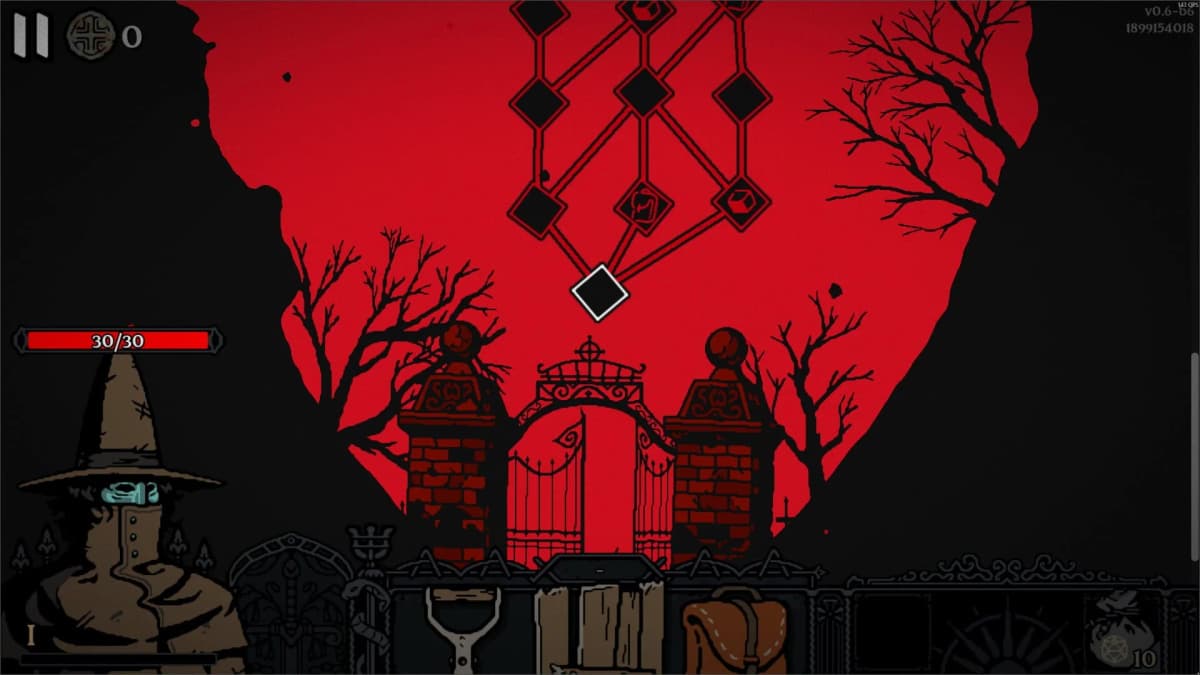
- Scope at EA: Expect more than the demo but not the full 1.0. The studio plans three Acts; only one is in the demo. Watch for a roadmap clarifying when Acts 2 and 3 land.
- Windows-only (for now): No console or Mac/Linux announced. Mouse-only controls make it low-friction on PC.
- Meta progression: The genre walks a fine line—unlock pacing should widen options without turning early runs into chores. If the demo’s unlock cadence carries over, we’re in good shape.
- Daily and Endless longevity: Daily modifiers need regular refreshes to stay spicy; Endless should add new elite patterns and scaling twists over time.
- Save carryover: Don’t assume demo progress will transfer. If you’re a progression purist, you may want to wait for EA to start fresh.
Want to Level Up Your Gaming?
Get access to exclusive strategies, hidden tips, and pro-level insights that we don't share publicly.
Ultimate Gaming Strategy Guide + Weekly Pro Tips
Hands-On Highlights From the Demo Build
What stood out most is how often the game makes you feel clever about “bad” rolls. Low pips aren’t dead weight when you have trinkets that convert 1s and 2s into shields or status procs. Reroll decisions feel meaningful because they’re not just fishing for damage—you’re evaluating future turns, set-up payoffs, and whether to bank a die for a boss ability you know is coming. The UI reads clean, odds feel legible, and turns resolve snappily. It scratches that classic “one more run” itch without drowning you in keywords.
Daily Runs are a nice fit for a dice-forward game—constraints amplify creativity. One day you might build around stacking bleed off odd numbers; the next you’re babysitting a relic that detonates if you hoard too many 6s. Endless is where the dice economy’s seams would show first, and so far it holds—enemies escalate without becoming HP sponges, and your build’s puzzle keeps evolving instead of plateauing.
Looking Ahead
Die For The Lich did the hard part: it convinced me in the demo. Now the grind begins—delivering Acts 2 and 3, keeping dailies fresh, and iterating balance without gutting fun builds. If Monovoid sticks the landing on content cadence post-November 10, this could be the dice-led deckbuilder that earns a permanent slot next to Spire and Dicey Dungeons on my SSD. If not, it risks becoming another cool prototype that couldn’t scale.
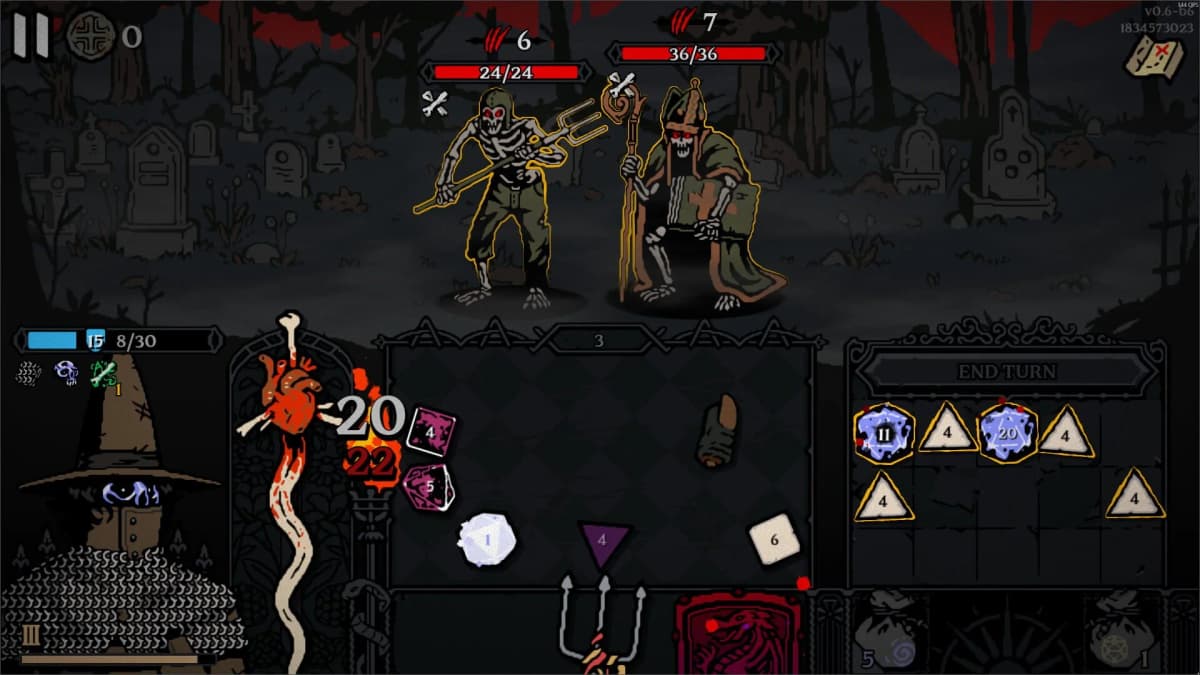
My advice: try the demo, wishlist if the loop clicks, and decide on Early Access based on your tolerance for growing pains. The bones are strong; now it’s about the long game.
TL;DR
Die For The Lich makes dice-driven deckbuilding feel deliberate, not random, and the demo already has legs with Endless and Daily modes. Early Access on November 10 is promising, but lasting success hinges on content variety and smart balance updates.