
Digimon’s Bold Comeback: Why Time Stranger Matters
Game intel
Digimon Story Time Stranger
Why This Announcement Actually Matters
Digimon Story: Time Stranger marks a turning point for the franchise. After years of on-again, off-again releases, Bandai Namco has delivered a time-travel thriller that leans into a mature tone, complex systems, and genuine stakes. Rather than rehashing the classic “press A to collect,” Time Stranger challenges players with narrative twists, strategic combat, and a roster so deep it feels like the franchise is growing up—just as fans have been asking since Cyber Sleuth.
Digimon Story: Time Stranger at a Glance
Release Date: Early 2025
Developer: Bandai Namco Entertainment
Platforms: Nintendo Switch, PlayStation 4, PlayStation 5, PC (Steam)
Genre: Turn-Based RPG, Monster Collection, Time-Travel Thriller
Key Takeaways
- A darker, time-travel narrative with an undercover agent protagonist delivers the adult tone fans have wanted since 2016’s Cyber Sleuth.
- Over 450 Digimon, layered digivolution paths, and synergy skills mean depth over padding—every team choice matters.
- Commercial heat is real: 320,000 week-one retail sales in Japan (Famitsu), extended stockouts, and an 84,458 peak in Steam concurrent users.
- This success puts pressure on Pokémon Legends Z-A to step up its writing, polish, and model fidelity on next-gen hardware.
Breaking Down the Comeback
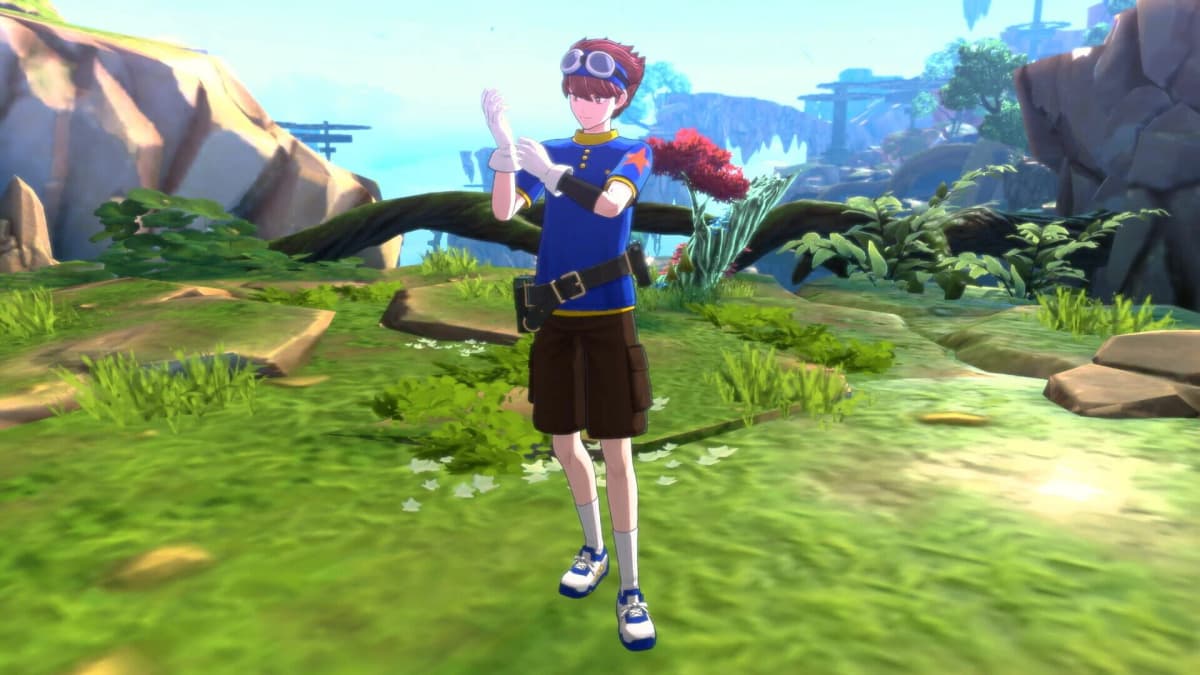
Time Stranger thrusts you into the role of a covert Tokyo agent. After a mysterious Digimon attack levels the city, you awaken eight years earlier with a single mission: stop the calamity before it starts. It’s a high-concept hook—part sci-fi thriller, part emotional drama—and it instantly sets the game apart from more lighthearted monster RPGs.
The world design further cements that distinction. You’ll traverse ruined neon districts, navigate mechanical forests humming with corrupted data, and dive into bioluminescent ocean trenches. Each environment feels alive and purposeful, not just palette swaps for different Digimon spawns. The aesthetic stakes amplify the narrative: when your home turf looks like a burnt-out data core, you understand how crucial your mission really is.
Digivolution Paths and Combat Systems in Action
At its core, Time Stranger’s turn-based battles hinge on three pillars: stat thresholds, status interplay, and synergy skills.
- Scenario One: Risk-Reward Evolutions
Your Rookie Digimon, Piyomon, can champion a special “Phoenix Mode” only if it drops below 40% HP but remains above 10%. That delicate window forces you to balance healing items, team support, and timing—get it right, and you unlock fiery attacks that wipe out wave after wave of enemies. - Scenario Two: Environmental and Status Combos
Facing a Steel-typed Alphamon in the Rusted Port, freezing its mechanical plating with Ice Breath sets up a vulnerability. Follow with an Electric-typed partner to exploit grounding: ice cracks conduct electricity, doubling shock damage. It’s puzzle-like synergy that rewards planning. - Scenario Three: Chain Synergy Skills
Pairing a support-focused Gatomon with an offensive WarGreymon unlocks “Guardian Link.” Each time Gatomon uses a buff, WarGreymon’s Mega Flare gains +10% critical chance. That chain system turns a standard two-Digimon squad into a strategic powerhouse.
Meanwhile, digivolution branches stretch three to four tiers deep. A single Rookie can evolve into multiple Champion forms depending on its stat spread, Digimental affinity, and story flags, making replay builds feel fresh rather than rote.
Context: Digimon’s Messy Road Back
Digimon games outside Japan have swung wildly in tone and quality. Cyber Sleuth (2016) proved there was an appetite for a darker, investigative story. Survive (2022) split fans with visual-novel pacing and lengthy delays. Time Stranger, in contrast, feels like a synthesis of lessons learned: narrative weight without slog, buildcraft without intimidation, and a pitch aimed at old-school fans and newcomers alike.
Crunching the Numbers: Sales, Reviews, and Player Buzz
Early indicators are promising. Famitsu reports 320,000 physical copies sold in week one—a franchise record that led to stock shortages across Japan. On Steam, Time Stranger peaked at 84,458 concurrent players and currently sits in the “Very Positive” range with over 3,500 user reviews. Critically, its Metacritic average hovers in the high 70s, appreciated for writing and mechanical depth, even if it still trails Pokémon’s usual high-80s critic scores.
Those numbers speak to more than nostalgia. They signal a growing appetite for monster-RPGs that don’t shy away from complexity or darkness. And they remind publishers that there’s room for more than one juggernaut in this space.
Want to Level Up Your Gaming?
Get access to exclusive strategies, hidden tips, and pro-level insights that we don't share publicly.
Ultimate Gaming Strategy Guide + Weekly Pro Tips
Pokémon Legends Z-A vs. Time Stranger
With Pokémon Legends: Z-A on the horizon—rumored to revisit the Kalos region in open-city format—the two games are inevitably compared. Here’s how they stack up across four critical dimensions:
Writing and Narrative Depth
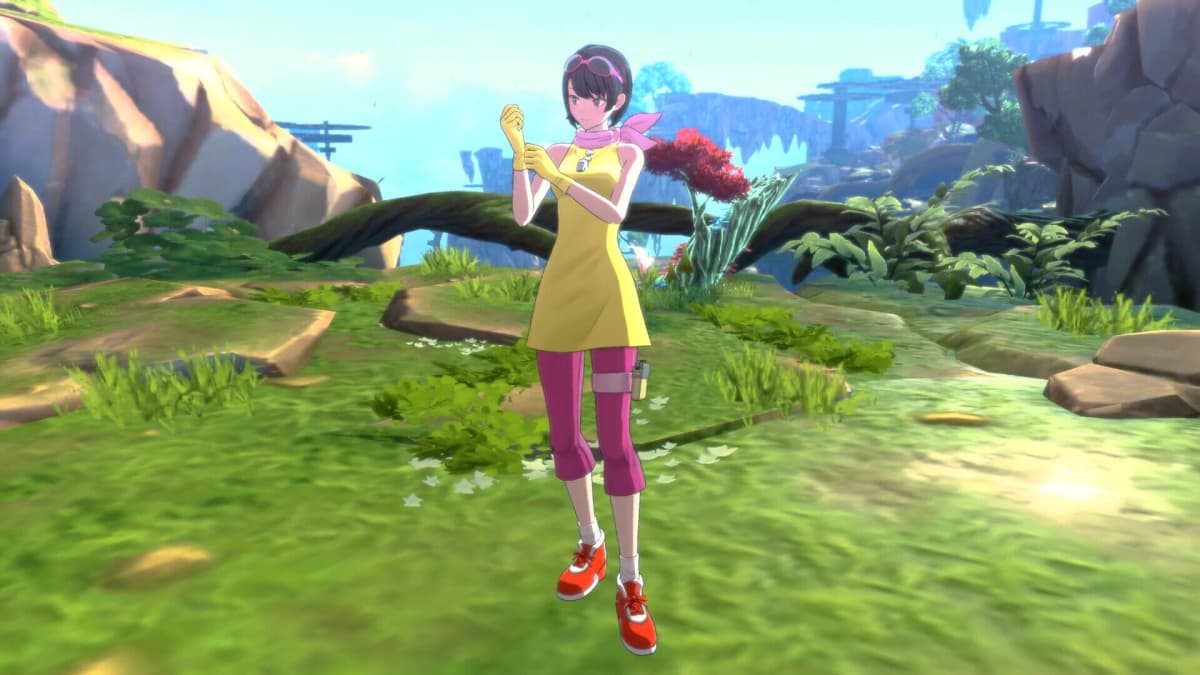
Time Stranger centers on a covert operative haunted by the city’s destruction, weaving time-paradox twists that genuinely surprise. Pokémon Z-A, while promising richer NPC arcs and city-scale quests, still relies on series staples: gym challenges, canonical rivalries, and slice-of-life charm. For players craving thriller stakes and moral gray areas, Digimon’s agent-led plot may hit harder.
Technical Performance
On PC, Time Stranger runs smoothly at 60+ FPS with scalable settings. On Switch and PlayStation, frame rates hold steady even in crowded cityscapes. Pokémon Scarlet and Violet’s framerate dips and texture pop-ins remain fresh in memory—if Z-A doesn’t polish performance on “Switch 2,” fans will notice. Digimon’s stable launch sets a new bar for technical consistency.
Creature and Environment Design
Over 450 finely detailed Digimon showcase varied animation rigs—from the brittle spikes of MetalGreymon to the fluid wings of Seraphimon—each world theme reinforcing their look. Pokémon Z-A promises region-exclusive forms and immersive wildlife, but early previews hint at some models recycling past assets. If Digimon continues to deliver bespoke environments that synergize with creature themes, it could outshine Pokémon’s familiar palettes.
Live Service and Monetization
Bandai Namco’s DLC track record leans on periodic expansions—new story arcs, extra Digimon, seasonal events—but without pay-to-win hooks. Pokémon’s recent strategy mixes paid expansions (The Hidden Treasure of Area Zero) with in-game shop cosmetics and Home-link bonuses. Digimon’s all-in-one release offers confidence in a complete base game; however, future paid arcs could still fragment content if not carefully managed.
Monetization and DLC: Fair or FOMO?
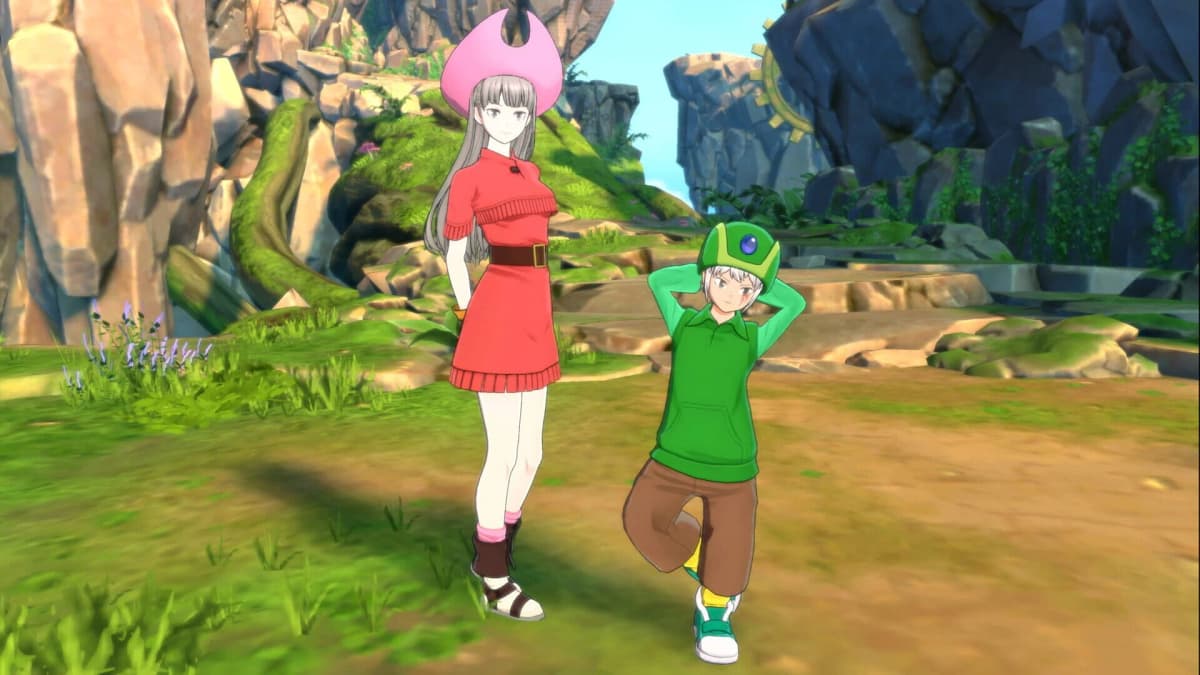
Bandai Namco has confirmed a roadmap of post-launch support: cosmetic skins, challenge dungeons, and seasonal event Digimon drops. Unlike timed-exclusive creatures in some mobile titles, Time Stranger’s DLC promises add-on packs purchasable indefinitely—no windows to miss. In past live services, this model kept communities engaged without punishing players. If DLC introduces new questlines and lore rather than gated power plays, it will reinforce trust rather than spark FOMO anxieties.
The Gamer’s Perspective: Hype, With Caveats
On paper, Time Stranger is everything a veteran Digimon fan could ask for. But the series has tripped on grind walls—excessive battles to hit stat thresholds—and opaque progression systems that leave you guessing why one Digimon outperforms another. Backtracking in late-game story dungeons can bleed momentum if QoL features like battle-skip, improved inventory sorting, and adjustable difficulty are missing. Early patches reportedly address some of these, but long-term polish will make or break its staying power.
Looking Ahead
If Time Stranger can maintain its momentum, expand with thoughtful DLC, and refine QoL through community feedback, it stands to redefine what a monster RPG can be in 2025. Even if it never eclipses Pokémon in raw sales, it’s already proved that Digimon has a distinct identity and audience hungry for its brand of depth. That competitive push benefits both franchises—and players win.
TL;DR
Digimon Story: Time Stranger is a grown-up, time-travel thriller with 450+ Digimon, deep turn-based combat, and blockbuster sales. It doesn’t dethrone Pokémon but boldly challenges it—raising the bar for all monster RPGs.