
Digimon Story: Time Stranger launches big on Steam and PS Store — but is it worth $70?
Game intel
Digimon Story Time Stranger
This launch caught my eye – and not just because I grew up with Digimon
Digimon Story: Time Stranger didn’t arrive with a bombastic marketing push, yet it exploded out of the gate. Launched on October 2, it hit a peak of over 84,400 concurrent players on Steam by Sunday, while also charting on the PlayStation Store. Review scores are solid (78 on Metacritic), user sentiment is strong (about 84% positive on Steam; 4.77/5 on PS Store from 3,500+ ratings), and there’s even a free demo. That combination matters, especially for a single-player, turn-based JRPG from Media.Vision – a studio whose Digimon Story entries have quietly outperformed expectations before.
Key Takeaways
- 84k concurrent players without a massive ad blitz suggests genuine word of mouth, not manufactured hype.
- At €69.99/$69.99, pricing matches “big release” territory – the game has to earn it.
- PC requirements are modest, but visuals look dated; performance should be accessible to most rigs.
- A free demo on all platforms is the smartest move here — try before you buy, especially with those Deluxe/Ultimate prices.
Breaking down the launch numbers
JRPGs don’t often post “blockbuster” CCU on Steam unless they’re a known megabrand or a surprise indie hit. Time Stranger landing over 84k concurrents this fast tells me two things: the Digimon Story sub-series has built a real audience since Cyber Sleuth, and PC players are hungry for traditional, turn-based monster-battling that respects their time. Pair that with high user scores on PlayStation and you’ve got a cross-platform resonance we don’t always see with anime-licensed games.
It also launched at a moment when Pokémon chatter is loud again. Even without directly competing with Pokémon Legends: Z-A (which is still working through the pre-release hype cycle), Time Stranger benefits from monster-collecting on the brain. When nostalgia lines up with a competent JRPG, you get this kind of instant spike.
The $70 question: does Time Stranger justify premium pricing?
Bandai Namco has nudged several anime-adjacent releases to the $70 bracket, and Time Stranger joins that club. On paper, it’s a full-fat single-player JRPG with a classic turn-based loop and a dual-world structure. That puts it closer to the “premium” side than a mid-tier tie-in. But premium price demands premium confidence — especially when Deluxe (€99.99) and Ultimate (€119.99) editions loom in the storefront. If you’re allergic to season passes and bonus DLC bundles, you’re not alone.
Value will come down to how much you love this style of JRPG. Media.Vision’s past Digimon Story titles delivered lengthy campaigns and crunchy team-building systems. If Time Stranger keeps that standard and adds quality-of-life upgrades, the $70 may feel justified. If not, the free demo is your sanity check. I’d start there, then wait for a sale unless you’re already sold on the formula.
Want to Level Up Your Gaming?
Get access to exclusive strategies, hidden tips, and pro-level insights that we don't share publicly.
Ultimate Gaming Strategy Guide + Weekly Pro Tips
What the game actually offers — and what it doesn’t
The pitch is pure Digimon Story: a narrative split between the real world and the Digital World, turn-based fights, and a “race against time” to prevent Tokyo’s destruction. That structure worked for Cyber Sleuth: bouncing between realities let the series toy with tone and pacing without bloating the map. Time Stranger sticks the landing in at least one crucial area: approachability. The PC requirements are modest, and load times on modern hardware are reportedly snappy.
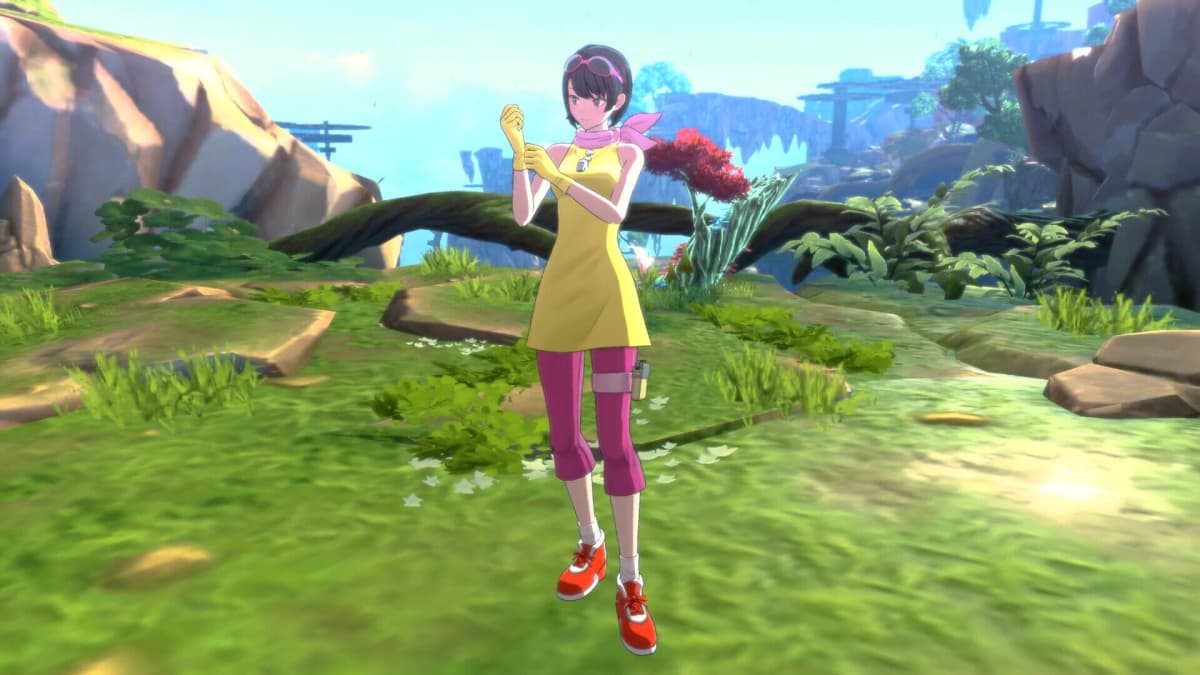
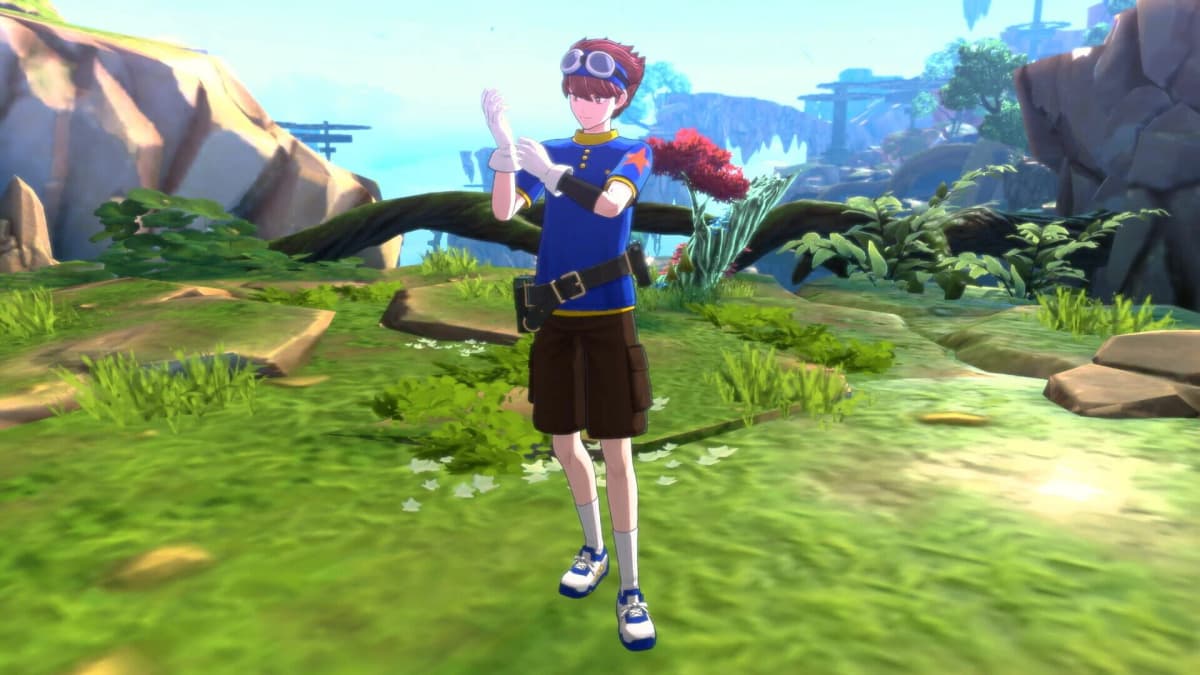
The compromise is visual fidelity. Environments look a generation behind: sparse detail, flat materials, and the kind of presentation that says “serviceable” rather than “showpiece.” That doesn’t ruin a turn-based RPG — Persona 5’s style carried it; Trails wins with writing — but it raises the bar for everything else. If you’re asking $70, art direction needs to sing or the systems and story need to absolutely slap. Players so far seem willing to forgive the dated look because the core loop is engaging.
One win I didn’t expect: offering a demo everywhere. This should be standard for single-player JRPGs. Let players test the battle flow, party synergy, and performance on their hardware. If you’re confident, a demo converts fence-sitters — and those 84k concurrents suggest it’s working.
Context: Media.Vision knows this lane
Media.Vision cut its teeth on Wild Arms and made a name in the Digimon Story line with Cyber Sleuth and Hacker’s Memory. Those games weren’t flashy, but they were well-designed: readable turn order, satisfying status setups, and a party-building metagame that rewarded tinkering. I don’t expect Time Stranger to reinvent the wheel; I expect it to refine it. That’s fine — as long as the narrative hooks are sharper and the onboarding respects newcomers who haven’t touched the series in years.
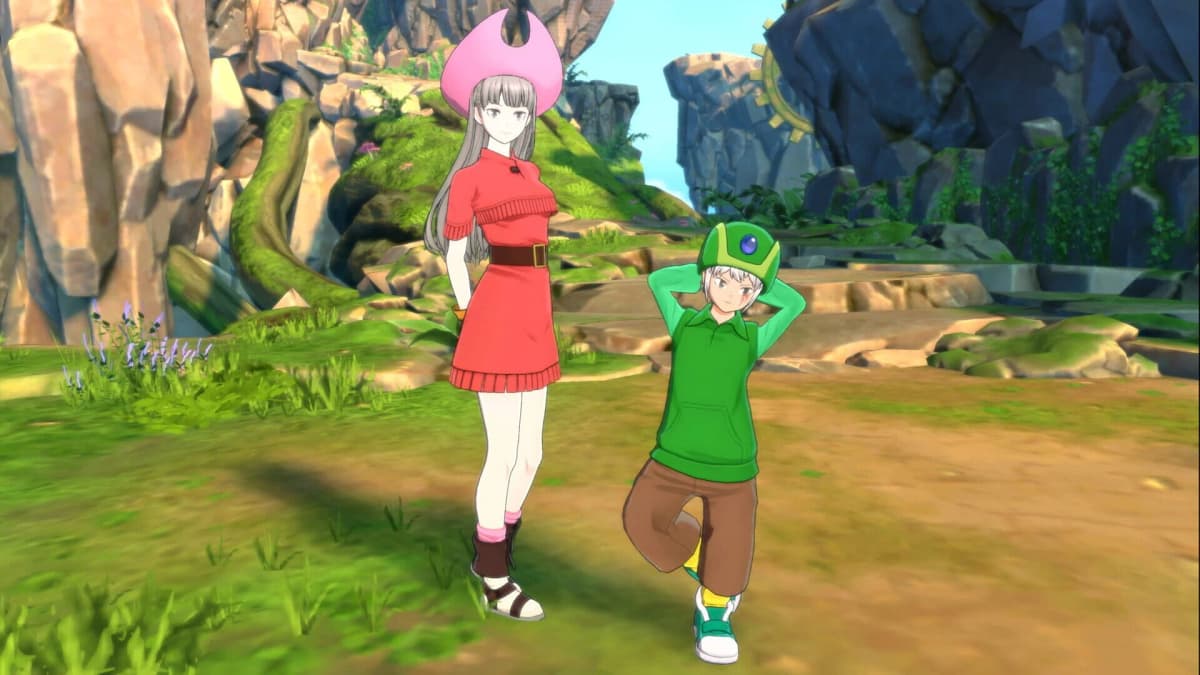
If Time Stranger becomes the “gateway” Digimon JRPG for a broader audience, this launch will look like the moment the franchise finally clicked on PC and PlayStation at the same time. If it stumbles later — thin postgame, grindy progression, or DLC that feels carved out — the pricing will come back to bite.
TL;DR
Time Stranger’s fast start is the real deal: strong user scores, 84k CCU, and a low-friction demo all point to a confident turn-based JRPG. The visuals are dated and the $70 tag is a hurdle, but if the systems and story hold up, this could be the Digimon Story entry that finally breaks wide. Try the demo, trust your gut, and don’t let Deluxe/Ultimate FOMO rush your buy.