
Table of Contents (7)
Why this episode matters right now
Digital Foundry’s DF Retro Super Show #008 is more than another nostalgia hour – it’s a reminder that the consoles we love were shaped by people, choices and compromises. The episode uses a Sega Genesis/Mega Drive retrospective as a way to honor recently deceased industry figures and to interrogate how hardware decisions ripple into the games we still play. This caught my attention because retrospectives that connect games to the engineers who made them usually reveal the messy, fascinating trade-offs behind classic moments.
- Hideki Sato, a central Sega hardware figure, is remembered for shaping everything from the SG-1000 to Dreamcast.
- DF ties the Genesis’ defining library to hardware choices and R&D culture at Sega-good technical storytelling, not just listicle nostalgia.
- A surprise Virtual Boy reissue (and a Switch 2 adapter, per hosts’ hands‑on) reignites arguments about preservation vs. kitsch.
Breaking down the episode
The show opens on a somber note: the hosts pay respects to Hideki Sato (noted in wider reporting as a long-time Sega hardware lead) and to Shutaroida, a veteran programmer whose credits span classic 2D work through later high-profile projects. From there, Digital Foundry pivots into an exploration of the Genesis/Mega Drive’s most defining games – but crucially, they don’t treat the software as if it sprang from nowhere. Instead, the conversation repeatedly pulls back to hardware choices, R&D culture at Sega, and the design decisions that made certain games possible.
Why Hideki Sato’s death reframes the conversation
Sato’s role — called out by DF and corroborated in recent industry obituaries — was more than managerial. He’s credited with guiding Sega through multiple console generations and the thorny architecture choices that defined systems like the Saturn. The hosts point out something important: internal R&D decisions that look baffling in a press release often make sense when you remember they were trying to satisfy divergent goals (arcade parity, rapid third‑party ports, Japanese vs. global markets).
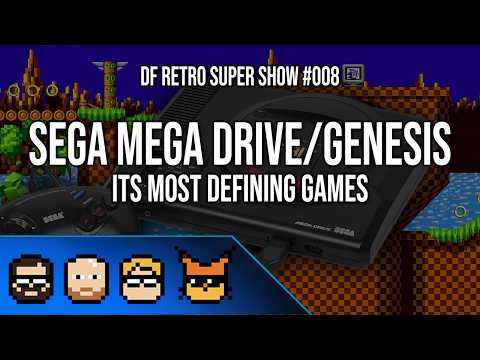
How hardware shaped the Genesis’ defining games
Digital Foundry’s hosts make a gamer‑friendly but technical case: the Genesis ecosystem encouraged tight, code‑savvy games and bold arcade ports. That explains why a lot of the console’s “defining” titles leaned hard into raw CPU tricks, chiptune identity and clever sprite handling. DF doesn’t just praise the classics — they show how a given choice from the hardware team could make a developer reach for a particular style or mechanic.
The curious resurrection: Virtual Boy reissue and modern hardware notes
Midway through the episode, DF spends time on a modern Virtual Boy reissue — a product that feels equal parts museum piece and weird experiment. The hosts handled a unit and discussed an adapter that lets modern handheld hardware slot into the case; they tried it with a Switch 2. This is the kind of hardware nostalgia that’s affectionate but slightly absurd: it proves there’s appetite for tactile, authentic retro experiences, while also raising the usual preservation questions. Is this about accessibility, collector theater, or both?
What gamers should take away
If you care about retro gaming beyond screenshots, DF’s episode is a model: treat the stories of hardware designers the same way we treat auteur game directors. Those engineers’ decisions — from bus choices to peripheral support — determined what software designers could do. The episode also reminds us why preserving hardware and documenting developer recollections matters: without those accounts, technical choices become myths.
It’s also worth noting the emotional texture here. The hosts balance technical deep dives with genuine respect for individuals such as Sato and Shutaroida. That mix of forensic curiosity and human remembrance is what makes this one of DF’s better retro instalments.
TL;DR
Digital Foundry’s Retro Super Show #008 is a thoughtful Genesis/Mega Drive lookback that ties the console’s games to the hardware minds who built them, mourns significant recent losses in the industry, and pokes at the strange glory of modern reissues like the Virtual Boy. It’s technical, personal, and exactly the kind of conversation the retro scene needs right now.
FinalBoss // Gear
Level up your setup
01Top-rated gaming headsetson Amazon→02High-refresh gaming monitorson Amazon→03Gaming chairson Amazon→04Discounted game keyson Kinguin→Affiliate links · As an Amazon Associate, FinalBoss earns from qualifying purchases.
Want to Level Up Your Gaming?
Get access to exclusive strategies, hidden tips, and pro-level insights that we don't share publicly.
Ultimate Gaming Strategy Guide + Weekly Pro Tips