

Directive 8020 Takes Supermassive’s Signature Horror Formula Into Paranoia-Fueled Space
Game intel
The Dark Pictures Anthology: Directive 8020
Enter the world of The Dark Pictures - A series of standalone cinematic horror games. Players will be challenged to explore and uncover each story with the kno…
I’ll admit it: I’m a sucker for both Supermassive’s brand of cinematic horror and just about anything set in the deep reaches of space. So when the creators of Until Dawn announced Directive 8020 would be taking their interactive thriller formula literally to the stars, my curiosity was instantly piqued. At Summer Game Fest in LA, I finally got hands-on with a chunk of the studio’s latest, and despite not being able to shake every tree of its branching story, I walked away convinced that Supermassive is pushing its own formula in some clever, paranoia-laced new directions.
Directive 8020 Preview: Suspicion, Survival, and the Most Supermassive “What Ifs” Yet
- The alien threat can impersonate your crewmates – which pushes the game’s mistrust and “anyone could be a traitor” tension to the next level.
- Turning Points feature lets you revisit narrative decisions – potentially a game-changer for exploring those branching paths Supermassive is famous for.
- Cinematic presentation and performances are as sharp as ever, but with better writing and acting than the series has seen in a while.
- Third-person survival-horror moments add action, though based on my demo, they’re more a break from story than a full reinvention of the genre.
| Feature | Specification |
|---|---|
| Publisher | Supermassive Games (TBA) |
| Release Date | TBA (2024 rumored) |
| Genres | Interactive Horror, Narrative Adventure, Survival Horror |
| Platforms | PC, PlayStation, Xbox |
The fifth entry in The Dark Pictures Anthology, Directive 8020 puts you in the boots (and, let’s be real, space-sweaty jumpsuits) of the Cassiopeia’s crew, stranded on a distant planet after a crash. The catch? There’s something alien loose on board – and it’s not just a deadly stalker, it can take the form of any crew member. If you’ve played Dead Space or Alien: Isolation, you’ll know why that kicks the tension through the roof, but Supermassive is using this not just for jump scares, but to layer their signature interactive drama with a heaping dose of distrust.
My demo zeroed in on a moment straight out of sci-fi suspicion nightmares: a corporate suit locked in the brig, accused by his colleagues of being the creature in disguise. What follows? Accusations, pressure, and a satisfyingly tough dilemma — do you pull the trigger, or risk letting out the monster? This is classic Supermassive, but with the stakes feeling even higher when trust itself is the horror. Dialogue choices are loaded, and Supermassive’s penchant for quality voice acting and facial capture means the stress lands just right. There’s no “right” answer on the surface, and—unlike the earliest Dark Pictures entries—there was real nuance in the setup I played.
Now, about that new Turning Points mechanic: instead of being stuck with every choice unless you start from scratch, you can hop back to key narrative branches on a stylish timeline. It’s basically a visual “flowchart” of your decisions, letting you replay moments and see what could have been—without outright spoiling all the possible outcomes. Hardcore fans can straight-up disable this if you want that old-school, “no take-backs” tension. I’m all for it: as someone who’s regretted a few Dark Pictures choices in the past, this strikes a nice balance between accessibility and agency, and it opens up more replay value without cheapening the experience.
Where Directive 8020 differentiates itself—at least a bit—is with new survival horror sequences. I got a short taste: lights flickering, biopods and vents snaking through claustrophobic corridors, an alien lurking just out of sight. Stealth was key, and there’s some tension, but if you’ve played Resident Evil, Outlast, or (obviously) Alien: Isolation, you’ll recognize the beats. Don’t expect full-blown action; these segments break up the story, but the bulk of the experience is still making choices and living (or dying) with them.
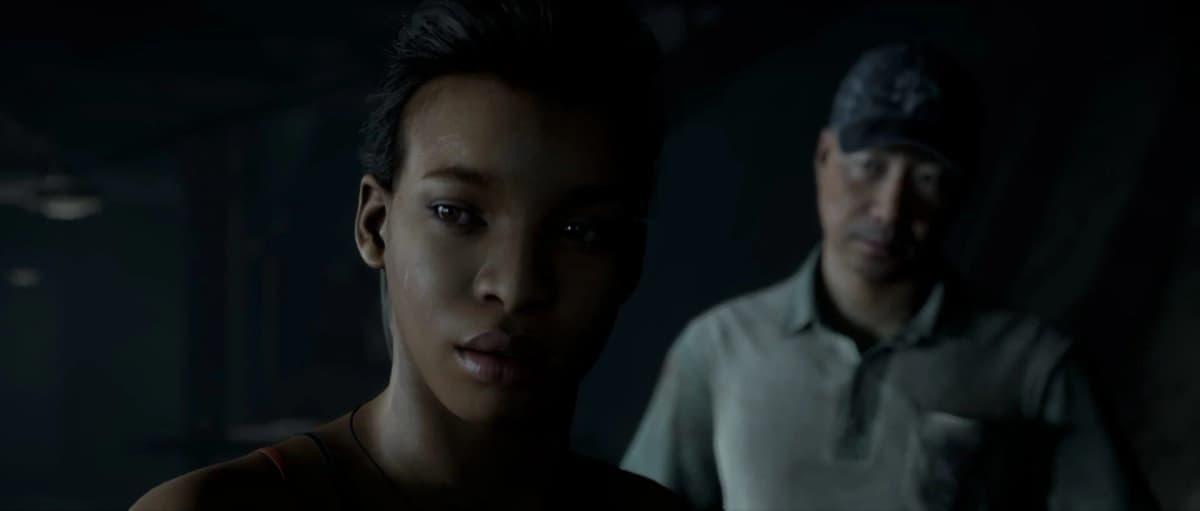
What sticks with me is that even in this short demo, Directive 8020 radiates a level of polish and strategy that hints at the kind of refinement fans have long called for. The “anyone could be the monster” hook finally gives the branching narrative structure more weight—not just in terms of who lives or dies, but in how paranoia truly colors every interaction. This feels like a spiritual space successor to Until Dawn’s best moments in a way the previous Dark Pictures games just missed.
What This Means for Supermassive Fans (and Horror Gamers)
First off: this one looks, sounds, and feels a cut above the last couple of Dark Pictures. Both mechanically and narratively, it’s doubling down on what Supermassive does best—cinematic tension, tough decisions, and giving players real consequences—but finally matching it with production values worthy of their original breakout hit, Until Dawn. The new Turning Points system could be a big win for replay value, inviting players to fully explore the resonance of their choices instead of redoing entire games. And if you’re a fan of social deduction or Among Us-style “who’s the imposter?” plays, the paranoia in Directive 8020 feels like a natural evolution for story-driven horror.
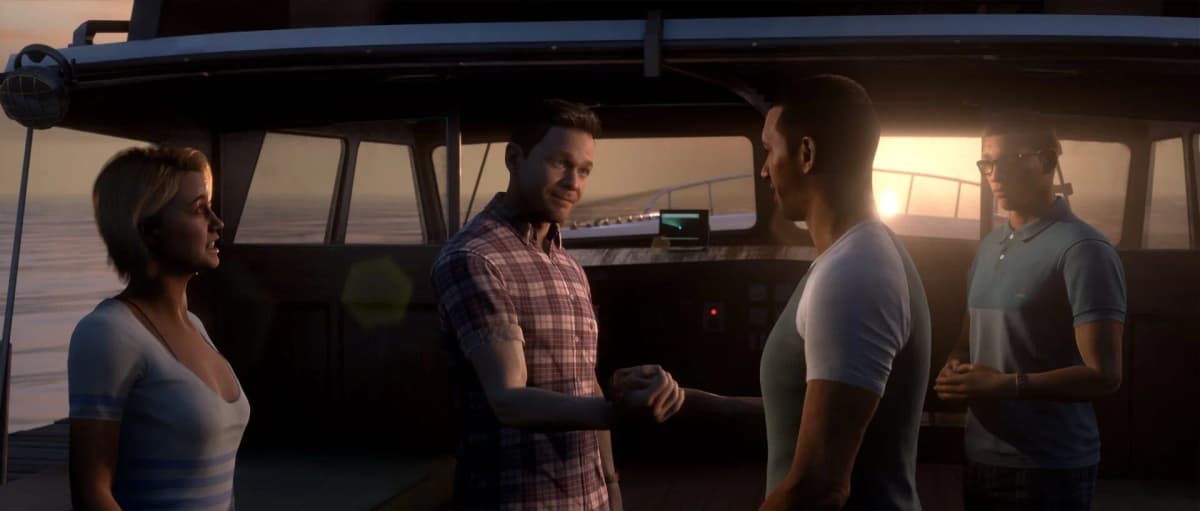
Of course, it remains to be seen how well the action sequences and branching story hold up over a full-length playthrough. History tells us that Supermassive can sometimes lean too hard into spectacle at the expense of gameplay depth. But right now, Directive 8020 looks like their strongest genre blend yet—one where your choices truly matter, and the scariest thing in space might be your own doubts.
Want to Level Up Your Gaming?
Get access to exclusive strategies, hidden tips, and pro-level insights that we don't share publicly.
Ultimate Gaming Strategy Guide + Weekly Pro Tips
TL;DR
Directive 8020 is shaping up to be the most ambitious, paranoia-driven interactive horror Supermassive’s delivered since Until Dawn. With its “anyone could be the monster” premise, upgraded narrative flow, and better-than-ever production, this could finally be the Dark Pictures entry fans have been waiting for—if the whole game lives up to its stellar demo.