
Storefronts don’t need a shutdown to lose games anymore. In the space of a few months, almost 30 Disney-owned PC titles have simply stopped being purchasable on Steam – including the original Star Wars: Dark Forces, one of the foundations of 90s shooters.
- Disney has now removed around 29 games from sale on Steam in two waves, with no public explanation.
- The latest batch of ~15 includes Star Wars: Dark Forces (1995 classic), Outlaws, Star Wars: Rebellion and a pile of Disney/Pixar tie-ins.
- Existing owners keep access, but new buyers are locked out; Steam store pages remain, only the purchase button is gone.
- The pattern points to licensing clean-up and remaster strategy first – and PC game preservation dead last.
Table of Contents (6)
Another 15 Disney games vanish from Steam – with no warning
Earlier this year, SteamDB watchers noticed something odd: a block of 14 Disney-published games quietly flipped from “available” to “no longer available for purchase”. No blog post, no licensing notice, just a silent purge.
“Earlier today” — around the afternoon of April 14th, according to SteamDB tracking — it happened again. Roughly 15 more Disney and Disney-owned titles disappeared from sale on Steam in a second wave. Put together, you’re looking at 29 delisted games in just a few months.
The latest removals hit three main buckets:
- LucasArts-era PC classics: Star Wars: Dark Forces (the 1995 original), Star Wars: Rebellion, and Outlaws (1997).
- Disney and Pixar film tie-ins: Disney•Pixar Brave: The Video Game, Disney Bolt, Disney Tangled, Disney G-Force, Disney Pirates of the Caribbean: At Worlds End, Disney Alice in Wonderland, Disney’s Chicken Little, Disney Universe, Disney Princess: My Fairytale Adventure.
- Other licensed outliers: Disney’s Treasure Planet: Battle of Procyon, Disney High School Musical 3: Senior Year Dance, and Planet of the Apes: Last Frontier.
Steam store pages for these games are still live. You can search them, click through, read user reviews, even see past discounts. What you can’t do is buy them. For new players, they may as well not exist.
If you already owned any of these before delisting, you keep them in your library and can still download and play them. This is a storefront decision, not a remote kill switch. But that is cold comfort if you grew up on 90s Star Wars shooters and figured “I’ll grab Dark Forces one day when it’s on sale.” That day is now over — at least for the original Steam release.
Dark Forces Classic is the canary in this coal mine
The licensed movie games here are easy to mentally file away as “disposable”. Music rights, actor likenesses, regional contracts — the usual licensing minefield. They were always fragile. It’s still a loss, but not a surprising one.
Star Wars: Dark Forces Classic is different. It is one of the reasons PC first-person shooters look the way they do. It proved Star Wars could sustain an FPS that wasn’t just a Doom reskin, introduced the galaxy to Kyle Katarn, and helped lay the groundwork for Jedi Knight.
Today, if you want Dark Forces on Steam, you can still buy the modern remaster handled by Nightdive Studios. That version is genuinely excellent: higher resolutions, modern systems support, quality-of-life tweaks, and a lot of care put into making the game feel good on today’s hardware.
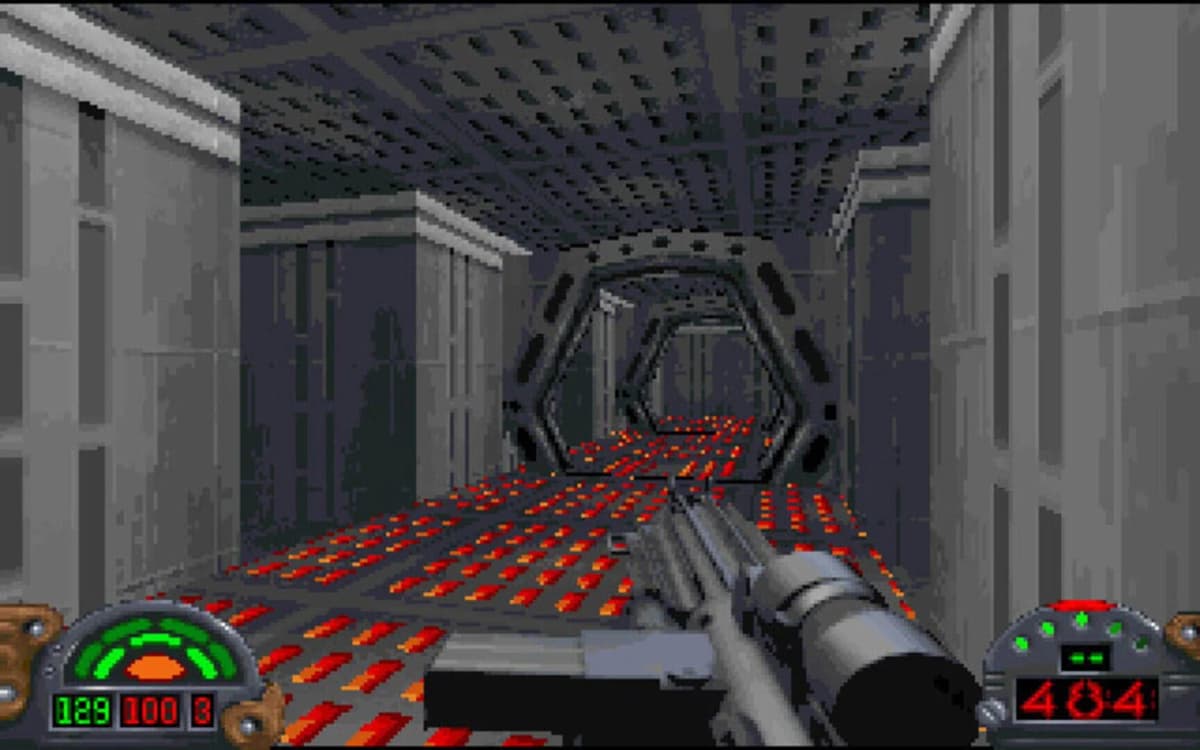
But the original 1995 release was a separate product on Steam, and that’s the one that just got locked away. This matters for a few concrete reasons:
- Historical fidelity: Remasters, even good ones, make choices. Lighting, physics quirks, timing, UI behaviour — they all shift. The old build is the reference point for how the game actually behaved in its original context.
- Mod and tool compatibility: Communities often build tools and mods against specific legacy executables and directory layouts. Breaks in those assumptions are common when engines get modernised.
- Consumer choice: Having both SKUs visible lets players decide: do they want the pristine museum piece, the tuned-up modern version, or both?
Removing the classic version the moment a remaster is comfortably in market is a pattern we’ve seen before in other franchises. It’s good for funneling every new buyer to the most profitable, actively marketed version of the game. It’s not good for people who treat games as more than disposable content.
Licensing, remasters, and the incentive to erase history
Disney hasn’t explained this wave of delistings. There’s no official blog, no legal notice beyond the silent removal. So we’re left with two main, evidence-based angles — and one more speculative one.
1. Licensing clean-up for older tie-ins
For games like Brave, Bolt, Tangled, or High School Musical 3, the boring answer is the most likely: specific music tracks, voice contracts, or third-party engine deals have timed out; renewing isn’t worth it for low-traffic PC ports that exist mostly as catalog filler. This is the same gravity that keeps dragging Forza titles off shelves after a few years.
2. “One canonical version” after remasters
Star Wars: Dark Forces and Outlaws now have Nightdive remasters on sale. The originals no longer do. That correlation is hard to ignore.
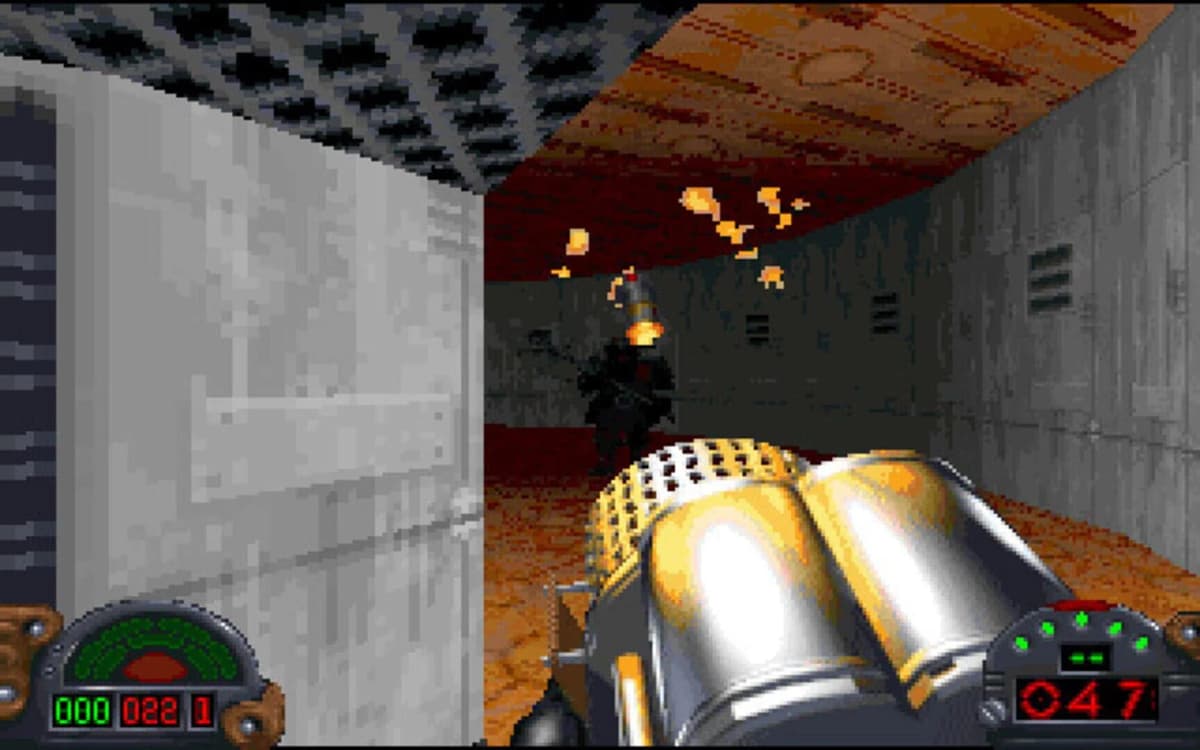
Publishers like neat storefronts. One SKU per title, one discount ladder, one marketing page. Old “classic” versions sitting next to shiny remasters raise awkward questions: why is the older one cheaper? Which should newcomers buy? Is the remaster actually better? The simplest answer, from a revenue perspective, is to quietly remove the option that makes the new version look worse value.
We’ve seen shades of this with other remaster-heavy series. Sometimes the original comes back bundled as “legacy edition”, sometimes it stays gone. Disney choosing the latter path with key LucasArts games tells you where preservation and choice sit on their list of priorities.
3. Storefront politics and the Epic question
PC Gamer and others have floated a more strategic possibility: that some of these removals could be groundwork for store exclusivity elsewhere, especially given Disney’s high-profile partnership with Epic in the broader entertainment and tech space.
Right now that’s speculation, not fact. We haven’t seen this batch pop up as Steam refugees on another PC store in any coordinated way, and some of the removed games are still available on consoles in digital form. If an exclusivity pivot is coming, it hasn’t fully manifested yet.
But the incentives are very real. If you’re planning to relaunch a chunk of your back catalogue as a curated “Disney Classics” line on one preferred storefront, step one is often to de-clutter the old listings quietly. When or if those same games appear elsewhere, we’ll have a clearer answer.
Steam’s preservation blind spot is everyone’s problem
It would be easy to treat this as “Disney being Disney” and stop there. The more uncomfortable truth is that their behaviour only matters this much because of how Steam — and digital distribution in general — is built.
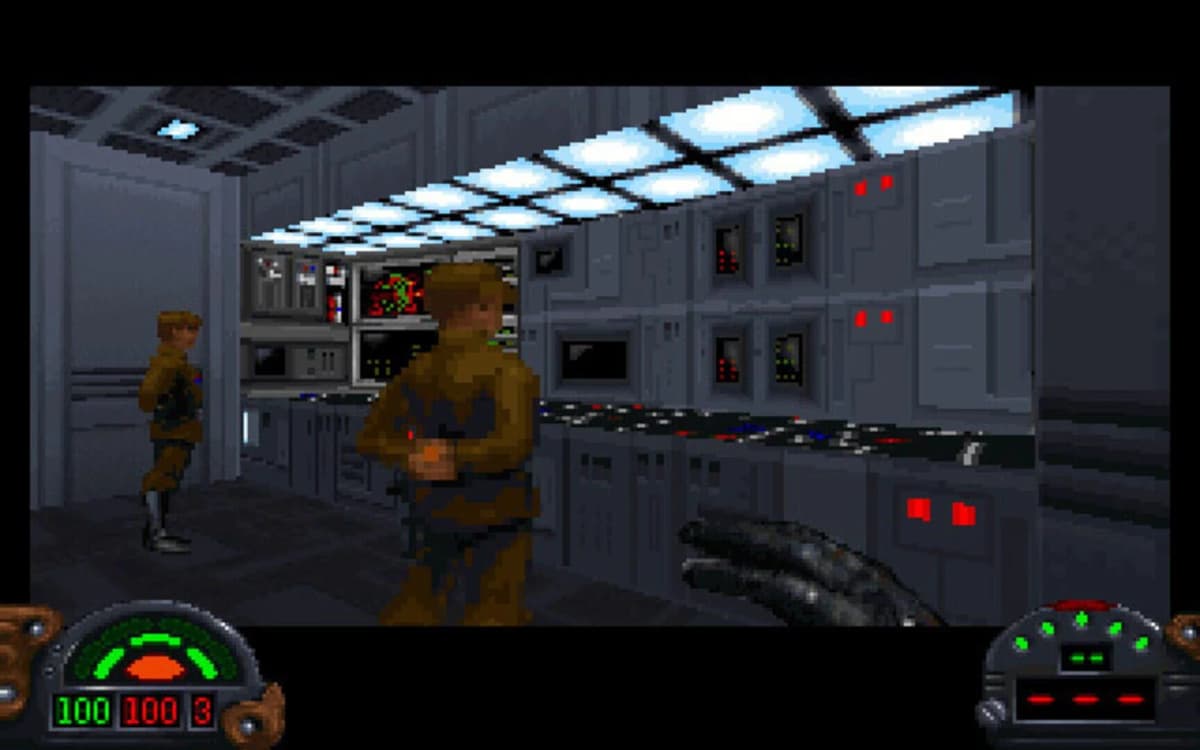
Steam is the default PC storefront. When a game disappears from sale there, for a lot of players it simply stops existing in any legitimate way. Yes, some of these titles have or had GOG releases; yes, some remain on console stores. But for everyday PC buyers trained to search Steam first and last, delisting there is basically a quiet erasure.
Valve’s stance is consistent: it doesn’t own the games, it just runs the marketplace. If a publisher wants to pull a title, it’s their call. The trade-off has always been flexibility and low friction on one side, and fragility of access on the other. Moves like this are what that fragility looks like in practice.
Even GOG, which builds its brand on preservation and DRM-free access, has seen Disney-published titles vanish in parallel with the Steam removals. Preservation is more marketing angle than legal mandate; the moment hard licensing stops adding up for the rights holder, the game goes.
This latest purge also undercuts one of the quiet comforts PC players used to rely on: that big media corporations might neglect older PC ports, but at least they wouldn’t spend time actively removing them. The January wave of 14 delistings could have been a one-off clean-up. A second wave in April, bringing the total to 29, turns it into a strategy.
The practical consequence is simple. If there is a classic you care about, “I’ll grab it later” is no longer a safe plan. “Later” now has an invisible expiry date tied to contracts and catalog strategies you will never see.
What to watch next
- Official word from Disney: So far there has been none. A clear statement — even a dry “licensing expired” note — would clarify how likely this is to continue across the rest of the LucasArts and Disney back catalogue.
- Where (if anywhere) these games reappear: If the delisted titles start surfacing on another PC storefront, or as part of a new branded collection, that will confirm whether this is purely legal housekeeping or a longer-term store strategy.
- How future remasters are handled: If every new remaster release is followed by the old version being removed from sale, we have a repeatable pattern — and can treat “remaster announced” as “original on borrowed time”.
- Regional and platform inconsistencies: Some of these games are still digitally available on console ecosystems. Watching whether those versions also disappear will tell us whether licensing is the primary driver, or whether PC is just the first test bed.
TL;DR
Disney has quietly delisted another ~15 games from sale on Steam, including Star Wars: Dark Forces Classic, Outlaws, Star Wars: Rebellion, and a stack of Disney/Pixar tie-ins, bringing the recent total to around 29 removed titles. Existing owners can still download and play them, but new players are locked out, with no clear explanation beyond likely licensing expirations and a push toward remasters. The real shift is psychological as much as practical: classic PC games on major storefronts now feel like temporary licenses first and cultural artifacts a distant second.
FinalBoss // Gear
Level up your setup
01Graphics cardson Amazon→02Gaming laptopson Amazon→03High-refresh gaming monitorson Amazon→04Discounted game keyson Kinguin→Affiliate links · As an Amazon Associate, FinalBoss earns from qualifying purchases.
Want to Level Up Your Gaming?
Get access to exclusive strategies, hidden tips, and pro-level insights that we don't share publicly.
Ultimate Gaming Strategy Guide + Weekly Pro Tips